
Agia Varvara-Almyras: An Iron Age Copper Smelting Site in Cyprus
Edited by Christina Peege Edited by Philippe Della Casa Edited by Walter Fasnacht

Paperback (Published)
(March 2018)
ISBN: 9781784918156
8.07 x 11.46 inches
Price: $96.00
In stock
This volume presents the results of a comprehensive post-excavation analysis of the stratigraphy, geology, metallurgical materials (furnaces, tuyeres), finds (pottery, furnace lining, stone tools), as well as a synthesis of the copper smelting technology at Agia Varvara-Almyras, Cyprus.
The Iron Age copper smelting site situated near the Cypriot village Agia Varvara is of particular importance among the ancient copper processing places in the Near East because it has revealed spatial as well as technological aspects of copper production in a hitherto rarely-seen depth of detail. Agia Varvara-Almyras: an Iron Age Copper Smelting Site in Cyprus presents the results of a comprehensive post-excavation analysis of the stratigraphy (part I), also of the geology, metallurgical materials (furnaces, tuyeres), finds (pottery, furnace lining, stone tools), as well as a synthesis of the copper smelting technology at Agia Varvara-Almyras (part II). The excavation analysis not only focuses on pyrotechnical information from individual furnaces, but also provides a detailed study of the spatial organisation as well as of the living conditions on the smelting site. An elaborate reconstruction of the features in a 3D model allows the visualisation of formerly-dispersed loci of copper production. Based on this virtual rebuilding of the hillock named Almyras, it becomes clear that archaeometallurgy must be unchained, and the idea of an ‘operational chain’ must be replaced by a more multidimensional research strategy labelled as an ‘operational web’. The present volume aims to stimulate future excavations which pay attention to the reasons behind the exploitation of the riches of the island, as well as to the needs of the markets where the final product was very likely to have been appreciated as a strategic commodity, by power players operating on the island as well as by ordinary people in need of a repair to an everyday commodity which had broken.
"Foreword: Agia Varvara-Almyras, an Exceptional Case Study
Part I - Archaeological Situation, Stratigraphy, and Chronology
1. Introduction
2. Extractive Copper Metallurgy in Cyprus: A Concise Retrospective on Methods and Approaches
3. Archaeological Research in Agia Varvara-Almyras
4. Stratigraphy
5. Age Determination
6. The Features
7. Spatial Organization
8. Conclusions and Outlook
9. Lists
Part II - Materials and Processes
1. Geology and Mineralogy of Agia Varvara-Almyras - by Iphigenia Gavriel
2. Agia Varvara-Almyras Ceramics Report - by Robert Morris
3. Classification of Ore Beneficiation Stone Tools from Agia Varvara-Almyras - by Anne Carey
4. Furnace Lining - by Aleksandra Mistireki
5. Considerations on the Process Flow of Copper Production - by Walter Fasnacht
6. Technology of Copper Smelting at Agia Varvara-Almyras - by Martina Renzi, Myrto Georgakopoulou, Christina Peege, Walter Fasnacht and Thilo Rehren ", Foreword: Agia Varvara-Almyras, an Exceptional Case Study ;
Part I – Archaeological Situation, Stratigraphy, and Chronology Part II – Materials and ProcessesIphigenia GavrielRobert MorrisAnne CareyAleksandra MistirekiWalter FasnachtMartina Renzi, Myrto Georgakopoulou, Christina Peege, Walter Fasnacht and Thilo Rehren
Christina Peege graduated at the Department of Classical Archaeology at the University of Zurich. She started her academic career as a research assistant at the Chair of Ancient History in Zurich, and as a scientific collaborator at the Mint Cabinet in the City of Winterthur. After having participated in archaeological excavations conducted by cantonal archaeology services in Switzerland, she started as a trench supervisor under the auspices of Walter Fasnacht at the excavation of Agia Varvara-Almyras. She completed her doctoral studies with this comprehensive publication of the excavation results at the University of Zurich in January 2017. ;
Philippe Della Casa graduated in Roman Provincial Archaeology before taking his PhD with a thesis on the Bronze Age necropolis of Velika Gruda, Montenegro in 1994. He then engaged in a series of large Adriatic and Alpine projects on settlement survey and excavation, landscape history, as well as social and economic archaeology including mining archaeology. Since 2002, he has held the Chair of Prehistoric Archaeology at the University of Zurich as a full professor. ;
Walter Fasnacht graduated in primary and secondary teaching before the award of his master’s degree in Prehistoric Archaeology and Geology at the University of Zurich. He is the director of the Almyras Excavation Cyprus. He has been lecturer in archaeometallurgy at the Universities of Fribourg and Zurich, curator of archaeology at the Swiss National Museum, researcher at the Swiss Federal Laboratories for Materials Testing and Research as well as a member of the Swiss School of Archaeology in Eretria, Greece. He founded the Swiss Association of Experimental Archaeology and is an active teacher and educator.
- Edited by Christina Peege
- Edited by Philippe Della Casa
- Edited by Walter Fasnacht
Similar Books
 Archaeological Excavations at Irmis Rka: An Investigation of a Multi-Layered Settlement in Southwest Georgia
Results from the 2020 Season: Early Bronze Age to Medieval Occupations


 Catuvellaunia and Rome: Economic and Political Relations during the Final Decades Pre-conquest
The Role of Grain from Southeastern Britain and Its Potential for Maintenance of the Roman Military along the Frontier on the Rhine
 Making and Meaning in the Bronze and Iron Ages
Chronology, Landscapes and Societies across Europe. Proceedings from the METALAGES2024 Colloquium (Florence, 23 October 2024)


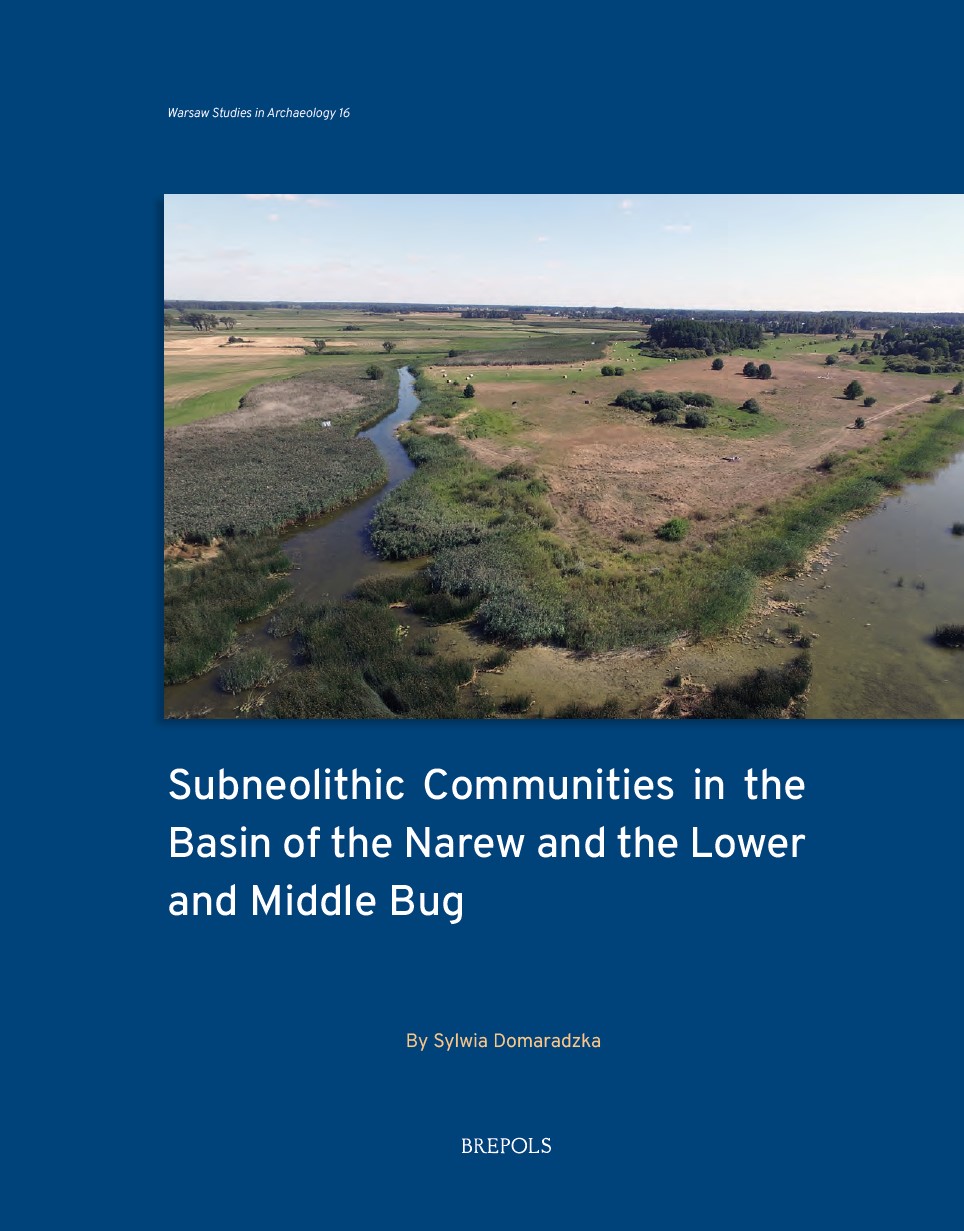


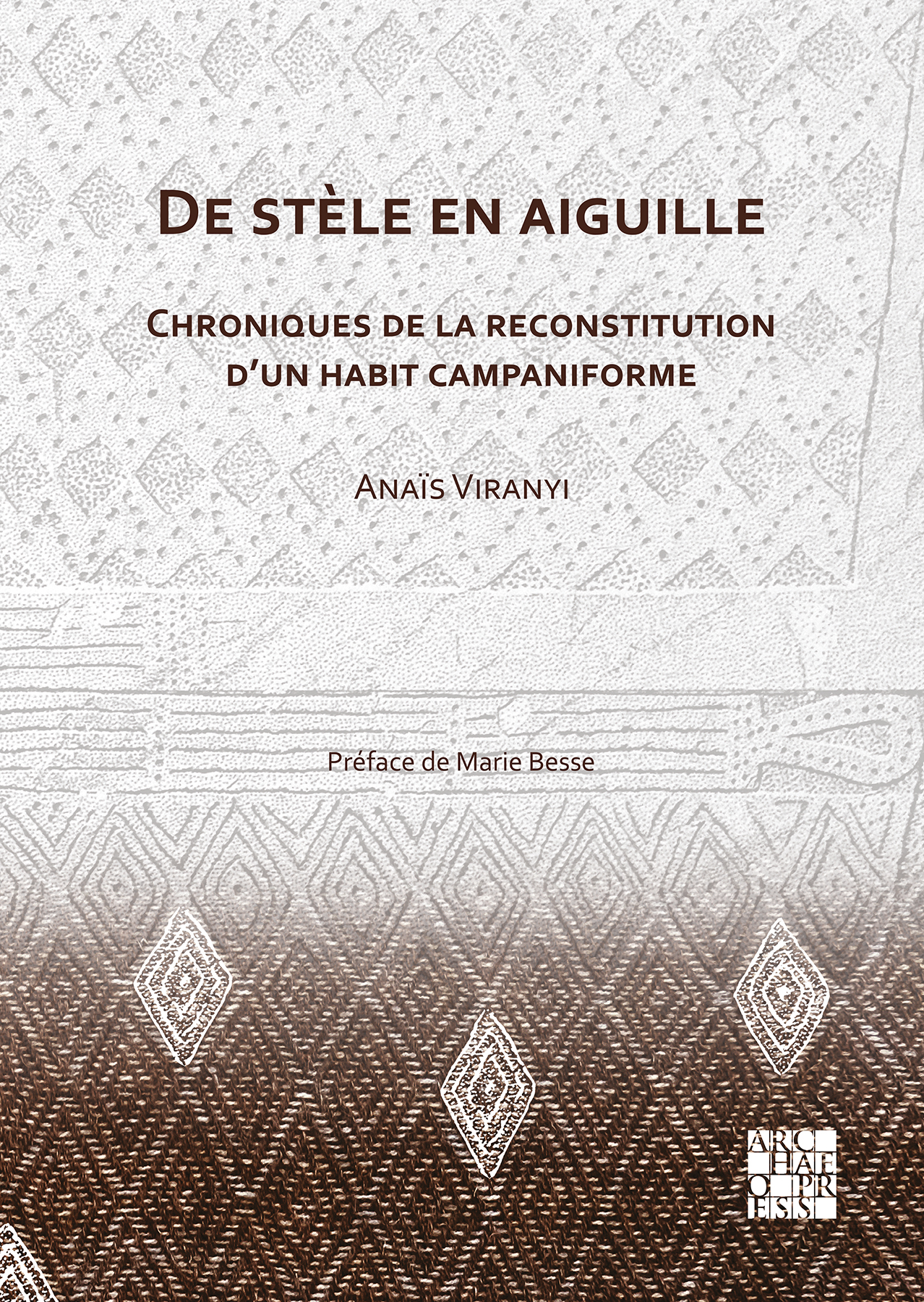
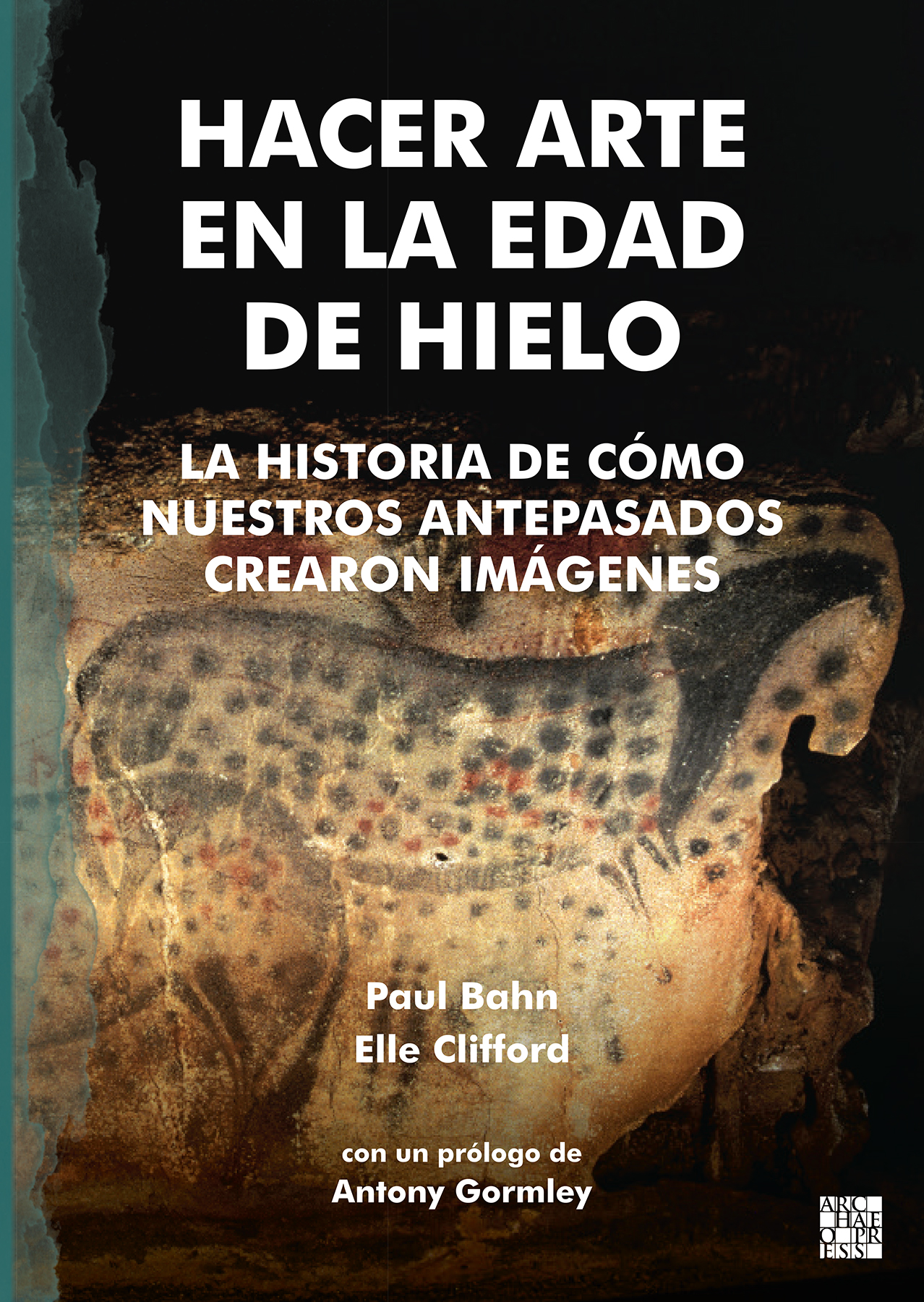

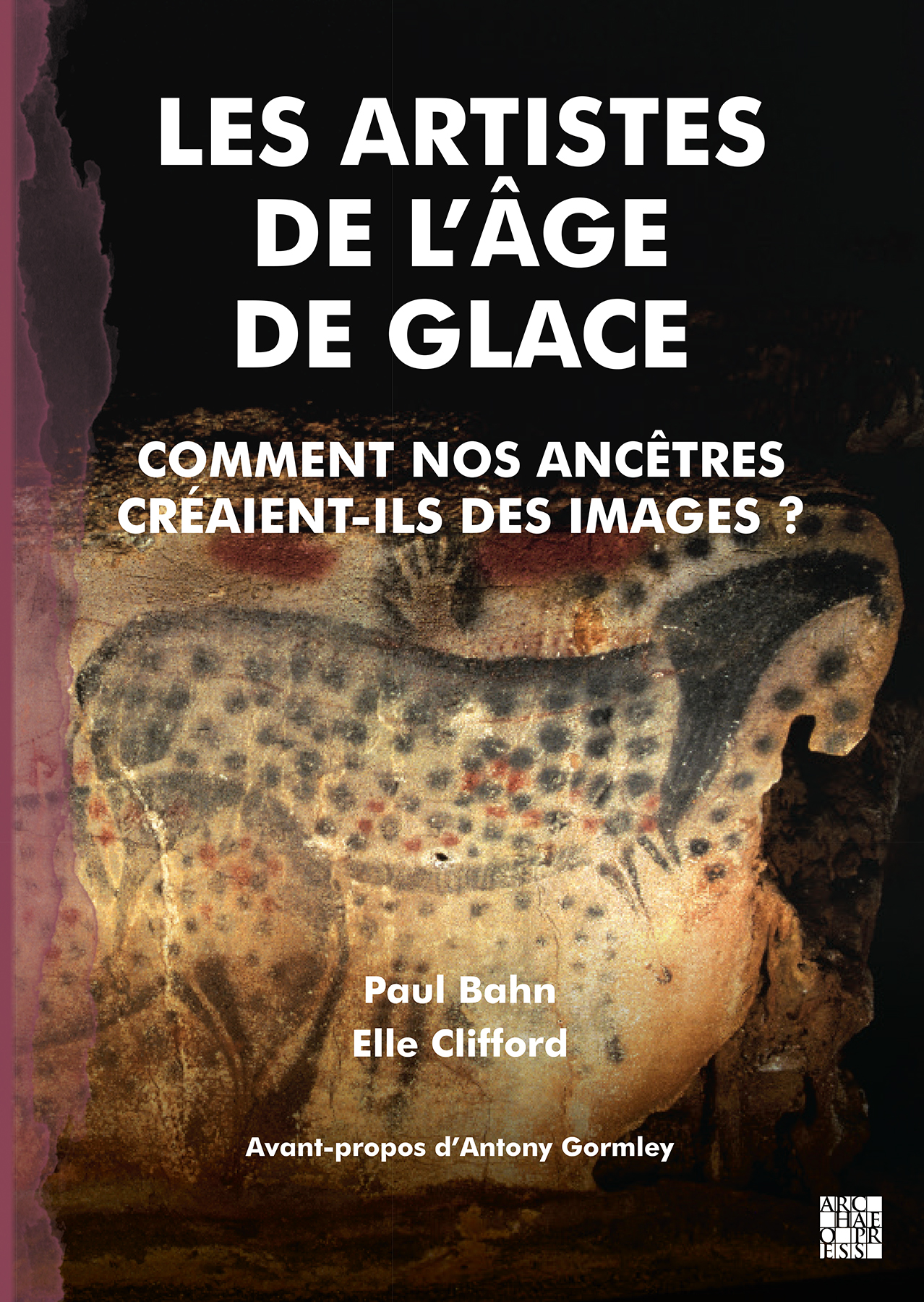
 Nuove scoperte e progressi nelle metodologie di rilievo e analisi dell’arte rupestre post-paleolitica in Italia
New discoveries and progress in the tracing and analysis methodologies of the post-Paleolithic rock art in Italy


 Aspects of the Bronze Age in the Atlantic Archipelago and Beyond
Proceedings from the Belfast Bronze Age Forum, 9–10 November 2013


 Eiszeit – Ice Age
Neue Ergebnisse zum Palaolithikum in Osterreich. New Results on the Palaeolithic in Austria
 From the Hunt to the Cave
Neanderthal Subsistence at Kulna Cave during the Middle Palaeolithic Taubachian Phase: Analyses of the Faunal Remains from Level 11
Volume 4


 Inheritance, Social Networks, Adaptation
Bronze and Early Iron Age Societies North of the Western Carpathians



 Offa’s Dyke Journal: Volume 6 for 2024
A Journal for Linear Monuments, Frontiers and Borderlands Research

 Rituals, Memory, and Societal Dynamics
Contributions to Social Archaeology: A Collection of Essays in Memory of Sharon Zuckerman
Volume 5
