
Iron and the Iron Age
The Introduction of Iron in Europe and Western Asia
By (author) Christopher Pare

Hardback (Published)
(May 2025)
ISBN: 9781805830009
8.07 x 11.42 inches
Price: $98.00
In stock
A comprehensive account of the adoption of ironworking in Europe and Western Asia, based on archaeological evidence alongside written sources from the Neat East. Southern Europe and the Near East are the focus, but the book also considers early ironworking in Central Europe, the North Pontic steppe and the regions north and south of the Caucasus.
Iron and the Iron Age presents a comprehensive account of the adoption of ironworking in Europe and Western Asia. The study is mainly based on archaeological evidence, but the early introduction of iron in the Near East also takes account of the written sources. After the fundamental innovation of iron production by smelting iron ores, iron use spread at an ever-increasing rate between the 12th and 9th centuries BC – eventually reaching a vast area between the Atlantic coast in the west and the North China Plain in the east. The book mainly concentrates on the adoption of iron in the Near East and southern Europe, but also includes discussions of early ironworking in Central Europe, the North Pontic steppe and the regions north and south of the Caucasus. The changing conceptualization of bronze and iron is another theme which receives detailed attention. In the final part of the book, the study turns to the concept of an ‘Iron Age’, and the fundamental culture-historical disjunctions and transformations which can be observed in many regions at the time of the introduction of iron.
Acknowledgements Chapter 1. Introduction Iron and the production process The archaeological sources: problems and potential Technological innovation and social context Notes on the structure of the book Chapter 2. The Near East Evidence from textual sources during the 2nd millennium BC Earlier archaeological evidence (ca. 20th - 13th century BC) Later archaeological evidence (ca. 13th - 10th century BC) Discussion and conclusions Chapter 3. Cyprus Iron in Late Cypriot IIIA Iron in Late Cypriot IIIB Iron in Cypro-Geometric I Discussion and conclusions Chapter 4. The Aegean Iron before 1200 BC The 12th and the first half of the 11th century BC The second half of the 11th and the early 10th century BC The 10th century BC Discussion and conclusions Chapter 5. The eastern Balkan Peninsula Knobbed, fluted and stamped pottery Selected early iron artefacts Discussion and conclusions Chapter 6. The area north of the Black Sea The Bilozerka culture The Hordiivka cemetery Cultures between the Dnister and the Carpathians The Chernoles and Bondarikha cultures of the forest steppe Discussion and conclusions Chapter 7. The Caucasus South of the Caucasus North of the Caucasus Chapter 8. The central and western Balkan Peninsula Albania, Dalmatia and Istria Slovenia Bosnia-Hercegovina and central and northern Croatia The central Balkans Bronze and iron in hoard depositions Bronze and iron in the manufacture of swords, dirks and daggers Discussion and conclusions Chapter 9. The Carpathian Basin and the wider European context of the introduction of iron Notes on early iron in Transylvania and the Banat The earliest iron in the Carpathian Basin and the area north of the Alps Iron in the late Urnfield period: utilitarian implements and status symbols Hoard deposition in the Carpathian Basin and the Bronze/Iron transition Crisis and system collapse in the Carpathian Basin The demise of the Standard Bronze value system Discussion and conclusions Chapter 10. Italy Southern Italy Sicily Sardinia Central Italy Northern Italy Discussion and conclusions Chapter 11. The Iberian Peninsula and the Balearic Islands The Villena Treasure Phoenician traders and the first colonial foundations The introduction of iron in Portugal The introduction of iron in Spain Discussion and conclusions Chapter 12. Conclusions Frequently occurring forms of artefacts during the early stages of the adoption of iron Summary of the main trends in the introduction of iron Iron and the Iron Age Concluding remarks and perspectives for future research References,
Acknowledgements
Chapter 1. Introduction
Iron and the production process
The archaeological sources: problems and potential
Technological innovation and social context
Notes on the structure of the book
Chapter 2. The Near East
Evidence from textual sources during the 2nd millennium BC
Earlier archaeological evidence (ca. 20th – 13th century BC)
Later archaeological evidence (ca. 13th – 10th century BC)
Discussion and conclusions
Chapter 3. Cyprus
Iron in Late Cypriot IIIA
Iron in Late Cypriot IIIB
Iron in Cypro-Geometric I
Discussion and conclusions
Chapter 4. The Aegean
Iron before 1200 BC
The 12th and the first half of the 11th century BC
The second half of the 11th and the early 10th century BC
The 10th century BC
Discussion and conclusions
Chapter 5. The eastern Balkan Peninsula
Knobbed, fluted and stamped pottery
Selected early iron artefacts
Discussion and conclusions
Chapter 6. The area north of the Black Sea
The Bilozerka culture
The Hordiivka cemetery
Cultures between the Dnister and the Carpathians
The Chernoles and Bondarikha cultures of the forest steppe
Discussion and conclusions
Chapter 7. The Caucasus
South of the Caucasus
North of the Caucasus
Chapter 8. The central and western Balkan Peninsula
Albania, Dalmatia and Istria
Slovenia
Bosnia-Hercegovina and central and northern Croatia
The central Balkans
Bronze and iron in hoard depositions
Bronze and iron in the manufacture of swords, dirks and daggers
Discussion and conclusions
Chapter 9. The Carpathian Basin and the wider European context of the introduction of iron
Notes on early iron in Transylvania and the Banat
The earliest iron in the Carpathian Basin and the area north of the Alps
Iron in the late Urnfield period: utilitarian implements and status symbols
Hoard deposition in the Carpathian Basin and the Bronze/Iron transition
Crisis and system collapse in the Carpathian Basin
The demise of the Standard Bronze value system
Discussion and conclusions
Chapter 10. Italy
Southern Italy
Sicily
Sardinia
Central Italy
Northern Italy
Discussion and conclusions
Chapter 11. The Iberian Peninsula and the Balearic Islands
The Villena Treasure
Phoenician traders and the first colonial foundations
The introduction of iron in Portugal
The introduction of iron in Spain
Discussion and conclusions
Chapter 12. Conclusions
Frequently occurring forms of artefacts during the early stages of the adoption of iron
Summary of the main trends in the introduction of iron
Iron and the Iron Age
Concluding remarks and perspectives for future research
References
- By (author) Christopher Pare
‘Taken as a whole, the volume stands out as a highly detailed and comprehensive study that systematically brings together the current state of research on the introduction of iron in various regions and possesses a distinct handbook character, making it an indispensable reference work for students and researchers alike.’ – Enrico Lehnhardt (2026): Antiquity Vol. 100
—
Similar Books


 Colour Concept “Secoli bui” a colori
Codici cromatici e architetture dipinte nell’età tardoantica e medievale
 Connecting the Dots: Counting, Writing, and the Beginnings of Civilization
The Secret Lives of Clay Tokens: A Memoir
 Crossing Disciplines in the Study of Archaeology and Prehistoric Art: Insights from the Sahara and Mediterranean Africa
Proceedings of the XX UISPP World Congress (5–9 September 2023, Timișoara, Romania) Volume / Session 18
 Crossing Sacred Landscapes
Contacts and Continuities in the Desert Cults and Beliefs of Ancient Northern Arabia and the Arid Southern Levant
 Cuneiform Artefacts from Archaeological Contexts: New Research on Ancient Iraq
Proceedings of a Conference Held at the Bavarian Academy of Sciences and Humanities, July 4–5, 2024
Volume 2


 Exploring Prehistoric Pottery in Japan
A Study of Organic Inclusions, Adhering Materials, and Impressions of Woven Items

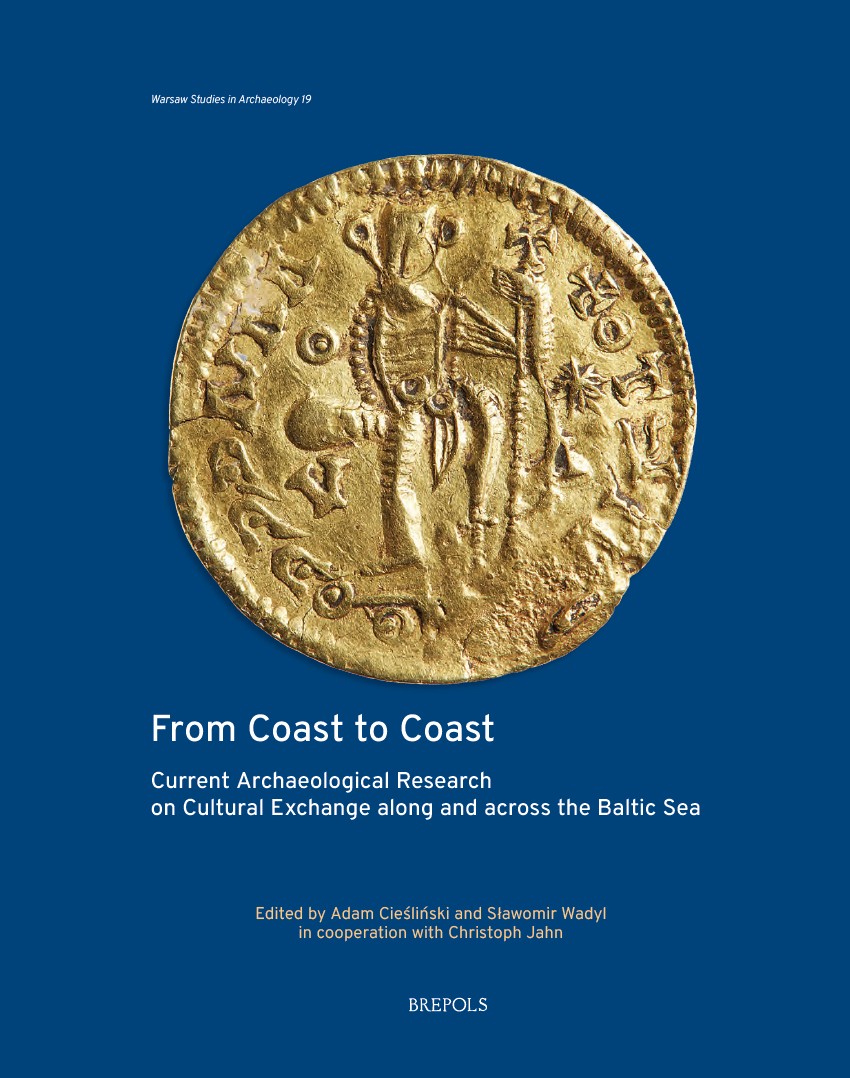 From Coast to Coast
Current Archaeological Research on Cultural Exchange along and across the Baltic Sea
Volume 19

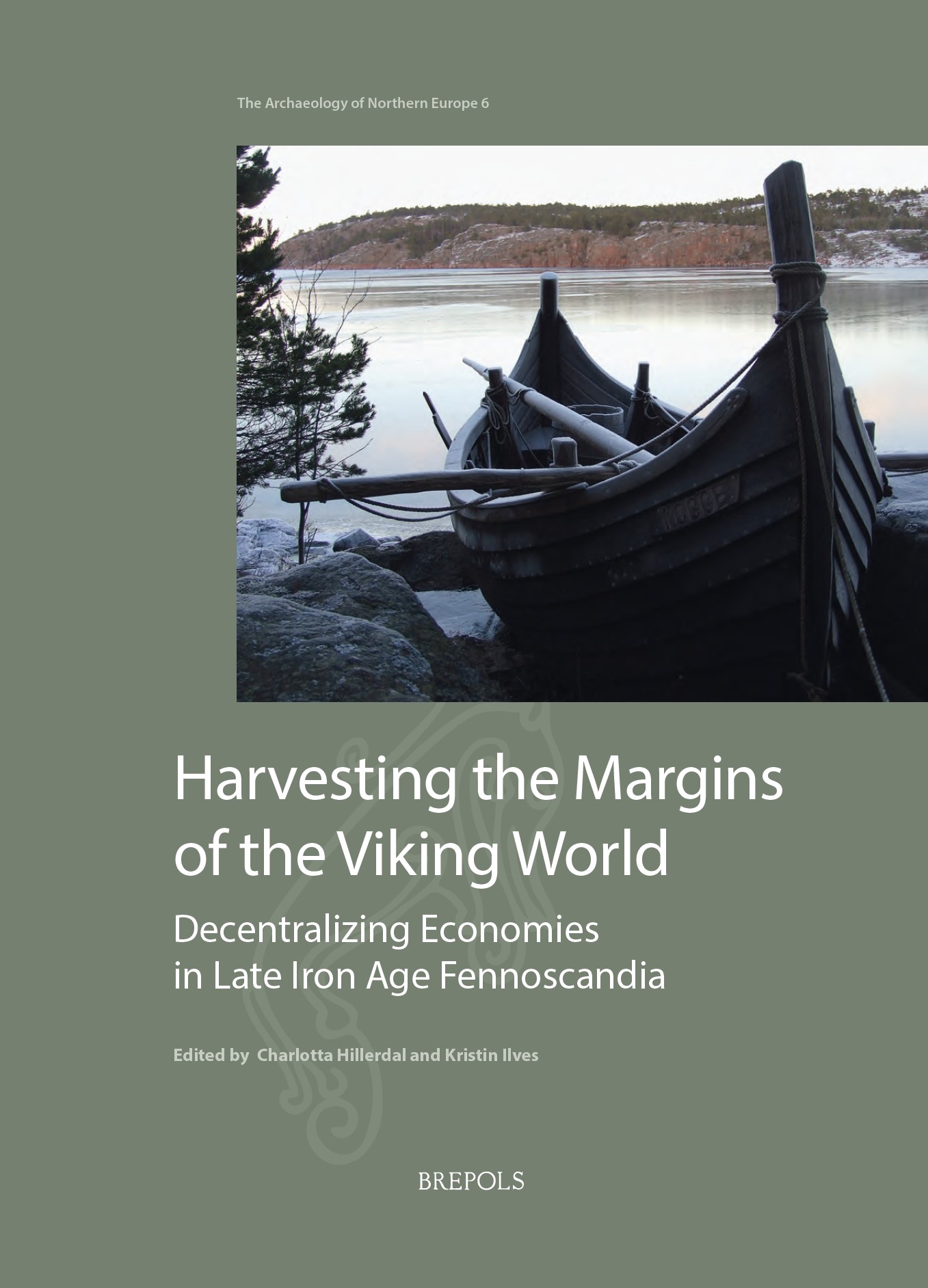 Harvesting the Margins of the Viking World
Decentralizing Economies in Late Iron Age Fennoscandia
Volume 6
 Ḫattušaš utnē išḫameški
Hittite and Other Ancient Near Eastern Studies Presented to Piotr Taracha on the Occasion of His 65th Birthday


 Linguistic and Cultural Dynamics in a Frontier Society
New Perspectives on Northeastern Bavaria and Western Bohemia in the Early Middle Ages
Volume 9

 Making and Meaning in the Bronze and Iron Ages
Chronology, Landscapes and Societies across Europe. Proceedings from the METALAGES2024 Colloquium (Florence, 23 October 2024)
 Medieval Yeghegis, Armenia
History, Archaeology, Society. Local Multiplicities and Global Connections of a Rural Centre on the Silk Road(s)


 New Research on Old Collections in Southwest Asian Archaeology
Proceedings of the Workshop Held at the British Museum, London, 31 July – 2 August, 2023


 Old Aramaic Inscriptions and their Contexts
An Epigraphic, Archaeological, and Historical Synthesis
Volume 63


 Promoting the Profession
Papers in Honour of Peter Hinton Director of the Chartered Institute for Archaeologists 1997-2025