
Die Urkunden Friedrichs II.
Teil 5: 1222-1226
by Klaus Hoflinger, prepared for publication by Walter Koch

English summary: This fifth volume of documents from the reign of Frederick II covers the diplomas and mandates from September 1222 to June 1226. 270 documents and a supplement to the first volume show the entire spectrum of imperial rule: in addition to recipients and beneficiaries from Germany and the “Regnum Arelatense,” recipients from the kingdom of Sicily and northern Italy are mainly found. During this period of increasing consolidation, the ceremonious privilege was developed, the highest form of which was to remain binding until the end of the Emperor’s reign. Since December 1225, after his marriage to Isabella, heir to the Kingdom of Jerusalem, Frederick II held the title of “Romanorum imperator semper augustus, Ierusalem et Sicilie rex.” His actions as emperor were determined not only by the incipient confrontation with the northern Italian communities but above all by the conflict with Pope Honorius III. A number of documents are of outstanding importance and also of interest to non-specialists in the history of the Staufer dynasty, such as the foundation of the University of Naples in June 1224 (D 1079), the Lubeck free imperial city letters patent of May 1226 (D 1169), and gold bulla of Rimini for the Teutonic Order, which bears the date of March 1226 (D 1158). Both of the latter were issued in duplicate and theirs originals still exist today. German description: Der funfte Band der Urkunden Friedrichs II. umfasst die Diplome und Mandate von September 1222 bis zum geplanten Hoftag von Cremona im Juni 1226. Dieser Teilband mit 270 Urkunden und einem Nachtrag zum ersten Band zeigt die gesamte Bandbreite der kaiserlichen Herrschaft: Neben Empfangern und Begunstigten aus Deutschland und dem “Regnum Arelatense” finden sich vor allem Empfanger aus dem Konigreich Sizilien und Norditalien. In dieser Zeit der sich zusehends konsolidierenden Kanzlei wird die Form des feierlichen Privilegs entwickelt, wie sie in ihrer hochsten Ausformung bis zum Ende der Herrschaft des Kaisers verbindlich bleiben sollte. Seit Dezember 1225 fuhrte Friedrich II. nach seiner Heirat mit Isabella, der Erbin des Konigreichs Jerusalem, den Titel eines “Romanorum imperator semper augustus, Ierusalem et Sicilie rex”. Sein Handeln als Kaiser wurde neben der beginnenden Konfrontation mit den norditalienischen Kommunen vor allem durch die Auseinandersetzungen mit Papst Honorius III. bestimmt. Eine Reihe von Urkunden ist von herausragender Bedeutung und auch fur Nichtspezialisten in der Geschichte des Staufers von Interesse, etwa die Grundung der Universitat von Neapel von Juni 1224 (D 1079), der Lubecker Reichsfreiheitsbrief von Mai 1226 (D 1169) und die in der Forschung umstrittene Goldbulle von Rimini fur den Deutschen Orden, die das Datum Marz 1226 tragt (D 1158). Die beiden Letzteren sind jeweils in Doppelausfertigung ausgestellt und heute noch im Original erhalten.
- By (author) Klaus Hoflinger
- Prepared for publication by Walter Koch
Other Titles in this Series


 Die Urkunden Philipps von Schwaben
Bearbeitet von Andrea Rzihacek und Renate Spreitzer. Unter Mitwirkung von Brigitta Merta und Christine Ottner-Diesenberger. Und unter Verwendung von Vorarbeiten von Paul Zinsmaier () und Rainer Maria Herkenrath
Volume 12
 Die Urkunden Friedrichs II.
Teil 4: 1220-1222. Bearbeitet von Walter Koch, unter Mitwirkung von Klaus Hoflinger, Joachim Spiegel und Christian Friedl
Volume 14.4
Similar Books


 Innovation and Medieval Communities
The Circulation of Ideas and Practices in and out of the Town (1200-1500)
Volume 63

 Medieval Debates on Foreknowledge: Future Contingents, Prophecy, and Divination
Acts of the XXVII Annual Colloquium of the SIEPM, Trento 12-15 September 2023
Volume 31

 Medieval Yeghegis, Armenia
History, Archaeology, Society. Local Multiplicities and Global Connections of a Rural Centre on the Silk Road(s)

 Nicholas of Lyra’s Commentaries on the Gospels of Matthew and Luke
Franciscan Exegesis in a Time of Crisis



 Power and Women in Southeast and Central Europe in Late Medieval and Early Modern Period (1300-1600)
Volume 10

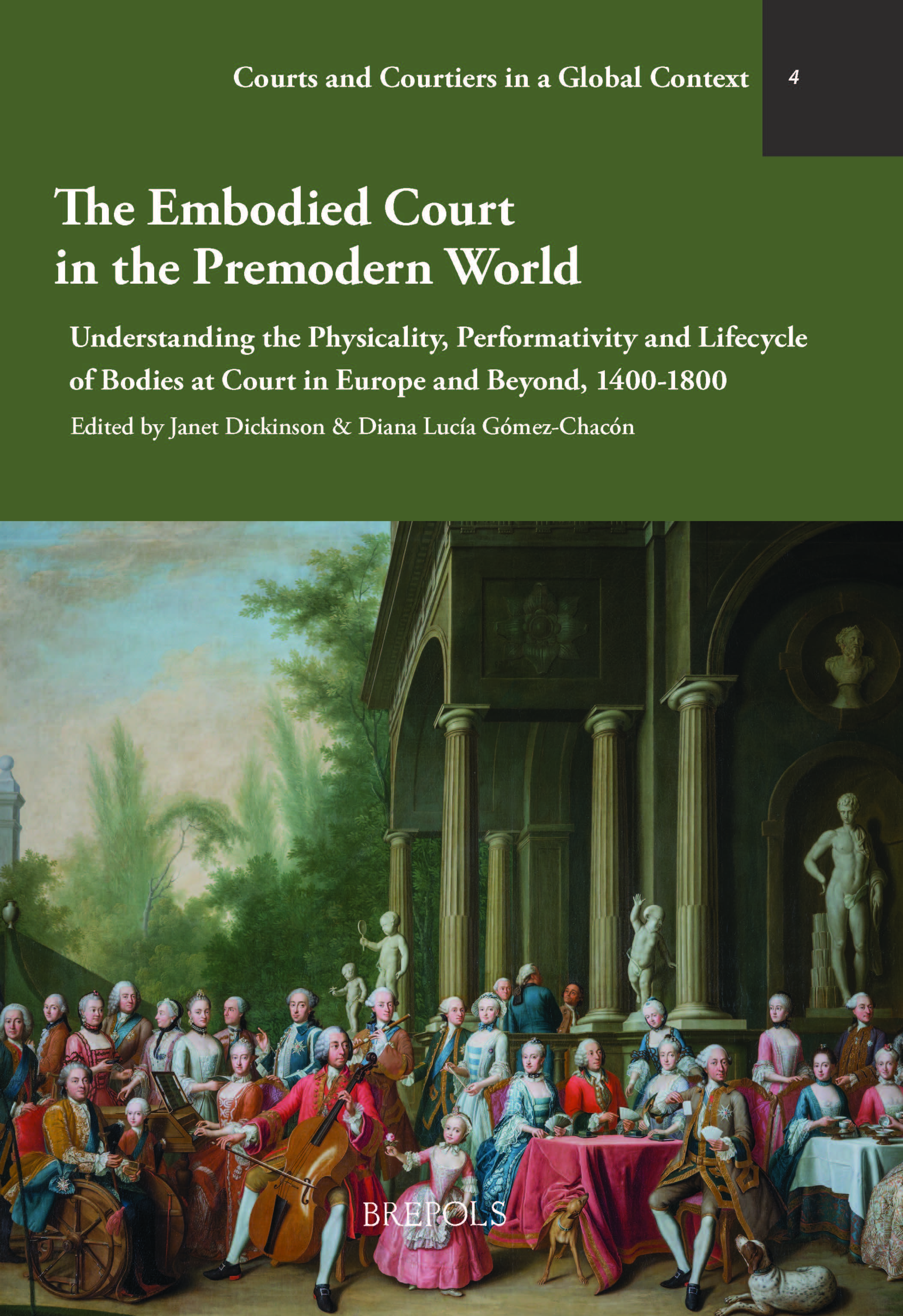 The Embodied Court in the Premodern World
Understanding the Physicality, Performativity and Lifecycle of Bodies at Court in Europe and Beyond, 1400-1800
Volume 4


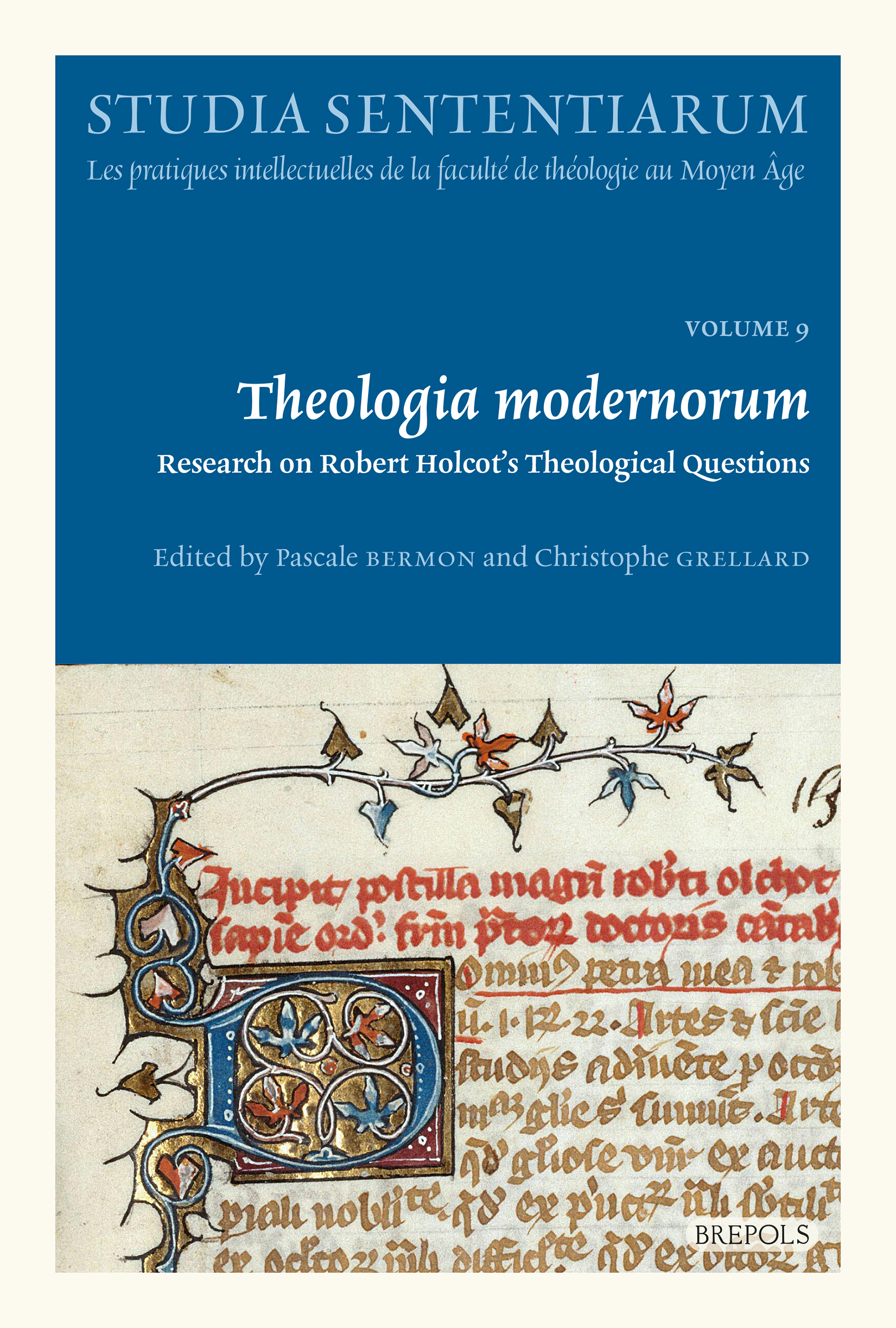

 Women in Late Antiquity and the Early Middle Ages
Studies from Western Europe and North Africa
Volume 44
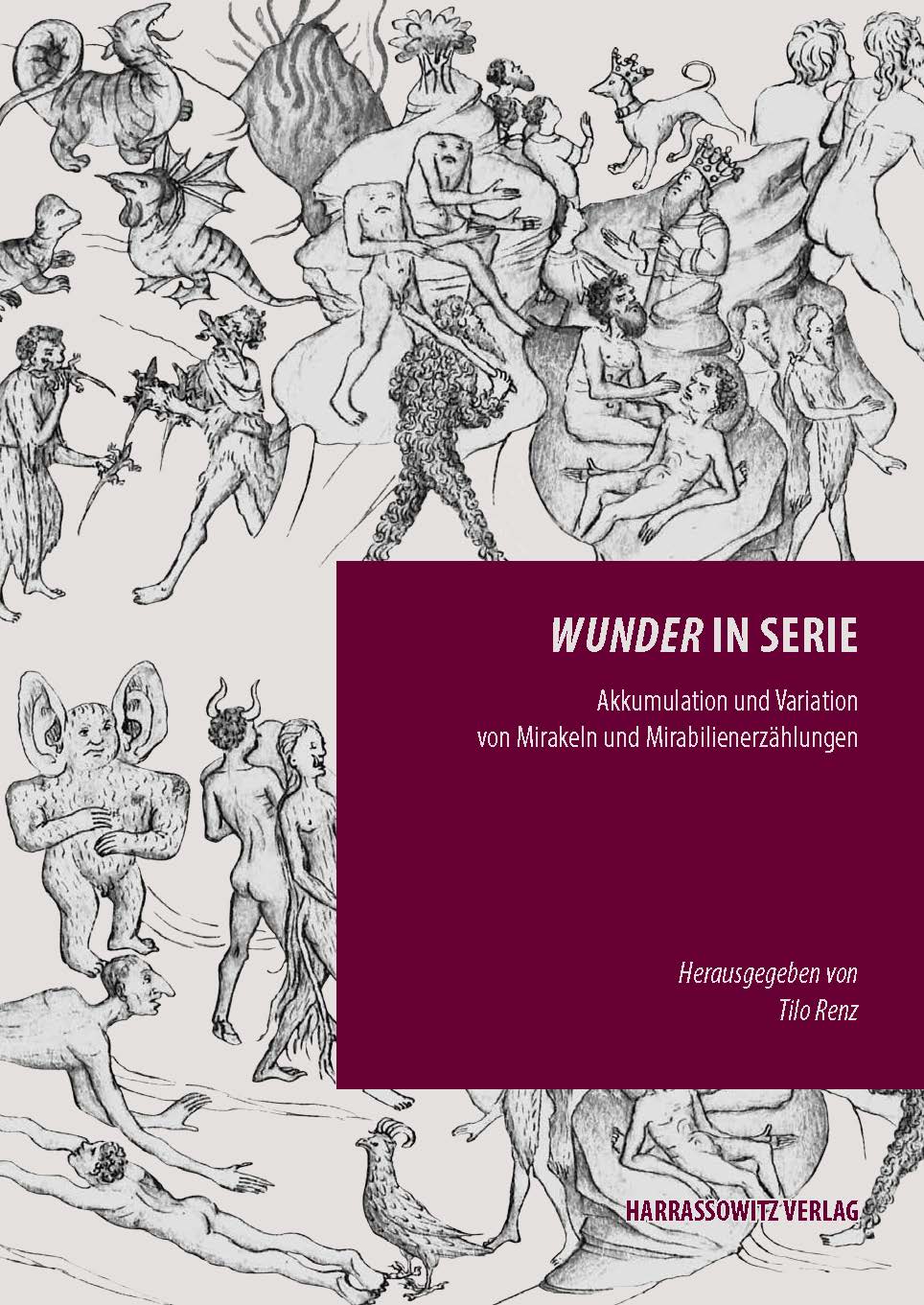 wunder in Serie


 Medialisierung des Ephemeren
Dimensionen des Akustischen in Texten, Bildern und Artefakten des Mittelalters
 Un fascicolo di prediche pistoiesi del 1233. (Pistoia, Archivio Capitolare, C.112)
A cura di Gilda P. Mantovani, Marco Petoletti e Riccardo Saccenti
Volume 556


 Building the Presence of the Prince
The Institutions Responsible for the Construction and Management of the Buildings of European Courts (14th-17th centuries)
Volume 14