The Neolithic Lithic Industry at Tell Ain El-Kerkh
By (author) Makoto Arimura

Paperback (Published)
(April 2020)
ISBN: 9781789694567
8.07 x 11.46 inches
Price: $84.00
In stock
This book presents the first attempt to unveil the Neolithisation process in northwest Syria, with the techno-typological studies of the flintstone implements from Tell Ain el-Kerkh in the Rouj basin in Idlib, an important large Neolithic site occupied from the from the 9th to the 7th millennium BC.
Northwest Syria during the Neolithic period has been less well studied than the rest of the northern Levant, where Neolithisation first took place in the Near East. The Neolithic Lithic Industry at Tell Ain El-Kerkh presents the first attempt to unveil the Neolithisation process in northwest Syria, with the techno-typological studies of the flintstone implements from Tell Ain el-Kerkh in the Rouj basin in Idlib, which was an important large Neolithic site occupied from the from the 9th to the 7th millennium BC. Examination of the lithic record from Tell Ain el-Kerkh revealed techno-morphological changes in flint tools during the long Neolithic sequence from the Early Pre-Pottery Neolithic B (PPNB) to the end of the Pottery Neolithic. The author interprets such changes in stone tools in the socio-economic context of the Neolithic. Through the comparison between the data obtained from Tell Ain el-Kerkh and other Neolithic sites in the northern Levant, the regional characteristics of northwest Syria during the Neolithic period are highlighted. In the end, two important issues in the Neolithic Levant, diffusion of the PPNB culture and the PPNB collapse, are discussed based on the results of this study. This volume includes substantial original data, drawings, and analysis of lithics from Neolithic sites in Syria, which will be useful for future discussion of the changes in material culture in relation with the Neolithisation process in the Near East.
List of Figures, Tables and Plates Acknowledgements Introduction 1. The research subject 2. Organisation of the research 3. Illustrations Chapter I: The research framework 1. Neolithisation of the northern Levant 2. Neolithisation of north-western Syria Chapter II: Methodology 1. The subject of analysis 2. Methodological framework: Reconstitution of the operational sequence in lithic production 3. Analytical method Chapter III: The lithic industries of the Pre-Pottery and the Pottery Neolithic at Tell Ain el-Kerkh 1. The collections 2. Raw material for the lithic industry at Tell Ain el-Kerkh and geological surveys for flint research 3. The lithic industry of the Rouj 1a period 4. Lithic industry of layer 6 5. The lithic industry of the Rouj 1c period 6. The lithic industry from the Rouj 2a/2b period 7. The lithic industries of the later periods of the Pottery Neolithic 8. Discussion: Development of the lithic industries at Tell Ain el-Kerkh during the Neolithic Chapter IV: Comparative analysis of lithic materials from other sites in Syria 1. Tell Riz 2. Qastun 3. Slenfe 4. Tell el-Kerkh 2 5. Tell Ain Dara III 6. Dja'de el Mughara, sector SB Chapter V: Comparative study of published data from other Neolithic sites in the northern Levant 1. Sites of the Early PPNB (the 9th millennium cal. BC) 2. Sites of the Middle PPNB (first half of the 8th millennium cal. BC) 3. Sites of the Late PPNB (second half of the 8th millennium cal. BC) 4. Sites of the Beginning of the Pottery Neolithic or Final PPNB (first half of the 7th millennium BC) Chapter VI: General conclusion 1. Synthesis: Development of Neolithic lithic industries in the northern Levant 2. Reflections on the system of lithic production during the PPNB in the northern Levant in a socio-economic context 3. Emergence and diffusion of the PPNB culture 4. The end of the PPNB culture: Was the 'PPNB collapse' a general phenomenon? Appendix: Plates Bibliography, List of Figures, Tables and Plates ;
Acknowledgements ;
Introduction ;
1. The research subject ;
2. Organisation of the research ;
3. Illustrations ;
Chapter I: The research framework ;
1. Neolithisation of the northern Levant ;
2. Neolithisation of north-western Syria ;
Chapter II: Methodology ;
1. The subject of analysis ;
2. Methodological framework: Reconstitution of the operational sequence in lithic production ;
3. Analytical method ;
Chapter III: The lithic industries of the Pre-Pottery and the Pottery Neolithic at Tell Ain el-Kerkh ;
1. The collections ;
2. Raw material for the lithic industry at Tell Ain el-Kerkh and geological surveys for flint research ;
3. The lithic industry of the Rouj 1a period ;
4. Lithic industry of layer 6 ;
5. The lithic industry of the Rouj 1c period ;
6. The lithic industry from the Rouj 2a/2b period ;
7. The lithic industries of the later periods of the Pottery Neolithic ;
8. Discussion: Development of the lithic industries at Tell Ain el-Kerkh during the Neolithic ;
Chapter IV: Comparative analysis of lithic materials from other sites in Syria ;
1. Tell Riz ;
2. Qastun ;
3. Slenfe ;
4. Tell el-Kerkh 2 ;
5. Tell Ain Dara III ;
6. Dja’de el Mughara, sector SB ;
Chapter V: Comparative study of published data from other Neolithic sites in the northern Levant ;
1. Sites of the Early PPNB (the 9th millennium cal. BC) ;
2. Sites of the Middle PPNB (first half of the 8th millennium cal. BC) ;
3. Sites of the Late PPNB (second half of the 8th millennium cal. BC) ;
4. Sites of the Beginning of the Pottery Neolithic or Final PPNB (first half of the 7th millennium BC) Chapter VI: General conclusion ;
1. Synthesis: Development of Neolithic lithic industries in the northern Levant ;
2. Reflections on the system of lithic production during the PPNB in the northern Levant in a socio-economic context ;
3. Emergence and diffusion of the PPNB culture ;
4. The end of the PPNB culture: Was the ‘PPNB collapse’ a general phenomenon? ;
Appendix: Plates ;
Bibliography
Makoto Arimura is a professor at Tokai University, Japan. He obtained his undergraduate degree in archaeology (1995) from the University of Tsukuba, Japan, under Professor Akira Tsuneki, and his PhD in archaeology (2007) from the Université Lumière Lyon 2, France, under Professor Olivier Aurenche and Dr Éric Coqueugniot. After a project assistant post at the Research Institute for Humanity and Nature (RIHN), Kyoto (2006), he worked at the Tokyo National Research Institute for Cultural Properties (NRICP) as a research fellow (2007–2012). He taught at Kanazawa University as an associate professor in museology (2013–2016). Arimura has participated in the excavation of Near Eastern prehistoric sites such as Tell el-Kerkh and Dja’de el-Mughara, Syria. His primary research topic is the transformation of human society during Neolithisation, through changes in material culture, particularly the transition of stone tool manufacturing technology in the Neolithic Near East.
- By (author) Makoto Arimura
Other Titles in this Series

Similar Books





 Boğazköy Tablets in the Museum of Anatolian Civilizations (Bo 9032–Bo 9097)
Anadolu Medeniyetleri Müzesinde Bulunan Boğazköy Tabletleri (Bo 9032–Bo 9097)
Volume 4
 Connecting the Dots: Counting, Writing, and the Beginnings of Civilization
The Secret Lives of Clay Tokens: A Memoir

 Curating the Prehistoric Past
Studies on West Asian Archaeology and Beyond in Honour of Yoshihiro Nishiaki

 Exploring Gender Dynamics across the Ancient Near East
Collected Essays of Gender and Methodology in the Ancient Near East (GeMANE) 4 and 5
Volume 7


 Ḫattušaš utnē išḫameški
Hittite and Other Ancient Near Eastern Studies Presented to Piotr Taracha on the Occasion of His 65th Birthday




 Kultur – Kontakt – Kultur
Beiträge anlässlich der 66. Rencontre Assyriologique Internationale in Frankfurt/Main und Mainz, 25.–29. Juli 2022
Volume 35
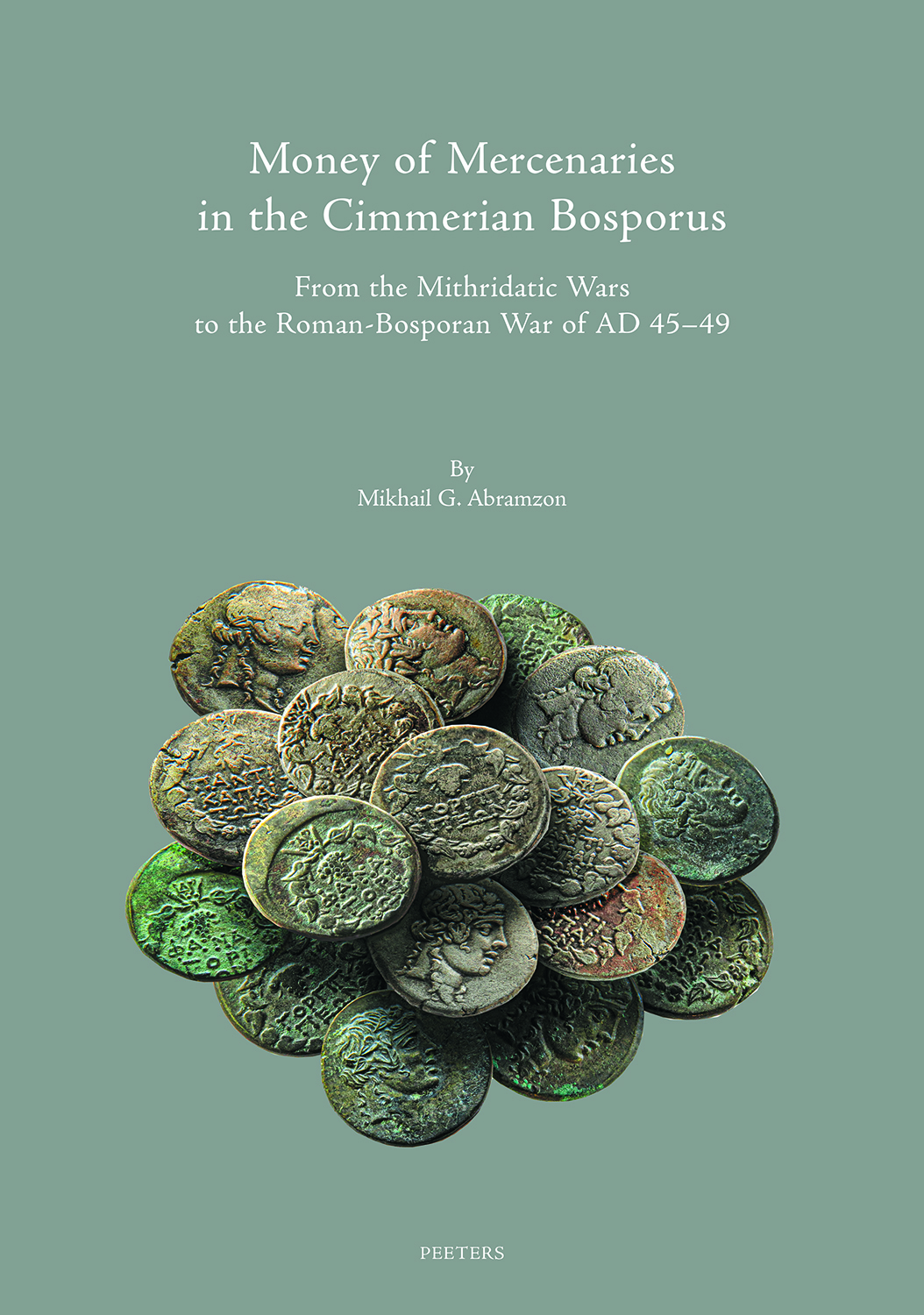 Money of Mercenaries in the Cimmerian Bosporus
From the Mithridatic Wars to the Roman-Bosporan War of AD 45-49
Volume 45

 New Research on Old Collections in Southwest Asian Archaeology
Proceedings of the Workshop Held at the British Museum, London, 31 July – 2 August, 2023
 Old Aramaic Inscriptions and their Contexts
An Epigraphic, Archaeological, and Historical Synthesis
Volume 63

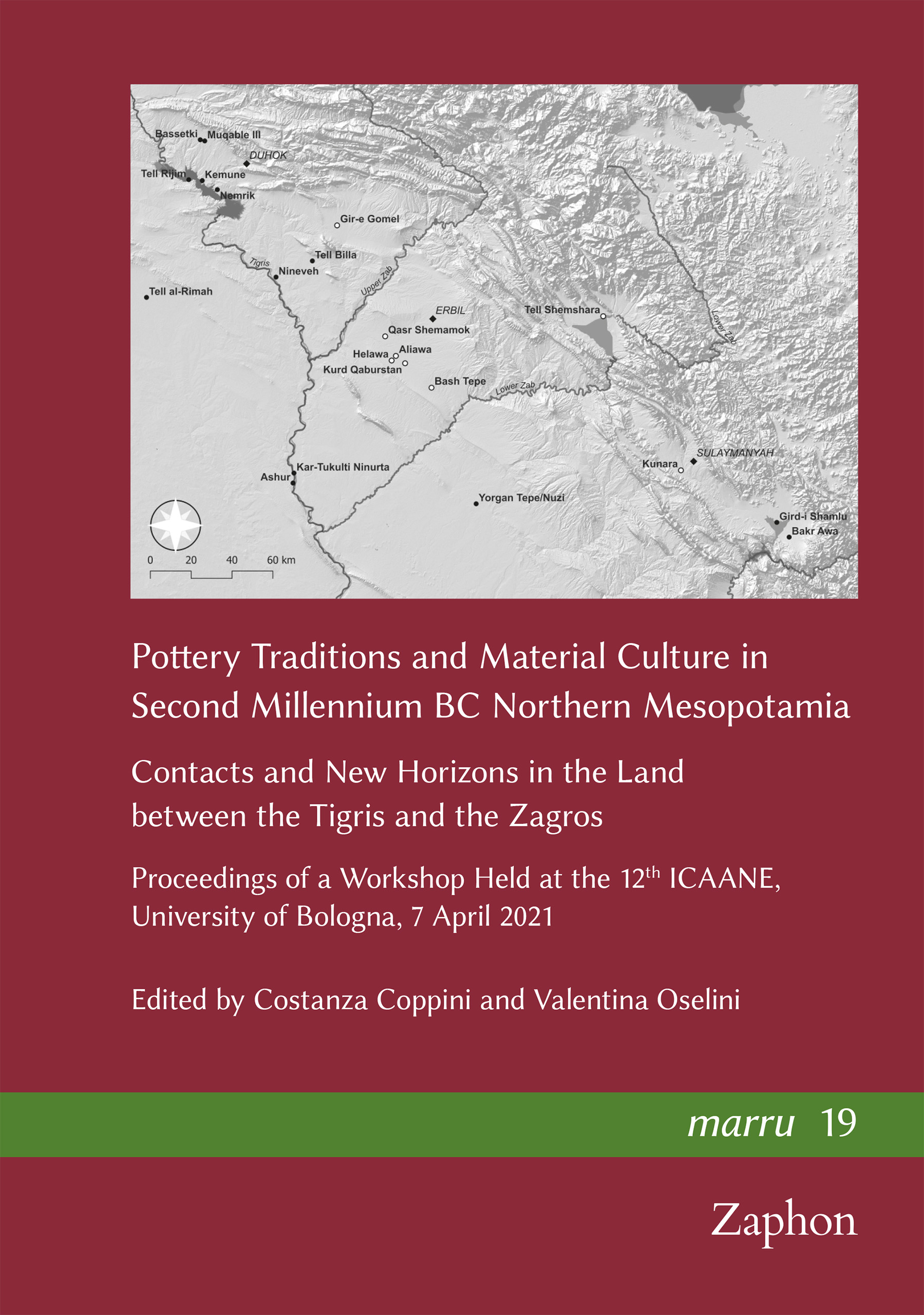 Pottery Traditions and Material Culture in Second Millennium BC Northern Mesopotamia
Contacts and New Horizons in the Land between the Tigris and the Zagros. Proceedings of a Workshop Held at the 12th ICAANE, University of Bologna, 7 April 2021
Volume 19
 Punning in Odd or Elegant Constructions in Jeremiah
The Convergence of Linguistics, Rhetoric, and Textuality in the Hebrew Text of Jeremiah

 Sertorius, the Exiles of the Sullan Regime and the Provinces of the Empire
Legitimacy, Morality and Imperial Discourse in the 70s BCE
 Shame in the Worlds of the Hebrew Bible and Akkadian Texts
A Linguistic Study and Its Implications
Volume 33

 Telling Contexts
Archaeological and Textual Studies in Honor of Elizabeth Bloch-Smith and Mark S. Smith
 The Body
Lived, Cultured, Adorned: Essays on Dress and the Body in the Bible and Ancient Near East in Honor of Nili S. Fox
 The Discourse of Rites
Shaping and Reshaping the (Counter-)Priestly Rituals Conducted Outside the Tabernacle
 The Kingdom of Kizzuwatna: Recent Developments in Research
Proceedings of the Third NINO Postdoctoral Research Fellow Annual Conference, Leiden, 23rd-25th March 2023
Volume 137