The Neolithic Cemetery at Tell el-Kerkh
Edited by Akira Tsuneki Edited by Naoko Hironaga Edited by Sari Jammo Contributions by Sean P. Dougherty Contributions by Ken-ichiro Hisada Contributions by Yuko Miyauchi Contributions by Yuki Tatsumi Contributions by Minoru Yoneda Contributions by Yu Itahashi

Paperback (Published)
(February 2022)
ISBN: 9781803270265
8.07 x 11.46 inches
Price: $75.00
In stock
The Neolithic Cemetery at Tell el-Kerkh is the second volume of the final reports on the excavations at Tell el-Kerkh, northwest Syria, focusing on the discovery of a Pottery Neolithic cemetery dating between c. 6400 and 6100 BC, one of the oldest outdoor communal cemeteries in West Asia.
The Neolithic Cemetery at Tell el-Kerkh is the second volume of the final reports on the excavations at Tell el-Kerkh, northwest Syria. The 12-year field campaigns at Tell el-Kerkh yielded several unexpected archaeological findings. The existence of the oldest cultural deposits from the early Pre-Pottery Neolithic B period (c. 8700-8300 BC) in northwestern Syria was revealed. The investigations also revealed that several large and complex societies had existed from the late Pre-Pottery Neolithic B to the middle Pottery Neolithic periods (c. 7600-6000 BC). One of the most conspicuous findings of the excavations at Tell el-Kerkh was the discovery of a Pottery Neolithic cemetery dating between c. 6400 and 6100 BC, which makes it one of the oldest outdoor communal cemeteries in West Asia. This book focuses specifically on this cemetery. It reports the discovery of over 240 burials and discusses the process of the formation and development of the cemetery. Initially used for traditional house burials in a corner of the settlement, the cemetery eventually became a graveyard that was physically separated from the residential buildings and consisted only of graves. In other words, burials that were deeply related to each house developed into an outdoor communal cemetery of the settlement. The Kerkh Neolithic cemetery was a precursor to the wider development of communal cemeteries in West Asia, and its investigation provides us with a deeper understanding of Neolithic society in West Asia.
Chapter 1: Introduction - Akira Tsuneki Chapter 2: Geological Conditions of Tell el-Kerkh - Ken-ichiro Hisada Chapter 3: The Tell el-Kerkh Site and Stratigraphy - Akira Tsuneki Chapter 4: Burial Types and the Transition of Kerkh Cemetery - Sari Jammo Chapter 5: Burial Catalogue of Kerkh Cemetery - Akira Tsuneki, Naoko Hironaga, Sari Jammo, Yuko Miyauchi and Yuki Tatsumi Chapter 6: The Human Remains of Tell el-Kerkh - Sean P. Dougherty Chapter 7: Radiocarbon Dating at Tell el-Kerkh - Yu Itahashi and Minoru Yoneda Chapter 8 (Discussion 1): Body Transformation: Skull Retrieval, Manipulation and Circulation of Human Remains at Kerkh Cemetery - Sari Jammo Chapter 9 (Discussion 2): The Meaning of Cremation - Naoko Hironaga Chapter 10 (Discussion 3): Stable Isotope Analyses of Human and Animal Bones at Tell el-Kerkh - Yu Itahashi and Minoru Yoneda Chapter 11: Conclusion - Akira Tsuneki Appendix: Neolithic Burials Outside of the Cemetery - Naoko Hironaga References Arabic Summary, Chapter 1: Introduction – Akira TsunekiKen-ichiro HisadaAkira TsunekiSari Jammo– Akira Tsuneki, Naoko Hironaga, Sari Jammo, Yuko Miyauchi and Yuki TatsumiSean P. DoughertyYu Itahashi and Minoru YonedaSari JammoNaoko HironagaYu Itahashi and Minoru YonedaAkira TsunekiNaoko Hironaga
Akira Tsuneki is a Professor Emeritus, University of Tsukuba, Japan. His specialty is West Asian archaeology, especially Neolithic studies. He was a lecturer at Tokai University (1989-1992) before becoming an associate professor and then professor at the University of Tsukuba (1992-2020). He has led numerous archaeological excavations in Syria (Umm Qseir, Tell el-Kerkh), Iran (Tang-e Bolaghi, Arsanjan), and Iraqi-Kurdistan (Qalat Said Ahmadan, Jarmo) which were focused on the theme of Neolithization and urbanization. ;
Naoko Hironaga is a Research Assistant at the Research Center for West Asian Civilization, University of Tsukuba. She graduated from Waseda University and received her master’s degree in Near Eastern archaeology at the University of Tsukuba. She participated in the excavations at Tell el-Kerkh and is deeply interested in prehistoric funeral rituals. In particular, her research focuses on the social implications of cremations and child burials. ;
Sari Jammo is a Researcher at the Research Center for West Asian Civilization, University of Tsukuba. After graduating from Aleppo University in Syria, he earned an MA and a PhD from the University of Tsukuba. His PhD thesis focused on the Tell el-Kerkh cemetery. He served as a JSPS fellow at the University Museum of the University of Tokyo (2019-2021).
- Edited by Akira Tsuneki
- Edited by Naoko Hironaga
- Edited by Sari Jammo
- Contributions by Sean P. Dougherty
- Contributions by Ken-ichiro Hisada
- Contributions by Yuko Miyauchi
- Contributions by Yuki Tatsumi
- Contributions by Minoru Yoneda
- Contributions by Yu Itahashi
Other Titles in this Series

Similar Books





 Boğazköy Tablets in the Museum of Anatolian Civilizations (Bo 9032–Bo 9097)
Anadolu Medeniyetleri Müzesinde Bulunan Boğazköy Tabletleri (Bo 9032–Bo 9097)
Volume 4
 Connecting the Dots: Counting, Writing, and the Beginnings of Civilization
The Secret Lives of Clay Tokens: A Memoir

 Curating the Prehistoric Past
Studies on West Asian Archaeology and Beyond in Honour of Yoshihiro Nishiaki

 Exploring Gender Dynamics across the Ancient Near East
Collected Essays of Gender and Methodology in the Ancient Near East (GeMANE) 4 and 5
Volume 7


 Ḫattušaš utnē išḫameški
Hittite and Other Ancient Near Eastern Studies Presented to Piotr Taracha on the Occasion of His 65th Birthday



 Kultur – Kontakt – Kultur
Beiträge anlässlich der 66. Rencontre Assyriologique Internationale in Frankfurt/Main und Mainz, 25.–29. Juli 2022
Volume 35
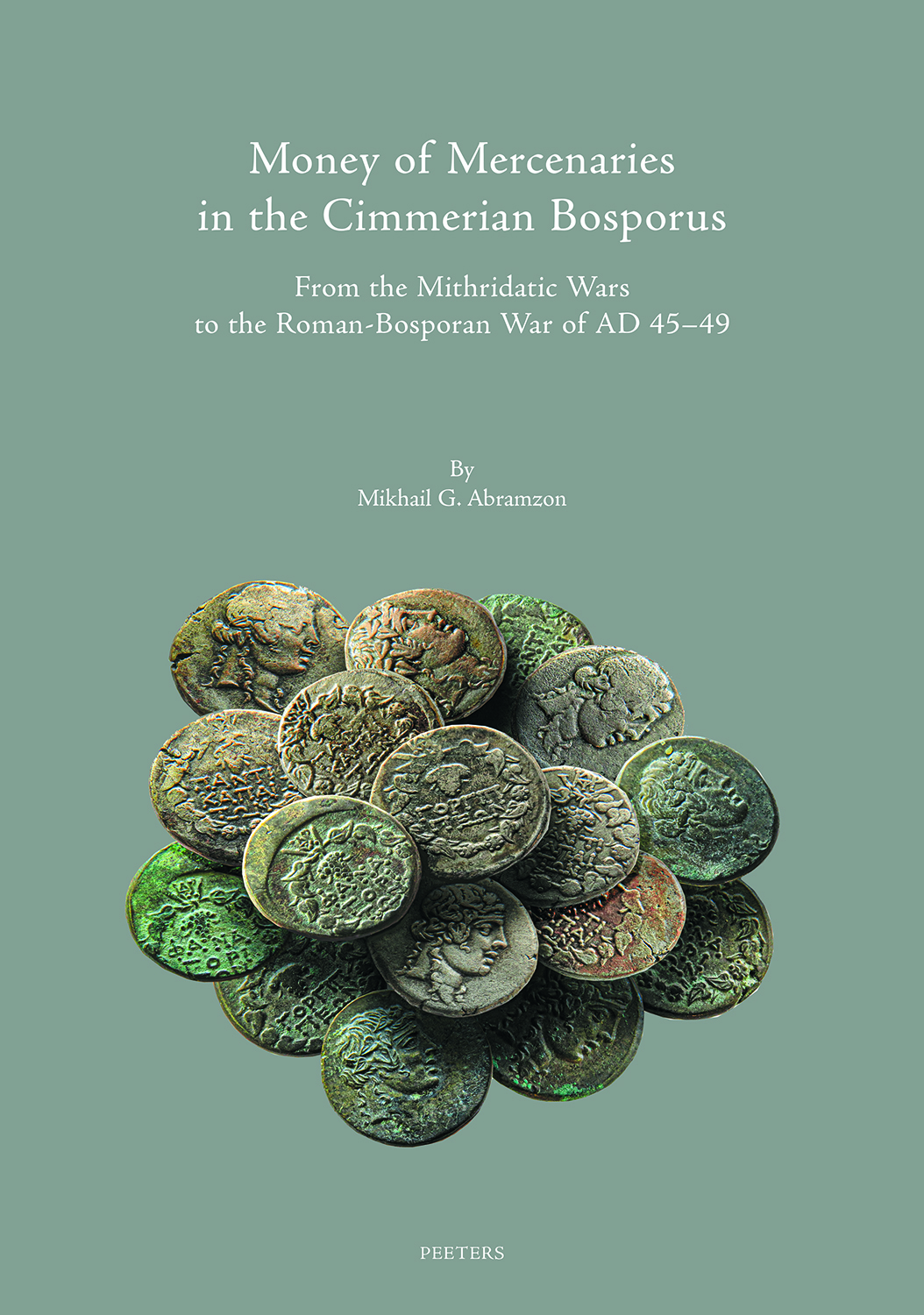 Money of Mercenaries in the Cimmerian Bosporus
From the Mithridatic Wars to the Roman-Bosporan War of AD 45-49
Volume 45

 New Research on Old Collections in Southwest Asian Archaeology
Proceedings of the Workshop Held at the British Museum, London, 31 July – 2 August, 2023
 Old Aramaic Inscriptions and their Contexts
An Epigraphic, Archaeological, and Historical Synthesis
Volume 63

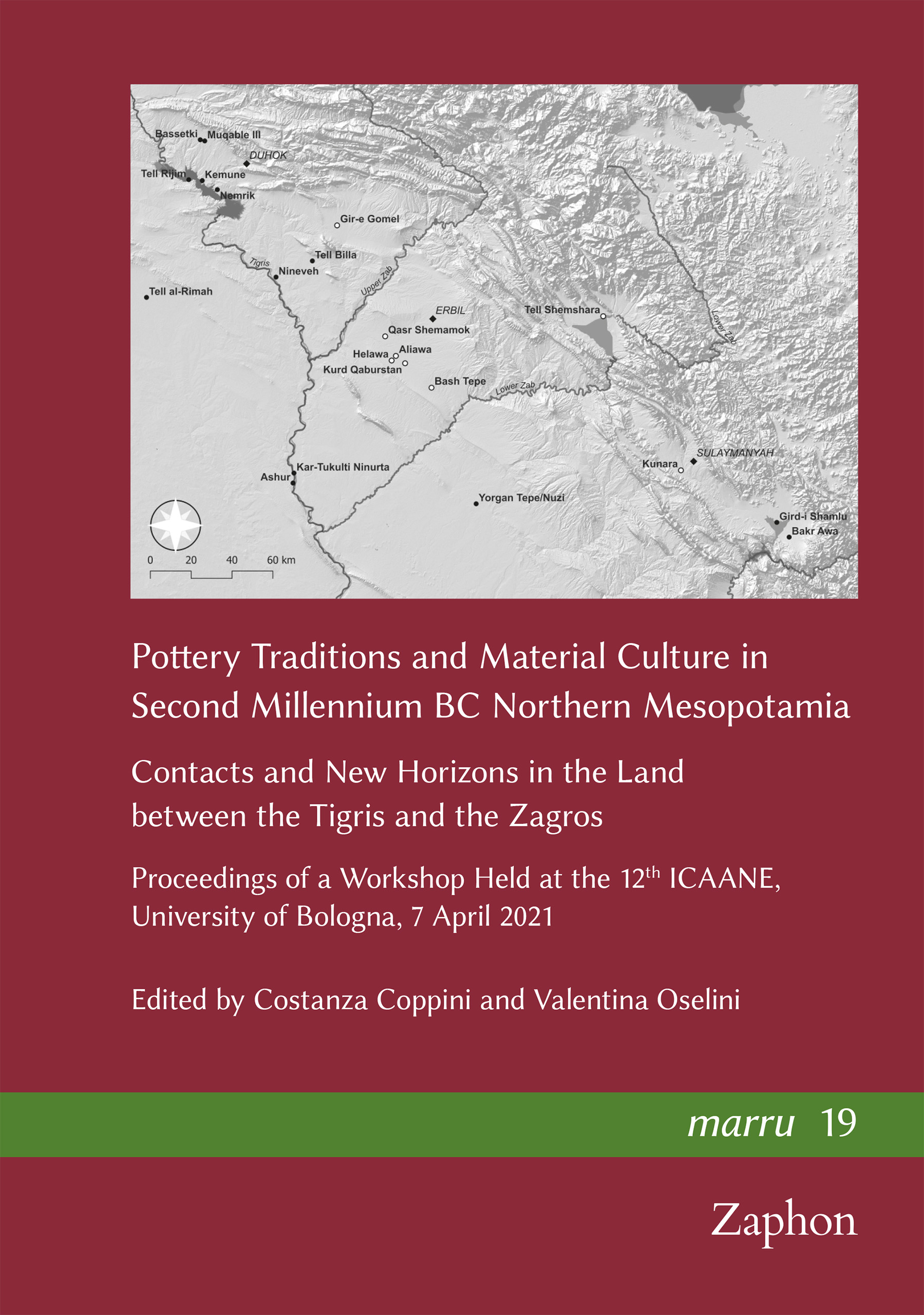 Pottery Traditions and Material Culture in Second Millennium BC Northern Mesopotamia
Contacts and New Horizons in the Land between the Tigris and the Zagros. Proceedings of a Workshop Held at the 12th ICAANE, University of Bologna, 7 April 2021
Volume 19
 Punning in Odd or Elegant Constructions in Jeremiah
The Convergence of Linguistics, Rhetoric, and Textuality in the Hebrew Text of Jeremiah

 Sertorius, the Exiles of the Sullan Regime and the Provinces of the Empire
Legitimacy, Morality and Imperial Discourse in the 70s BCE
 Shame in the Worlds of the Hebrew Bible and Akkadian Texts
A Linguistic Study and Its Implications
Volume 33

 Telling Contexts
Archaeological and Textual Studies in Honor of Elizabeth Bloch-Smith and Mark S. Smith
 The Body
Lived, Cultured, Adorned: Essays on Dress and the Body in the Bible and Ancient Near East in Honor of Nili S. Fox
 The Discourse of Rites
Shaping and Reshaping the (Counter-)Priestly Rituals Conducted Outside the Tabernacle
 The Kingdom of Kizzuwatna: Recent Developments in Research
Proceedings of the Third NINO Postdoctoral Research Fellow Annual Conference, Leiden, 23rd-25th March 2023
Volume 137