
Burial Mounds in Europe and Japan
Comparative and Contextual Perspectives
Edited by Thomas Knopf Edited by Werner Steinhaus Edited by Shin’ya FUKUNAGA

Paperback (Published)
(September 2018)
ISBN: 9781789690071
8.07 x 11.46 inches
Price: $76.00
In stock
Burial Mounds in Europe and Japan brings together specialists of the European Bronze and Iron Age and the Japanese Yayoi and Kofun periods for the first time to discuss burial mounds in a comparative context. The book aims to strengthen knowledge of Japanese archaeology in Europe and vice versa. The papers demonstrate many methodological and interpretive commonalities in the archaeology of burial mounds in Japan and Europe and provide a series of state-of-the-art case studies highlighting many different aspects of burial mound research in both regions. Topics addressed by both European and Japanese specialists include research histories, excavation methods, origins and development of graves with burial mounds, the relationship of burial mounds to settlements and landscape, and above all administrative power and ritual.
Foreword
Burial Mounds in Europe and Japan: An Introduction (Werner Steinhaus and Thomas Knopf) [Open Access: Download]
Hallstatt Burial Mounds Then and Now: Excavations and Changing Images in the History of Research (Nils Müller-Scheeßel)
Excavating the Mounded Tombs of the Kofun Period of the Japanese Archipelago: A History of Research and Methods (Tatsuo NAKAKUBO) [Open Access: Download]
Bronze Age Burial Mounds in Northern and Central Europe: Their Origins and the Development of Diversity in Time and Space (Frank Nikulka)
Emergence and Development of Burial Mounds in the Yayoi Period (Hisashi NOJIMA)
Princes, Chiefs or Big Men? Burial Mounds as Reflections of Social Structure in the Hallstatt Period (Wolfram Schier)
Social Stratification and the Formation of Mounded Tombs in the Kofun Period of Protohistoric Japan (Ken’ichi SASAKI)
Burial Mound/Landscape-Relations. Approaches Put forward by European Prehistoric Archaeology (Ariane Ballmer)
Mounded Tomb Building during the Kofun Period: Location and Landscape (Akira SEIKE)
Burial Mounds and Settlements. Their Relations in the Late Hallstatt and Early La Tène-Period (6th–4th century BC) (Ines Balzer)
The Relationship between Mounded Tombs, Settlements, and Residences in the Kofun Period: Reflecting Social Changes? (Takehiko MATSUGI)
Aspects of Early Iron in Central Europe (Manfred K. H. Eggert)
Iron and its Relation to Mounded Tombs on the Japanese Islands (Hisashi NOJIMA)
The Development of Metalworking and the Formation of Political Power in the Japanese Archipelago (Takehiko MATSUGI)
Monuments for the Living and the Dead: Early Celtic Burial Mounds and Central Places of the Heuneburg Region (Dirk Krausse and Leif Hansen)
Mounded Tombs of the Kofun Period: Monuments of Administration and Expressions of Power Relationships (Shin’ya FUKUNAGA)
Burial Mounds in Broader Perspective. Visibility, Ritual and Power (Chris Scarre)
An Introduction to the Yukinoyama Mounded Tomb (Naoya UEDA)
The Significance of the Nonaka Mounded Tomb (Joseph Ryan)
Thomas Knopf is Professor of Pre- and Protohistory at the University of Tübingen in Germany. He has conducted fieldwork at some of the largest Celtic settlements in Europe. He works on theoretical themes including the concept of continuity, and is a specialist in human-environments relationships in prehistory. He works together with soils scientists and archaeobotanists focussing on the development and the perception of landscapes. | Werner Steinhaus is Lecturer in Archaeology at Hiroshima University in Japan. After graduating from Freiburg University in Germany he undertook postgraduate research at Ōsaka University in Japan, specialising in the archaeology of the Kofun period. He curated the largest overseas exhibition of Japanese archaeology Die Zeit der Morgenröte, held in Germany in 2004-2005. | FUKUNAGA Shin’ya is Professor of Archaeology at the Graduate School of Letters at Ōsaka University in Japan. He graduated and received his doctorate from the Department of History, Graduate School of Letters, Ōsaka University. Professor Fukunaga is a member of the Science Council of Japan and the Committee for the World Heritage Inscription of the Mozu-Furuichi Kofun groups of mounted tombs. His publications include From the Yamatai Kingdom to the Yamato Court (Ōsaka University Press, in Japanese).
- Edited by Thomas Knopf
- Edited by Werner Steinhaus
- Edited by Shin’ya FUKUNAGA
Other Titles in this Series


Similar Books
 Archaeological Excavations at Irmis Rka: An Investigation of a Multi-Layered Settlement in Southwest Georgia
Results from the 2020 Season: Early Bronze Age to Medieval Occupations


 Catuvellaunia and Rome: Economic and Political Relations during the Final Decades Pre-conquest
The Role of Grain from Southeastern Britain and Its Potential for Maintenance of the Roman Military along the Frontier on the Rhine

 Making and Meaning in the Bronze and Iron Ages
Chronology, Landscapes and Societies across Europe. Proceedings from the METALAGES2024 Colloquium (Florence, 23 October 2024)




 Economic Trends in China During the Age of Confucius (1000–250 BC)
The Archaeological Evidence
Volume 10


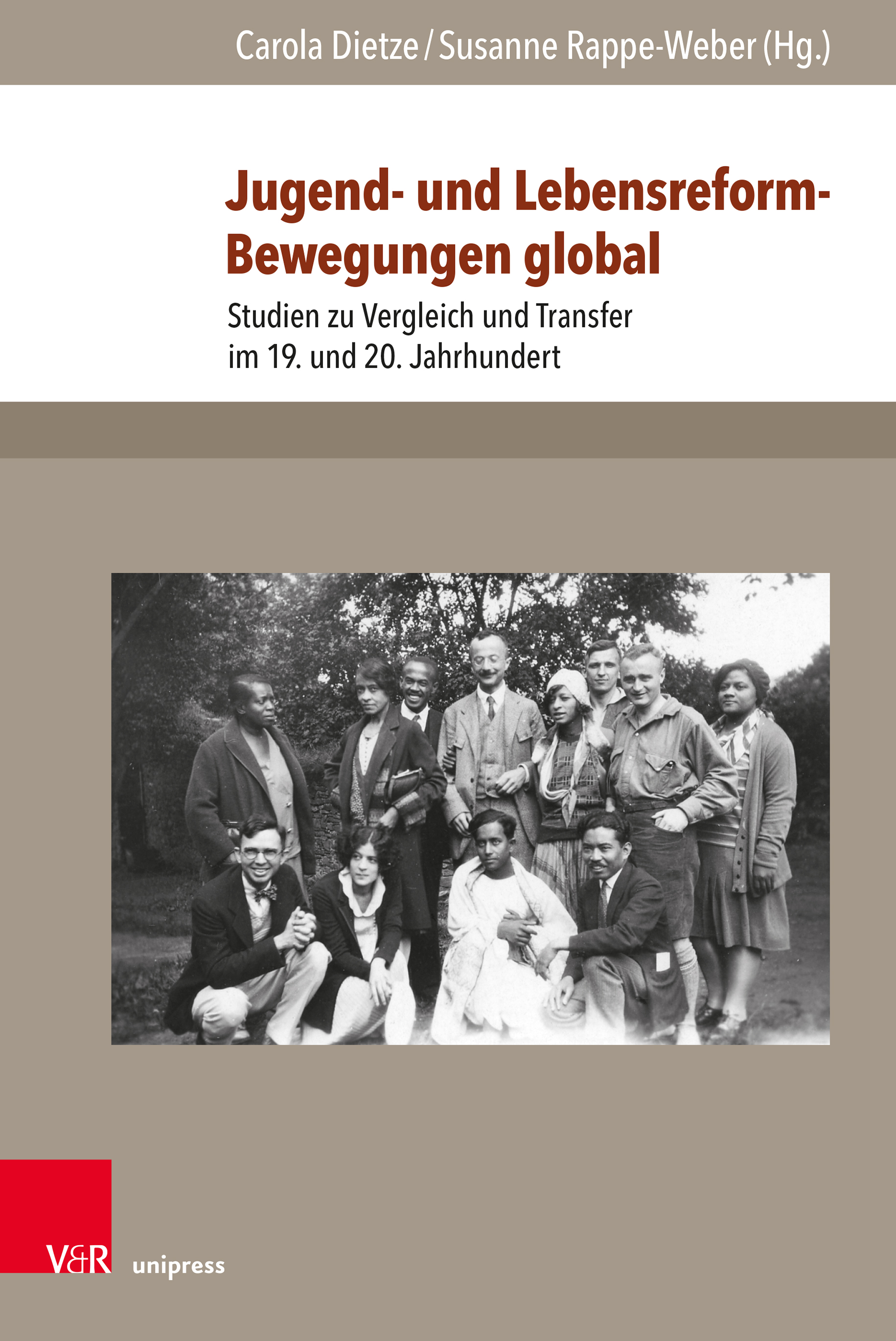 Jugend- und Lebensreform-Bewegungen global
Studien zu Vergleich und Transfer im 19. und 20. Jahrhundert
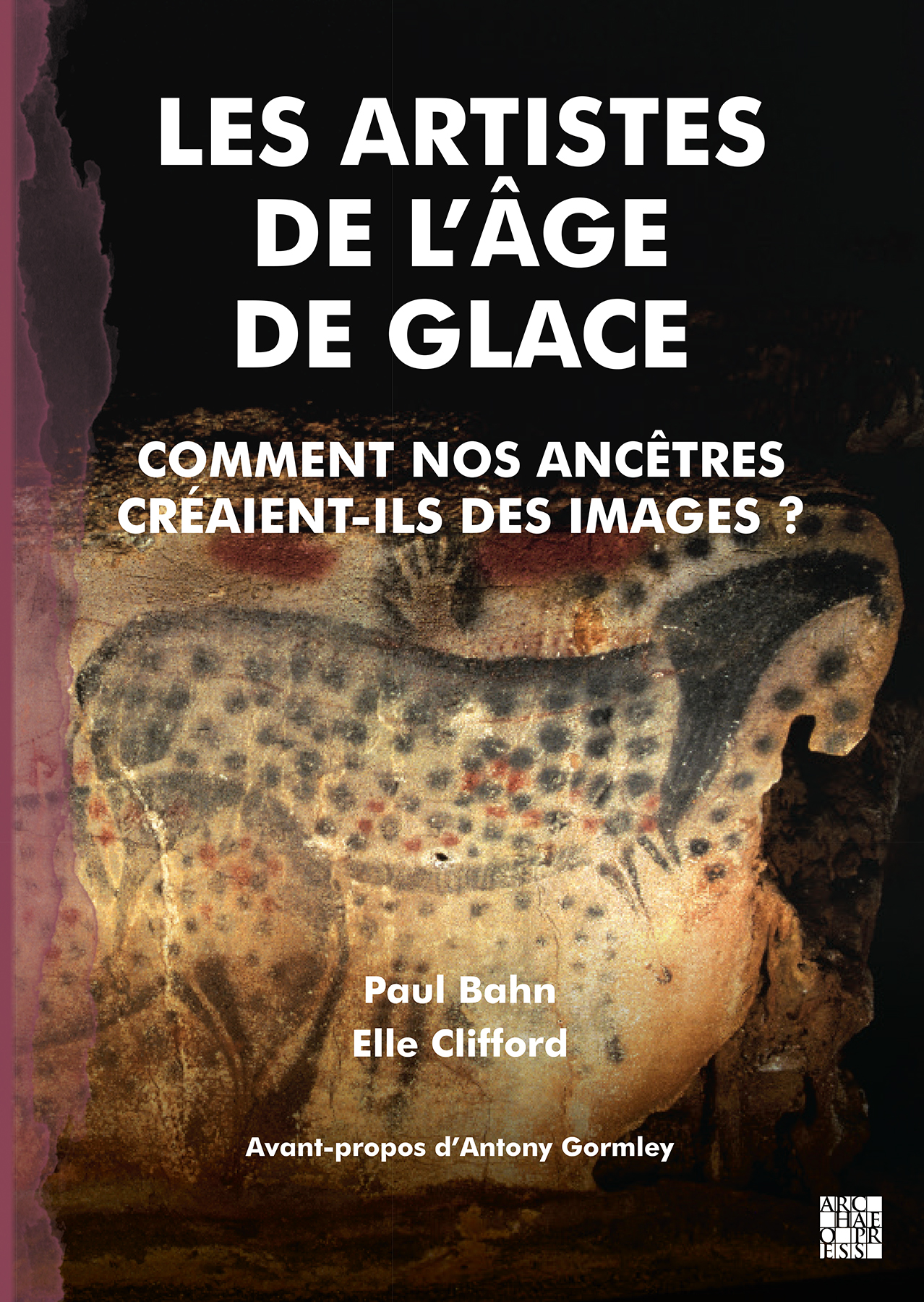
 Nuove scoperte e progressi nelle metodologie di rilievo e analisi dell’arte rupestre post-paleolitica in Italia
New discoveries and progress in the tracing and analysis methodologies of the post-Paleolithic rock art in Italy


 Aspects of the Bronze Age in the Atlantic Archipelago and Beyond
Proceedings from the Belfast Bronze Age Forum, 9–10 November 2013


 Eiszeit – Ice Age
Neue Ergebnisse zum Palaolithikum in Osterreich. New Results on the Palaeolithic in Austria
 From the Hunt to the Cave
Neanderthal Subsistence at Kulna Cave during the Middle Palaeolithic Taubachian Phase: Analyses of the Faunal Remains from Level 11
Volume 4
 Gender in Gandharan Art
Representations and Interactions in the Buddhist Context (1st-4th centuries CE)


