
The Archaeology of Medieval Towns: Case Studies from Japan and Europe
Edited by Simon Kaner Edited by Brian Ayers Edited by Richard Pearson Edited by Oscar Wrenn

Paperback (Published)
(August 2020)
ISBN: 9781789694260
8.27 x 11.69 inches
Price: $45.00
In stock
In recent years, major new archaeological discoveries have redefined the development of towns and cities in Japan. This fully illustrated book provides a sampler of these findings for a western audience. The new discoveries from Japan are set in context of medieval archaeology beyond Japan by accompanying essays from leading European specialists.
In recent years, major new archaeological discoveries have redefined the development of towns and cities in the Japanese archipelago. The uncovering of the plans of major port towns such as Sakai, Kusado Sengen and Ichijōdani, and the revealing of early phases in the development of cities such as Kamakura and Hakata provide an important new resource in understanding the cultural and economic processes which shaped medieval Japan.
This fully illustrated book provides a sampler of these findings for a western audience. The new discoveries from Japan are set in context of medieval archaeology beyond Japan by accompanying essays from leading European specialists.
The global significance of Japanese medieval archaeology is assessed through comparing the development of towns in Japan and northern Europe. The medieval period in Japan and northwest Europe saw urban growth with towns not only providing centres of administration but also fostering economic development. The pressures which led to such growth, however, be they political or social, were universal in character. following basic requirements of food, shelter, security and spiritual nourishment, towns provided commercial infrastructures, transport and storage facilities, and the setting for trade, craft specialists and art.
Chapters include ‘The archaeology of medieval towns in Japan and europe: an introduction’ (Brian Ayers and Simon Kaner); ‘Permanent urban frameworks (‘armature’) and economic networks in northern France c.700 – c.1000’ (Henri Galinié); ‘Medieval urbanism and culture in the cities of the Baltic: with a comparison between Lübeck, Germany, and Sakai, Japan’ (Manfred Gläser); ‘The development of Hakata as a medieval port town’ (Ōba Kōji); ‘The establishment and transformation of Japan’s medieval capital, Kamakura’ (Oka Yōichirō); ‘Ichijōdani: the archaeology of a Japanese medieval castle town’ (Ono Masatoshi); ‘Japanese medieval trading towns: Sakai and Tosaminato’ (Richard Pearson); and ‘Medieval ceramic production in the aegean, 1100 – 1600 AD: some considerations in an east-west perspective’ (Joanita Vroom).
Foreword and acknowledgements ;
The archaeology of medieval towns in Japan and Europe: an introduction – Brian Ayers and Simon KanerRichard PearsonOno MasatoshiOka YōichirōŌba KōjiSenda YoshihiroManfred GläserHenri GaliniéJoanita VroomRichard PearsonBrian Ayers and Simon KanerRichard PearsonOno MasatoshiOka YōichirōŌba KōjiSenda YoshihiroManfred GläserHenri GaliniéJoanita VroomRichard Pearson
- Edited by Simon Kaner
- Edited by Brian Ayers
- Edited by Richard Pearson
- Edited by Oscar Wrenn
'...in general, it is superbly translated, well-supported by maps, diagrams, illustrations, and some photographs of the European case studies. The book is accessible without losing detail, and will be of interest to archaeologists and historians of both West and East.'
— Philip Garrett
‘This volume of essays is a very welcome contribution to comparative urbanism. This is no easy task, but the editors and contributors here provide archaeologists, geographers and historians of the Middle Ages with an important and much-needed analysis of those parallels which superficially look to connect Japanese and European ‘medieval’ culture.’ – Keith D. Lilley (2022): Medieval Archaeology, 66/1, 2022
—
'...in general, it is superbly translated, well-supported by maps, diagrams, illustrations, and some photographs of the European case studies. The book is accessible without losing detail, and will be of interest to archaeologists and historians of both West and East.'
— Philip Garrett
‘This volume of essays is a very welcome contribution to comparative urbanism. This is no easy task, but the editors and contributors here provide archaeologists, geographers and historians of the Middle Ages with an important and much-needed analysis of those parallels which superficially look to connect Japanese and European ‘medieval’ culture.’ – Keith D. Lilley (2022): Medieval Archaeology, 66/1, 2022
—
Other Titles in this Series


Similar Books
 A Collaborative Tapestry in Honour of Shirley Ann Brown / Une fresque brodée en l’honneur de Shirley Ann Brown
The Bayeux Tapestry Seen by her Colleagues and Friends / La Tapisserie de Bayeux vue par ses collègues et amis
 Behind the Scenes of Medieval Roofs
An Overview of the Roofing Systems of Italian Churches
Volume 90






 Innovation and Medieval Communities
The Circulation of Ideas and Practices in and out of the Town (1200-1500)
Volume 63
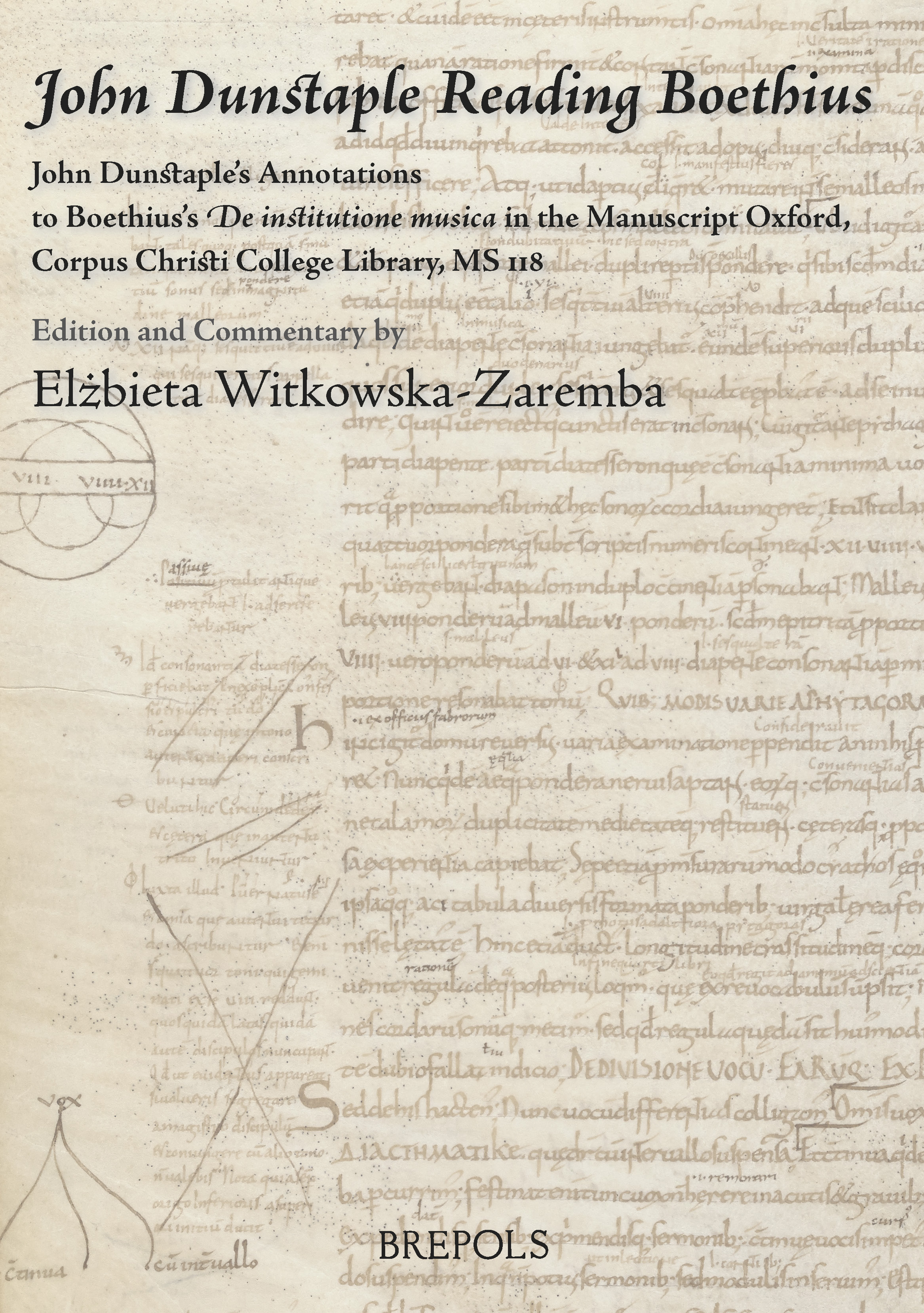 John Dunstaple Reading Boethius
John Dunstaple’s Annotations to Boethius’s “De institutione musica” in the Manuscript Oxford, Corpus Christi College Library, MS 118
 Linguistic and Cultural Dynamics in a Frontier Society
New Perspectives on Northeastern Bavaria and Western Bohemia in the Early Middle Ages
Volume 9
 Medieval Debates on Foreknowledge: Future Contingents, Prophecy, and Divination
Acts of the XXVII Annual Colloquium of the SIEPM, Trento 12-15 September 2023
Volume 31
 Medieval Yeghegis, Armenia
History, Archaeology, Society. Local Multiplicities and Global Connections of a Rural Centre on the Silk Road(s)


 Power and Women in Southeast and Central Europe in Late Medieval and Early Modern Period (1300-1600)
Volume 10



 The Anglo-Norman Bible’s Books of Kings, a Critical Edition
(BL Royal 1 C III, fols 234r-274v)
Volume 37


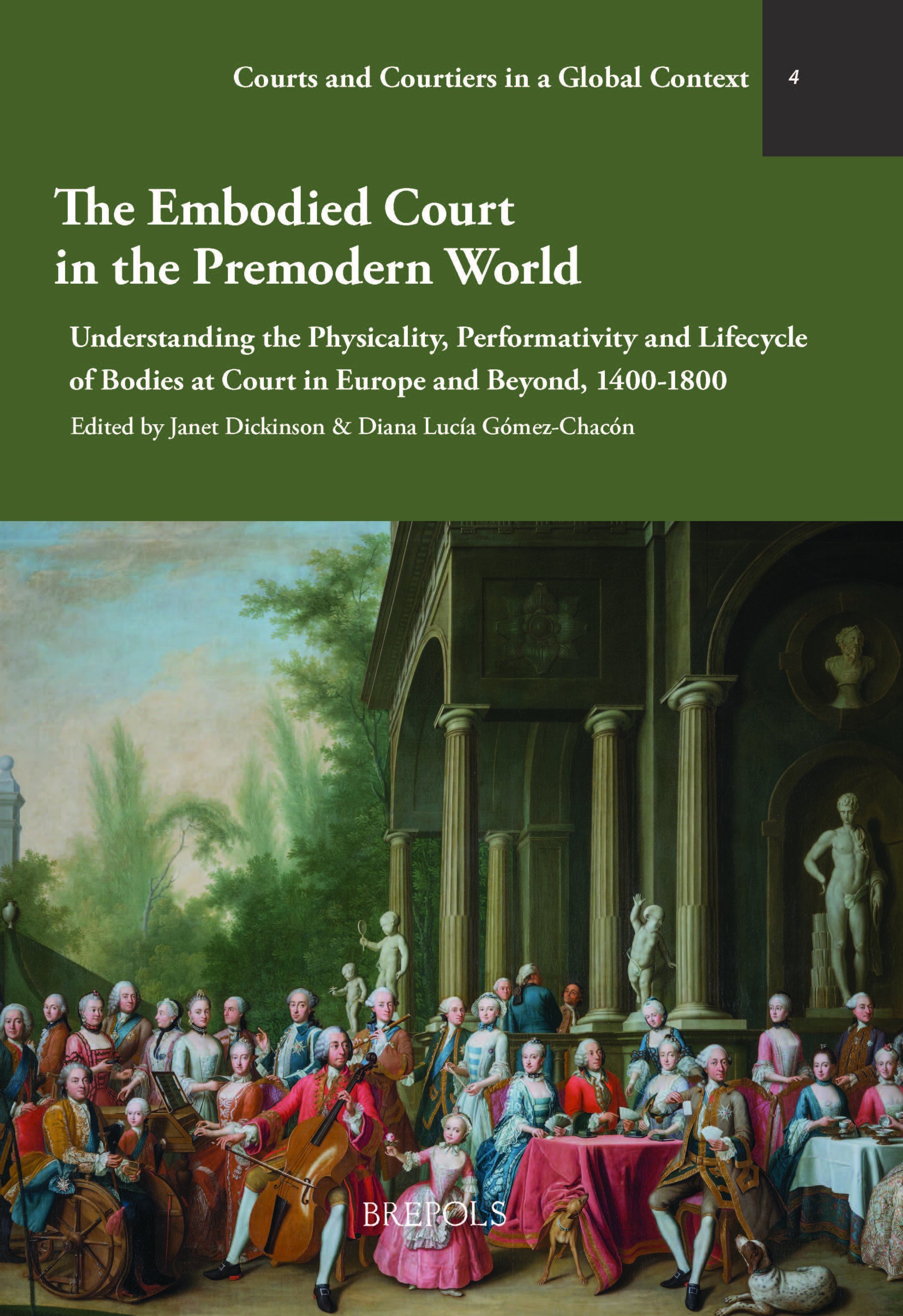 The Embodied Court in the Premodern World
Understanding the Physicality, Performativity and Lifecycle of Bodies at Court in Europe and Beyond, 1400-1800
Volume 4


