Elites, Groups, and Networks in East-Central and South-East Europe in the Long 19th Century
Volume editor Judit Pál Volume editor Vlad Popovici Volume editor Oana Sorescu-Iudean

Hardback (Published)
(September 2022)
ISBN: 9783506795212
6.1 x 9.25 inches
Price: $188.00
In stock
Elites should be regarded and approached as gregarious social entities (groups, networks) rather than as outstanding individuals. The volume aims to explore the elites in East-Central and South-Eastern Europe during the long nineteenth century from the perspective of their gregarious tendencies (i.e., groupness), to assess the role of the latter in the elite’s decisions and agenda, and to observe the transformations brought in this regard by the changing social and political landscape. While the gregarious tendencies of the members of the elite were rooted in their shared perspectives, in their mutual interests or in the communion of cultural patterns, it is clear that during the process of group formation, kinship ties played an unassailable part, although they were likely never a causal factor. The volume covers the research on elites from the early 18th century to the interwar period, focussing on the Banat, Bessarabia, Bohemia, Bulgaria, Dalmatia, Hungary, Rumania, Serbia, Slovenia, as well as looking into Austria and Austria-Hungary in total.
Elites should be regarded and approached as gregarious social entities (groups, networks) rather than as outstanding individuals. The volume aims to explore the elites in East-Central and South-Eastern Europe during the long nineteenth century from the perspective of their gregarious tendencies (i.e., groupness), to assess the role of the latter in the elite’s decisions and agenda, and to observe the transformations brought in this regard by the changing social and political landscape. While the gregarious tendencies of the members of the elite were rooted in their shared perspectives, in their mutual interests or in the communion of cultural patterns, it is clear that during the process of group formation, kinship ties played an unassailable part, although they were likely never a causal factor. The volume covers the research on elites from the early 18th century to the interwar period, focussing on the Banat, Bessarabia, Bohemia, Bulgaria, Dalmatia, Hungary, Rumania, Serbia, Slovenia, as well as looking into Austria and Austria-Hungary in total.
- Volume editor Judit Pál
- Volume editor Vlad Popovici
- Volume editor Oana Sorescu-Iudean
Other Titles in this Series

 Alternative Evangelicals
Challenging Nationalism in Interwar Romania’s Multi-ethnic Borderlands
Volume 14


Similar Books


 As Messianism Turns to Heresy
The Regenstein Chair Lectures On Lurianic Kabbalah and Shabbatai Tzevi at Hebrew Union College - Cincinnati

 Beyond Sovereign Courts
Agents and Practices in Early Modern Spanish and Habsburg Diplomacy
Volume 3



 European Drama and Performance Studies
Dramatisations politiques. Théâtre, politique et idéologie au XIXe siècle (1806-1914)
Volume 27

 Food Security under Armed Conflict
Global Knowledge Landscape and Public Attention to Social, Economic, and Humanitarian Dimensions

 From the Frontiers of the Empire to the Borders of the Nations
Borderland Security and Safety in the (post-)Ottoman Spaces (1700–1939)
 Innovationes Lovanienses: Arts, Law and Theology at the University of Louvain (1425–1797)
Studium Lovaniense: Learning across Borders, 2
Volume 18


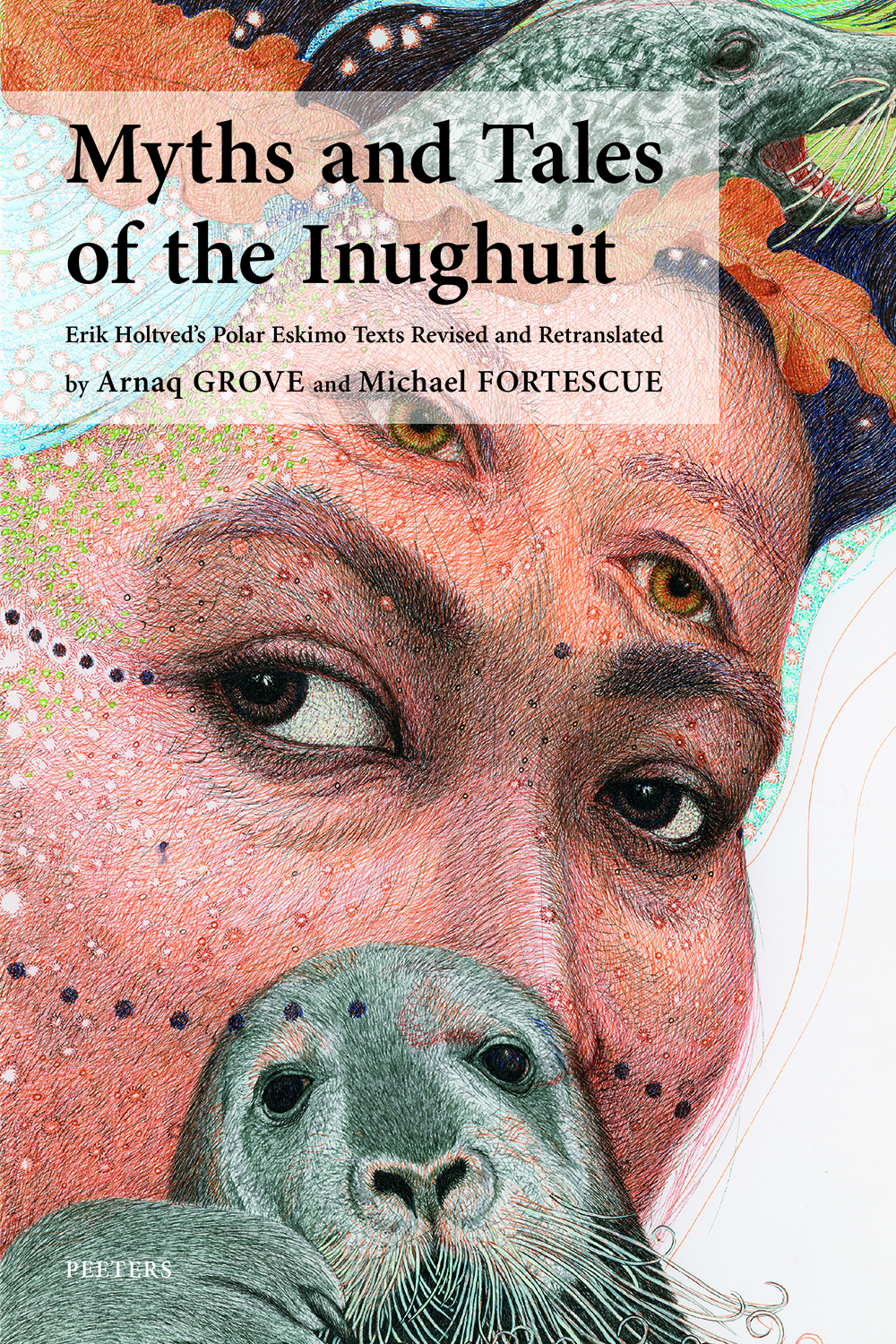 Myths and Tales of the Inughuit
Erik Holtved's Polar Eskimo Texts Revised and Re-translated into Danish and English
Volume 475, 12

 Performing Science, Mediating Knowledge
Science, Showmanship, and the Performance of Authority in the Long Nineteenth Century
Volume 21


 Students, Scholars and Their Books at the University of Louvain (1425-1797)
Studium Lovaniense: Learning across Borders, 1
Volume 17


 The Antiquarian Book-trade in Switzerland
Sir Thomas Phillipps's Acquisitions in the 1820s and their Later Dispersal
Volume 69

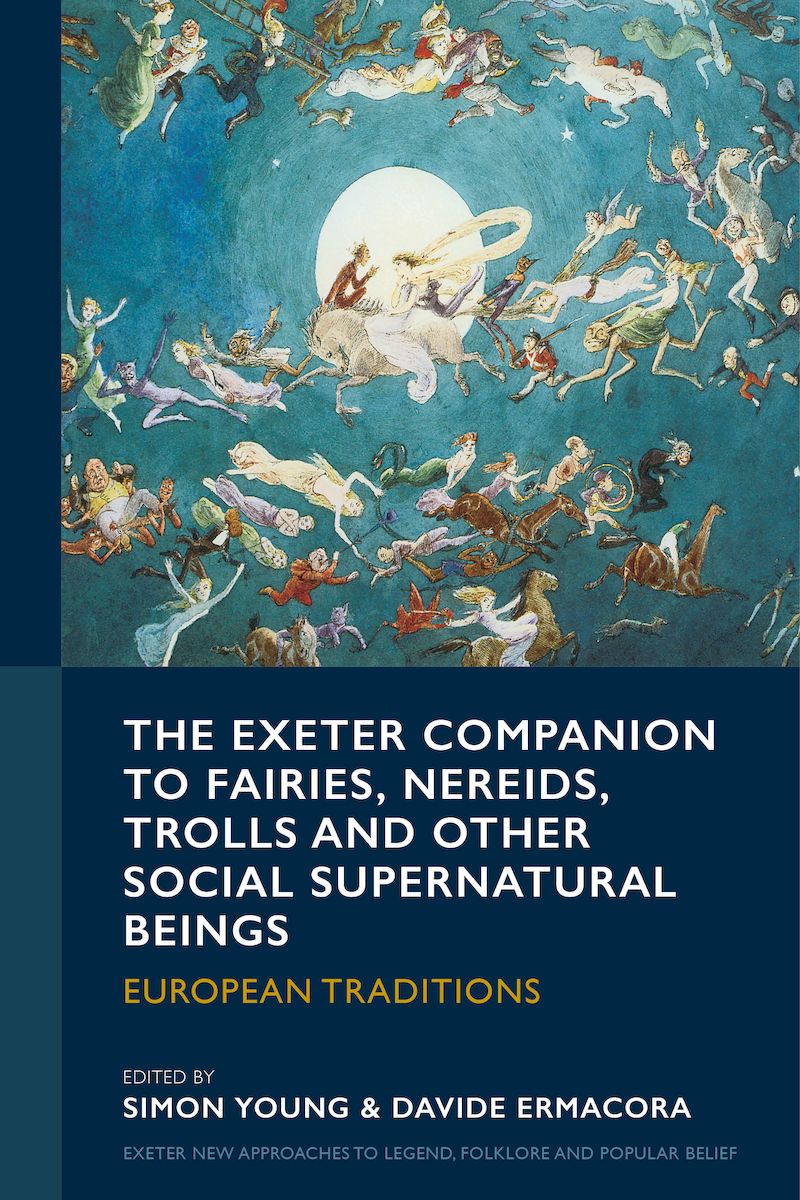 The Exeter Companion to Fairies, Nereids, Trolls and other Social Supernatural Beings
European Traditions


 The Phantom Hitchhiker
Italian Literature, Japanese Lore, and the Transnational Afterlives of a Global Ghost Story