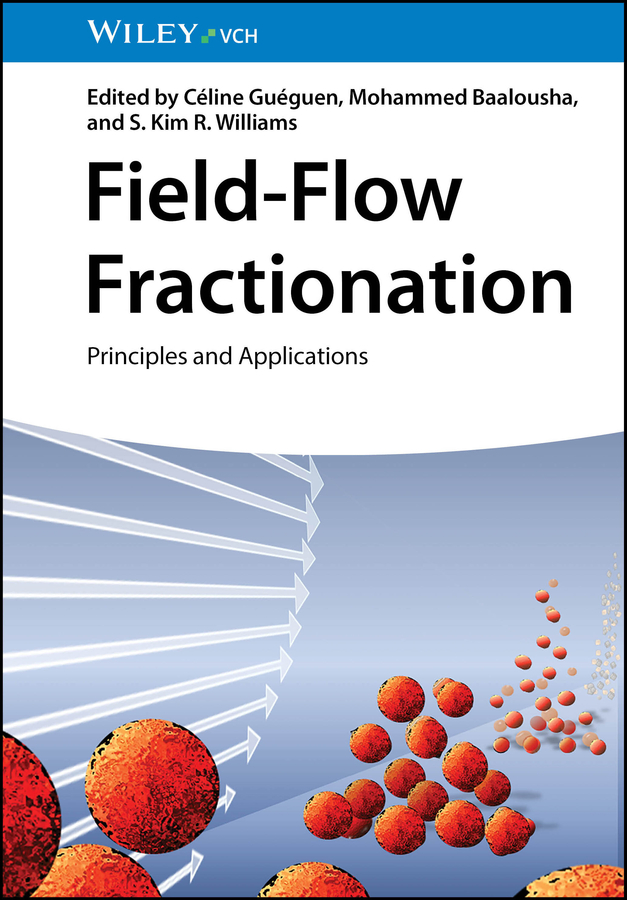
Waterscapes Archaeology
Multi-Scalar Human-Environment Interactions in Coastal Lagoons
Edited by Alexandra Bivolaru Edited by Daniela Cottica Edited by Christophe Morhange

Paperback (Published)
(June 2025)
ISBN: 9781803279534
7.99 x 10.91 inches
Price: $49.00
In stock
This volume explores human-environment interactions in coastal lagoons through case studies from the Mediterranean, Black Sea, and Persian Gulf. Using methods like GPR and archaeobotany, it examines settlement, resource use, and landscape change, revealing ancient strategies for managing dynamic waterscapes.
Waterscapes Archaeology: Multi-scalar Human-Environment Interactions in Coastal Lagoons presents papers from a session of the 7th International Landscape Archaeology Conference (Ia?i-Suceava, Romania, and online 2022). It brings together a series of interdisciplinary studies that investigate the historical, ecological, and socio-economic significance of coastal lagoons across various regions and time periods. The chapters delve into long-term human-environment interactions within these dynamic ecosystems, focusing on themes such as resource exploitation, settlement patterns, and paleo-environmental reconstructions. The volume highlights diverse case studies, including the historical and cultural roles of lagoons in the Mediterranean and Black Sea regions, the socio-economic interdependencies revealed by prehistoric coastal settlements in the Persian Gulf, and diachronic changes in Italy’s Apulian wetlands. Innovative non-invasive techniques, such as magnetometry and ground-penetrating radar, are also examined for their contributions to marshland archaeology, offering new insights into previously hidden archaeological landscapes. Additionally, the volume explores the evolution of landscapes in the Venetian lagoon through archaeobotanical analyses and the complexities of lagoon management in the Roman world, addressing the challenges of resource control and ownership in shifting environments. Each chapter contributes to a comprehensive understanding of how ancient societies adapted to environmental changes and managed waterscapes, while also emphasizing the contemporary relevance of these findings for sustainable management and conservation of these vulnerable anthropo-ecological systems.
Introduction – A. Bivolaru, D. Cottica, C. Morhange
Waterscapes: long term human-environment interactions in the lagoons from the Mediterranean to the Black Sea – A. Bivolaru
Archaeological evidence for the socio-economical interdependency of coast and hinterland based on the discovery of new prehistoric sites on the Persian Gulf’s northern coasts – E. Rashidian, A. Moghaddam
Diachronic Human-Wetland Interactions on the Salpi Lagoon (Apulia, Italy): From the Daunian Period to the Early Middle Ages, G. Fiorentino, R. Goffredo – I. Mazzini, D. Susini
Liminal historical landscapes in southern Tuscany: a multidisciplinary approach for a new narrative – L. Dallai, V. Volpi, G. Poggi
Historical landscape analysis on marshlands of the Bay of Cádiz. A non-invasive theoretical approach and experimental experience – E. Aragón Núñez, I. Rondán Sevilla, L. Lagóstena Barrios
Landscape evolution in the Venetian lagoon reconstructed through archaeobotanical analyses – S. Marvelli, M. Marchesini
Coastal lagoons, shifting environments, and control of natural resources – A. Marzano
Alexandra Bivolaru is a geoarchaeologist and Marie Sklodowska Curie Postdoctoral Fellow at Ca’Foscari University of Venice. With a PhD in Archaeology, she specializes in the diachronic study of human-environment interactions in riverine and coastal environments, conducting research across the Western Black Sea, Northern Adriatic, and Western Mediterranean. Christophe Morhange is Professor of Physical Geography at Aix-Marseille University and Director of the Archaeosciences Chair at EPHE-PSL-AOROC. A leading expert in geoarchaeology, his research focuses on ancient harbors across diverse historical periods and geographical regions around the Mediterranean. Daniela Cottica is Associate Professor of Classical Archaeology at Ca’ Foscari University of Venice, specializing in the archaeology of production and consumption, including marine resource exploitation and archaeometric pottery analysis. She is the scientific director of the excavation and research project Aquileia porto romano: sponda orientale and co-director of the research project Vivere d’Acqua Archeologie fra Lio Piccolo e Altinum.
- Edited by Alexandra Bivolaru
- Edited by Daniela Cottica
- Edited by Christophe Morhange
Similar Books






 Archaeological Excavations at Irmis Rka: An Investigation of a Multi-Layered Settlement in Southwest Georgia
Results from the 2020 Season: Early Bronze Age to Medieval Occupations


 Catuvellaunia and Rome: Economic and Political Relations during the Final Decades Pre-conquest
The Role of Grain from Southeastern Britain and Its Potential for Maintenance of the Roman Military along the Frontier on the Rhine

 Colour Concept “Secoli bui” a colori
Codici cromatici e architetture dipinte nell’età tardoantica e medievale


 Crossing Disciplines in the Study of Archaeology and Prehistoric Art: Insights from the Sahara and Mediterranean Africa
Proceedings of the XX UISPP World Congress (5–9 September 2023, Timișoara, Romania) Volume / Session 18
 Crossing Sacred Landscapes
Contacts and Continuities in the Desert Cults and Beliefs of Ancient Northern Arabia and the Arid Southern Levant
 Cuneiform Artefacts from Archaeological Contexts: New Research on Ancient Iraq
Proceedings of a Conference Held at the Bavarian Academy of Sciences and Humanities, July 4–5, 2024
Volume 2


 Diagnostic Techniques in Public Health
Analytical and Chemometric Approaches in Disease Detection and Management


 ENTANGLED AFRICA
Intra-African Relations Between Rain Forest and Mediterranean from Around 4,000 BCE to 1,500 CE


 Exploring Prehistoric Pottery in Japan
A Study of Organic Inclusions, Adhering Materials, and Impressions of Woven Items