
The Origin and Early Development of the Chinese Writing System
By (author) William Boltz

Paperback (Published)
(June 2003)
ISBN: 9780940490185
7.05 x 10 inches
Price: $30.00
On back order
Hardback (Published)
(December 1994)
ISBN: 9780940490789
Price: $50.00
On back order
The work sketches with extraordinary precision the history of the Chinese writing system from the late Shang (ca. 1200 B.C.) when Chinese characters are first in evidence down to the script’s standardization and codification a millennium later in the Ch’in and Han (221 B.C.–A.D. 220). Prof. Boltz takes in part a comparative approach to the origin and early structure and development of Chinese writing, suggesting that in its general principles the process was matched pari passu by the way writing first arose in Mesopotamia, Egypt, and among the Mayas (for example, that the Chinese script records the sounds of words, not ideas). The author also examines the question of why the Chinese script never became alphabetic, in spite of hints of such tendencies in the third and second centuries B.C.
Kidder Smith, of Bowdoin College, said of the original publication: “… this book will be highly valued by anyone concerned with the relationships of language to writing, and should become the point of reference for all discussions of these questions as they pertain to ancient Chinese” (Religious Studies Review Vol. 21, No. 4, October 1995).
- By (author) William Boltz
Other Titles in this Series
 The Sushen houji
Latter Notes On Collected Spirit Phenomena Attributed to Tao Yuānming (365-427)
Volume 100

Similar Books


 Cahiers de lexicologie
Particules floues — Nouvelles études sur le français et l'espagnol
Volume 128
 Des mots aux actes
Traduction épistémique et littéraire. Nouvelles tendances en histoire et didactique
Volume 15


 Deutsch als Fremdsprache nach Englisch an chinesischen Hochschulen
Eine empirische Forschung über Lernstrategien zum Wortschatzlernen








 Punning in Odd or Elegant Constructions in Jeremiah
The Convergence of Linguistics, Rhetoric, and Textuality in the Hebrew Text of Jeremiah





 Economic Trends in China During the Age of Confucius (1000–250 BC)
The Archaeological Evidence
Volume 10
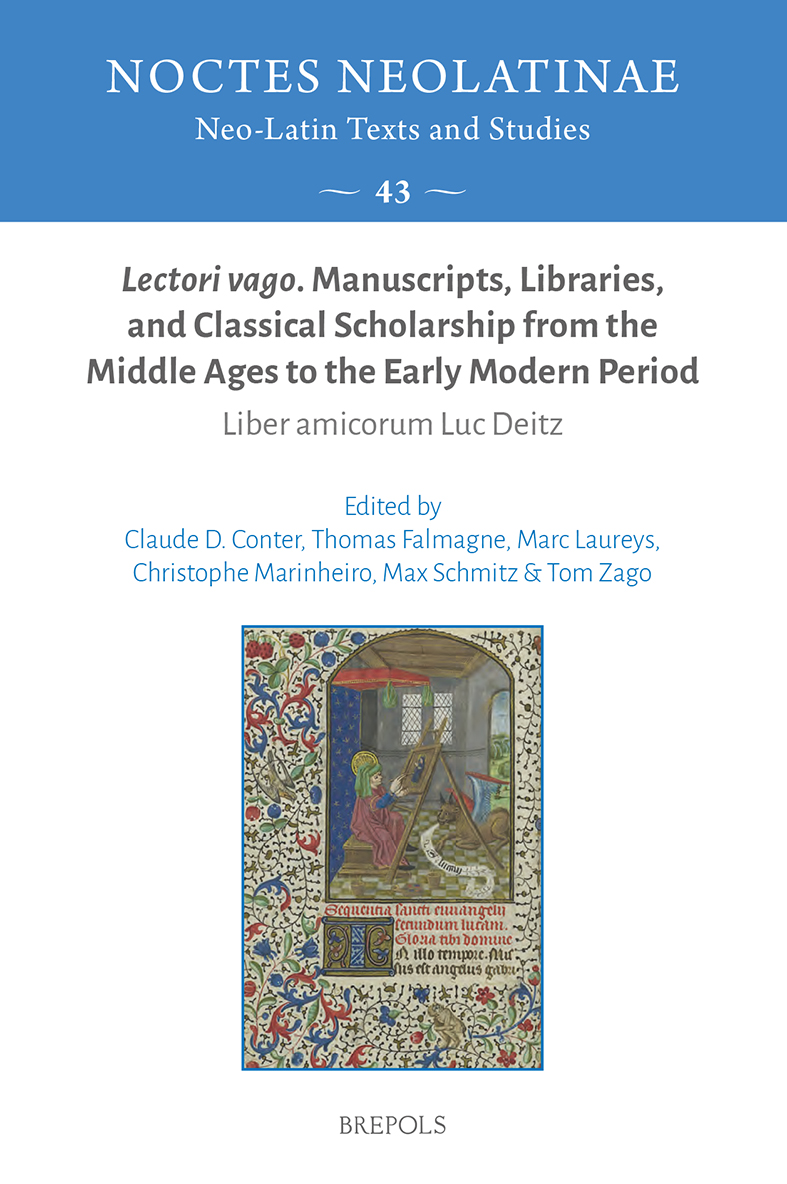 Lectori vago. Manuscripts, Libraries, and Classical Scholarship from the Middle Ages to the Early Modern Period
Liber amicorum Luc Deitz
Volume 43



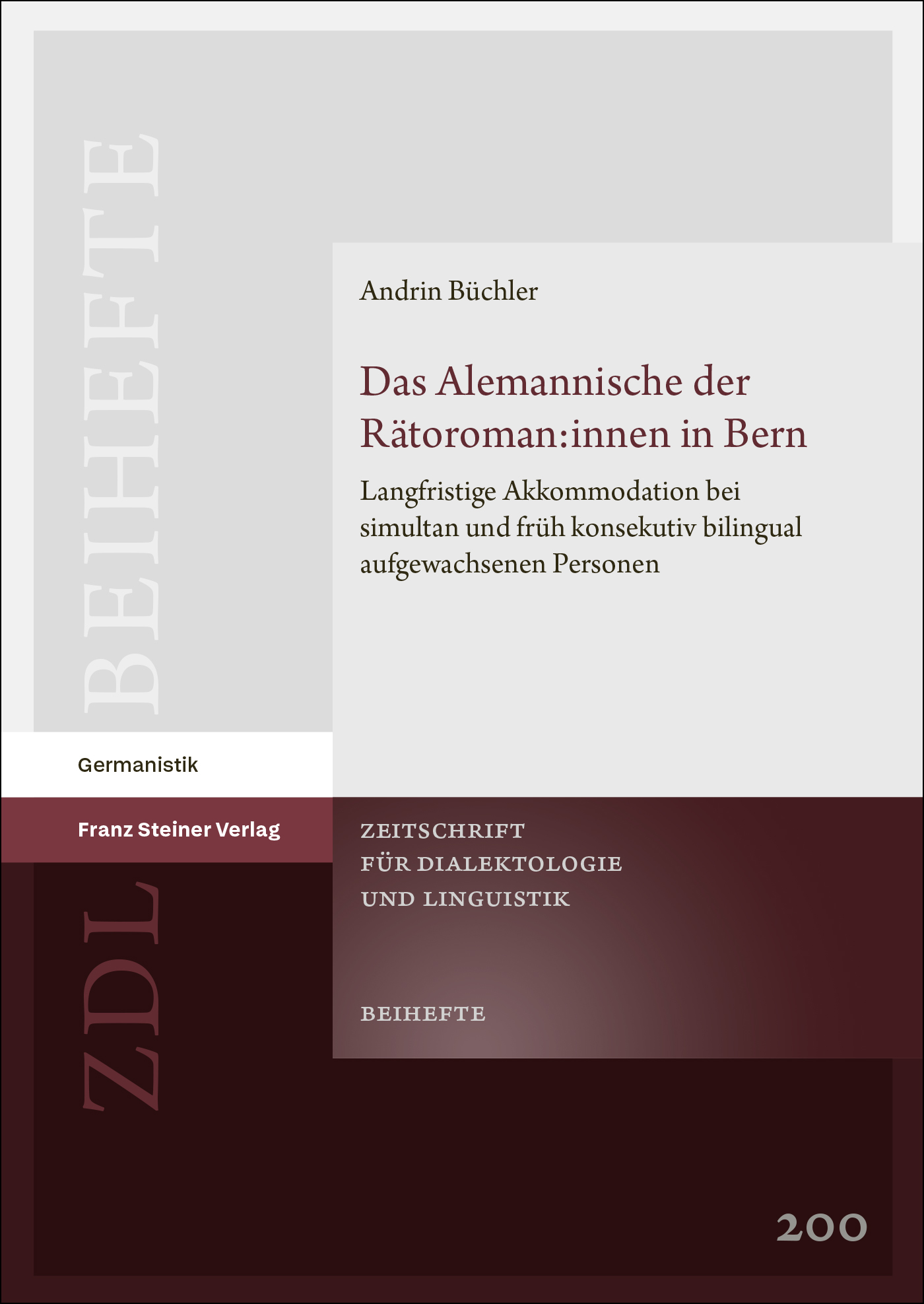 Das Alemannische der Rätoroman:innen in Bern
Langfristige Akkommodation bei simultan und früh konsekutiv bilingual aufgewachsenen Personen