
Law and Theology in Twelfth-Century England
The Works of Master Vacarius (c. 1115/20 - c. 1200)
By (author) Jason Taliadoros

This book explores the legal and theological thought of Master Vacarius (c.1115/20 – c.1200), the renowned twelfth-century jurist. It focuses on this Italian master’s four works, composed in the second half of the twelfth century, which deal with the resolution of conflict in law and theology. Vacarius is a paradox for scholars. They have found it difficult to reconcile his role as a legal teacher, notably through his textbook the Liber pauperum (‘Book of the Poor’), which established a school of Roman law at Oxford, with his ‘extra-legal’ works on marriage, Christology and heretical theology. This study accounts for this paradox by exploring these three extra-legal treatises, composed in the 1160s and 1170s, in light of Vacarius’ legal textbook. The author argues that Vacarius applies the legal method of the ius commune (European common law) to theological and sacramental debates. In this way, Vacarius represents a trend in medieval intellectual history, particular to the twelfth-century renaissance, which has been little appreciated to date – the hermeneutic of the ‘lawyer-theologian’.
This book explores the legal and theological thought of Master Vacarius (c.1115/20 – c.1200), the renowned twelfth-century jurist. It focuses on this Italian master’s four works, composed in the second half of the twelfth century, which deal with the resolution of conflict in law and theology. Vacarius is a paradox for scholars. They have found it difficult to reconcile his role as a legal teacher, notably through his textbook the Liber pauperum (‘Book of the Poor’), which established a school of Roman law at Oxford, with his ‘extra-legal’ works on marriage, Christology and heretical theology. This study accounts for this paradox by exploring these three extra-legal treatises, composed in the 1160s and 1170s, in light of Vacarius’ legal textbook. The author argues that Vacarius applies the legal method of the ius commune (European common law) to theological and sacramental debates. In this way, Vacarius represents a trend in medieval intellectual history, particular to the twelfth-century renaissance, which has been little appreciated to date – the hermeneutic of the ‘lawyer-theologian’.
- By (author) Jason Taliadoros
Other Titles in this Series


 Public Declamations
Essays on Medieval Rhetoric, Education, and Letters in Honour of Martin Camargo
Volume 27
 Medieval Art at the Intersection of Visuality and Material Culture
Studies in the 'Semantics of Vision'
Volume 32


 Sapientia et eloquentia
Meaning and Function in Liturgical Poetry, Music, Drama, and Biblical Commentary in the Middle Ages
Volume 11

 The Classics in the Medieval and Renaissance Classroom
The Role of Ancient Texts in the Arts Curriculum as Revealed by Surviving Manuscripts and Early Printed Books
Volume 20
 Medieval Thought Experiments
Poetry, Hypothesis, and Experience in the European Middle Ages
Volume 31

 Fictions of the Inner Life
Religious Literature and Formation of the Self in the Eleventh and Twelfth Centuries
Volume 4


 Political Thought and Eleventh-Century Populism
The Meek, the Many, and the Meritorious during the Age of the Gregorian Reform
Volume 38


Similar Books
 «Solazoxa festa, stradolze e stracomplia»
Festschrift für Raymund Wilhelm zum 65. Geburtstag mit Beiträgen zu Diskurstraditionen und mittelalterlicher Philologie
Volume 249
 A Collaborative Tapestry in Honour of Shirley Ann Brown / Une fresque brodée en l’honneur de Shirley Ann Brown
The Bayeux Tapestry Seen by her Colleagues and Friends / La Tapisserie de Bayeux vue par ses collègues et amis

 Behind the Scenes of Medieval Roofs
An Overview of the Roofing Systems of Italian Churches
Volume 90

 Cahiers de recherches médiévales et humanistes – Journal of Medieval and Humanistic Studies
Volume 51








 Innovation and Medieval Communities
The Circulation of Ideas and Practices in and out of the Town (1200-1500)
Volume 63
 John Dunstaple Reading Boethius
John Dunstaple’s Annotations to Boethius’s “De institutione musica” in the Manuscript Oxford, Corpus Christi College Library, MS 118

 Medieval Debates on Foreknowledge: Future Contingents, Prophecy, and Divination
Acts of the XXVII Annual Colloquium of the SIEPM, Trento 12-15 September 2023
Volume 31

 Medieval Yeghegis, Armenia
History, Archaeology, Society. Local Multiplicities and Global Connections of a Rural Centre on the Silk Road(s)
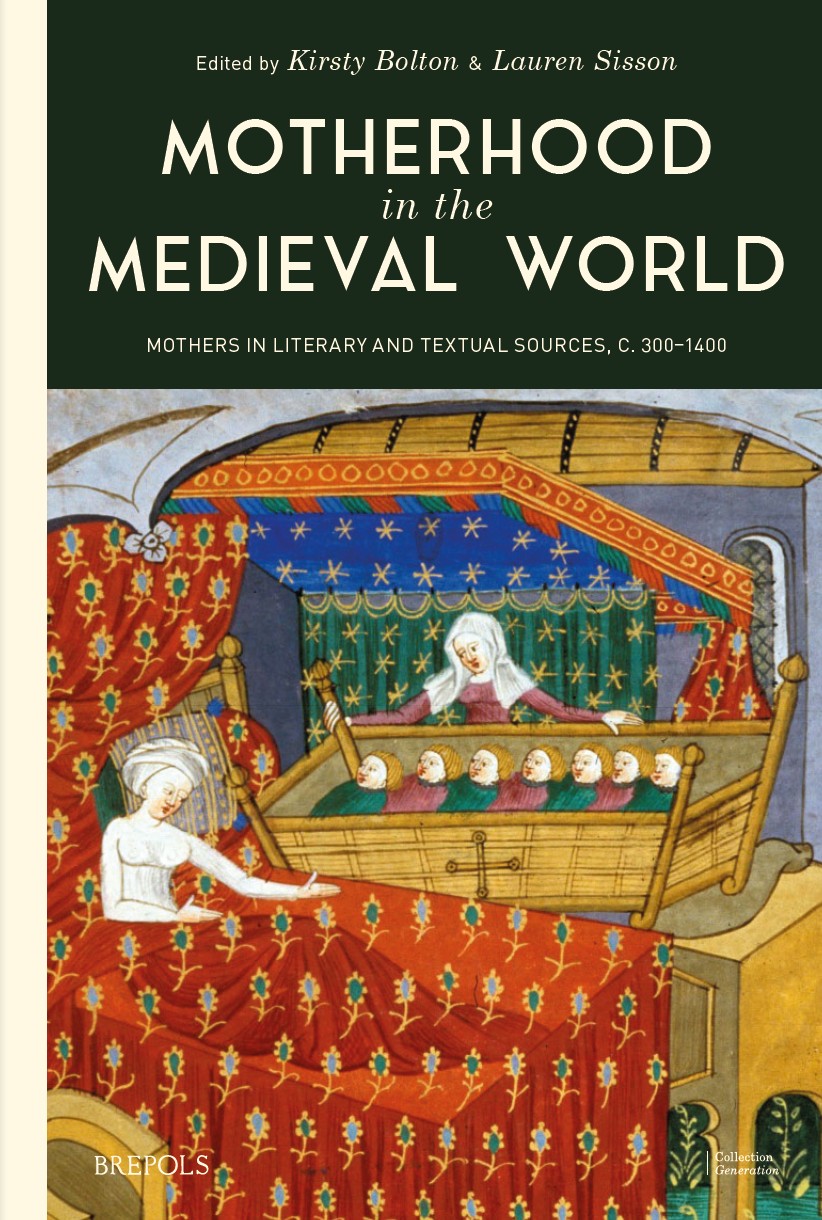
 Nicholas of Lyra’s Commentaries on the Gospels of Matthew and Luke
Franciscan Exegesis in a Time of Crisis



 Power and Women in Southeast and Central Europe in Late Medieval and Early Modern Period (1300-1600)
Volume 10

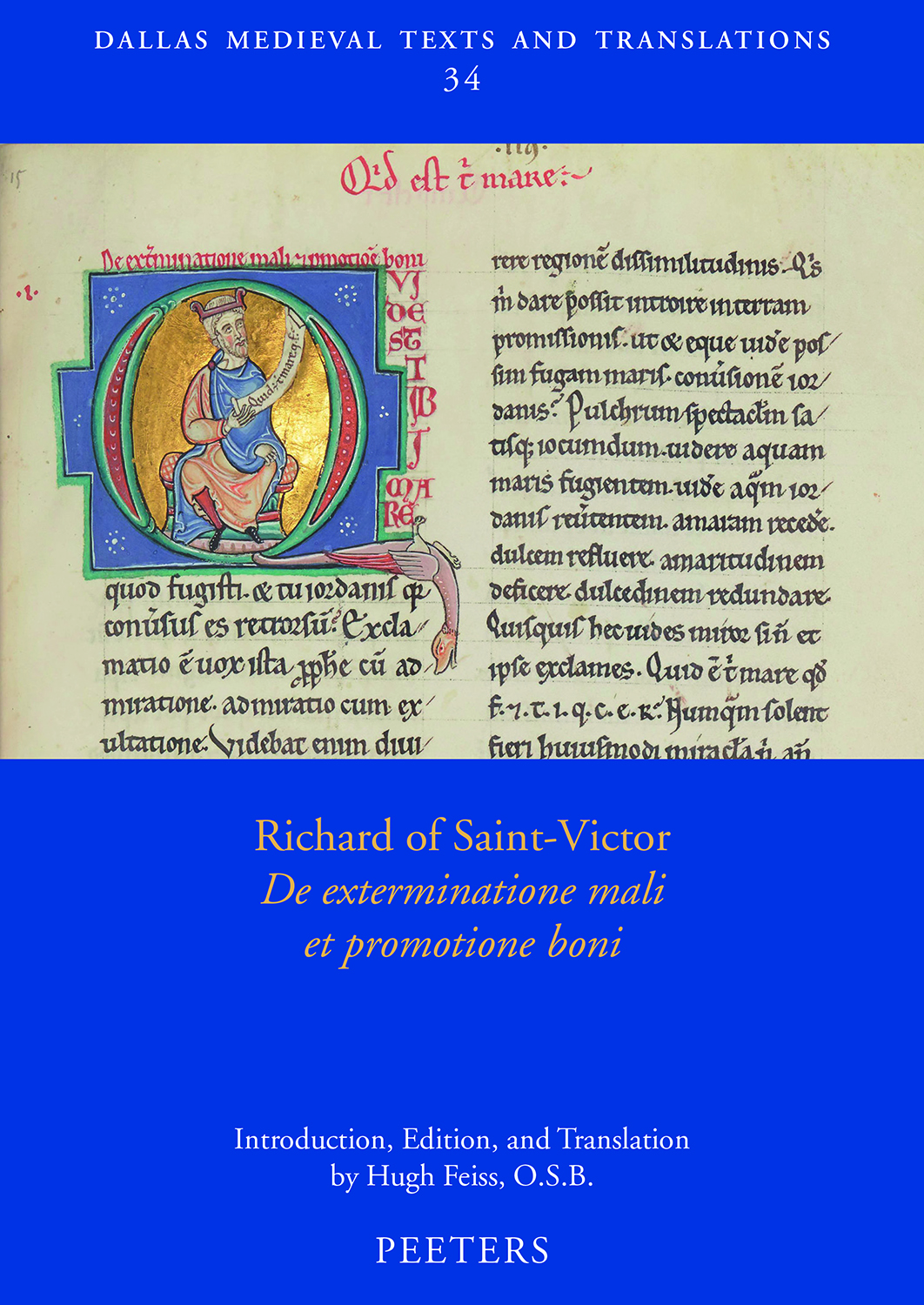

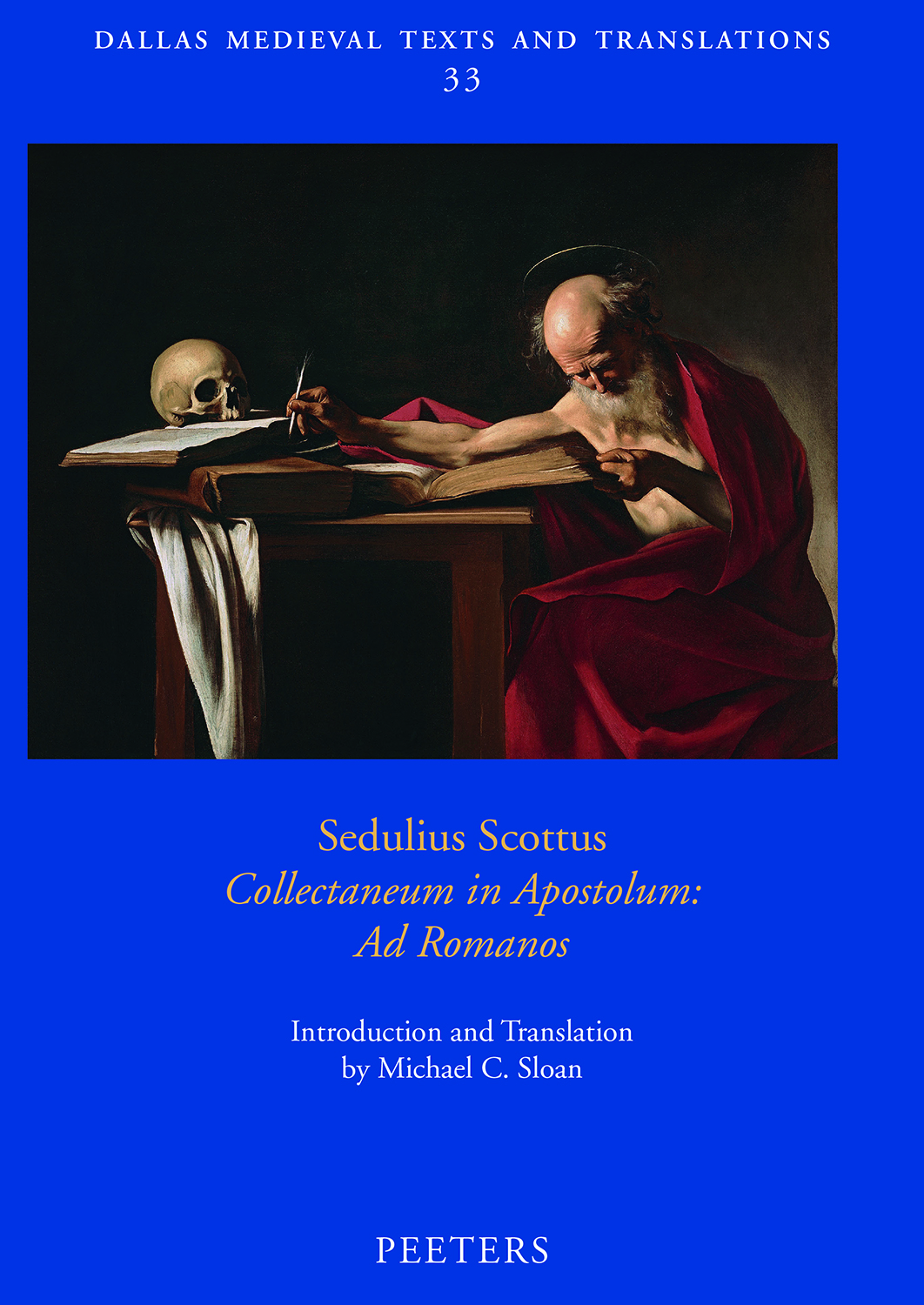


 The Anglo-Norman Bible’s Books of Kings, a Critical Edition
(BL Royal 1 C III, fols 234r-274v)
Volume 37
