Corpus der Stempelsiegel-Amulette aus Palästina/Israel
Von den Anfängen bis zur Perserzeit Katalog Band II: Von Bahan bis Tel Eton
By (author) Othmar Keel Contributions by Daphna Ben-Tor Contributions by Robert Wenning
Othmar Keels zweiter Band präsentiert 1224 Fundstücke aus den Orten B-E.
English summary: The first catalogue volume of the Corpus der Stempelsiegel-Amulette aus Palastina/Israel, published in 1997, was enthusiastically received by many reviewers. With this volume sigillography truly enters a new era (A. Lemaire, Biblical Archaeology Review). The importance of this work is cannot be overestimated. Whole fields of scholarship now have a new and solid foundation for further research (W.E. Aufrecht, Catholic Biblical Quarterly). The Catalogue presents by far the biggest number of such objects from legal excavations. The presentation, description and interpretation are of an unsurpassable standard. (O. Loretz, Ugarit-Forschungen). Volume I presented 2139 stamp-seal amulets from 22 sites (names beginning with A). This volume includes 1224 objects from 45 sites (B-E). The ten most important provenances are Beth Shean (255), Beth Shemesh (228), Deir el-Balah (140), Tell Beit Mirsim (105), Ekron (71), Wadi ed-Daliyeh (70), Dor (61), Dan (41), Dotan (41) und En-Samiyeh (34). While volume I offered mainly material from the Middle Bronze Age often not very spectacular form an iconographic point of view, this volume deals primarily with Late Bronze and Iron Age glyptics. At the most productive sites, Beth Shean and Beth Shemesh, 80 % of the material is dated to the Late Bronze Age or later periods. Deir el-Balah and Dotan yielded almost exclusively Late Bronze material, Wadi ed-Daliyeh objects from the Persian period. In terms of provenance, too, volume II comes closer to biblical contexts. Place like Beersheba, Bethel, Beth Shean, Beth Shemesh, Beth Zur, Dan, Dor, Ekron and Ein Gedi are well-known from biblical texts. This volume presents indispensable source material not only for the archaeology of Palestine/Israel, the history of the southern Levant and Egyptology, but for biblical scholarship as well. The material is documented in photographs, drawings and detailed descriptions. Parallels are provided in a more systematic way, which allows to situate each project in a precise chronological and cultural context. German description: Der erste Katalogband des aCorpus der Stempelsiegel-Amulette aus Palastina/Israel (1997) wurde von vielen Rezensenten enthusiastisch aufgenommen. aWith this volume, sigillography truly enters a new era (A. Lemaire, Biblical Archaeology Review). The importance of this work cannot be overestimated. Whole fields of scholarship now have a new and solid foundation for further research (W.E. Aufrecht, Catholic Biblical Quartely). Der Katalog bietet die mit Abstand grosste Zahl solcher Objekte aus legalen Grabungen. Prasentation, Beschreibung und Deutung der Stucke setzen einen unuberbietbaren Massstab (O. Loretz, Ugarit-Forschung). In Band I wurden 2139 Objekte von 22 Fundorten (Ortsnamen, die mit A beginnen) publiziert. Der vorliegende Band veroffentlicht 1224 Stempelsiegel von 45 Fundorten (B-E). Die zehn ergiebigsten sind Bet-Schean (255), Bet-Schemesch (228), Deir el-Balah (140), Bet-Mirsim (105), Ekron (74), Wadi ed-Dalije (70), Dor (61), Dan (41), Dotan (41) und En-Samije (34). Wahrend in Band I mehrheitlich mittelbronzezeitliches, ikonographisch oft wenig ergiebiges Material anfiel, dominieren in Band II spatbronze- und eisenzeitliche Stucke. Bei den materialreichsten Orten Bet-Schean und Bet-Schemesch sind 80% spatbronzezeitlich oder junger; Deir el-Balah imd Dotan lieferten fast ausschliesslich spatbronzezeitliches, Wadi ed-Dalije perserzeitliches Material. Aber nicht nur zeitlich, auch geographisch steht das Fundmaterial von Band II dem biblischen Raum naher als das in Band I prasentierte. Orte wie Berscheeba, Bet-El, Bet-Schean, Bet-Schemesch, Bet-Zur, Dan, Dor, Ekron und En-Gedi sind aus biblischen Schriften bestens bekannt. Dieser Band liefert deshalb nicht nur fur die Archaologie Palastina/Israels, die Geschichte der sudlichen Levante und die Agyptologie, sondern auch fur die Bibelwissenschaft unersetzliches Quellenmaterial. Diese wird durch Fotos und Zeichnungen sowie eine detaillierte Beschreibung dokumentiert. Die systematische Angabe von Parallelen erlaubt es, jedes Stuck chronologisch und kulturgeschichtlich zu kontextualisieren.
- By (author) Othmar Keel
- Contributions by Daphna Ben-Tor
- Contributions by Robert Wenning
Other Titles in this Series



 Eclipses, Volcanoes, and Eponyms
New Perspectives on the Chronology of the Early Second Millennium BC in Mesopotamia
Volume 43
 Aegyptiaca in der nördlichen Levante
Eine Studie zur Kontextualisierung und Rezeption ägyptischer und ägyptisierender Objekte in der Bronzezeit
Volume 41


 Decoding Canaanite Pottery Paintings from the late Bronze Age and Iron Age I
Classification and Analysis of Decorative Motifs and Design Structures – Statistics, Distribution Patterns – Cultural and Socio-Political Implications
 Corpus der Stempelsiegel-Amulette aus Palästina/Israel
Von den Anfängen bis zur Perserzeit Katalog Band V: Von Tel el-˓Idham bis Tel Kitan
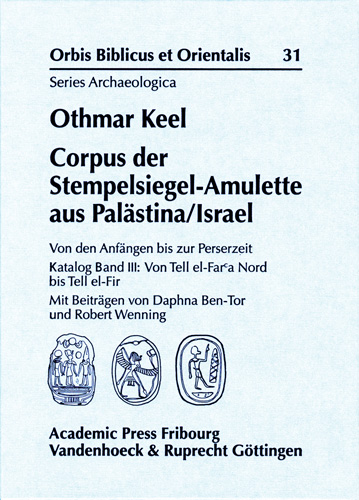 Corpus der Stempelsiegel-Amulette aus Palästina/Israel
Von den Anfängen bis zur Perserzeit Katalog Band III: Von Tell el-Far´a-Nord bis Tell el-Fir
 Text and Image
Proceedings of the 61e Rencontre Assyriologique Internationale, Geneva and Bern, 22-26 June 2015
Volume 40
Similar Books





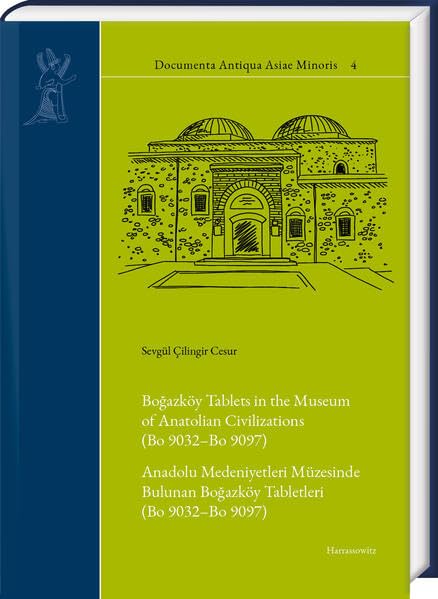 Boğazköy Tablets in the Museum of Anatolian Civilizations (Bo 9032–Bo 9097)
Anadolu Medeniyetleri Müzesinde Bulunan Boğazköy Tabletleri (Bo 9032–Bo 9097)
Volume 4
 Connecting the Dots: Counting, Writing, and the Beginnings of Civilization
The Secret Lives of Clay Tokens: A Memoir

 Curating the Prehistoric Past
Studies on West Asian Archaeology and Beyond in Honour of Yoshihiro Nishiaki

 Exploring Gender Dynamics across the Ancient Near East
Collected Essays of Gender and Methodology in the Ancient Near East (GeMANE) 4 and 5
Volume 7


 Ḫattušaš utnē išḫameški
Hittite and Other Ancient Near Eastern Studies Presented to Piotr Taracha on the Occasion of His 65th Birthday




 Kultur – Kontakt – Kultur
Beiträge anlässlich der 66. Rencontre Assyriologique Internationale in Frankfurt/Main und Mainz, 25.–29. Juli 2022
Volume 35
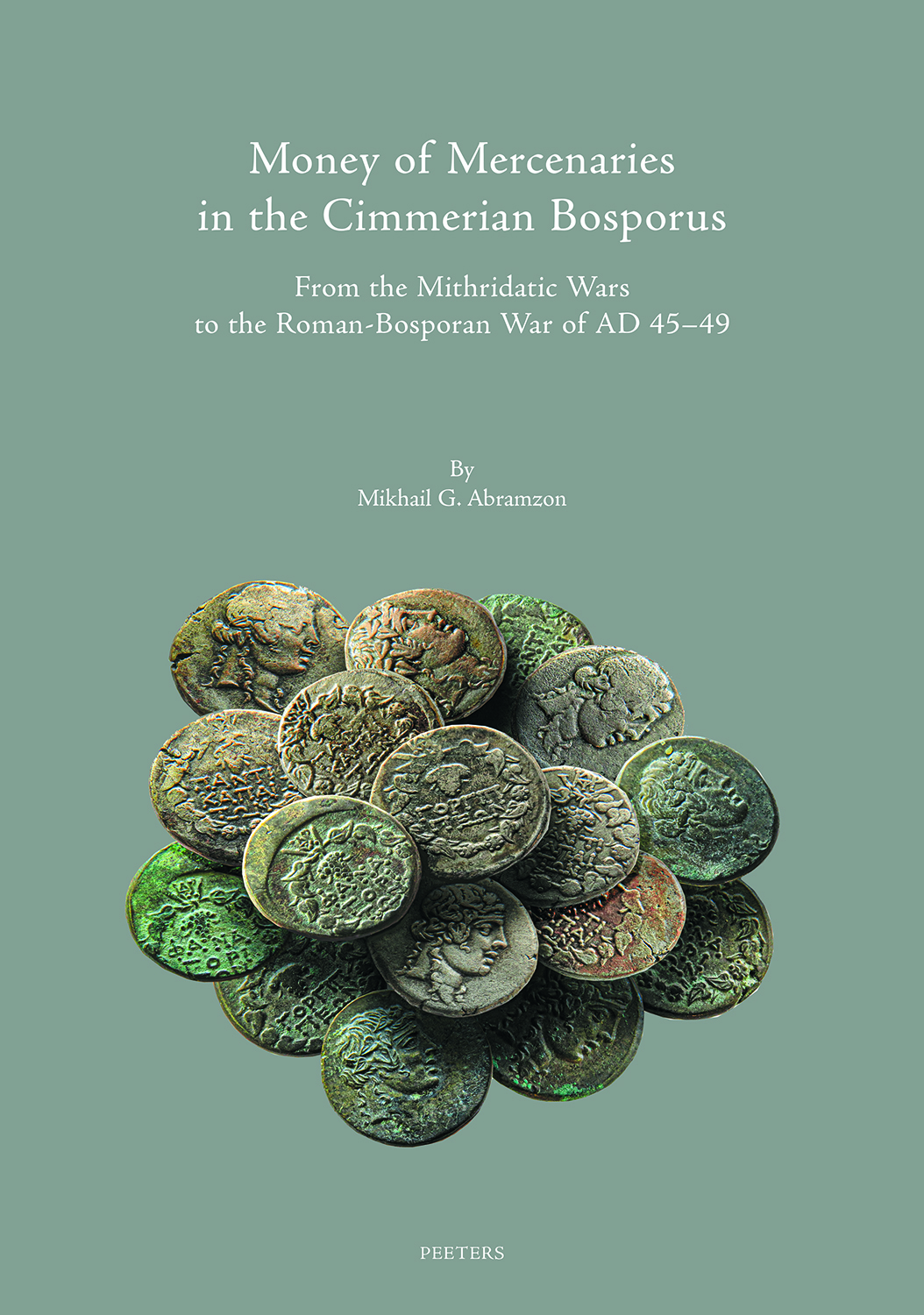 Money of Mercenaries in the Cimmerian Bosporus
From the Mithridatic Wars to the Roman-Bosporan War of AD 45-49
Volume 45

 New Research on Old Collections in Southwest Asian Archaeology
Proceedings of the Workshop Held at the British Museum, London, 31 July – 2 August, 2023
 Old Aramaic Inscriptions and their Contexts
An Epigraphic, Archaeological, and Historical Synthesis
Volume 63

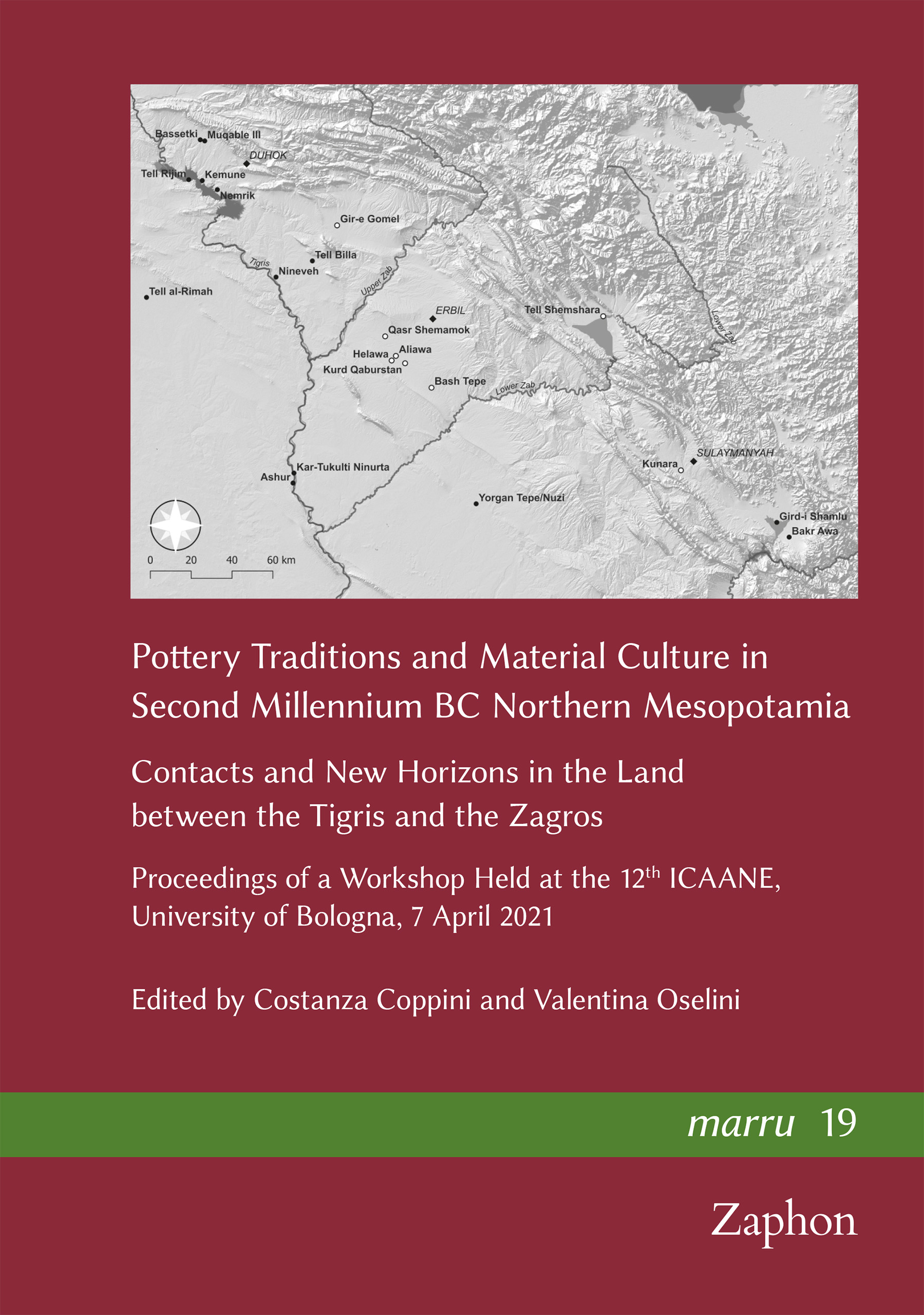 Pottery Traditions and Material Culture in Second Millennium BC Northern Mesopotamia
Contacts and New Horizons in the Land between the Tigris and the Zagros. Proceedings of a Workshop Held at the 12th ICAANE, University of Bologna, 7 April 2021
Volume 19
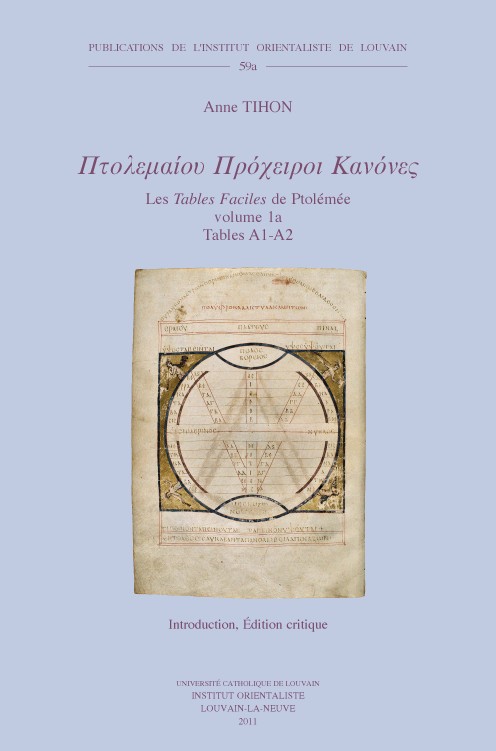
 Punning in Odd or Elegant Constructions in Jeremiah
The Convergence of Linguistics, Rhetoric, and Textuality in the Hebrew Text of Jeremiah

 Sertorius, the Exiles of the Sullan Regime and the Provinces of the Empire
Legitimacy, Morality and Imperial Discourse in the 70s BCE
 Shame in the Worlds of the Hebrew Bible and Akkadian Texts
A Linguistic Study and Its Implications
Volume 33

 Telling Contexts
Archaeological and Textual Studies in Honor of Elizabeth Bloch-Smith and Mark S. Smith
 The Body
Lived, Cultured, Adorned: Essays on Dress and the Body in the Bible and Ancient Near East in Honor of Nili S. Fox
 The Discourse of Rites
Shaping and Reshaping the (Counter-)Priestly Rituals Conducted Outside the Tabernacle
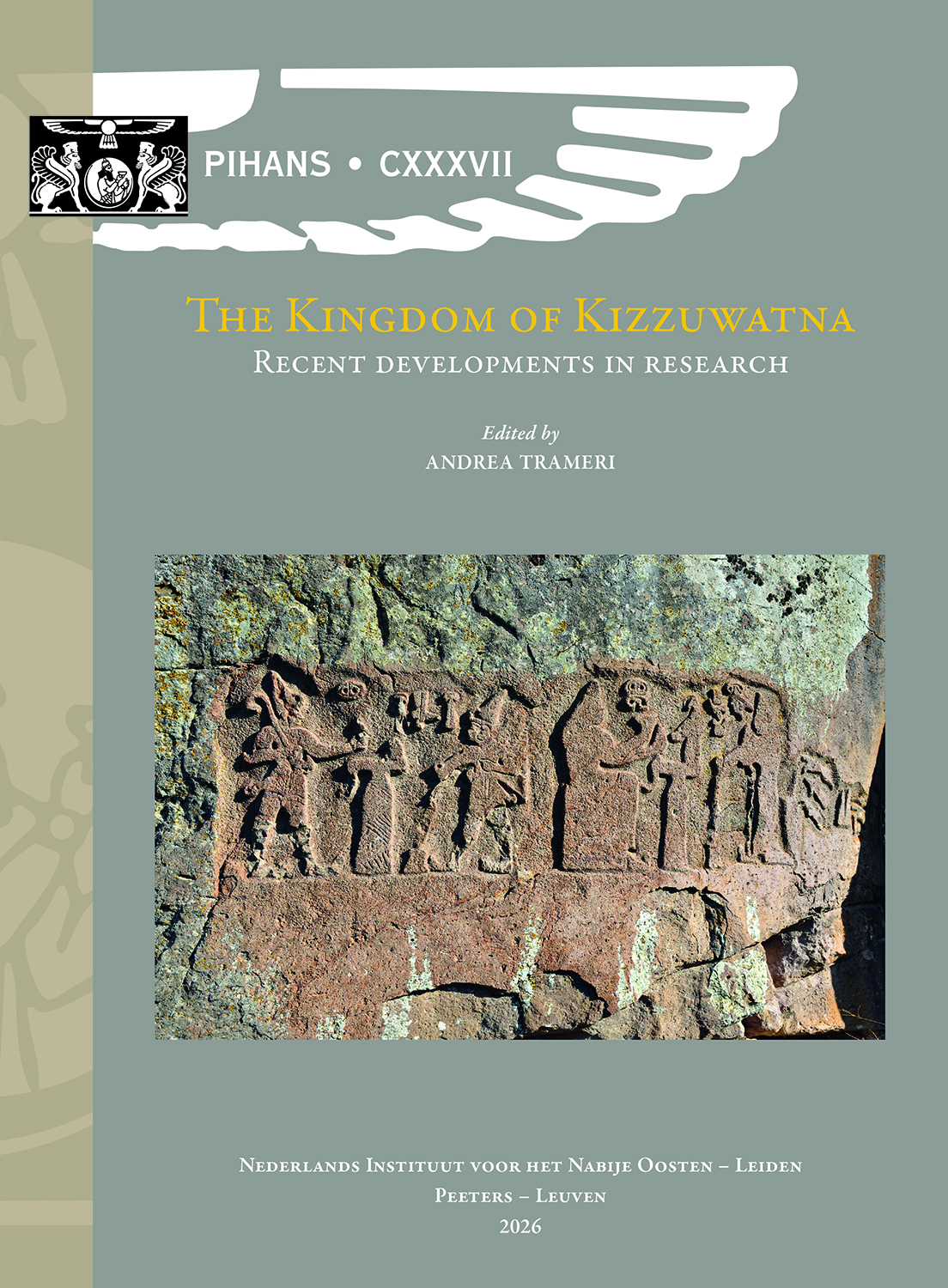 The Kingdom of Kizzuwatna: Recent Developments in Research
Proceedings of the Third NINO Postdoctoral Research Fellow Annual Conference, Leiden, 23rd-25th March 2023
Volume 137