
The Construction of Value in the Ancient World
edited by John K. Papadopoulos and Gary Urton

Hardback (Out of print)
(December 2012)
ISBN: 9781931745901
7.05 x 10 inches
Price: $65.00
On back order
This book brings together the perspectives of leading anthropologists, archaeologists, historians, linguists, philologists, and sociologists on how value was created, defined, and expressed in a number of ancient societies around the world.
Recipient of the Jo Anne Stolaroff Cotsen Prize Scholars from Aristotle to Marx and beyond have been fascinated by the question of what constitutes value. The Construction of Value in the Ancient World makes a significant contribution to this ongoing inquiry, bringing together in one comprehensive volume the perspectives of leading anthropologists, archaeologists, historians, linguists, philologists, and sociologists on how value was created, defined, and expressed in a number of ancient societies around the world. Based on the basic premise that value is a social construct defined by the cultural context in which it is situated, the volume explores four overarching but closely interrelated themes: place value, body value, object value, and number value. The questions raised and addressed are of central importance to archaeologists studying ancient civilizations: How can we understand the value that might have been accorded to materials, objects, people, places, and patterns of action by those who produced or used the things that compose the human material record? Taken as a whole, the contributions to this volume demonstrate how the concept of value lies at the intersection of individual and collective tastes, desires, sentiments, and attitudes that inform the ways people select, or give priority to, one thing over another.
Table of Contents Part I: Place Value Ch. 1: Significant stones, significant places: monumentality and landscapes in Neolithic western Europe by Chris Scarre Ch. 2: The negotiation of place value in the landscape by John Chapman Ch. 3: Spare values: the decision not to destroy by Susan E. Alcock Ch. 4: Emplacing value, cultivating order: places of conversion and practices of subordination throughout early Inka state formation (Cusco, Peru) by Steve Kosiba Ch. 5: The revaluation of landscapes in the Inca Empire as Peircean replication by Charles Stanish Part II: Body Value Ch. 6: Objectifying the body: the increased value of the ancient Egyptian mummy during the socioeconomic crisis of Dynasty 21 by Kathlyn M. Cooney Ch. 7: From value to meaning, from things to persons: the grave circles of Mycenae reconsidered by Sofia Voutsaki Ch. 8: Dressing the body in splendor: expression of value by the Moche of ancient Peru by Christopher B. Donnan Ch. 9: Interpreting the Paracas body and its value in ancient Peru by Lisa DeLeonardis Ch. 10: The value of chorality in ancient Greece by Leslie Kurke Ch. 11: Bodies and their values in the early Medieval West by Patrick J. Geary Part III: Object Value Ch. 12: Systems of value among material things: the nexus of fungibility and measure by Colin Renfrew Ch. 13: Money, art, and the construction of value in the ancient Mediterranean by John K. Papadopoulos Ch. 14: The construction of values during the Peruvian Formative by Richard L. Burger Ch. 15: Bronze, jade, gold, and ivory: valuable objects in ancient Sichuan by Rowan Flad Ch. 16: The value of aesthetic value by James I. Porter Ch. 17: Light and the precious object, or value in the eyes of the Byzantines by Ioli Kalavrezou Ch. 18: Figurine fashions in formative Mesoamerica by Richard G. Lesure Ch. 19: From rational to relational: re-configuring value in the Inca Empire by Tamara L. Bray Ch. 20: Competing and commensurate values in colonial conditions: how they are expressed and registered in the sixteenth-century Andes by Tom Cummins Part IV: Number Value Ch. 21: Equivalency values and the command economy of the Ur III period in Mesopotamia by Robert K. Englund Ch. 22: Constructing value with instruments versus constructing equivalence with mathematics: measuring grains according to early Chinese mathematical sources by Karine Chemla Ch. 23: Recording values in the Inka Empire by Gary Urton Ch. 24: The varieties of ancient Maya numeration and value by David Stuart Ch. 25: Calculative objects: sustaining symbolic systems in the ancient Mediterranean by Melissa A. Bailey
John K. Papadopoulos is professor of classics and archaeology at the University of California, Los Angeles. Gary Urton is the Dumbarton Oaks Professor of Pre-Columbian Studies in the archaeology program of the department of anthropology at Harvard University.
- Edited by John K. Papadopoulos
- Edited by Gary Urton
Other Titles in this Series


Similar Books


 Archaeological Excavations at Irmis Rka: An Investigation of a Multi-Layered Settlement in Southwest Georgia
Results from the 2020 Season: Early Bronze Age to Medieval Occupations


 Caesar’s Visions and Impact on the Roman Empire
Revisiting the Archaeological and Historical Record of the 40s BC
Volume 2


 Catuvellaunia and Rome: Economic and Political Relations during the Final Decades Pre-conquest
The Role of Grain from Southeastern Britain and Its Potential for Maintenance of the Roman Military along the Frontier on the Rhine
 Colour Concept “Secoli bui” a colori
Codici cromatici e architetture dipinte nell’età tardoantica e medievale
 Construction Processes in Historical Western Societies (5th c. BC – 10th c. AD)
Case Studies on Techniques, Models, and Costs

 Crossing Disciplines in the Study of Archaeology and Prehistoric Art: Insights from the Sahara and Mediterranean Africa
Proceedings of the XX UISPP World Congress (5–9 September 2023, Timișoara, Romania) Volume / Session 18
 Crossing Sacred Landscapes
Contacts and Continuities in the Desert Cults and Beliefs of Ancient Northern Arabia and the Arid Southern Levant
 Cuneiform Artefacts from Archaeological Contexts: New Research on Ancient Iraq
Proceedings of a Conference Held at the Bavarian Academy of Sciences and Humanities, July 4–5, 2024
Volume 2


 ENTANGLED AFRICA
Intra-African Relations Between Rain Forest and Mediterranean from Around 4,000 BCE to 1,500 CE


 Etruscan and Roman Hellenistic Anatomical ex votos
Reassessing Popular Religious Expressions in Central Italy
Volume 8

 Exploring Prehistoric Pottery in Japan
A Study of Organic Inclusions, Adhering Materials, and Impressions of Woven Items


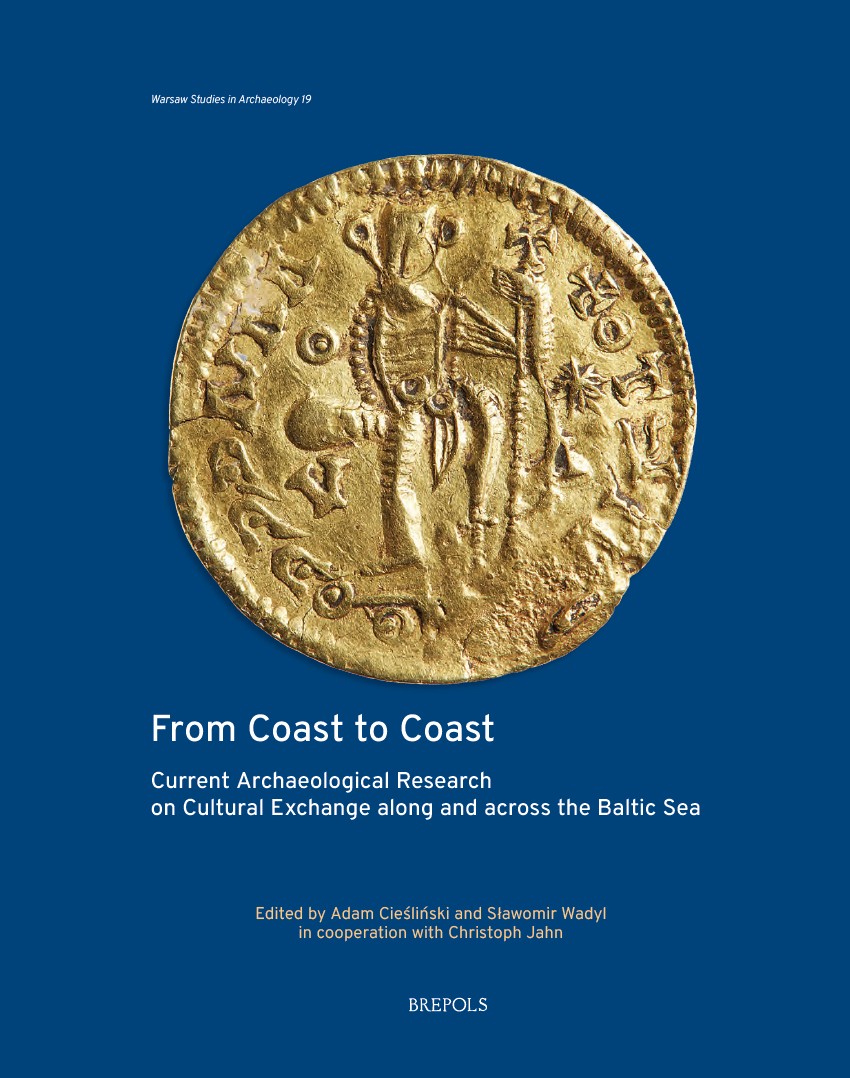 From Coast to Coast
Current Archaeological Research on Cultural Exchange along and across the Baltic Sea
Volume 19
 Frontiers of the Roman Empire: The Frontier of the Roman Province of Raetia
Grenzen des Römischen Reiches: Die Grenze der Römischen Provinz Raetien

 Gold, Silver and Glass: Power Networks, Cultural Identities, Technology Transfers and Agency across the Old World (7th Century BC – 1st Century AD)
Proceedings of a Conference Held at the British Museum, 16–18 June 2023
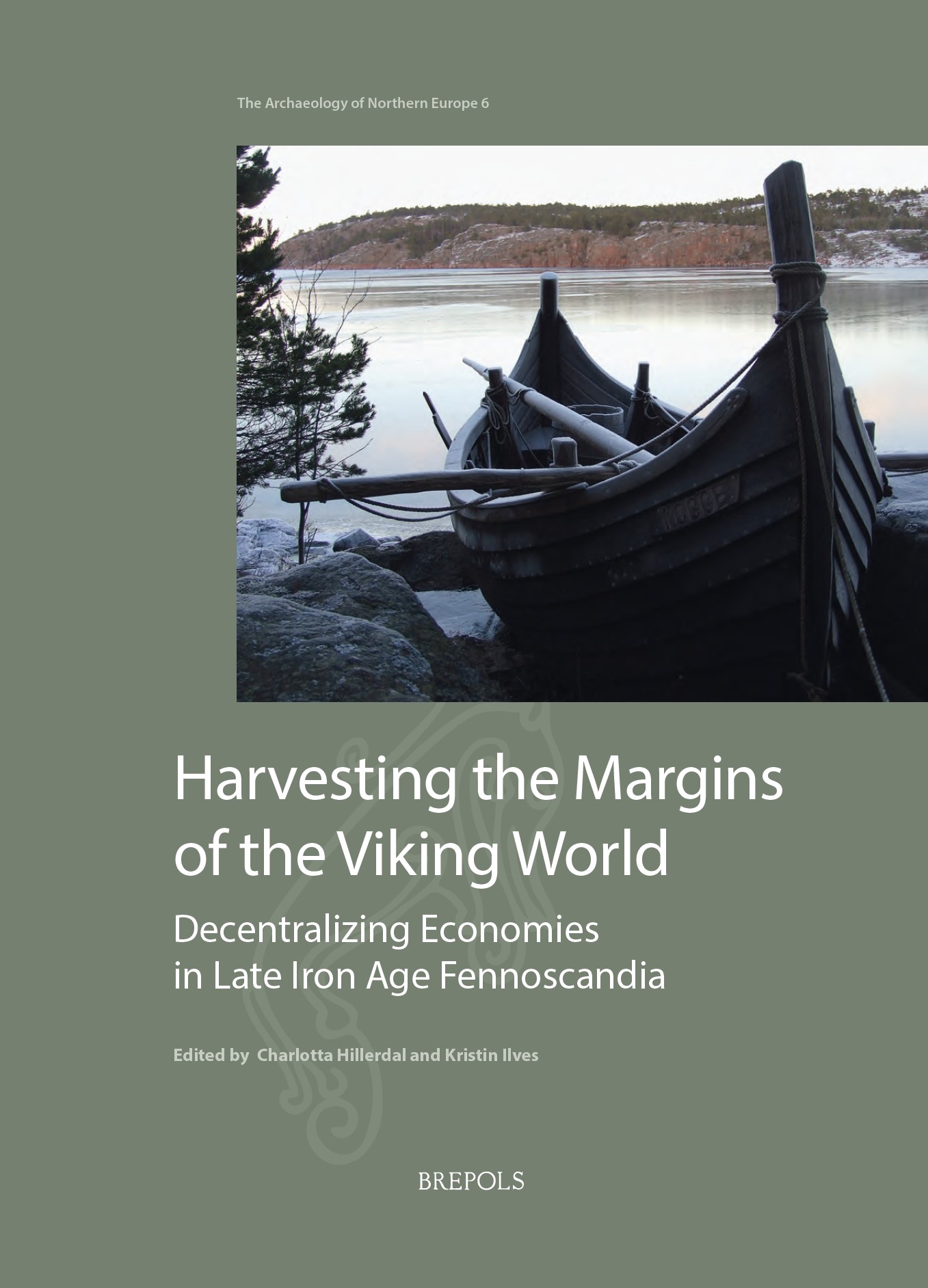 Harvesting the Margins of the Viking World
Decentralizing Economies in Late Iron Age Fennoscandia
Volume 6


 Images of Anonymous Women
A Semiotic Approach to Image-Text Relations in Interpretation of Ancient Near Eastern Art and the Hebrew Bible
Volume 310