The American Exceptionalism Revisited
by Leonardo Morlino, Elena Baracani, Sergio Fabbrini, Gianfranco Pasquino, Matteo Dian, Markus B. Siewert, Claudius Wagemann, Federico Romero, Wojciech Sadurski, Oliver Boyd-Barret, Anne C.M. Meuwese, Claudio M. Radaelli, Marco Tortora and edited by Marcello Fantoni and Leonardo Morlino

When looking at the US from a European perspective a sort of paradox immediately emerges. On the one hand, the ‘American way of life’ has been penetrating in depth our everyday life and, even more, our Western culture through the music, the movies, the literature and all possible consumerist habits. But, on the other hand, all recurrent statements have been emphasizing the ‘American exceptionalism’ of political institutions, that is, how different and distant the North American institutions are from the European ones with regards to the government leadership, the relationships between existing powers, the connections with the citizens and even the very notion of democracy. This book will not analyze the reasons of such exceptionalism. It addresses a more salient and up to date question: how much exceptionalism is today still present if we compare US democratic institutions to the European ones? In other words, has there been a convergence or are the differences still very strong and accentuated? And if there has been convergence, in what directions? Or if resilient divergences, on what aspects? Moreover, how to explain the convergence, if there has been one?
When looking at the US from a European perspective a sort of paradox immediately emerges. On the one hand, the ‘American way of life’ has been penetrating in depth our everyday life and, even more, our Western culture through the music, the movies, the literature and all possible consumerist habits. But, on the other hand, all recurrent statements have been emphasizing the ‘American exceptionalism’ of political institutions, that is, how different and distant the North American institutions are from the European ones with regards to the government leadership, the relationships between existing powers, the connections with the citizens and even the very notion of democracy. This book will not analyze the reasons of such exceptionalism. It addresses a more salient and up to date question: how much exceptionalism is today still present if we compare US democratic institutions to the European ones? In other words, has there been a convergence or are the differences still very strong and accentuated? And if there has been convergence, in what directions? Or if resilient divergences, on what aspects? Moreover, how to explain the convergence, if there has been one?
- By (author) Elena Baracani
- By (author) Oliver Boyd-Barret
- By (author) Matteo Dian
- By (author) Sergio Fabbrini
- By (author) Anne C.M. Meuwese
- By (author) Leonardo Morlino
- By (author) Gianfranco Pasquino
- By (author) Claudio M. Radaelli
- By (author) Federico Romero
- By (author) Wojciech Sadurski
- By (author) Markus B. Siewert
- By (author) Marco Tortora
- By (author) Claudius Wagemann
- Edited by Marcello Fantoni
- Edited by Leonardo Morlino
Other Titles in this Series


Similar Books

 As Messianism Turns to Heresy
The Regenstein Chair Lectures On Lurianic Kabbalah and Shabbatai Tzevi at Hebrew Union College - Cincinnati

 Beyond Sovereign Courts
Agents and Practices in Early Modern Spanish and Habsburg Diplomacy
Volume 3


 Dis/United States of Vulnerability
Literary and Cultural Transgressions in U.S. Poetry Since the 1960s
Volume 330


 Food Security under Armed Conflict
Global Knowledge Landscape and Public Attention to Social, Economic, and Humanitarian Dimensions

 Innovationes Lovanienses: Arts, Law and Theology at the University of Louvain (1425–1797)
Studium Lovaniense: Learning across Borders, 2
Volume 18


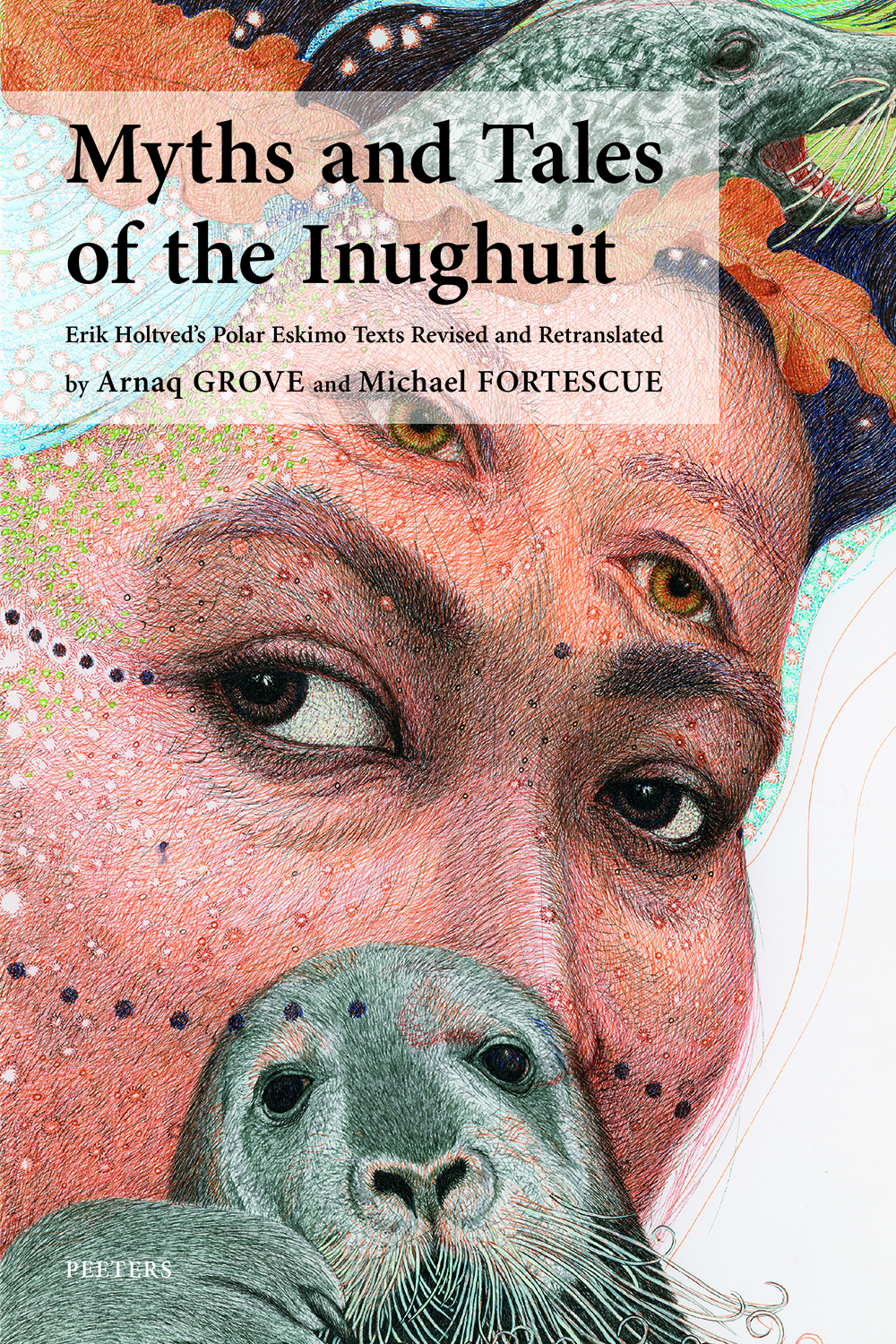 Myths and Tales of the Inughuit
Erik Holtved's Polar Eskimo Texts Revised and Re-translated into Danish and English
Volume 475, 12


 Students, Scholars and Their Books at the University of Louvain (1425-1797)
Studium Lovaniense: Learning across Borders, 1
Volume 17


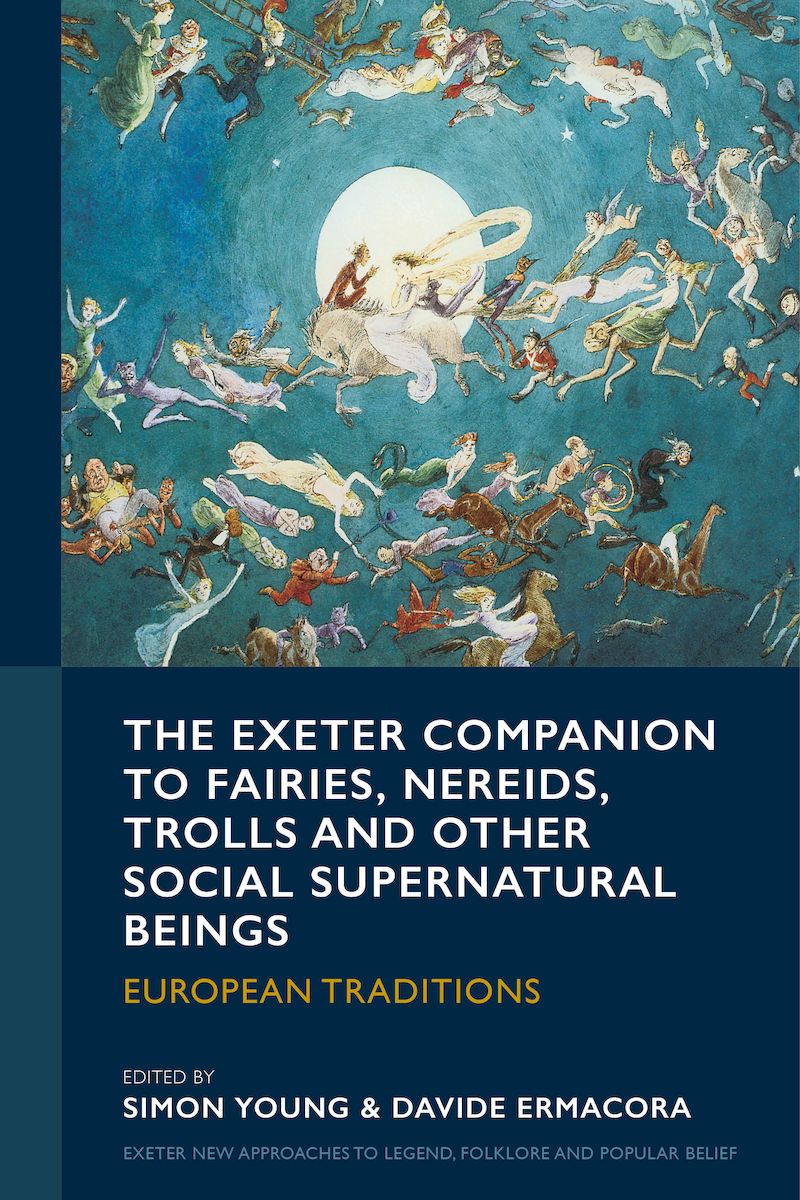 The Exeter Companion to Fairies, Nereids, Trolls and other Social Supernatural Beings
European Traditions


 The Phantom Hitchhiker
Italian Literature, Japanese Lore, and the Transnational Afterlives of a Global Ghost Story



 Writing of Women as Cultural Resistance
Deconstructing Memory Legacies in the Afro-Luso-Brazilian Atlantic