
The Idea of Violence
edited by James A. Tyner

What constitutes violence? Such a deceptively simple question belies a much longer and contested history over the idea, meaning, and actualization of violence. Our initial supposition is that violence is an abstraction, a constantly changing ‘idea’ that impacts the ways in which it manifests itself and how people and societies relate to it. Violence thus becomes an intrinsic factor–negative, positive, ritual, institutional, revolutionary–of sociological processes and as such its practices and interpretations affect and are affected by culture. The contributions in this volume address directly the philosophic foundations of violence within different historical and geographical contexts. Individually and collectively, contributors investigate how varied contexts generate specific concepts of violence and, concurrently, how different philosophies and ideologies shape the expression, perception, and representation of violence.
What constitutes violence? Such a deceptively simple question belies a much longer and contested history over the idea, meaning, and actualization of violence. Our initial supposition is that violence is an abstraction, a constantly changing ‘idea’ that impacts the ways in which it manifests itself and how people and societies relate to it. Violence thus becomes an intrinsic factor–negative, positive, ritual, institutional, revolutionary–of sociological processes and as such its practices and interpretations affect and are affected by culture. The contributions in this volume address directly the philosophic foundations of violence within different historical and geographical contexts. Individually and collectively, contributors investigate how varied contexts generate specific concepts of violence and, concurrently, how different philosophies and ideologies shape the expression, perception, and representation of violence.
- By (author) Samuel Cohn Jr.
- By (author) Laura Fenelli
- By (author) Jim Glassman
- By (author) Fabrizio Ricciardelli
- By (author) Estela Schindel
- By (author) James A. Tyner
- By (author) Pierluigi Valsecchi
- Edited by James A. Tyner
Other Titles in this Series


Similar Books


 As Messianism Turns to Heresy
The Regenstein Chair Lectures On Lurianic Kabbalah and Shabbatai Tzevi at Hebrew Union College - Cincinnati

 Beyond Sovereign Courts
Agents and Practices in Early Modern Spanish and Habsburg Diplomacy
Volume 3


 Drunk the Potion, No Whit Charmed
The Doctrine of Pure and Perfect Souls from Iamblichus to Damascius

 Éthique, politique, religions
Superstition (XVIIe - XXIe siècles). Sémantique, histoires et cultures


 Food Security under Armed Conflict
Global Knowledge Landscape and Public Attention to Social, Economic, and Humanitarian Dimensions


 Innovationes Lovanienses: Arts, Law and Theology at the University of Louvain (1425–1797)
Studium Lovaniense: Learning across Borders, 2
Volume 18
 La Lettre clandestine
La littérature philosophique clandestine, ses éditeurs et ses éditions
Volume 34

 Libertinage et philosophie à l’époque classique (XVIe-XVIIIe siècle)
Athéisme, Modernité et Sécularisation / Atheism, Modernity and Secularization
Volume 23


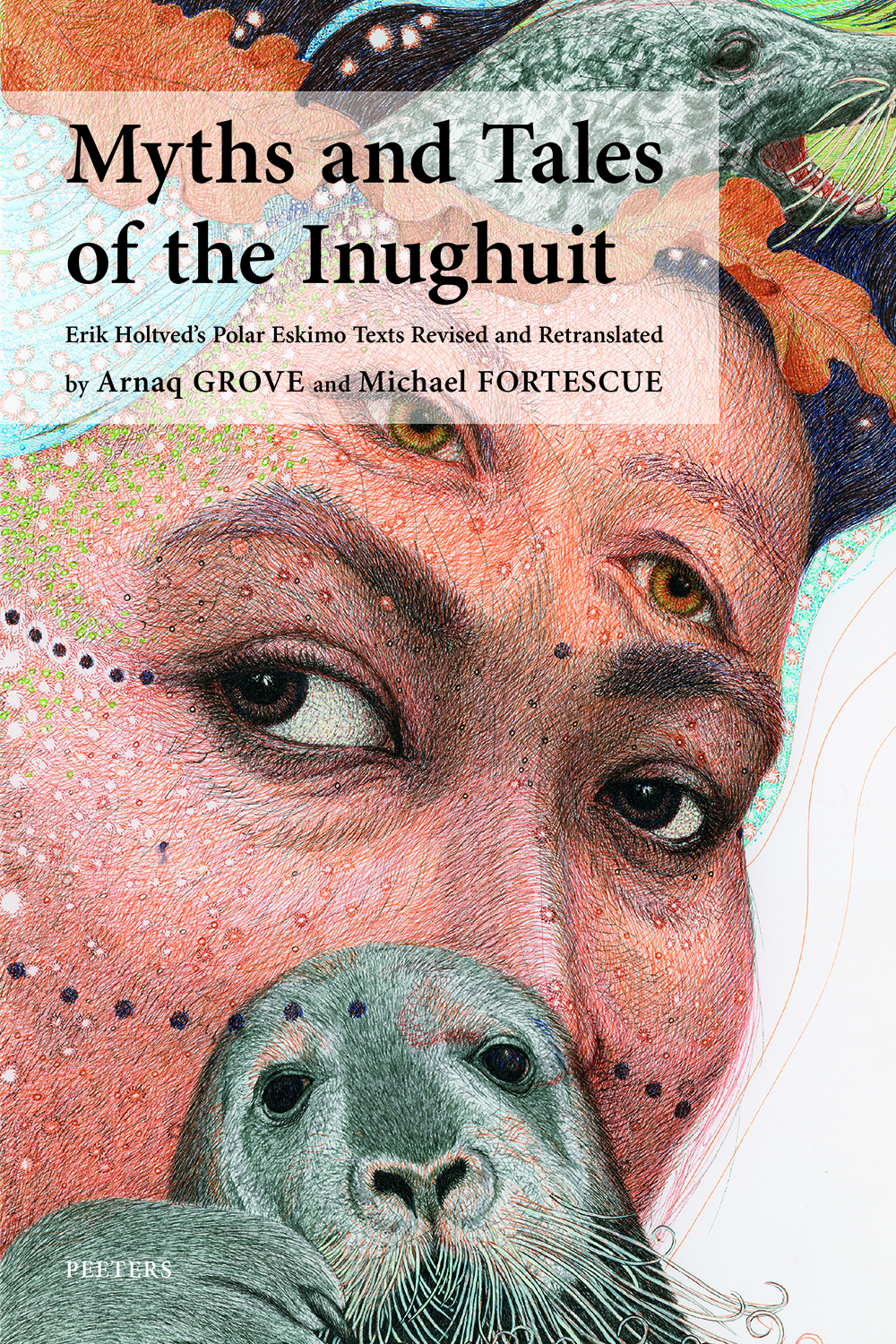 Myths and Tales of the Inughuit
Erik Holtved's Polar Eskimo Texts Revised and Re-translated into Danish and English
Volume 475, 12


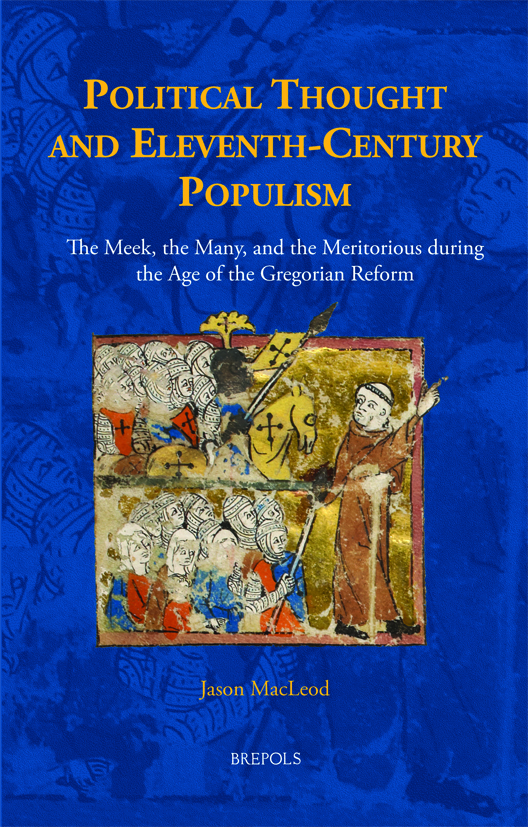 Political Thought and Eleventh-Century Populism
The Meek, the Many, and the Meritorious during the Age of the Gregorian Reform
Volume 38


