
What Shall I Say of Clothes? Theoretical and Methodological Approaches to the Study of Dress in Antiquity
edited by Megan Cifarelli and Laura Gawlinski

Paperback (Published)
(January 2017)
ISBN: 9781931909341
5.94 x 8.98 inches
Price: $24.95
In stock
Looks at a variety of theoretical and methodological strategies for the interpretation of dress, and representations in the ancient world. Multi-disciplinary, integrating literary and archaeological evidence, experimental archaeology, social theory and the study of iconography. 83 illustrations, most in colour.
The essays in this volume engage explicitly in a variety of theoretical and methodological strategies for the interpretation of dress, dressed bodies, and their representations in the ancient world. Focusing on personal ornaments, portraiture, and architectural sculpture, the collected papers investigate the visual, somatic, and semantic significance of the act of getting dressed, what it meant to be dressed in various ways, and how dress contributed to and shaped identities in antiquity. Authors draw from a wide range of disciplinary frameworks, integrating literary and archaeological evidence, experimental archaeology, social theory and the study of iconography. This volume spans a broad area both geographically and chronologically, bringing the ancient Near East into dialogue with the classical world from prehistory through late antiquity. The breadth and inclusivity of this volume provide a strong theoretical and methodological foundation for the collaborative study of the dynamic role of dressed bodies and images that depict them. Contributors are Emma L. Baysal, Eric Beckmann, Ayse Bursali, Alexis Q. Castor, Megan Cifarelli, Laura Gawlinski, Maura Heyn, Neville McFerrin, Kiersten Neumann, Hadi Ozbal, Rana Ozbal, Josephine Verduci, Alissa Whitmore, Elizabeth Wueste, and Baris Yagci.
Acknowledgements Introduction-Megan Cifarelli and Laura Gawlinski List of Contributors Section One: Getting Dressed Gods Among Men: Fashioning the Divine Image in Assyria-Kiersten Neumann, Early Iron Age Adornment within Southern Levantine Mortuary Contexts: An Argument for Existential Significance in Understanding Material Culture-Josephine A. Verduci Section Two: Being Dressed Color-Coded: The Relationship between Color, Iconography, and Theory in Hellenistic and Roman Gemstones-Eric Beckman Fascinating Fascina: Apotropaic Magic and How to Wear a Penis-Alissa M. Whitmore Surface Tensions on Etruscan and Greek Jewelry-Alexis Q. Castor, Costly Choices: Signaling Theory and Dress in Period IVb Hasanlu, Iran-Megan Cifarelli Section Three: Dress and Identity Neolithic Blue Beads in Northwest Turkey: The Social Significance of Skeuomorphism- Ayse Bursali, Rana Ozbal, Emma Baysal, Hadi Ozbal, Baris Yagci Fabrics of Inclusion: Deep Wearing and the Potentials of Materiality on the Apadana Reliefs-Neville McFerrin Theorizing Religious Dress-Laura Gawlinski The Costumes and Attributes of Late Antique Honorific Monuments: Conformity and Divergence within the Public and Political Sphere-Elizabeth Wueste Western Men, Eastern Women? Dress and Cultural Identity in Roman Palmyra-Maura K. Heyn
- Edited by Megan Cifarelli
- Edited by Laura Gawlinski
"Each chapter in this volume is a valuable contribution to ancient dress (especially those concerning the Near East and Turkey, subjects not often found in books on 'ancient' dress) and a helpful compendium on fascinating new directions in studies on ancient clothing and adornment. . . . I would count it essential reading for every scholar of costume in antiquity." --Kelly Olson, The University of Western Ontario, Bryn Mawr Classical Review, 2019.09.25
—
Other Titles in this Series


 Hephaistus on the Athenian Acropolis
Current Approaches to the Study of Artifacts Made of Bronze and Other Metals
Volume 7


Similar Books



 Caesar’s Visions and Impact on the Roman Empire
Revisiting the Archaeological and Historical Record of the 40s BC
Volume 2

 Connecting the Dots: Counting, Writing, and the Beginnings of Civilization
The Secret Lives of Clay Tokens: A Memoir


 Etruscan and Roman Hellenistic Anatomical ex votos
Reassessing Popular Religious Expressions in Central Italy
Volume 8

 Exploring Gender Dynamics across the Ancient Near East
Collected Essays of Gender and Methodology in the Ancient Near East (GeMANE) 4 and 5
Volume 7


 Ḫattušaš utnē išḫameški
Hittite and Other Ancient Near Eastern Studies Presented to Piotr Taracha on the Occasion of His 65th Birthday


 Invisible Labour in Antiquity
Visualizing Obscure Work in the Ancient Mediterannean and West Asia
Volume 1
 Late Antique villae in the Balkans (3rd–7th c. AD): Current Research Questions and Perspectives
HAEMUS Companion to the Late Antique Balkans 1
Volume 4

 New Research on Old Collections in Southwest Asian Archaeology
Proceedings of the Workshop Held at the British Museum, London, 31 July – 2 August, 2023
 Old Aramaic Inscriptions and their Contexts
An Epigraphic, Archaeological, and Historical Synthesis
Volume 63


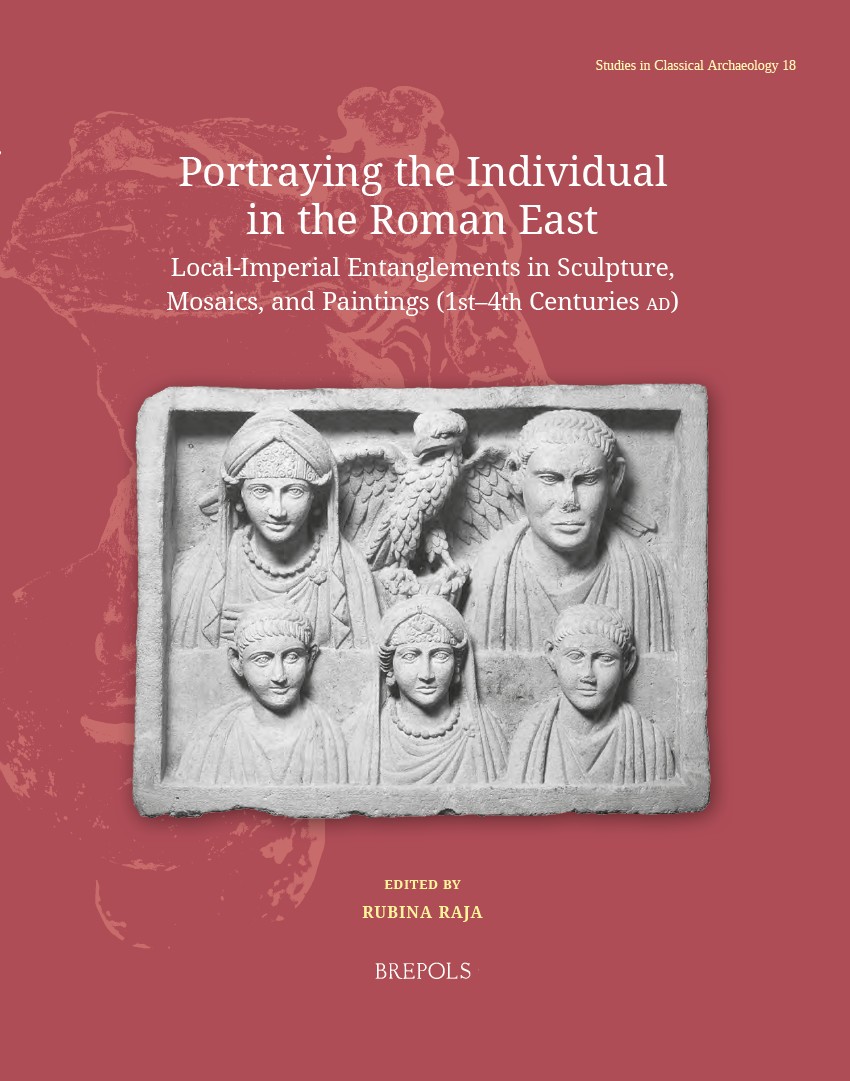 Portraying the Individual in the Roman East
Local–Imperial Entanglements in Sculpture, Mosaics, and Paintings (First–Fourth Centuries AD)
Volume 18
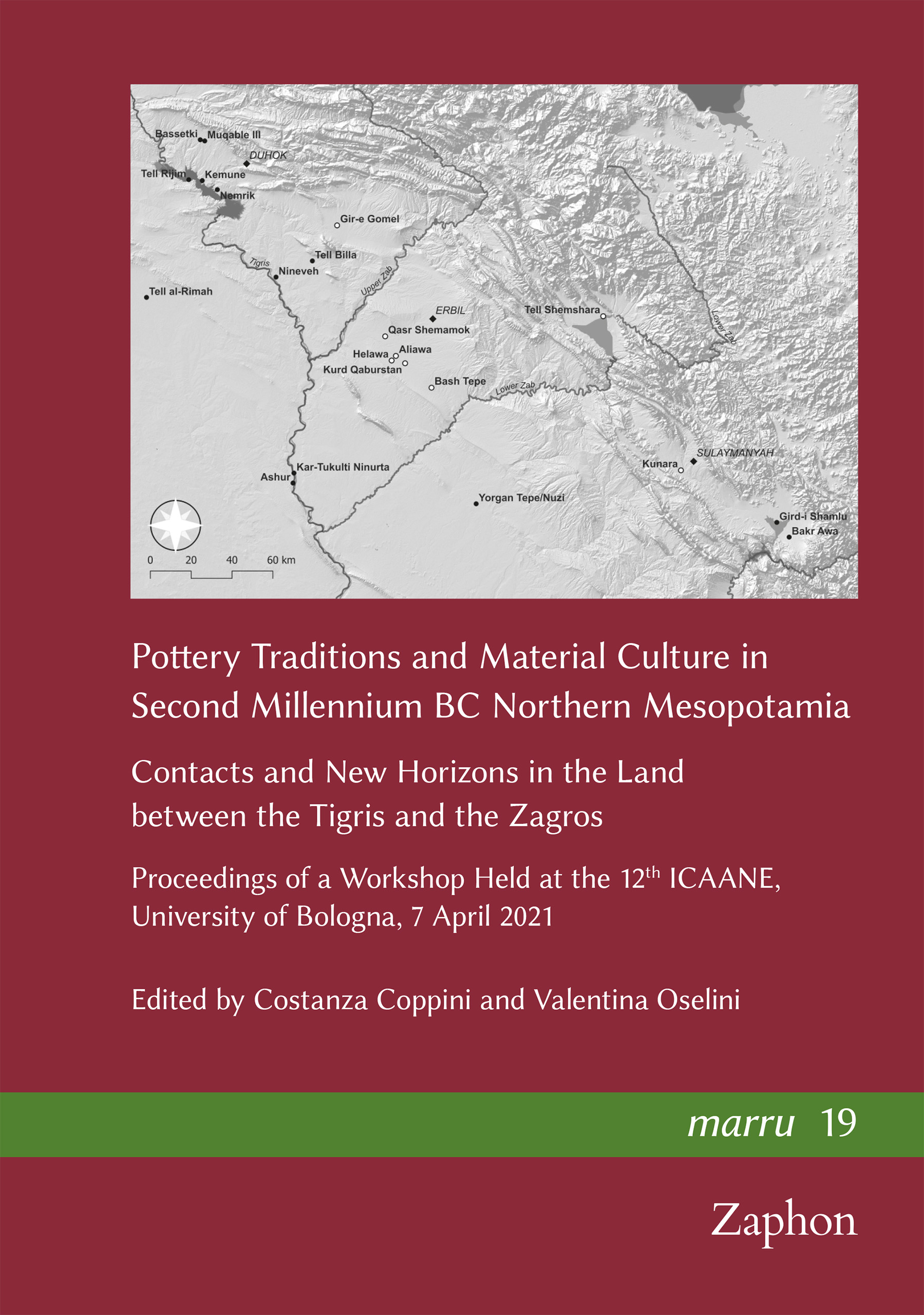 Pottery Traditions and Material Culture in Second Millennium BC Northern Mesopotamia
Contacts and New Horizons in the Land between the Tigris and the Zagros. Proceedings of a Workshop Held at the 12th ICAANE, University of Bologna, 7 April 2021
Volume 19
 Punning in Odd or Elegant Constructions in Jeremiah
The Convergence of Linguistics, Rhetoric, and Textuality in the Hebrew Text of Jeremiah

 Shame in the Worlds of the Hebrew Bible and Akkadian Texts
A Linguistic Study and Its Implications
Volume 33
 Small Worlds and Relational Agencies: Local Societies in Early Medieval Iberia
Pequeños mundos y Agencias relacionales: Sociedades locales altomedievales en la Península Ibérica
 Telling Contexts
Archaeological and Textual Studies in Honor of Elizabeth Bloch-Smith and Mark S. Smith
 The Body
Lived, Cultured, Adorned: Essays on Dress and the Body in the Bible and Ancient Near East in Honor of Nili S. Fox
 The Discourse of Rites
Shaping and Reshaping the (Counter-)Priestly Rituals Conducted Outside the Tabernacle