
Wahrheit und Bewahrheitung in der alttestamentlichen und altorientalischen Geschichtsschreibung
By (author) Mathis Kreitzscheck Series edited by Angelika Berlejung Series edited by Jan Dietrich Series edited by Enrique Jiménez

Hardback (Published)
(June 2024)
ISBN: 9783525500620
6.34 x 9.49 inches
Price: $188.00
In stock
This award-winning book sets out in search of a concept of factual accuracy in the Old Testament and the historical literature of the ancient Near East. There, as in Greek historiography, one encounters metatexts that serve the direct communication of the ancient authors with the readership, and it turns out that the idea of empirical comprehensibility can already be grasped in the earliest texts of Mesopotamia and Egypt and, although it unfolds differently, remains linguistically and conceptually the same from there through the Old Testament to Herodotus.
Soll das so stimmen? Dieses preisgekronte Buch begibt sich auf die Suche nach einem Konzept von sachlicher Richtigkeit im Alten Testament und der historischen Literatur des Alten Orients. Dort, wie auch in der griechischen Geschichtsschreibung stosst man auf Metatexte, die der direkten Kommunikation der antiken Verfasser mit der Leserschaft dienen.Es stellt sich heraus, dass die Idee empirischer Nachvollziehbarkeit schon in den fruhesten Texten Mesopotamiens und Agyptens zu greifen ist und sich zwar unterschiedlich entfaltet, aber von dort uber das Alte Testament bis hin zu Herodot sprachlich und konzeptionell gleich bleibt.Der terminologische und gedankliche Hintergrund von Wahrheit und Bewahrheitung ist das antike Rechtswesen, das die Parameter fur einen Diskurs uber richtig und falsch liefert, die von der Antike bis heute im Wesentlichen die gleichen geblieben sind.
Mathis Kreitzscheck studierte Theologie, Altorientalistik und Gräzistik in Göttingen und Chicago. In Göttingen wurde er mit dieser Monographie im Fach Altes Testament promoviert. Zur Zeit arbeitet er als Wissenschaftlicher Mitarbeiter im DFG-Langzeitprojekt “The Hittite Corpus of Divinatory Texts” in München.
- By (author) Mathis Kreitzscheck
- Series edited by Angelika Berlejung
- Series edited by Jan Dietrich
- Series edited by Enrique Jiménez
Other Titles in this Series
 Cultic Kisses
Fruitful Encounters Between Deities and Humans. Festschrift for Angelika Berlejung on the Occasion of Her 65th Birthday

 Die Flamme des Herrn?
Eine philologische und theologische Untersuchung der Wurzel אהב im Alten Testament
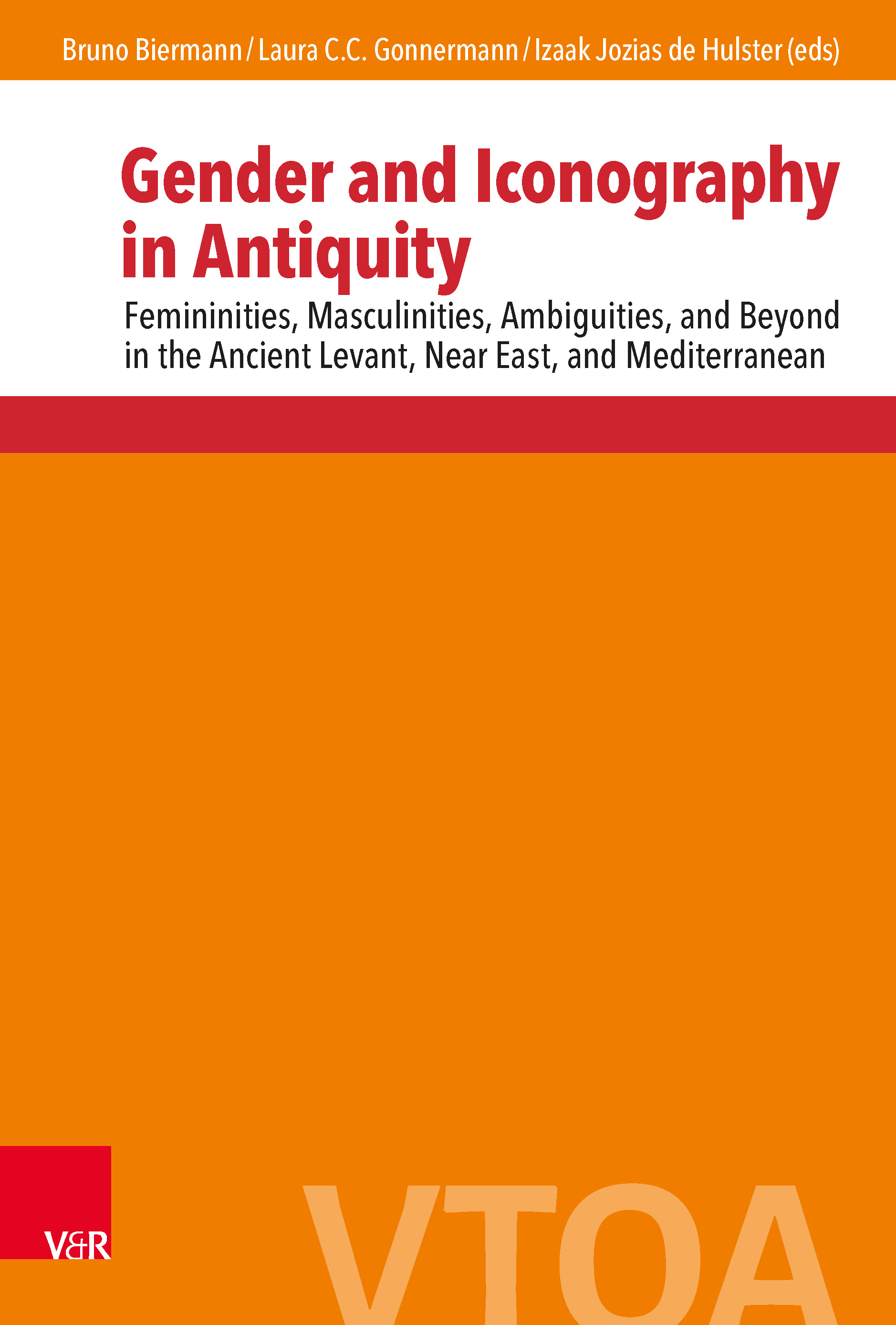 Gender and Iconography in Antiquity
Femininities, Masculinities, Ambiguities, and Beyond in the Ancient Levant, Near East, and Mediterranean
Similar Books





 Apocrypha, Magic, Liturgy
The Multiple Identities of Coptic Prayers in Late Antique and Early Islamic Egypt

 Athanasius of Alexandria, Epistula ad episcopos Aegypti et Libyae
Old Slavonic Version and English Translation
Volume 261

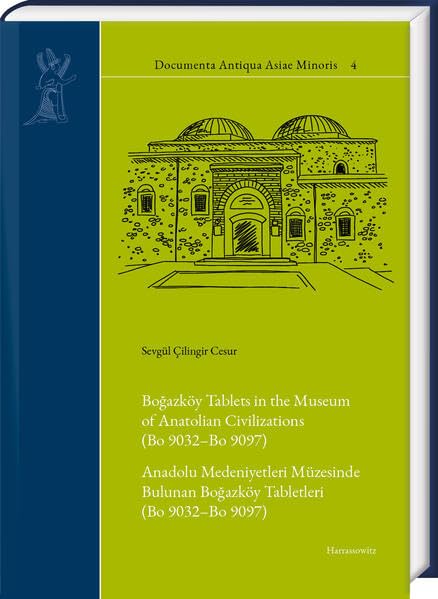 Boğazköy Tablets in the Museum of Anatolian Civilizations (Bo 9032–Bo 9097)
Anadolu Medeniyetleri Müzesinde Bulunan Boğazköy Tabletleri (Bo 9032–Bo 9097)
Volume 4



 Connecting the Dots: Counting, Writing, and the Beginnings of Civilization
The Secret Lives of Clay Tokens: A Memoir
 Contesting Labeled Identities
The Sociology of Gentilics in Biblical and Northwest Semitic Literature

 Curating the Prehistoric Past
Studies on West Asian Archaeology and Beyond in Honour of Yoshihiro Nishiaki
 Cyril of Alexandria’s Christological Exegesis
Explorations of Partitive Exegesis in the Dialogues on the Trinity
Volume 70


 Epiphanies of the Divine in the Septuagint and the New Testament
Fifth International Symposium of the Corpus Judaeo-Hellenisticum Novi Testamenti (CJHNT), 14-17 May 2015, Nottingham


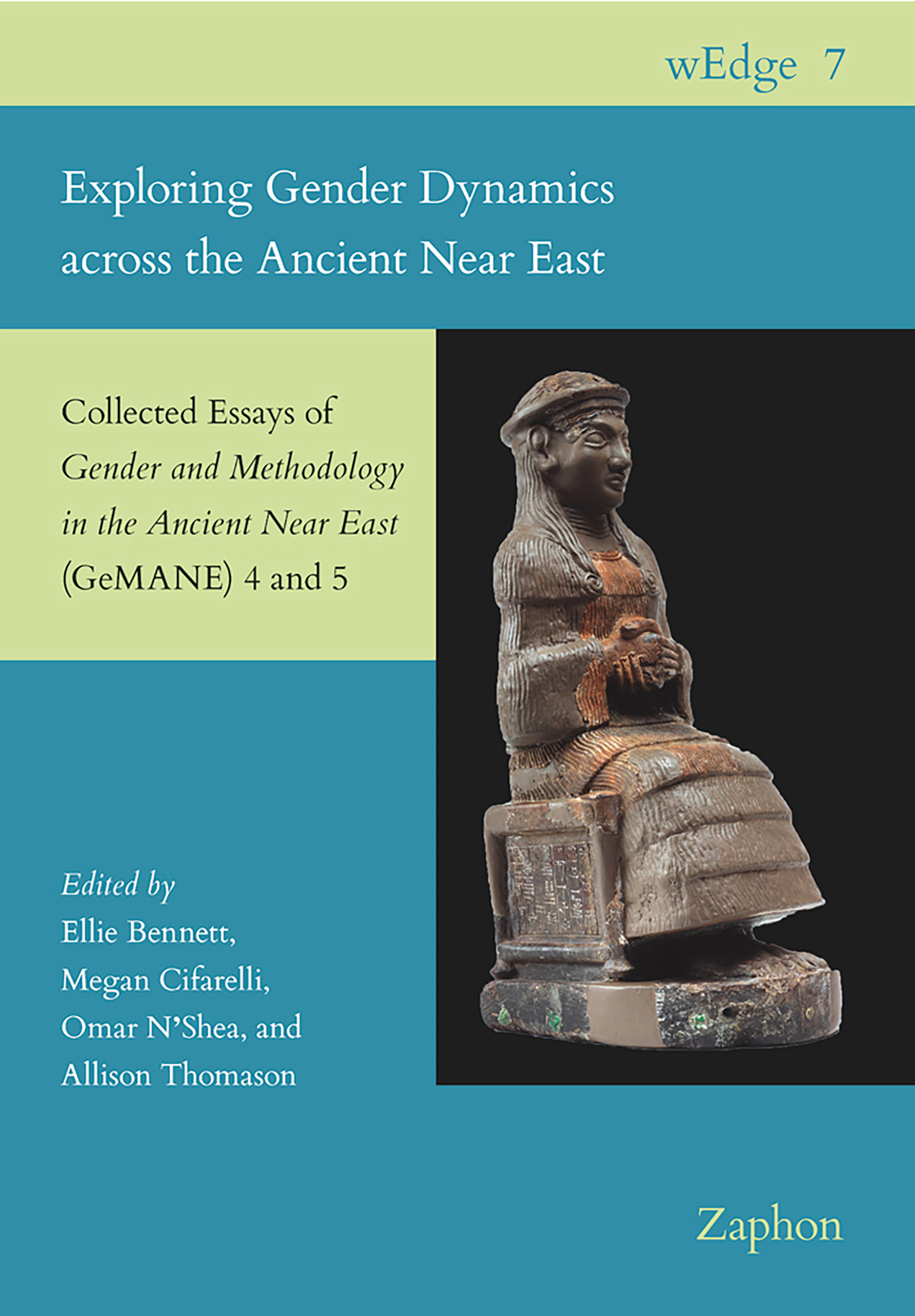 Exploring Gender Dynamics across the Ancient Near East
Collected Essays of Gender and Methodology in the Ancient Near East (GeMANE) 4 and 5
Volume 7
 Extracanonical Traditions and the Holy Land
Texts, Rituals, and Material Culture in Late Antique Palestine

 From Joseph to Jesus
The Joseph Narrative as a Compositional Template from Old Greek Esther to the Gospel of Luke
Volume 125


 Ḫattušaš utnē išḫameški
Hittite and Other Ancient Near Eastern Studies Presented to Piotr Taracha on the Occasion of His 65th Birthday




