
Vera philosophia
Studies in Late Antique medieval and Renaissance Christian Thought
By (author) G d'Onofrio

This volume includes a collection of reworked articles which the author, during the last twenty years, dedicated to the origins and conditions constitutive of Christian philosophical-theological thought. From the earliest centuries of the Christian era, human reason was submitted to a particular formal conditioning, in so far as it was necessarily obliged to confront the contents of a divine revelation recognized as necessarily ‘true’. The medieval Latin scholar was induced by the social and cultural peculiarities of his time to confront a model of thought which imposes a decisive subordination of natural knowledge – demonstrated to be imperfect and inconclusive – to the certainties assured by the faith. The production of this model of philosophia, sensibly different from the dominant paradigms in the classical period, rooted itself in the critical redimensioning of reason introduced into the West by Cicero. Departing from the observation of the failure of the philosophical aspirations of antiquity, the Christian intellectuals effected an operative ‘overturning’ of the conditions of veridical knowledge. The new wisdom was not the result of a pure interference of religion in the field of rational science; it was, however, directed by a conscious ‘conversion’ of the philosophers and fulfilled on two sides: on that of the faith, which requires earthly knowledge in order to defend itself from misunderstandings and heresies; and on that of reason, which allows itself to draw upon supernatural revelation for the possession of regulatory principles which guide it in the study of natural things. This book investigates the development of this approach during the course of the centuries which precede, in the West, the rediscovery of Aristotelian epistemology: from Augustine to Boethius, from John Scottus Eriugena to Anselm of Aosta. It moves to the point of describing the return of this methodological approach, at the end of the Medieval Scholastic period, in the results of the anti-Aristotelian critique carried out by the men of the Renaissance in the recovering of a model of thought which had dominated in the Patristic and Early Medieval periods.
- By (author) G d’Onofrio
Other Titles in this Series


 La triade dell’Essere
Essenza - Potenza - Atto nel pensiero tardo-antico, medievale e rinascimentale
Volume 13


 Religious Obedience and Political Resistance in the Early Modern World
Jewish, Christian and Islamic Philosophers Addressing the Bible
Volume 7
Similar Books


 Innovation and Medieval Communities
The Circulation of Ideas and Practices in and out of the Town (1200-1500)
Volume 63

 Medieval Debates on Foreknowledge: Future Contingents, Prophecy, and Divination
Acts of the XXVII Annual Colloquium of the SIEPM, Trento 12-15 September 2023
Volume 31

 Medieval Yeghegis, Armenia
History, Archaeology, Society. Local Multiplicities and Global Connections of a Rural Centre on the Silk Road(s)

 Nicholas of Lyra’s Commentaries on the Gospels of Matthew and Luke
Franciscan Exegesis in a Time of Crisis



 Power and Women in Southeast and Central Europe in Late Medieval and Early Modern Period (1300-1600)
Volume 10

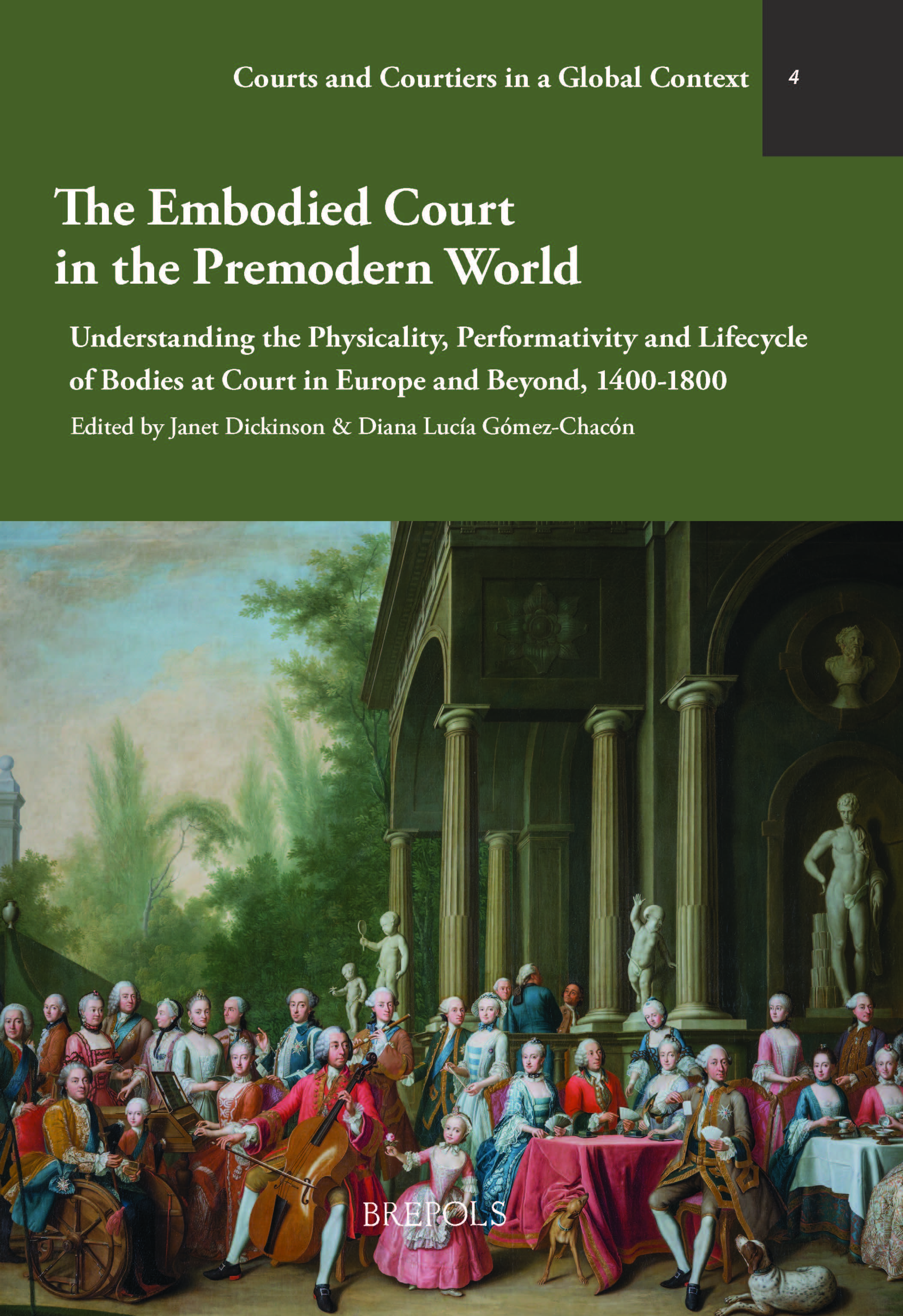 The Embodied Court in the Premodern World
Understanding the Physicality, Performativity and Lifecycle of Bodies at Court in Europe and Beyond, 1400-1800
Volume 4



 Women in Late Antiquity and the Early Middle Ages
Studies from Western Europe and North Africa
Volume 44
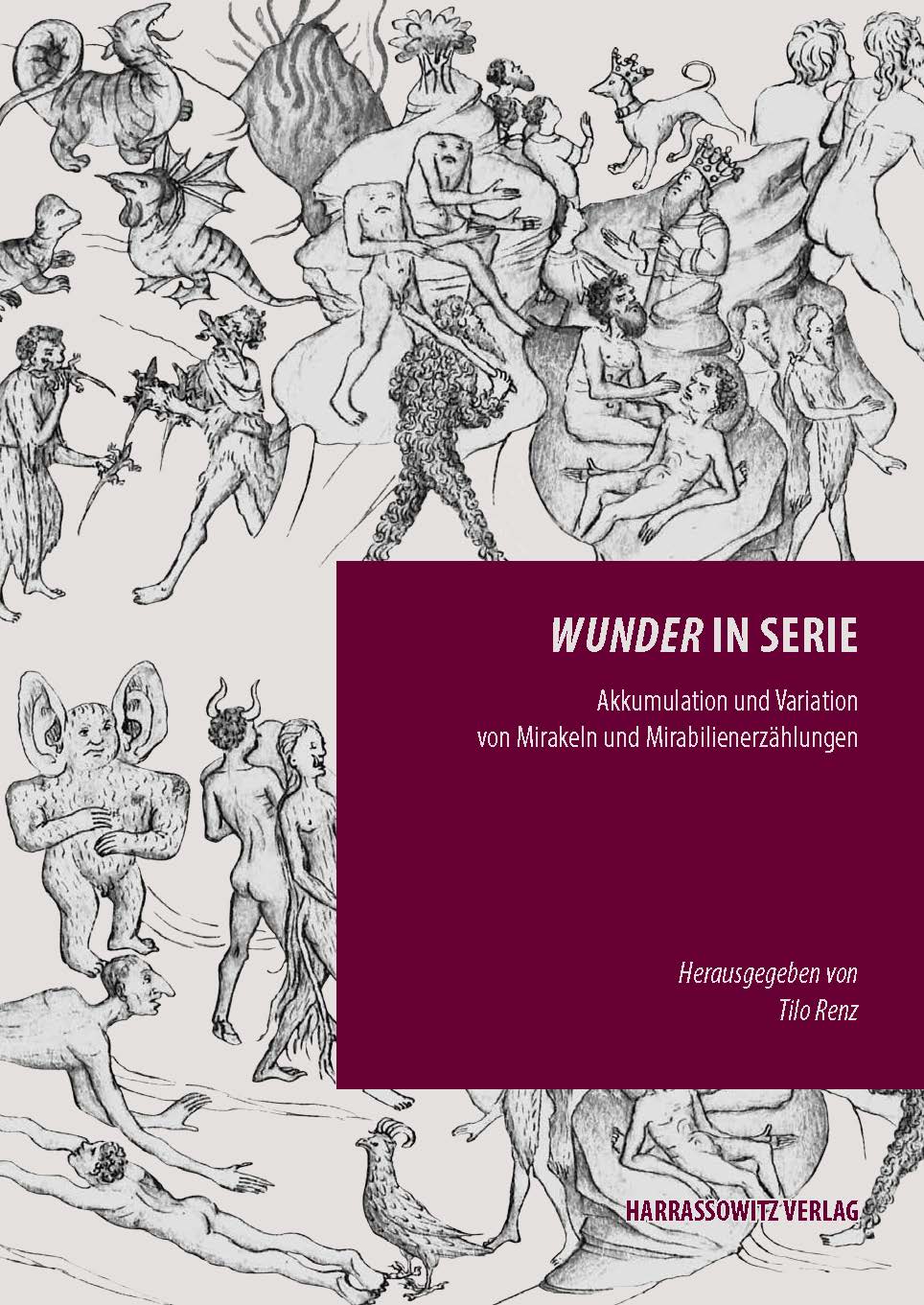 wunder in Serie


 Medialisierung des Ephemeren
Dimensionen des Akustischen in Texten, Bildern und Artefakten des Mittelalters
 Un fascicolo di prediche pistoiesi del 1233. (Pistoia, Archivio Capitolare, C.112)
A cura di Gilda P. Mantovani, Marco Petoletti e Riccardo Saccenti
Volume 556


 Building the Presence of the Prince
The Institutions Responsible for the Construction and Management of the Buildings of European Courts (14th-17th centuries)
Volume 14