
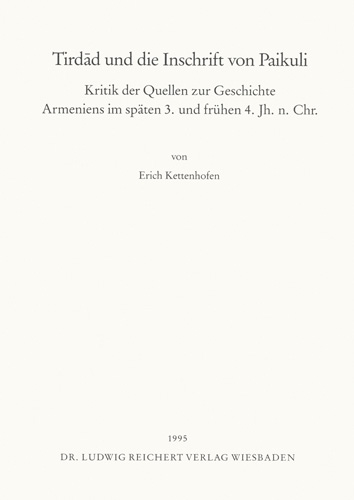
Tirdad und die Inschrift von Paikuli
Kritik der Quellen zur Geschichte Armeniens im späten 3. und frühen 4. Jahrhundert n. Chr.
By (author) Erich Kettenhofen
Paperback (Published)
(May 1995)
ISBN: 9783882268256
6.69 x 9.49 inches
Price: $44.00
In stock
Der persische Konig Narseh hat in einer zweisprachigen Inschrift in mittelpersischer und parthischer Sprache im Jahre 293/294 geschildert, wie er seinen Grossneffen im Kampf um den Thron ausschaltete. Unter jenen Herrschern, die ihn wahrend dieser Auseinandersetzung unterstutzten und ihn als rechtmassigen “Konig der Konige von Iran” anerkannten, nannte er auch den Konig Tirdad. Ist dieser identisch mit jenem Konig Trdat der armenischen Uberlieferung, der noch vor Konstantin dem Grossen zum Christentum bekehrt wurde und anschliessend das Christentum in Armenien als Staatsreligion einfuhrte?Die vorliegende Arbeit beruhrt damit eine weitreichende Problematik. Erstmals wird der Text der Inschrift von Paikuli fur die Frage der Christianisierung Armeniens herangezogen und ausgewertet. Die altarmenischen Zeugnisse liefern keinen Beweis fur die Prioritat der “Konversion” des Konigs, auch wenn nicht ausgeschlossen werden kann, dass das Christentum vereinzelt bereits im 2. und 3. Jahrhundert Fuss fasste. Von einer massenhaften Bekehrung zu einem Zeitpunkt vor 300 n.Chr. kann jedoch keine Rede sein. Dennoch liefert diese Arbeit einen wichtigen Beitrag zur Erforschung der Geschichte Armeniens im 3. und fruhen 4. Jahrhundert, auch im Verhaltnis zu Rom und dem Perserreich.
- By (author) Erich Kettenhofen
Similar Books






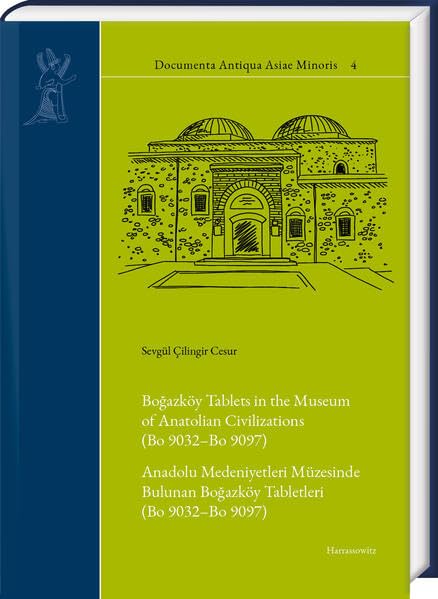 Boğazköy Tablets in the Museum of Anatolian Civilizations (Bo 9032–Bo 9097)
Anadolu Medeniyetleri Müzesinde Bulunan Boğazköy Tabletleri (Bo 9032–Bo 9097)
Volume 4
 Connecting the Dots: Counting, Writing, and the Beginnings of Civilization
The Secret Lives of Clay Tokens: A Memoir

 Curating the Prehistoric Past
Studies on West Asian Archaeology and Beyond in Honour of Yoshihiro Nishiaki

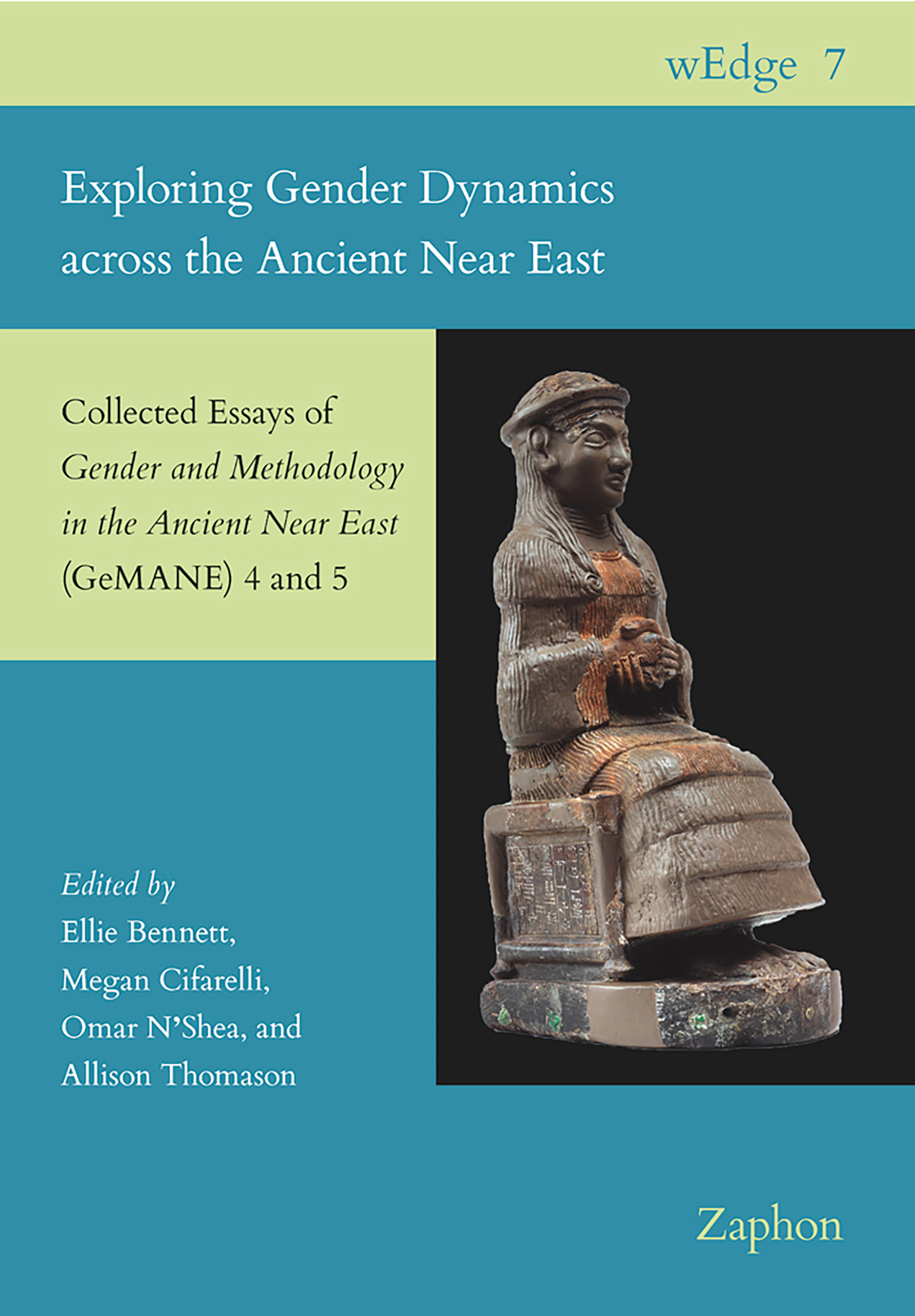 Exploring Gender Dynamics across the Ancient Near East
Collected Essays of Gender and Methodology in the Ancient Near East (GeMANE) 4 and 5
Volume 7


 Ḫattušaš utnē išḫameški
Hittite and Other Ancient Near Eastern Studies Presented to Piotr Taracha on the Occasion of His 65th Birthday




 Kultur – Kontakt – Kultur
Beiträge anlässlich der 66. Rencontre Assyriologique Internationale in Frankfurt/Main und Mainz, 25.–29. Juli 2022
Volume 35
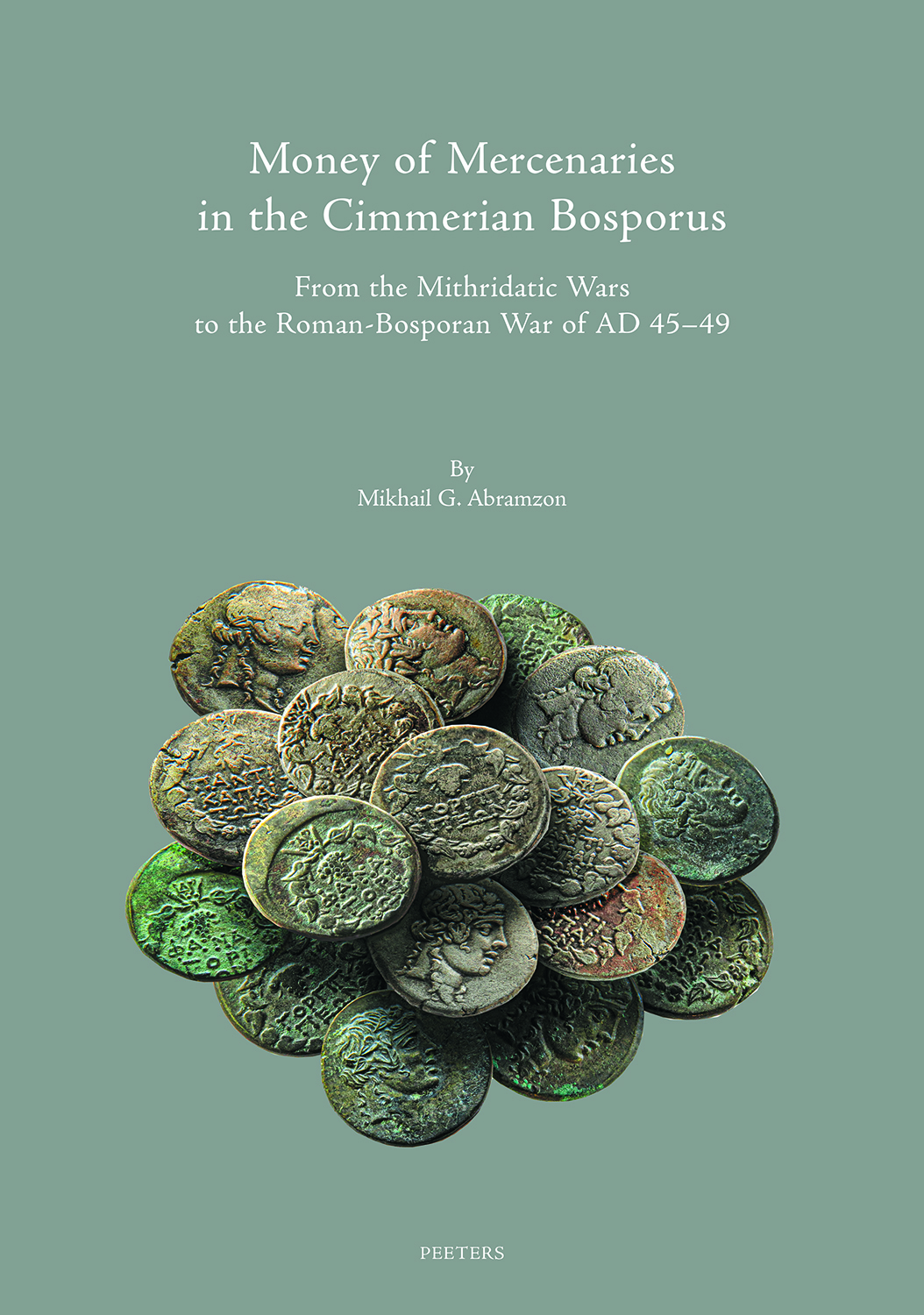 Money of Mercenaries in the Cimmerian Bosporus
From the Mithridatic Wars to the Roman-Bosporan War of AD 45-49
Volume 45

 New Research on Old Collections in Southwest Asian Archaeology
Proceedings of the Workshop Held at the British Museum, London, 31 July – 2 August, 2023
 Old Aramaic Inscriptions and their Contexts
An Epigraphic, Archaeological, and Historical Synthesis
Volume 63

 Politics, Peoples, and Polities in the Ancient Near East
Proceedings of the 69th Rencontre Assyriologique Internationale, Helsinki
 Pottery Traditions and Material Culture in Second Millennium BC Northern Mesopotamia
Contacts and New Horizons in the Land between the Tigris and the Zagros. Proceedings of a Workshop Held at the 12th ICAANE, University of Bologna, 7 April 2021
Volume 19
 Punning in Odd or Elegant Constructions in Jeremiah
The Convergence of Linguistics, Rhetoric, and Textuality in the Hebrew Text of Jeremiah

 Sertorius, the Exiles of the Sullan Regime and the Provinces of the Empire
Legitimacy, Morality and Imperial Discourse in the 70s BCE
 Shame in the Worlds of the Hebrew Bible and Akkadian Texts
A Linguistic Study and Its Implications
Volume 33

 Telling Contexts
Archaeological and Textual Studies in Honor of Elizabeth Bloch-Smith and Mark S. Smith
 The Body
Lived, Cultured, Adorned: Essays on Dress and the Body in the Bible and Ancient Near East in Honor of Nili S. Fox
 The Discourse of Rites
Shaping and Reshaping the (Counter-)Priestly Rituals Conducted Outside the Tabernacle
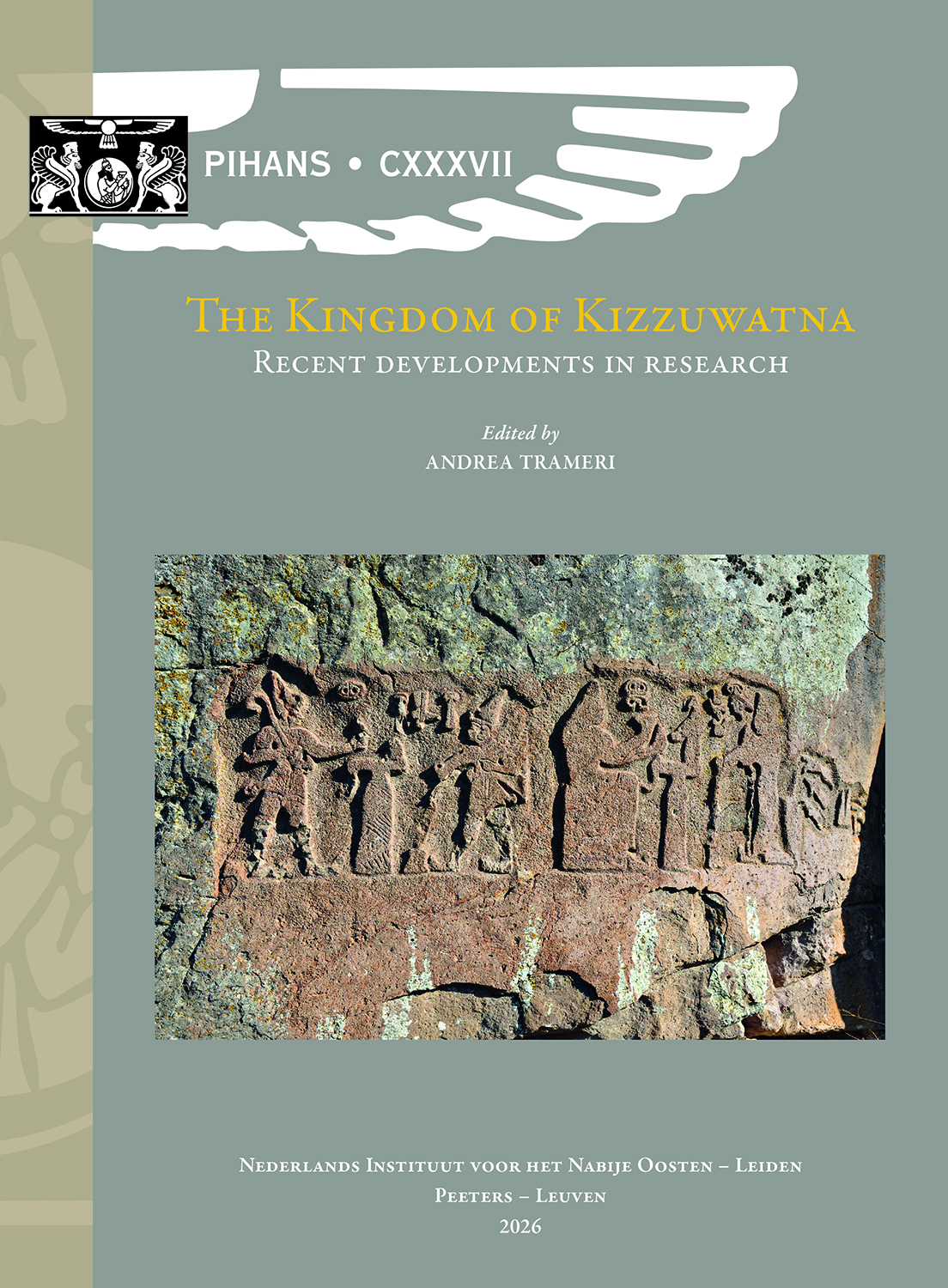 The Kingdom of Kizzuwatna: Recent Developments in Research
Proceedings of the Third NINO Postdoctoral Research Fellow Annual Conference, Leiden, 23rd-25th March 2023
Volume 137