
The Repressive Factors of the USSR’s Internal Policy and Everyday Life of the Belarusian Society (1944-1953)
by Iryna Kashtalian

Iryna Kashtalian examines forms of repressive factors and the impact they had on the daily life of the Belarusian society between 1944 and 1953. The research was based on relevant archives and eyewitness reports. The repressive factors of the USSR’s internal policy noticeably influenced main aspects of daily life, particularly in West Belarus, which was still in the course of submitting to the Soviet system into which the rest of BSSR territory had already been integrated. The threat of repressions made the majority of BSSR inhabitants choose conformism as a strategy of survival. However, despite the continuous threat of violence and the difficult conditions of postwar restoration, the search for possibilities to maintain close social networks was a determining factor in everyday life. Fighting for this goal obliged people to use both legal and illegal means. Due to the scope for decision-making they occasionally had, local functionaries could determine the extent of the repressive measures without losing sight of the actual aims. Yet, this strongly depended on the individual circumstances and on the respective functionary’s personality.
Iryna Kashtalian examines forms of repressive factors and the impact they had on the daily life of the Belarusian society between 1944 and 1953. The research was based on relevant archives and eyewitness reports. The repressive factors of the USSR’s internal policy noticeably influenced main aspects of daily life, particularly in West Belarus, which was still in the course of submitting to the Soviet system into which the rest of BSSR territory had already been integrated. The threat of repressions made the majority of BSSR inhabitants choose conformism as a strategy of survival. However, despite the continuous threat of violence and the difficult conditions of postwar restoration, the search for possibilities to maintain close social networks was a determining factor in everyday life. Fighting for this goal obliged people to use both legal and illegal means. Due to the scope for decision-making they occasionally had, local functionaries could determine the extent of the repressive measures without losing sight of the actual aims. Yet, this strongly depended on the individual circumstances and on the respective functionary’s personality.
- By (author) Iryna Kashtalian
Other Titles in this Series

 Melioration im Belarussischen Polesien
Die Modernisierung der sowjetischen Peripherie (1965-1991)
Volume 7
 Herrschaftstechniken im Sumpf und ihre Reichweiten
Landschaftsinterventionen und Social Engineering in Polesien von 1914 bis 1941
Volume 9
 Cultural Dissent in Soviet Belarus (1968-1988)
Intelligentsia, Samizdat and Nonconformist Discourses
Volume 8
 Belarus 2.0
Weissrussische Geschichts- und Identitatsdiskurse im Zeitalter der Onlinemedien
Volume 6
 Kommunizieren und Partizipieren im ‘entwickelten Sozialismus’
Die Wohnungsfrage im Eingabewesen der Belorussischen Sowjetrepublik
Volume 3

 Entstalinisierung auf Weissrussisch
Krisenbewaltigung, soziookonomische Dynamik und offentliche Mobilisierung in der Belorussischen Sowjetrepublik 1953-1965
Volume 2
 Die Territorialisierung der Belarus als BSSR 1918-1941
Politische Willkur, Geografismus oder Ethnizismus?
Volume 10
Similar Books


 As Messianism Turns to Heresy
The Regenstein Chair Lectures On Lurianic Kabbalah and Shabbatai Tzevi at Hebrew Union College - Cincinnati
 Beyond Sovereign Courts
Agents and Practices in Early Modern Spanish and Habsburg Diplomacy
Volume 3


 European Drama and Performance Studies
Dramatisations politiques. Théâtre, politique et idéologie au XIXe siècle (1806-1914)
Volume 27
 Food Security under Armed Conflict
Global Knowledge Landscape and Public Attention to Social, Economic, and Humanitarian Dimensions


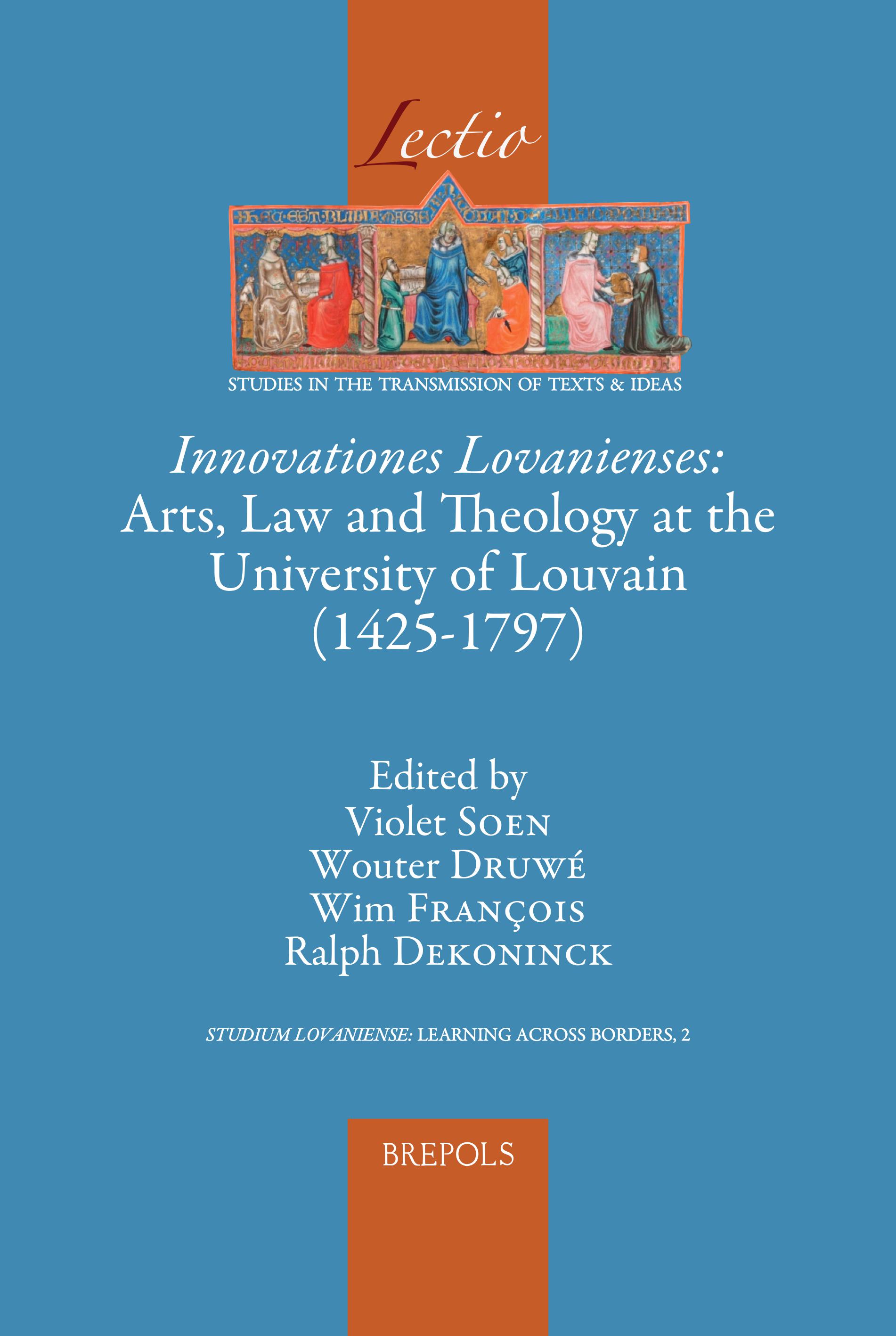 Innovationes Lovanienses: Arts, Law and Theology at the University of Louvain (1425–1797)
Studium Lovaniense: Learning across Borders, 2
Volume 18


 Linguistic and Media Studies Perspectives on Research into Social and Political Polarisation
The Case of Poland


 Modernization, Crises, Cultural Revolutions
Yugoslavia’s 1960s and 1970s through the amateur film lens


 Students, Scholars and Their Books at the University of Louvain (1425-1797)
Studium Lovaniense: Learning across Borders, 1
Volume 17


