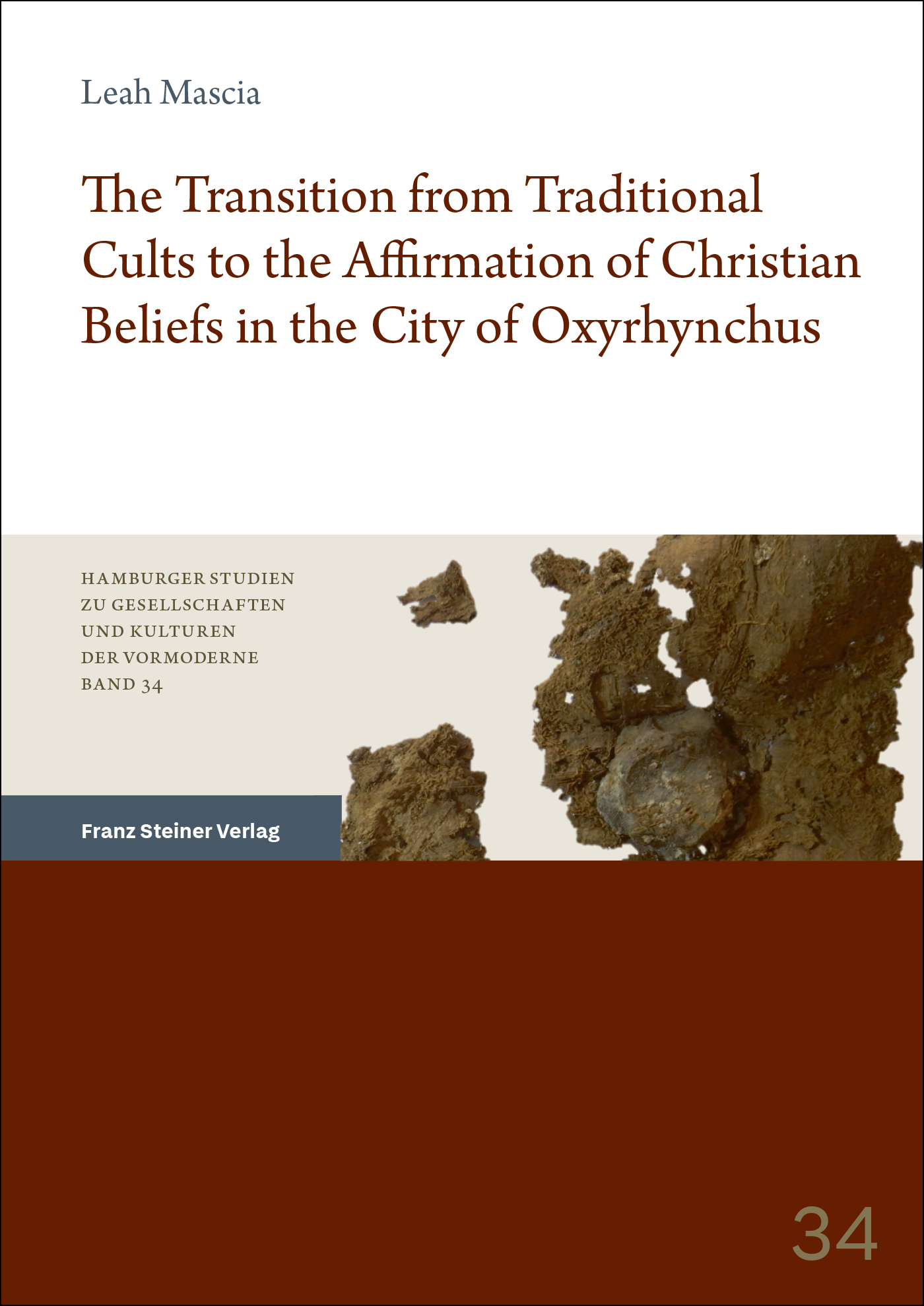
The Palace Style Cylinder Seals and Sealings from the Royal Palace G of Early Bronze IVA (ca. 2400-2300 BCE)
by Frances Pinnock

This volume is the 11th in the series Materiali e Studi Archeologici di Ebla, edited by the Italian archaeological expedition to Ebla to publish the final reports on the materials and architecture of this significant site. The volume presents the cylinder seals and clay sealings of mature Early Syrian Ebla (ca. 2400-2300 BC), along with an outline of the topographic setting of the materials and a discussion of their chronology. The individual characters and motifs used are examined in detail, as are the reconstructed figurative patterns. Almost 200 sealings and three cylinder seals were found. The study of the seal samples sought to identify the officials who used them, some of whom had their names inscribed on the seals, but not their function: to this aim, the analysis of the contemporary written testimonies of the cuneiform tablets from the State Archives provided useful information, which is analyzed in detail in a specific appendix by L. Verderame. A comparison is also made between the Eblaic seals and the contemporary glyptic of Syria and Mesopotamia. Eblaic glyptic is certainly influenced by Mesopotamian glyptic of the Early Dynastic II/III period, but shows great originality in the use of the motif of the Contest of Animals; original characters were also created by the Eblaic palace workshops, including the king and queen and divine figures such as Ishkhara. The analysis allowed the identification of some of the containers used. Based on this information, combined with the evidence for the officials identified with certainty, proposals are made about the storage habits in the Royal Palace G of Ebla.
This volume is the 11th in the series Materiali e Studi Archeologici di Ebla, edited by the Italian archaeological expedition to Ebla to publish the final reports on the materials and architecture of this significant site. The volume presents the cylinder seals and clay sealings of mature Early Syrian Ebla (ca. 2400-2300 BC), along with an outline of the topographic setting of the materials and a discussion of their chronology. The individual characters and motifs used are examined in detail, as are the reconstructed figurative patterns. Almost 200 sealings and three cylinder seals were found. The study of the seal samples sought to identify the officials who used them, some of whom had their names inscribed on the seals, but not their function: to this aim, the analysis of the contemporary written testimonies of the cuneiform tablets from the State Archives provided useful information, which is analyzed in detail in a specific appendix by L. Verderame. A comparison is also made between the Eblaic seals and the contemporary glyptic of Syria and Mesopotamia. Eblaic glyptic is certainly influenced by Mesopotamian glyptic of the Early Dynastic II/III period, but shows great originality in the use of the motif of the Contest of Animals; original characters were also created by the Eblaic palace workshops, including the king and queen and divine figures such as Ishkhara. The analysis allowed the identification of some of the containers used. Based on this information, combined with the evidence for the officials identified with certainty, proposals are made about the storage habits in the Royal Palace G of Ebla.
- By (author) Frances Pinnock
Other Titles in this Series
 The Early Bronze Age III and IVA1 at Tell Mardikh/Ebla and Its Region
Stratigraphic and Ceramic Sequences
Volume 10
Similar Books





 Boğazköy Tablets in the Museum of Anatolian Civilizations (Bo 9032–Bo 9097)
Anadolu Medeniyetleri Müzesinde Bulunan Boğazköy Tabletleri (Bo 9032–Bo 9097)
Volume 4
 Connecting the Dots: Counting, Writing, and the Beginnings of Civilization
The Secret Lives of Clay Tokens: A Memoir

 Curating the Prehistoric Past
Studies on West Asian Archaeology and Beyond in Honour of Yoshihiro Nishiaki

 Exploring Gender Dynamics across the Ancient Near East
Collected Essays of Gender and Methodology in the Ancient Near East (GeMANE) 4 and 5
Volume 7


 Ḫattušaš utnē išḫameški
Hittite and Other Ancient Near Eastern Studies Presented to Piotr Taracha on the Occasion of His 65th Birthday




 Kultur – Kontakt – Kultur
Beiträge anlässlich der 66. Rencontre Assyriologique Internationale in Frankfurt/Main und Mainz, 25.–29. Juli 2022
Volume 35
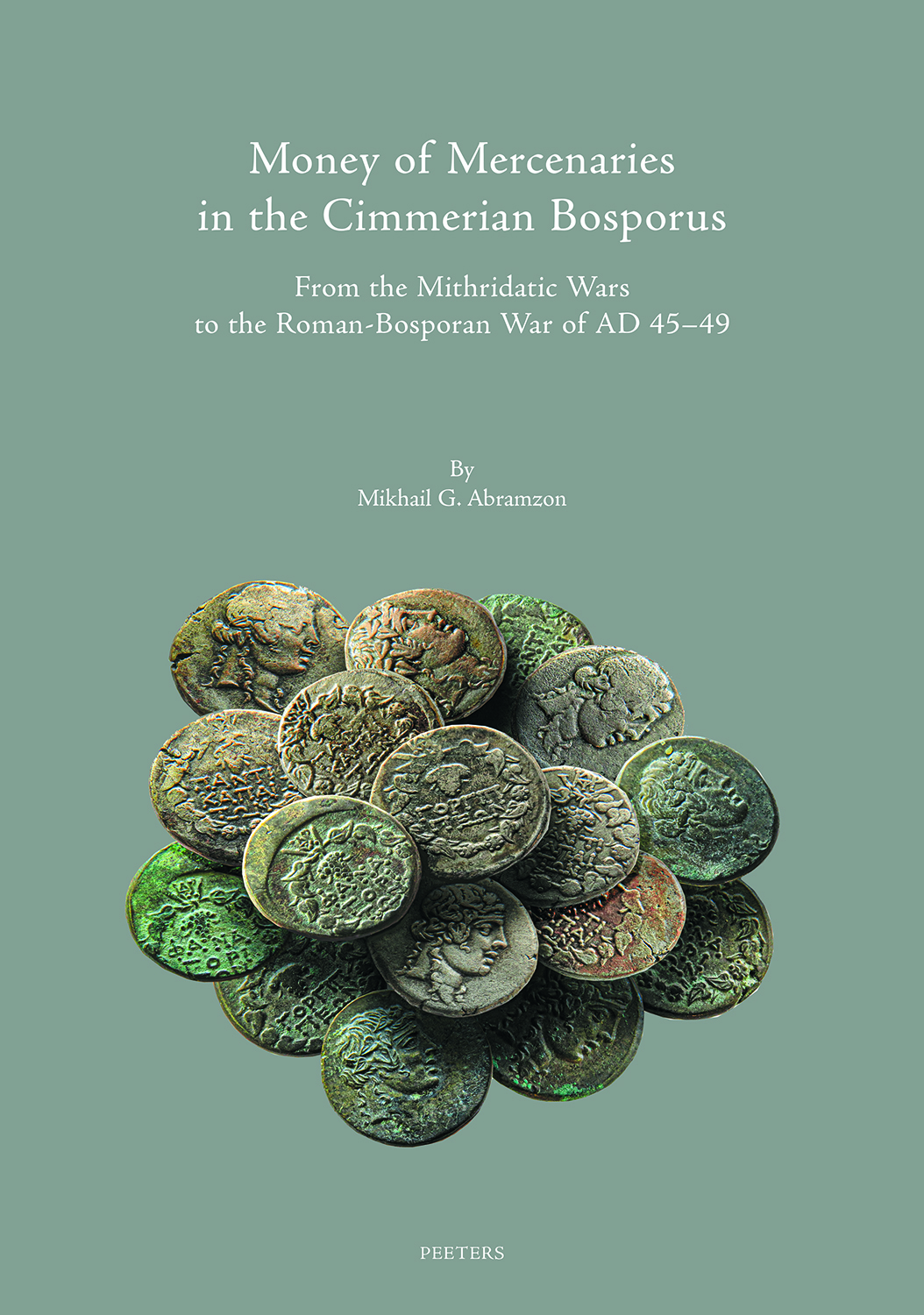 Money of Mercenaries in the Cimmerian Bosporus
From the Mithridatic Wars to the Roman-Bosporan War of AD 45-49
Volume 45

 New Research on Old Collections in Southwest Asian Archaeology
Proceedings of the Workshop Held at the British Museum, London, 31 July – 2 August, 2023
 Old Aramaic Inscriptions and their Contexts
An Epigraphic, Archaeological, and Historical Synthesis
Volume 63

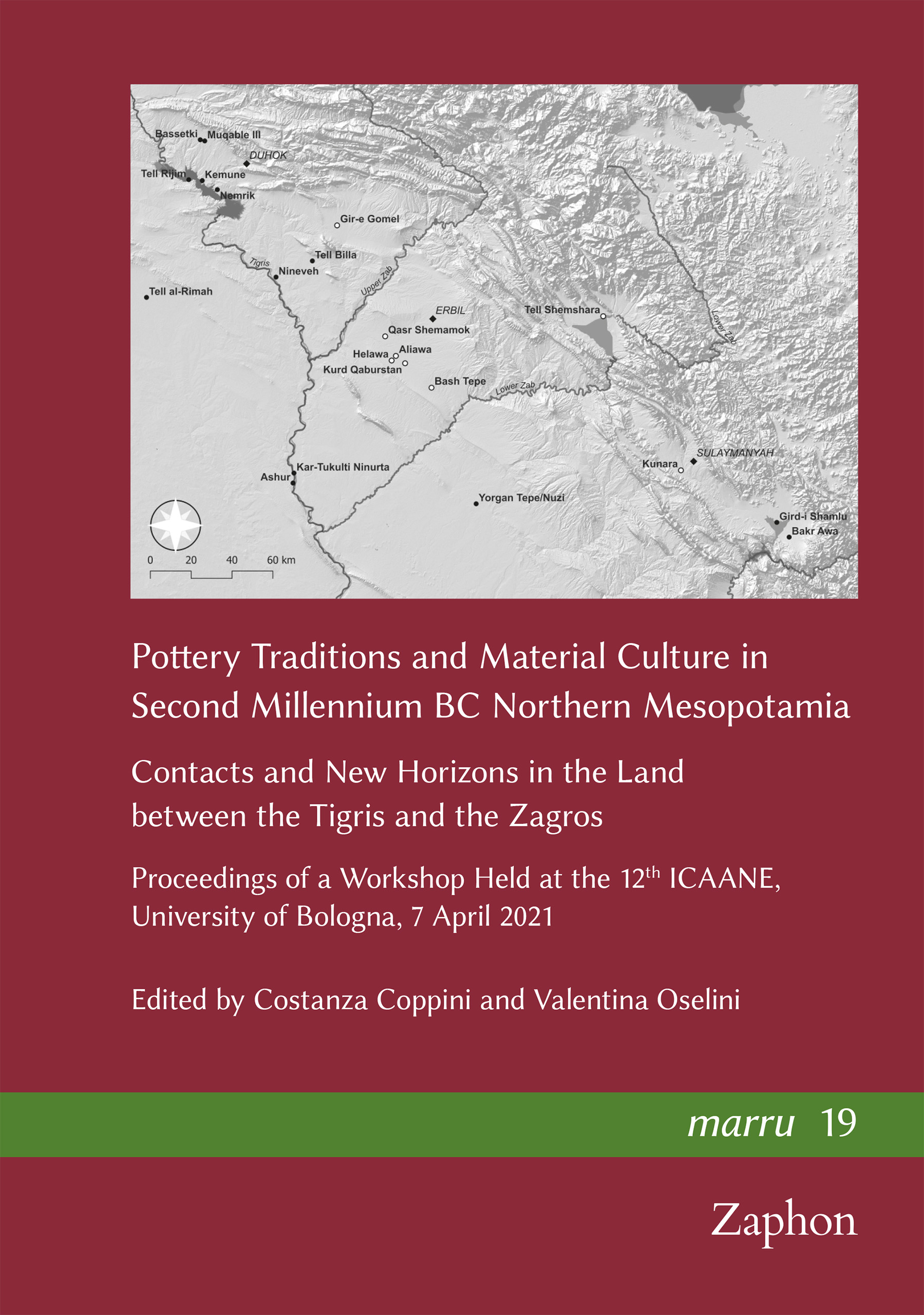 Pottery Traditions and Material Culture in Second Millennium BC Northern Mesopotamia
Contacts and New Horizons in the Land between the Tigris and the Zagros. Proceedings of a Workshop Held at the 12th ICAANE, University of Bologna, 7 April 2021
Volume 19
 Punning in Odd or Elegant Constructions in Jeremiah
The Convergence of Linguistics, Rhetoric, and Textuality in the Hebrew Text of Jeremiah

 Sertorius, the Exiles of the Sullan Regime and the Provinces of the Empire
Legitimacy, Morality and Imperial Discourse in the 70s BCE
 Shame in the Worlds of the Hebrew Bible and Akkadian Texts
A Linguistic Study and Its Implications
Volume 33

 Telling Contexts
Archaeological and Textual Studies in Honor of Elizabeth Bloch-Smith and Mark S. Smith
 The Body
Lived, Cultured, Adorned: Essays on Dress and the Body in the Bible and Ancient Near East in Honor of Nili S. Fox
 The Discourse of Rites
Shaping and Reshaping the (Counter-)Priestly Rituals Conducted Outside the Tabernacle
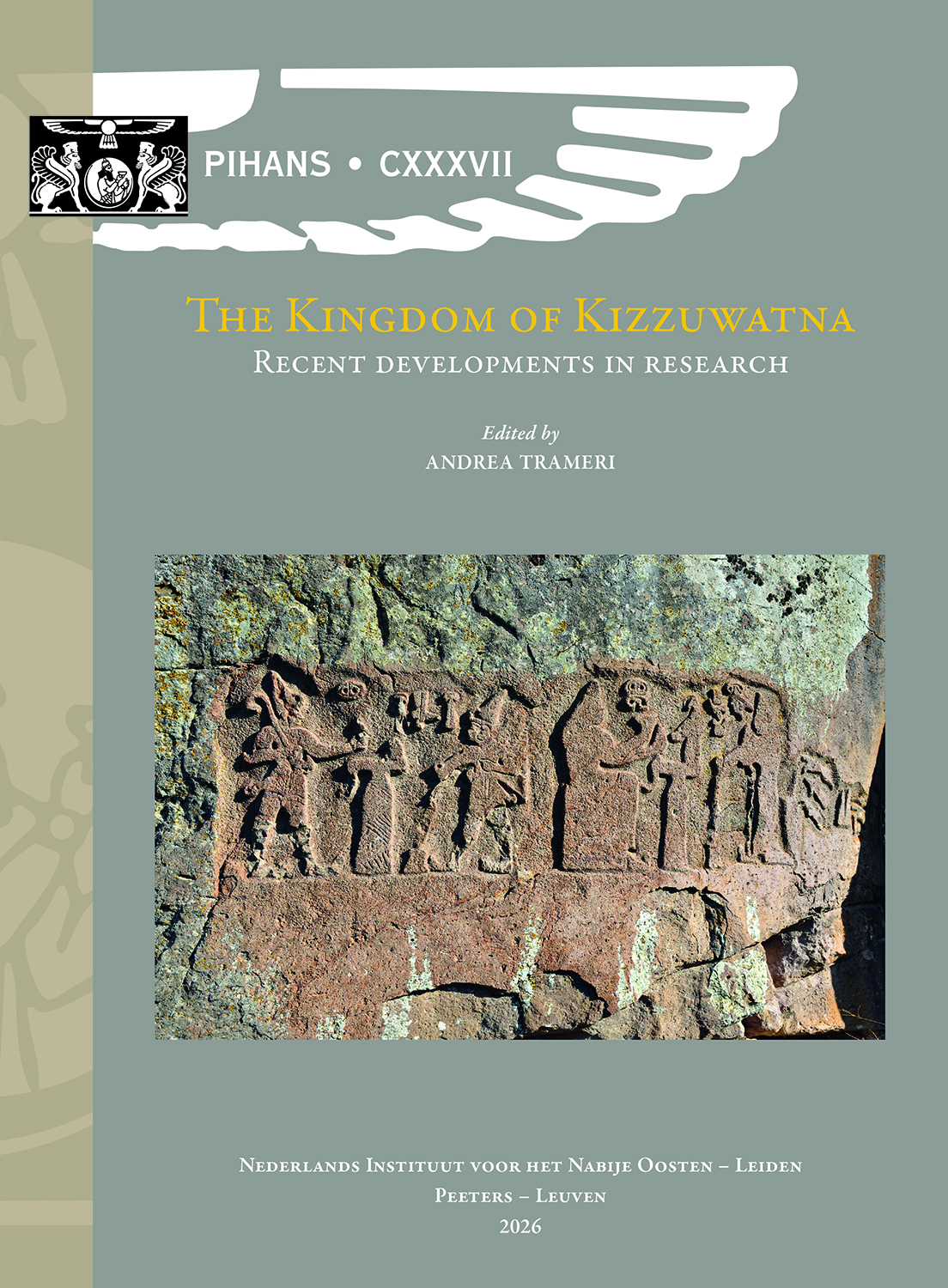 The Kingdom of Kizzuwatna: Recent Developments in Research
Proceedings of the Third NINO Postdoctoral Research Fellow Annual Conference, Leiden, 23rd-25th March 2023
Volume 137