
The Knowing of Woman’s Kind in Childing
A Middle English Version of Material Derived from the Trotula and other Sources
By (author) Alexandra Barratt

This study comprises a critical edition, using all the five extant MSS, of the most popular of the Middle English gynaecological texts deriving from the Latin Trotula-text.
This study comprises a critical edition, using all the five extant MSS, of the most popular of the Middle English gynaecological texts deriving from the Latin Trotula-text. The Knowing of Women’s Kind in Childing is a short fifteenth-century prose treatise which claims to be translated from Latin texts (or Latin and French, according to some manuscripts) that derive ultimately from the Greek. It has a unique importance as it was written by a woman, for a female audience, and on the subject of women. The text considers women’s physical constitution, what makes them different from men (primarily the possession of a womb) and, in particular, the three types of problem that the womb causes. That it was written for a female audience is made explicit in the Prologue where the writer explains that he has translated this text out of French and Latin into English because literate women are more likely to read English than any other language and can then pass on the information it contains to illiterate women. More controversial must be the claim that this text was written by a woman. The text is a translation, no doubt by a man, but one of his ultimate sources was a text attributed to ‘Trotula’, in the Middle Ages believed to be the name of a midwife or gynaecologist from Salerno, who wrote extensively on women’s ailments, childbirth and beauty care. Recent work shows that such a woman, probably named Trota, did exist and that she did write a gynaecological treatise, the Trotula or ‘little Trota’, which became closely associated with two other texts not by her. All three however became very popular and were widely disseminated under her name. Large sections of The Knowing of Woman’s Kind come, via an Old French translation, from a version of the Liber de Sinthomatibus Mulierum (the Cum auctor), the first element in this Trotula ensemble.
- By (author) Alexandra Barratt
Other Titles in this Series
 Saints Edith and Aethelthryth: Princesses, Miracle Workers, and their Late Medieval Audience
The Wilton Chronicle and the Wilton Life of St Aethelthryth
Volume 25

 The Manere of Good Lyvyng
A Middle English Translation of Pseudo-Bernard's 'Liber de modo bene vivendi ad sororem'
Volume 30

 Medieval Women and their Spiritual Texts
Helfta Writings, Margery Kempe, and Beyond. Essays in Honour of Naoë Kukita Yoshikawa
Volume 34


 Saints’ Lives for Medieval English Nuns, II
An Edition of the 'Lyves and Dethes' in Cambridge University Library, MS Additional 2604
Volume 32
 Sacred Communities, Shared Devotions
Gender, Material Culture, and Monasticism in Late Medieval Germany
Volume 29

 Saints’ Lives for Medieval English Nuns, I
A Study of the 'Lyves and Dethes' in Cambridge University Library, MS Additional 2604
Volume 18
 Living Saints of the Thirteenth Century
The Lives of Yvette, Anchoress of Huy; Juliana of Cornillon, Author of the Corpus Christi Feast; and Margaret the Lame, Anchoress of Magdeburg
Volume 20

 The Sisterbook of Master Geert’s House, Deventer
The Lives and Spirituality of the Sisters, c. 1390-c. 1460
Volume 33


 Mystics, Goddesses, Lovers, and Teachers
Medieval Visions and Their Legacies / Studies in Honour of Barbara Newman
Volume 31
 Thomas of Cantimpre
The Collected Saints' Lives: Abbot John of Cantimpre, Christina the Astonishing, Margaret of Ypres, and Lutgard of Aywieres
Volume 19
 Medieval Women – Texts and Contexts in Late Medieval Britain
Essays in Honour of Felicity Riddy
Volume 3

 Virgins and Scholars
A Fifteenth-Century Compilation of the Lives of John the Baptist, John the Evangelist, Jerome, and Katherine of Alexandria
Volume 10


 Three Women of Liege
A Critical Edition of and Commentary on the Middle English Lives of Elizabeth of Spalbeek, Christina Mirabilis, and Marie d'Oignies
Volume 23
 Send me God
The Lives of Ida the Compassionate of Nivelles, Nun of La Ramee, Arnulf, Lay Brother of Villers, and Abundus, Monk of Villers
Volume 6


Similar Books
 A Collaborative Tapestry in Honour of Shirley Ann Brown / Une fresque brodée en l’honneur de Shirley Ann Brown
The Bayeux Tapestry Seen by her Colleagues and Friends / La Tapisserie de Bayeux vue par ses collègues et amis
 Behind the Scenes of Medieval Roofs
An Overview of the Roofing Systems of Italian Churches
Volume 90






 Innovation and Medieval Communities
The Circulation of Ideas and Practices in and out of the Town (1200-1500)
Volume 63
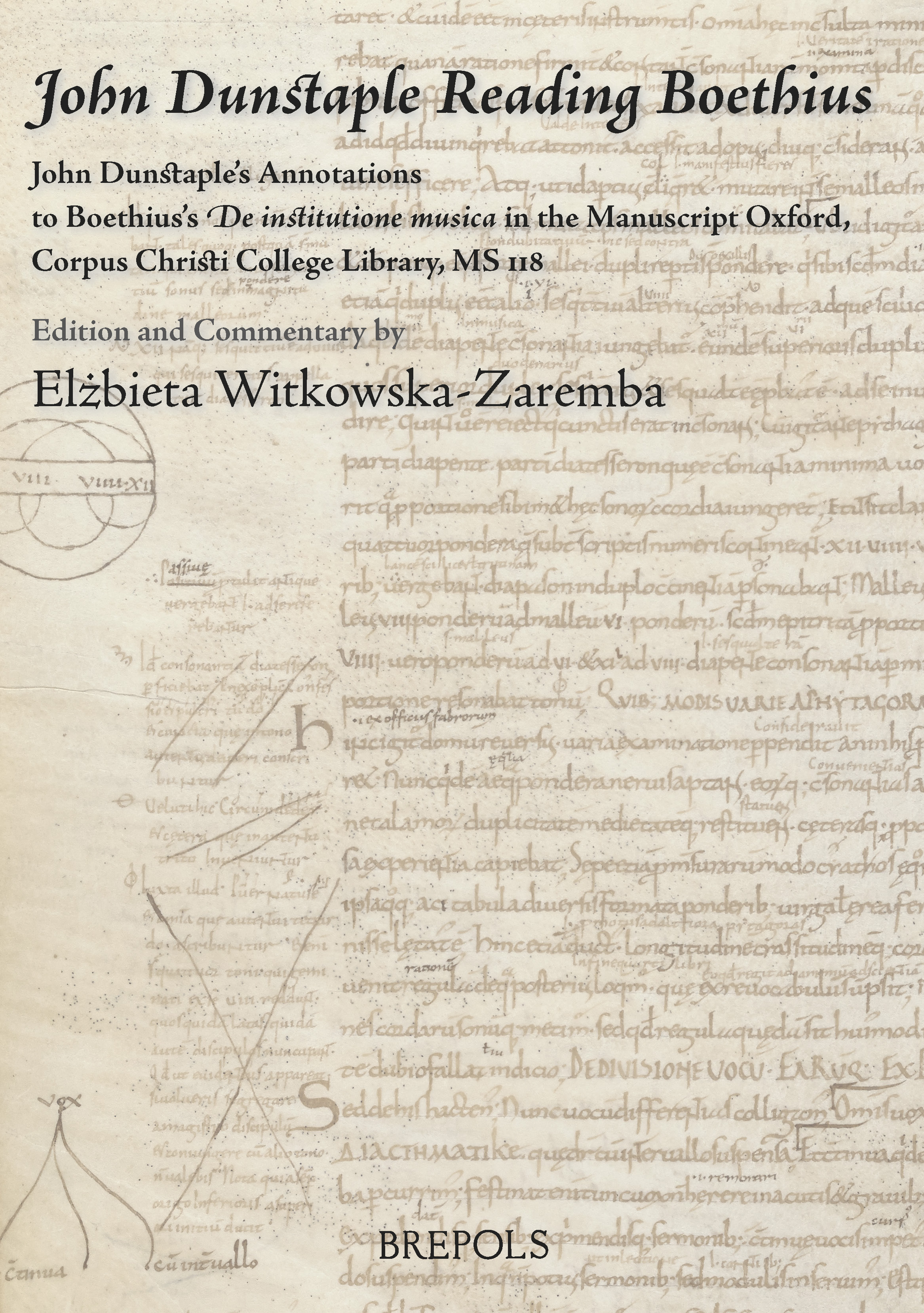 John Dunstaple Reading Boethius
John Dunstaple’s Annotations to Boethius’s “De institutione musica” in the Manuscript Oxford, Corpus Christi College Library, MS 118
 Linguistic and Cultural Dynamics in a Frontier Society
New Perspectives on Northeastern Bavaria and Western Bohemia in the Early Middle Ages
Volume 9
 Medieval Debates on Foreknowledge: Future Contingents, Prophecy, and Divination
Acts of the XXVII Annual Colloquium of the SIEPM, Trento 12-15 September 2023
Volume 31
 Medieval Yeghegis, Armenia
History, Archaeology, Society. Local Multiplicities and Global Connections of a Rural Centre on the Silk Road(s)


 Power and Women in Southeast and Central Europe in Late Medieval and Early Modern Period (1300-1600)
Volume 10

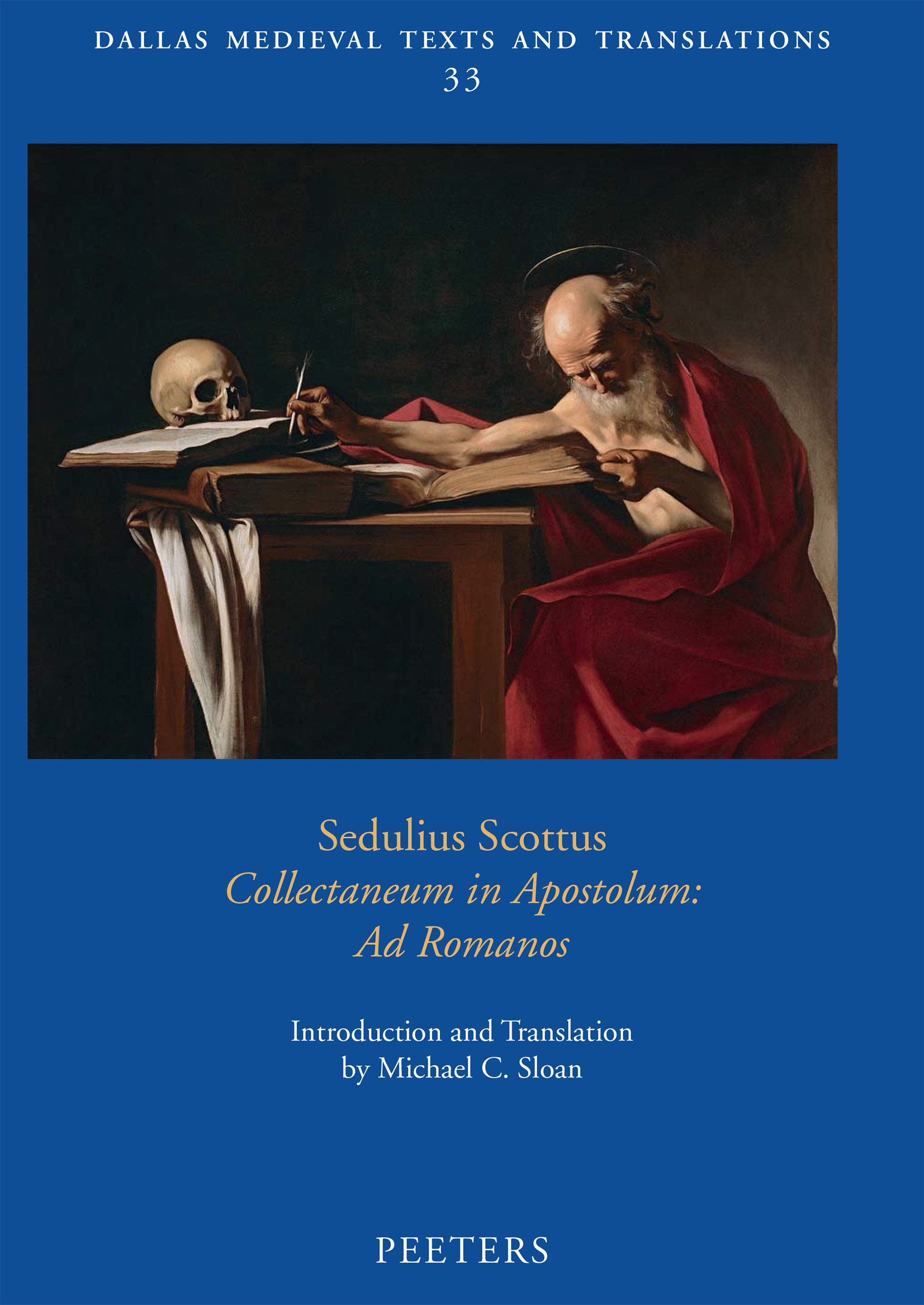
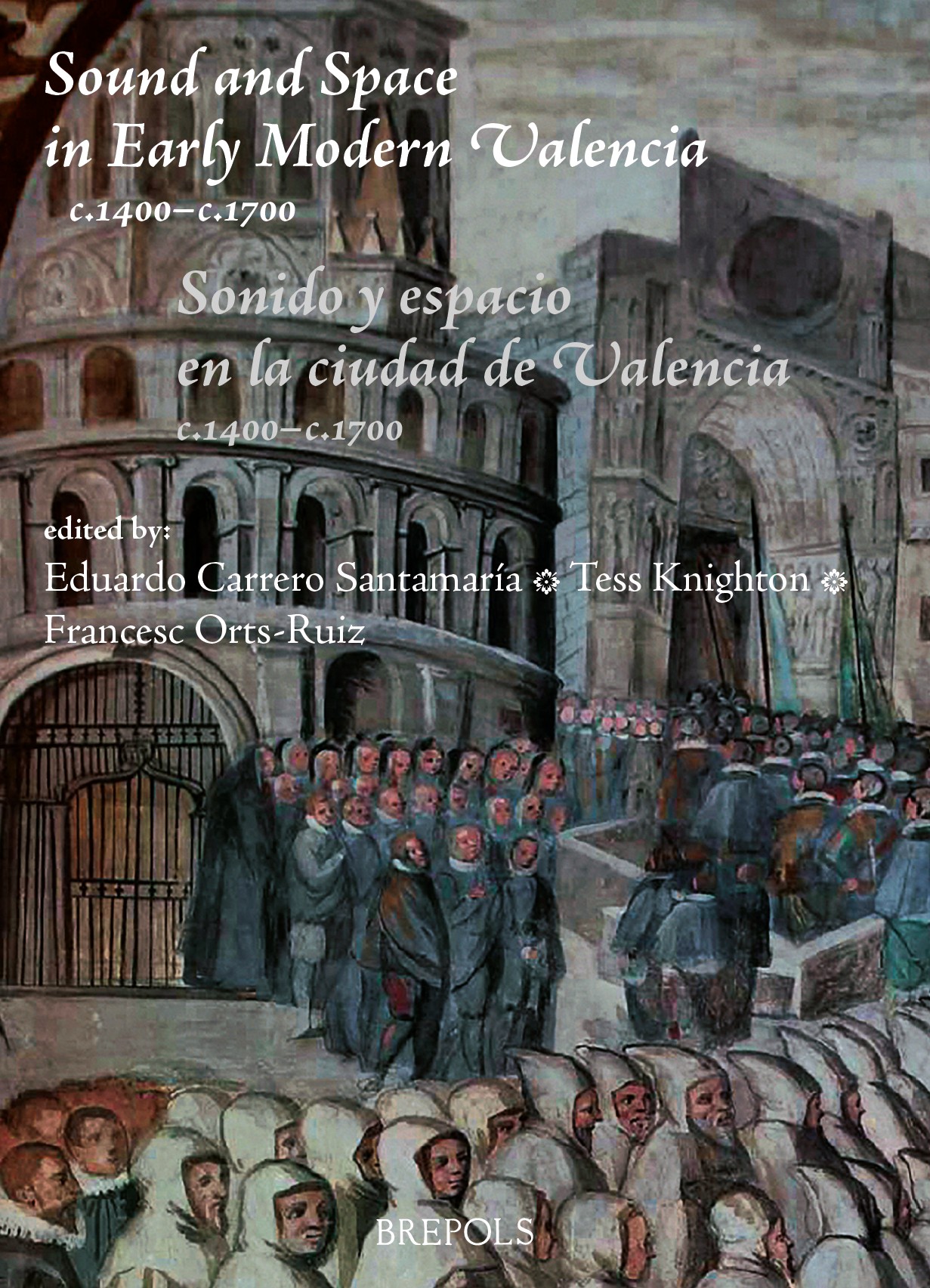

 The Anglo-Norman Bible’s Books of Kings, a Critical Edition
(BL Royal 1 C III, fols 234r-274v)
Volume 37


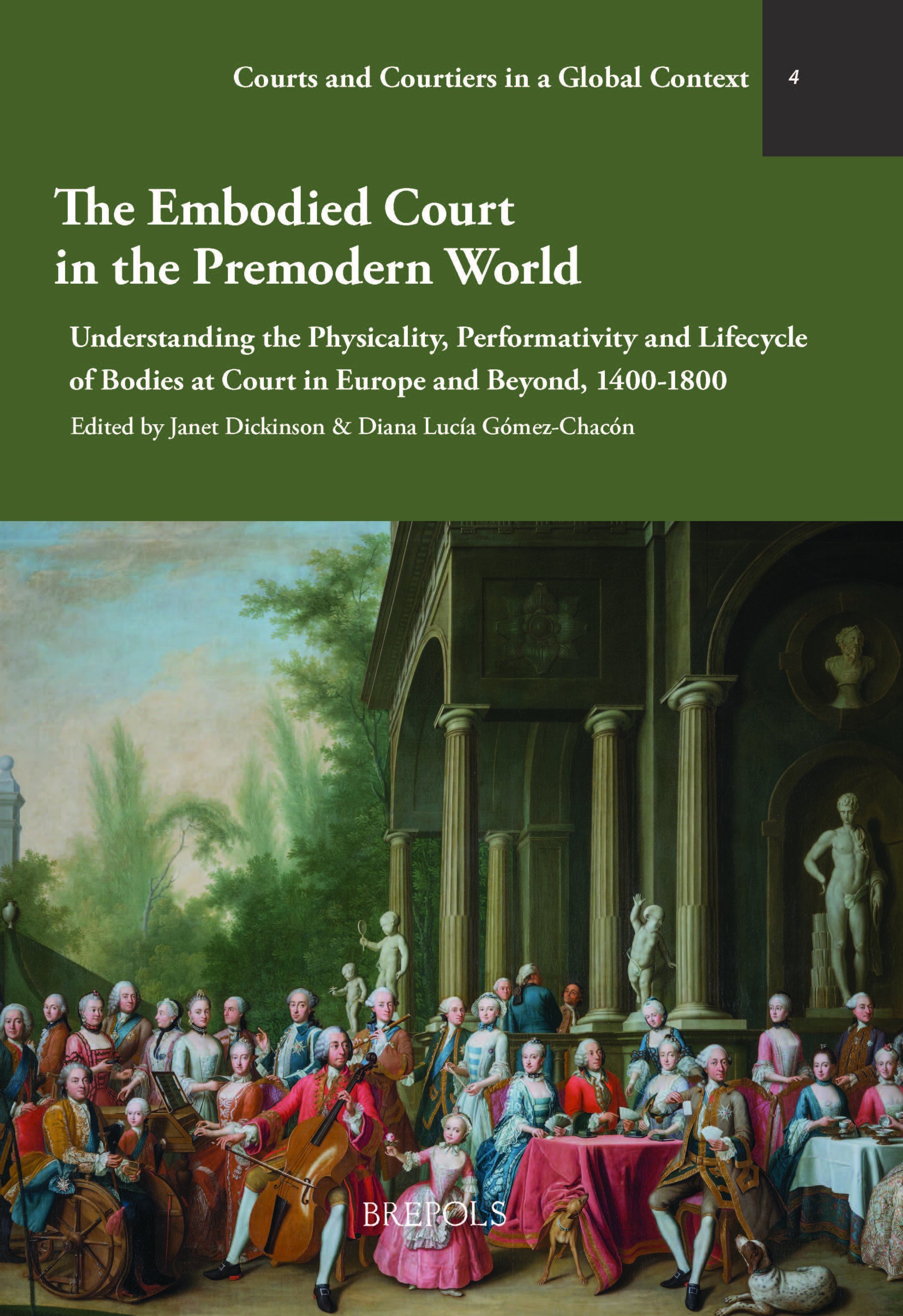 The Embodied Court in the Premodern World
Understanding the Physicality, Performativity and Lifecycle of Bodies at Court in Europe and Beyond, 1400-1800
Volume 4


