
The Combat of the Thirty
edited and translated by Steven Muhlberger

Paperback (Published)
(January 2013)
ISBN: 9781937439026
6.97 x 10 inches
Price: $27.95
In stock
In this volume Steven Muhlberger translates the historical accounts of the Combat of the Thirty and then examines both what contemporaries thought, and how the battle has been remembered through the centuries, giving readers a window into late medieval chivalric culture.
On March 27, 1351, sixty armed men gathered in a field in Brittany, halfway between the two enemy castles of Josselin and Ploermel. Representing the garrisons of those two strongholds, these two groups of thirty men at arms they had appeared in this field with no strategic or tactical goal, other than to make good on their captains promise: “We will go to an open field and there we will fight as long as we can endure it.” The battle was fought until all on one side were dead or captured, and no one ran away. This showdown in the fields of Brittany attracted attention in its own time and the story has been retold in many eras since, standing as the subject of romantic inspiration and call to bold action for over six hundred years. But was the Combat of the Thirty an admirable deed? Even in the fourteenth century, opinions were divided: some thought that it was a fight for no sensible reason, “the product of presumption and rashness,” while others considered it a great demonstration of prowess, a word that designates a heroic combination of skill and courage. Why did sixty men risk themselves in a fight to the finish on that spring day in Brittany six and a half centuries ago? Why did it attract attention and praise in its time? Why does it interest us still? In this volume Steven Muhlberger translates the historical accounts of the Combat and then examines both what contemporaries thought, and how the battle has been remembered through the centuries, giving readers a window into late medieval chivalric culture. As a bonus, renowned 14th century arms and armour scholar Douglas Strong includes an appendix analyzing the equipment used by English, Breton and French forces on that bloody day in 1351.
- Edited by Steven Muhlberger
Other Titles in this Series


Similar Books
 A Collaborative Tapestry in Honour of Shirley Ann Brown / Une fresque brodée en l’honneur de Shirley Ann Brown
The Bayeux Tapestry Seen by her Colleagues and Friends / La Tapisserie de Bayeux vue par ses collègues et amis
 Behind the Scenes of Medieval Roofs
An Overview of the Roofing Systems of Italian Churches
Volume 90







 Innovation and Medieval Communities
The Circulation of Ideas and Practices in and out of the Town (1200-1500)
Volume 63
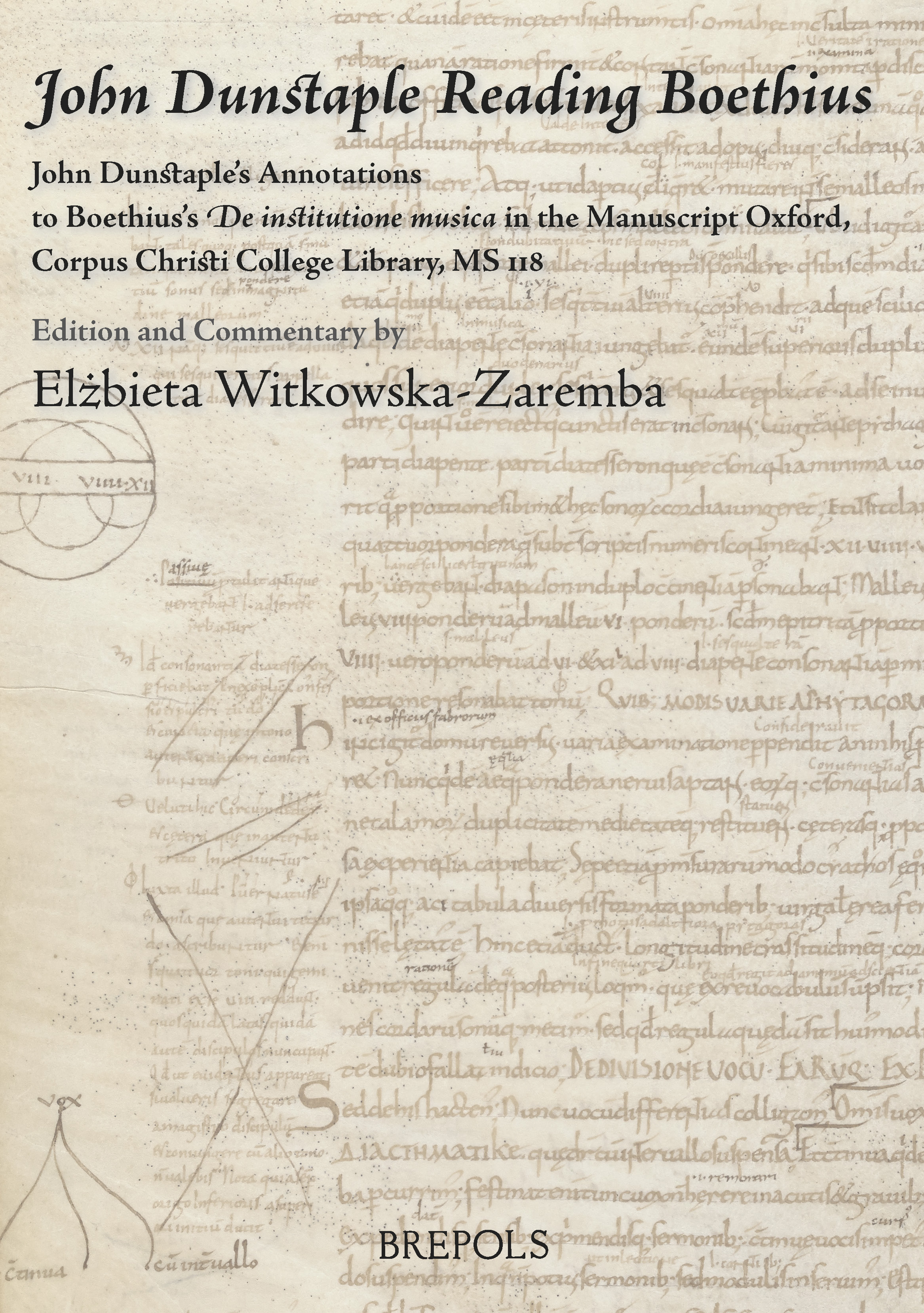 John Dunstaple Reading Boethius
John Dunstaple’s Annotations to Boethius’s “De institutione musica” in the Manuscript Oxford, Corpus Christi College Library, MS 118
 Linguistic and Cultural Dynamics in a Frontier Society
New Perspectives on Northeastern Bavaria and Western Bohemia in the Early Middle Ages
Volume 9

 Medieval Debates on Foreknowledge: Future Contingents, Prophecy, and Divination
Acts of the XXVII Annual Colloquium of the SIEPM, Trento 12-15 September 2023
Volume 31
 Medieval Yeghegis, Armenia
History, Archaeology, Society. Local Multiplicities and Global Connections of a Rural Centre on the Silk Road(s)


 Power and Women in Southeast and Central Europe in Late Medieval and Early Modern Period (1300-1600)
Volume 10


 The Anglo-Norman Bible’s Books of Kings, a Critical Edition
(BL Royal 1 C III, fols 234r-274v)
Volume 37


 The Embodied Court in the Premodern World
Understanding the Physicality, Performativity and Lifecycle of Bodies at Court in Europe and Beyond, 1400-1800
Volume 4


 The Middle English ‘Medicines for Horses’
Edited from the Manuscript formerly at Kensington Palace, HRH Duke of Gloucester MS s.n. (olim York House MS 45)
Volume 69
