
The Cistercian Hermann Zoest’s Treatise on Leavened and Unleavened Bread (‘De fermento et azimo’)
Oecumenism, Exegesis, and Science at the Council of Basel
Edited by P. Nothaft Edited by C. Schabel

This critical edition of the Cistercian astronomer and conciliarist Hermann Zoest of Munster’s De fermento et azimo, surviving in a dozen complete manuscripts, makes available the greatest medieval treatise concerning the type of bread that Jesus broke at the Last Supper. Since the so-called Schism of 1054, the Greeks, who employed ordinary leavened bread in the sacrament of the Eucharist, routinely claimed that the Latin use of unleavened bread was invalid and did not involve the Body of Christ. Hermann composed his treatise in 1436 at the Council of Basel, with the oecumenical goal of facilitating Church Union. Relying on astronomy, biblical exegesis, conversation with Greeks, and, in a later revision, information from the famous Jewish convert Bishop Paul of Burgos, Hermann came to the conclusion that the Last Supper occurred before Passover when the Jews were still eating leavened bread, although he allowed for the possibility that Jesus established a new rite with unleavened bread. After enumerating the disagreements between Greeks and Latins, Hermann advised that they focus on the faith and ignore what he labelled ceremonial differences.
- Edited by P. Nothaft
- Edited by C. Schabel
Other Titles in this Series


 Durand of Saint-Pourcain and His Sentences Commentary
Historical, Philosophical, and Theological Issues
Volume 9


 Penser avec Avicenne
De l'héritage grec à la réception latine, en hommage à Jules Janssens
Volume 20



Similar Books
 ‘For You I Study, For You I Work, For You I Live, For You I Am Ready To Even Give My Life’
Essays in Honour of Francis (Frank) J Moloney, SDB
 A Collaborative Tapestry in Honour of Shirley Ann Brown / Une fresque brodée en l’honneur de Shirley Ann Brown
The Bayeux Tapestry Seen by her Colleagues and Friends / La Tapisserie de Bayeux vue par ses collègues et amis






 Ars Prophetica
Theology in the Poetry of Twentieth-Century Hebrew Poets Avraham Halfi, Shin Shalom, Amir Gilboa, and T. Carmi
 As Messianism Turns to Heresy
The Regenstein Chair Lectures On Lurianic Kabbalah and Shabbatai Tzevi at Hebrew Union College - Cincinnati

 Behind the Scenes of Medieval Roofs
An Overview of the Roofing Systems of Italian Churches
Volume 90


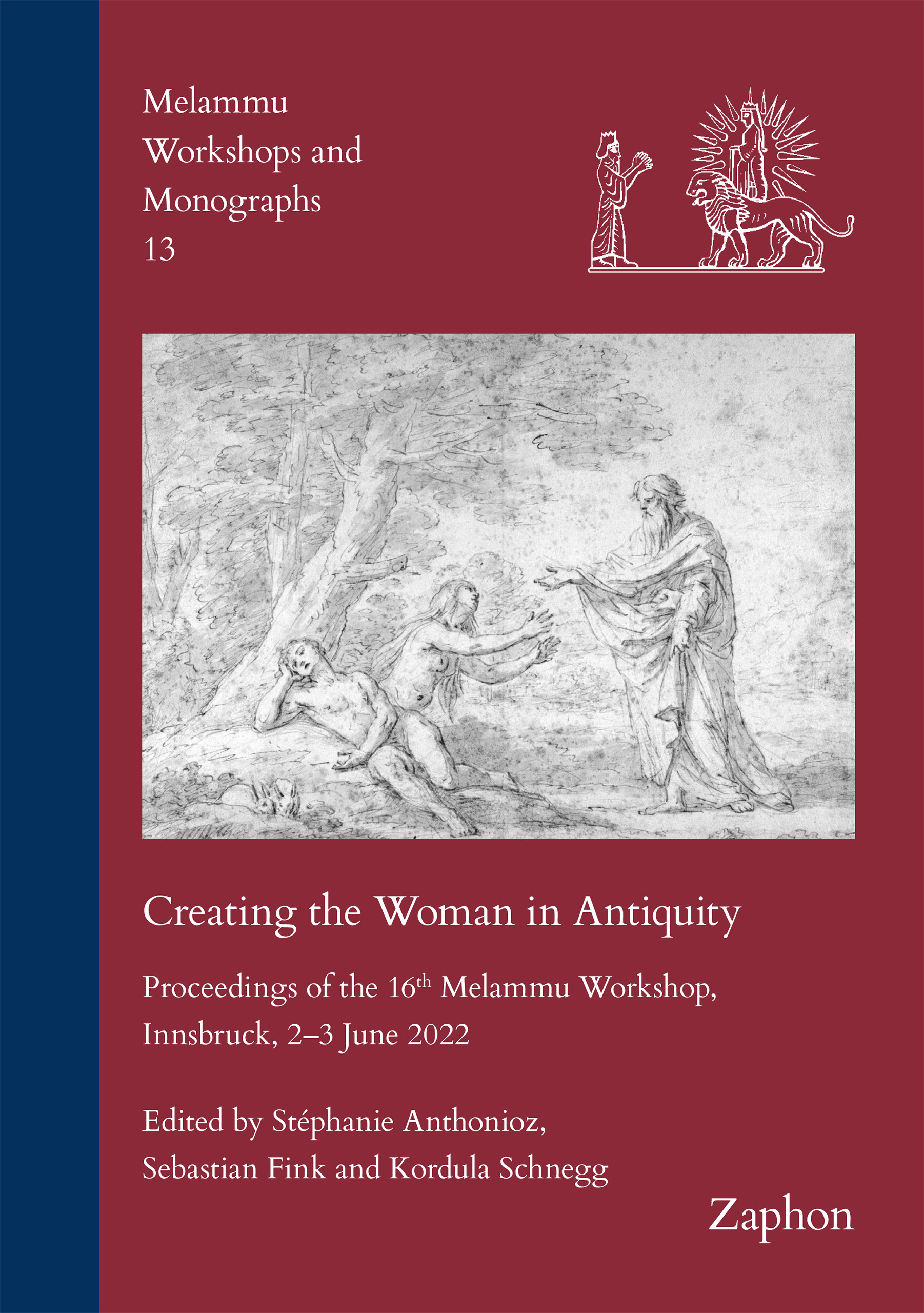 Creating the Woman in Antiquity
Proceedings of the 16th Melammu Workshop, Innsbruck, 2–3 June 2022
Volume 13


 Drunk the Potion, No Whit Charmed
The Doctrine of Pure and Perfect Souls from Iamblichus to Damascius




 Extracanonical Traditions and the Holy Land
Texts, Rituals, and Material Culture in Late Antique Palestine
 Fear, Fear of God, God-Fearers
Philological and Historical Perspectives on the World of Ancient Judaism and Christianity


