The Calling Metaphor in Paul’s Epistles
A Study of Paul's καλέω-Terminology in Light of Cognitive Metaphor Theory
by Fiva Savkovic

Paperback (Published)
(August 2025)
ISBN: 9783161646553
6.06 x 9.09 inches
Price: $125.00
In stock
Beginning with ancient conceptualizations of metaphor and extending to contemporary cognitive semantics, Fiva Savkovic first describes and elucidates metaphor as a cognitive phenomenon. By connecting these insights to speech act theory, she examines the metaphorical aspects of divine calling as used in the Old Testament and ancient Greco-Roman literature. In its main section, her study examines how the apostle Paul employed the metaphor of calling. The main insight is that Paul integrated the traditional Israelite understanding of divine calling as an integral aspect of God’s creation, unfolding throughout history through his interactive engagement with humans to fulfill God’s salvific plan for his people. Importantly, Paul linked this concept to the Christ event, redefining calling as God’s action of bringing humans into the community of Jesus Christ, resulting in the formation of the ?????s?a – a community of those called by God to shape their identities in relation to Jesus Christ.
- By (author) Fiva Savkovic
Other Titles in this Series


 Hellenisten in der Apostelgeschichte
Historische und exegetische Untersuchungen zu Apg 6,1; 9,29; 11,20
Volume 264

 The Therapeutae as the Best Paradigm for the Contemplative Life
A Contextual Reading of Philo of Alexandria's De Vita Contemplativa


 Peter’s Legacy in Early Christianity
The Appropriation and Use of Peter's Authority in the First Three Centuries
Volume 561
 The Gospel According to the Epistle of Barnabas
Jesus Traditions in an Early Christian Polemic
Volume 503

 Martyred for the Church
Memorializations of the Effective Deaths of Bishop Martyrs in the Second Century CE
Volume 471
 Paul’s Koinonia with the Philippians
A Socio-Historical Investigation of a Pauline Economic Partnership
Volume 377
 God and the Faithfulness of Paul
A Critical Examination of the Pauline Theology of N.T. Wright
Volume 413

 Moral Language in the New Testament
The Interrelatedness of Language and Ethics in Early Christian Writings. Kontexte und Normen neutestamentlicher Ethik / Contexts and Norms of New Testament Ethics. Volume II
Volume 296


 Im Gesprach mit C. F. Georg Heinrici
Beitrage zwischen Theologie und Religionswissenschaft
Volume 546

 Wisdom as a Model for Jesus’ Ministry
A Study on the 'Lament over Jerusalem' in Matt 23: 37-39 Par. Luke 13:34-35
Volume 513

Similar Books
 ‘For You I Study, For You I Work, For You I Live, For You I Am Ready To Even Give My Life’
Essays in Honour of Francis (Frank) J Moloney, SDB





 Ars Prophetica
Theology in the Poetry of Twentieth-Century Hebrew Poets Avraham Halfi, Shin Shalom, Amir Gilboa, and T. Carmi
 As Messianism Turns to Heresy
The Regenstein Chair Lectures On Lurianic Kabbalah and Shabbatai Tzevi at Hebrew Union College - Cincinnati
 Athanasius of Alexandria, Epistula ad episcopos Aegypti et Libyae
Old Slavonic Version and English Translation
Volume 261


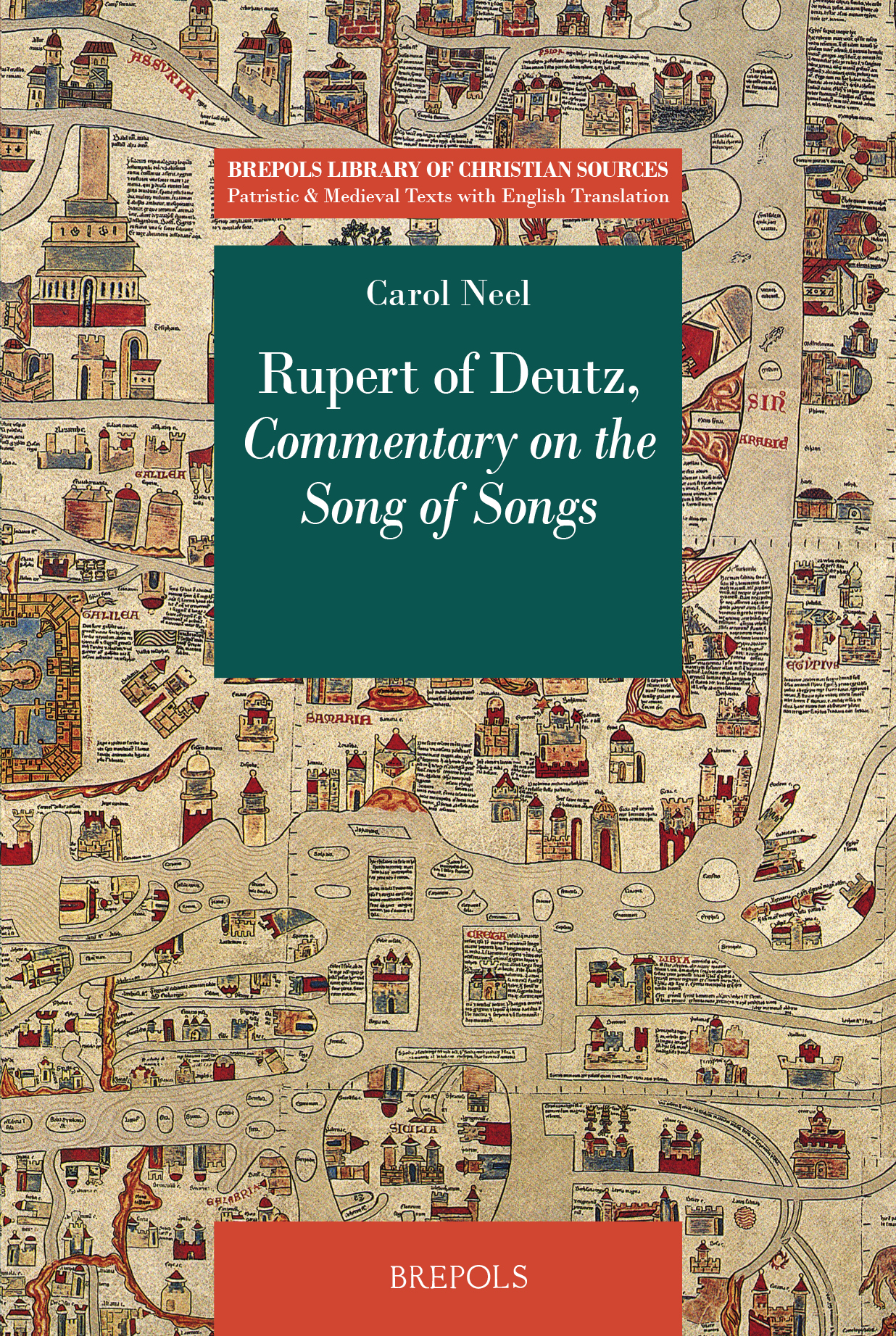
 Creating the Woman in Antiquity
Proceedings of the 16th Melammu Workshop, Innsbruck, 2–3 June 2022
Volume 13
 Cyril of Alexandria’s Christological Exegesis
Explorations of Partitive Exegesis in the Dialogues on the Trinity
Volume 70
 Des mots aux actes
Traduction épistémique et littéraire. Nouvelles tendances en histoire et didactique
Volume 15


 Drunk the Potion, No Whit Charmed
The Doctrine of Pure and Perfect Souls from Iamblichus to Damascius


 Epiphanies of the Divine in the Septuagint and the New Testament
Fifth International Symposium of the Corpus Judaeo-Hellenisticum Novi Testamenti (CJHNT), 14-17 May 2015, Nottingham