
The Archaeology of Xenitia
Greek Immigration and Material Culture
Edited by Kostis Kourelis

Paperback (Published)
(August 2008)
ISBN: 9789608696068
6.54 x 9.53 inches
Price: $19.95
In stock
In this volume, new archaeological data from Epeiros, Kythera, Keos, the Southern Argolid and the Nemea Valley highlight the effects of emigration, and data from Colorado, Philadelphia and Sydney illustrate the effects of immigration.
Between 1900 and 1915, a quarter of the working-age male Greek population immigrated to the United States, Canada, and Australia. This profound demographic phenomenon left an indelible mark on Greek society, but also created new diasporic communities in the host countries. Greek immigration, Xenitia, has been studied by various disciplines, entering the popular mainstream through movies, comedy, television, academia, museums, and culinary institutions. The historical enterprise of Greek immigration in the 20th century, however, has lacked a significant archaeological voice. In this volume, new archaeological data from Epeiros, Kythera, Keos, the Southern Argolid, and the Nemea Valley highlight the effects of emigration, and data from Colorado, Philadelphia, and Sydney illustrate the effects of immigration. Abandoned households were coupled with new foundations, while a fluid transmission of moneys and resources created networks of goods and meanings far more complex than the traditional model of assimilation, economic prosperity, or the melting pot. Greek archaeology played a double role in constructing native and foreign ideologies, ranging from church foundations in the 1920s (Greek community in Philadelphia) to film productions for the war relief effort in the 1940s (documentary produced and newly restored by the American School). Finally, we see how excavated ruins inform current narratives of discovery and homecoming in a granddaughter’s memoir that layers personal and textual lives with a rebuilt house. Such metanarratives (factual and idealized) reveal deep entanglements between archaeologist and immigrant.
Introduction (Kostis KourelisSusan Buck SuttonTimothy E. Gregory and Lita Tzortzopoulou-GregoryPhilip DukeKostis KourelisNatalia Vogeikoff-BroganEleni N. GageJack L. Davis).
Kostis Kourelis currently teaches art history at Connecticut College, specializing in architecture, preservation, and theory.
- Edited by Kostis Kourelis
Other Titles in this Series

 A Culture of Translation
British and Irish Scholarship in the Gennadius Library (1740-1840)
Volume 13


Similar Books


 As Messianism Turns to Heresy
The Regenstein Chair Lectures On Lurianic Kabbalah and Shabbatai Tzevi at Hebrew Union College - Cincinnati

 Beyond Sovereign Courts
Agents and Practices in Early Modern Spanish and Habsburg Diplomacy
Volume 3
 Caesar’s Visions and Impact on the Roman Empire
Revisiting the Archaeological and Historical Record of the 40s BC
Volume 2


 Construction Processes in Historical Western Societies (5th c. BC – 10th c. AD)
Case Studies on Techniques, Models, and Costs



 Etruscan and Roman Hellenistic Anatomical ex votos
Reassessing Popular Religious Expressions in Central Italy
Volume 8

 Food Security under Armed Conflict
Global Knowledge Landscape and Public Attention to Social, Economic, and Humanitarian Dimensions





 Innovationes Lovanienses: Arts, Law and Theology at the University of Louvain (1425–1797)
Studium Lovaniense: Learning across Borders, 2
Volume 18
 Invisible Labour in Antiquity
Visualizing Obscure Work in the Ancient Mediterannean and West Asia
Volume 1


 Late Antique villae in the Balkans (3rd–7th c. AD): Current Research Questions and Perspectives
HAEMUS Companion to the Late Antique Balkans 1
Volume 4



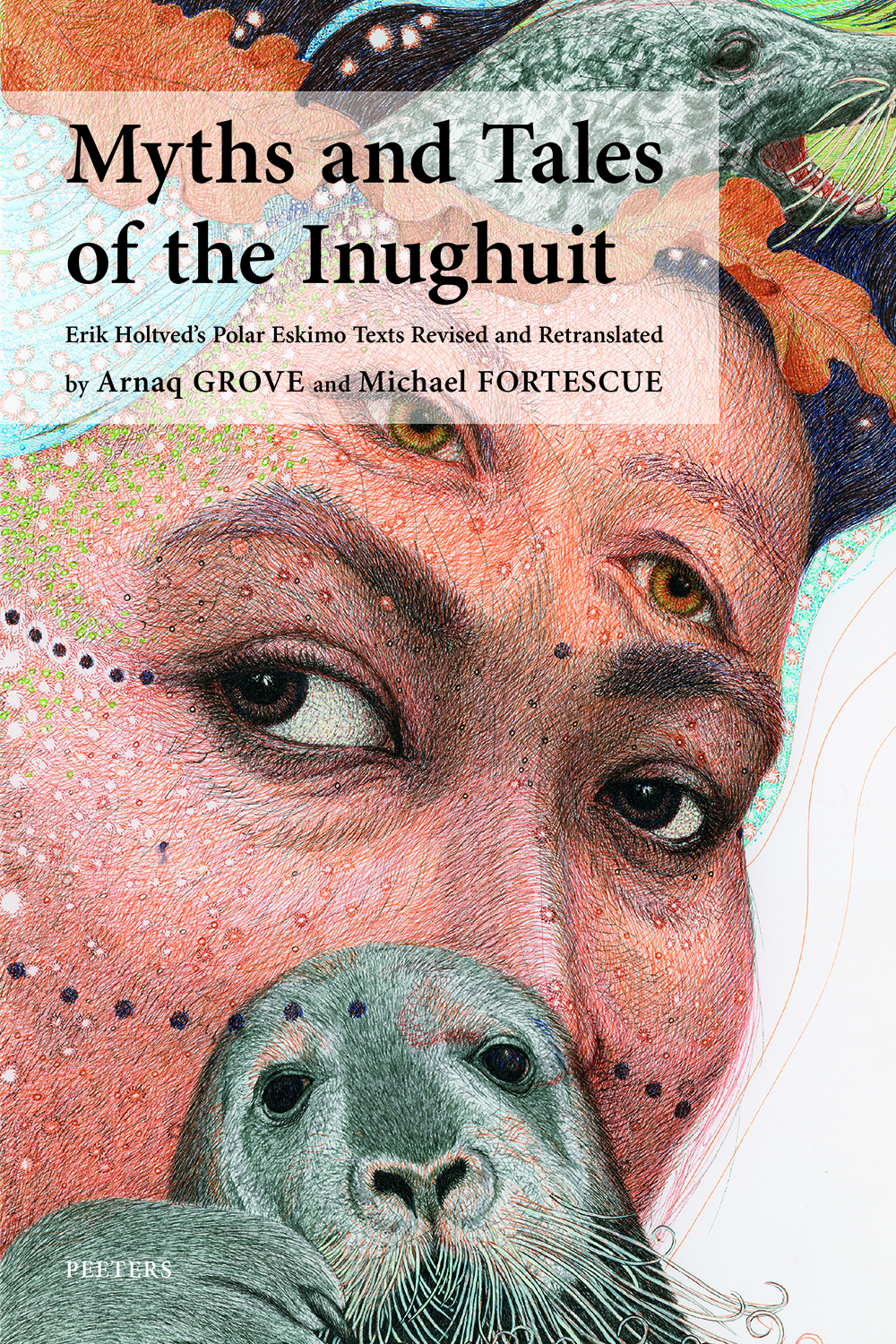 Myths and Tales of the Inughuit
Erik Holtved's Polar Eskimo Texts Revised and Re-translated into Danish and English
Volume 475, 12

