
The Archaeology of Nucleation in the Old World
Spatiality, Community, and Identity
Edited by Attila Gyucha Edited by Roderick B. Salisbury

Paperback (Published)
(May 2022)
ISBN: 9781803270906
8.07 x 11.42 inches
Price: $64.00
In stock
Fourteen papers take advantage of advances in archaeological methods and theory to explore the role of the built environment in expressing and shaping community organization and identity at prehistoric and historic nucleated settlements and early cities in the Old World.
The Archaeology of Nucleation in the Old World explores the role of the built environment in expressing and shaping community organization and identity at prehistoric and historic nucleated settlements and early cities in the Old World. The spatial layout of large settlements results from the interaction of social, political, economic, and religious orders. Subsequent structural changes governed by the application, manipulation, and challenges of these orders yield a dynamic built environment which influences the processes of organization and identity formation. Taking advantage of advances in archaeological methods and theory that allow investigations of nucleated settlements to an extent and depth of detail that was previously impossible, the contributors to this volume address specific topics, such as how the built environment and location of activity zones help us to understand social configurations; how various scales of social units can be recognized and the resulting patterns interpreted; how collective actions contribute to settlement organization and community integrity; how changes in social relations are reflected in the development of the built environment; how cooperation and competition as well as measures to mitigate social and communication stress can be identified in the archaeological record; and how the built environment was used to express or manipulate identity.
Chapter 1: Nucleation as Social Process: Built Environment, Community Organization, and Identity. An Introduction to the Volume - Attila Gyucha and Roderick B. Salisbury Chapter 2: What Does Settlement Layout Tell Us About the Community? An Ethnoarchaeological Study - E. Nurcan Yalman Chapter 3: From Sanctuaries to Towns: The Role of Religion in Early Urbanization - Manuel Fernandez-Gotz Chapter 4: Activity Zones and Community Formation: The Role of Spatial Structure in Early Nucleated Villages - Roderick B. Salisbury Chapter 5: Population Aggregation and Social Transformations in Middle-Range Societies: A Comparative Study of Neolithic Nucleated Settlements on the Great Hungarian Plain - Attila Gyucha Chapter 6: Large Settlements of the Funnel Beaker Culture in Lesser Poland: Instruments of Social Cohesion and Cultural Conversion - Marek Nowak, Klaus Cappenberg, Marta Korczynska and Magdalena Moskal-del Hoyo Chapter 7: Spatio-Demographic Structure and Social Organization: A Linear Trajectory or Overlapping Trends? - Aleksandr Diachenko and Ezra B.W. Zubrow Chapter 8: Sanctuaries and Settlements: Spatial Organization in the Nuragic Landscapes of Sardinia - Ruth Beusing Chapter 9: Settlement Mounds, Identity, and Continuity in the Settlement Organization of Iron Age Jutland - Niels Haue Chapter 10: Multilinear Settlement Development and Nucleation during the Early Iron Age in Southwestern Jutland, Denmark - Niels Algreen Moller and Scott Robert Dollar Chapter 11: Nucleated Settlements as Assemblages: A Regional Network Approach to Built Environments - Francesca Fulminante Chapter 12: Landscape as Metaphor: Burial Monuments and 'Landscapes of Power' in Late Iron Age Britain - Karolis Minkevicius Chapter 13: Kernave Town in the 13th and 14th Centuries: Social and Cultural Patterns of Community - Rokas Vengalis and Gintautas Velius Chapter 14: The Creation and Maintenance of Powerful Places in Etruria - Simon Stoddart Index, Chapter 1: Nucleation as Social Process: Built Environment, Community Organization, and Identity.
An Introduction to the Volume – Attila Gyucha and Roderick B. SalisburyE. Nurcan YalmanManuel Fernández-Götz
Early Nucleated Villages – Roderick B. Salisbury
A Comparative Study of Neolithic Nucleated Settlements on the Great Hungarian Plain – Attila Gyucha
Social Cohesion and Cultural Conversion – Marek Nowak, Klaus Cappenberg, Marta Korczyńska and Magdalena Moskal-del Hoyo
Overlapping Trends? – Aleksandr Diachenko and Ezra B.W. Zubrow
Sardinia – Ruth Beusing
Iron Age Jutland – Niels Haue
Southwestern Jutland, Denmark – Niels Algreen Møller and Scott Robert Dollar
Built Environments – Francesca Fulminante
Late Iron Age Britain – Karolis Minkevičius
Community – Rokas Vengalis and Gintautas VėliusSimon Stoddart
- Edited by Attila Gyucha
- Edited by Roderick B. Salisbury
Similar Books
 A Collaborative Tapestry in Honour of Shirley Ann Brown / Une fresque brodée en l’honneur de Shirley Ann Brown
The Bayeux Tapestry Seen by her Colleagues and Friends / La Tapisserie de Bayeux vue par ses collègues et amis



 Behind the Scenes of Medieval Roofs
An Overview of the Roofing Systems of Italian Churches
Volume 90


 Colour Concept “Secoli bui” a colori
Codici cromatici e architetture dipinte nell’età tardoantica e medievale
 Crossing Disciplines in the Study of Archaeology and Prehistoric Art: Insights from the Sahara and Mediterranean Africa
Proceedings of the XX UISPP World Congress (5–9 September 2023, Timișoara, Romania) Volume / Session 18
 Crossing Sacred Landscapes
Contacts and Continuities in the Desert Cults and Beliefs of Ancient Northern Arabia and the Arid Southern Levant
 Cuneiform Artefacts from Archaeological Contexts: New Research on Ancient Iraq
Proceedings of a Conference Held at the Bavarian Academy of Sciences and Humanities, July 4–5, 2024
Volume 2




 Exploring Prehistoric Pottery in Japan
A Study of Organic Inclusions, Adhering Materials, and Impressions of Woven Items
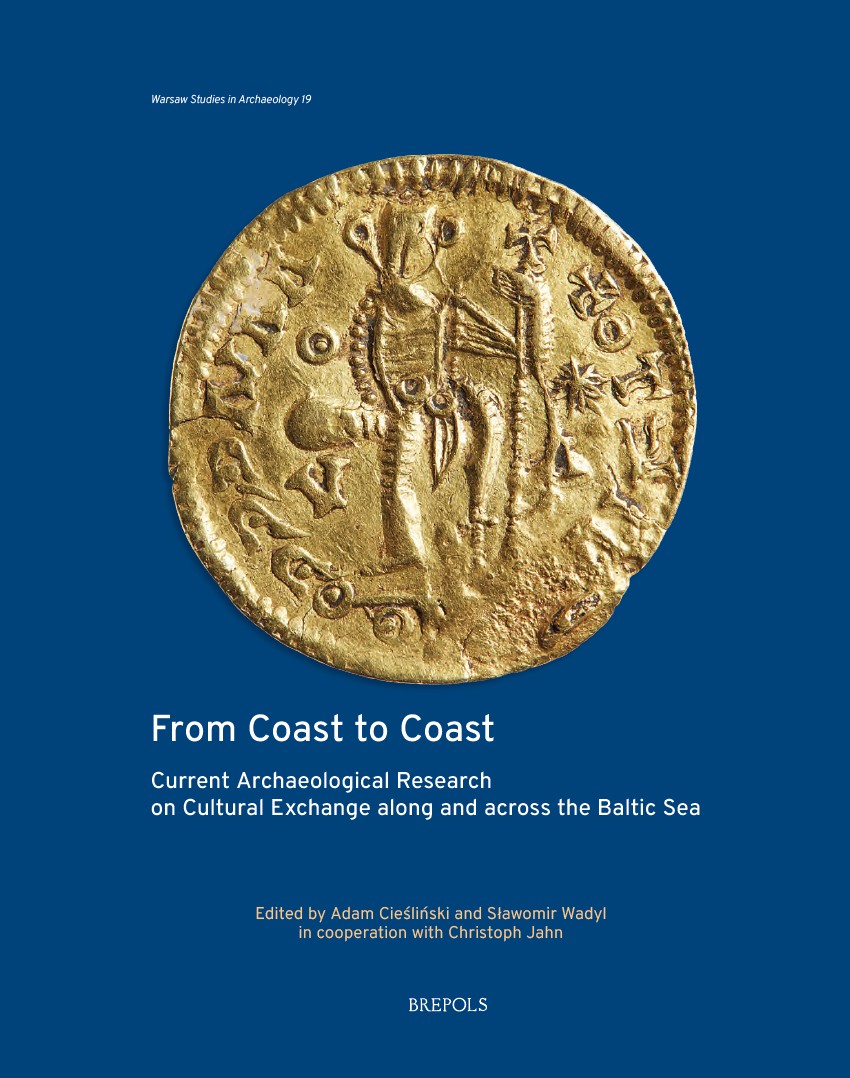 From Coast to Coast
Current Archaeological Research on Cultural Exchange along and across the Baltic Sea
Volume 19


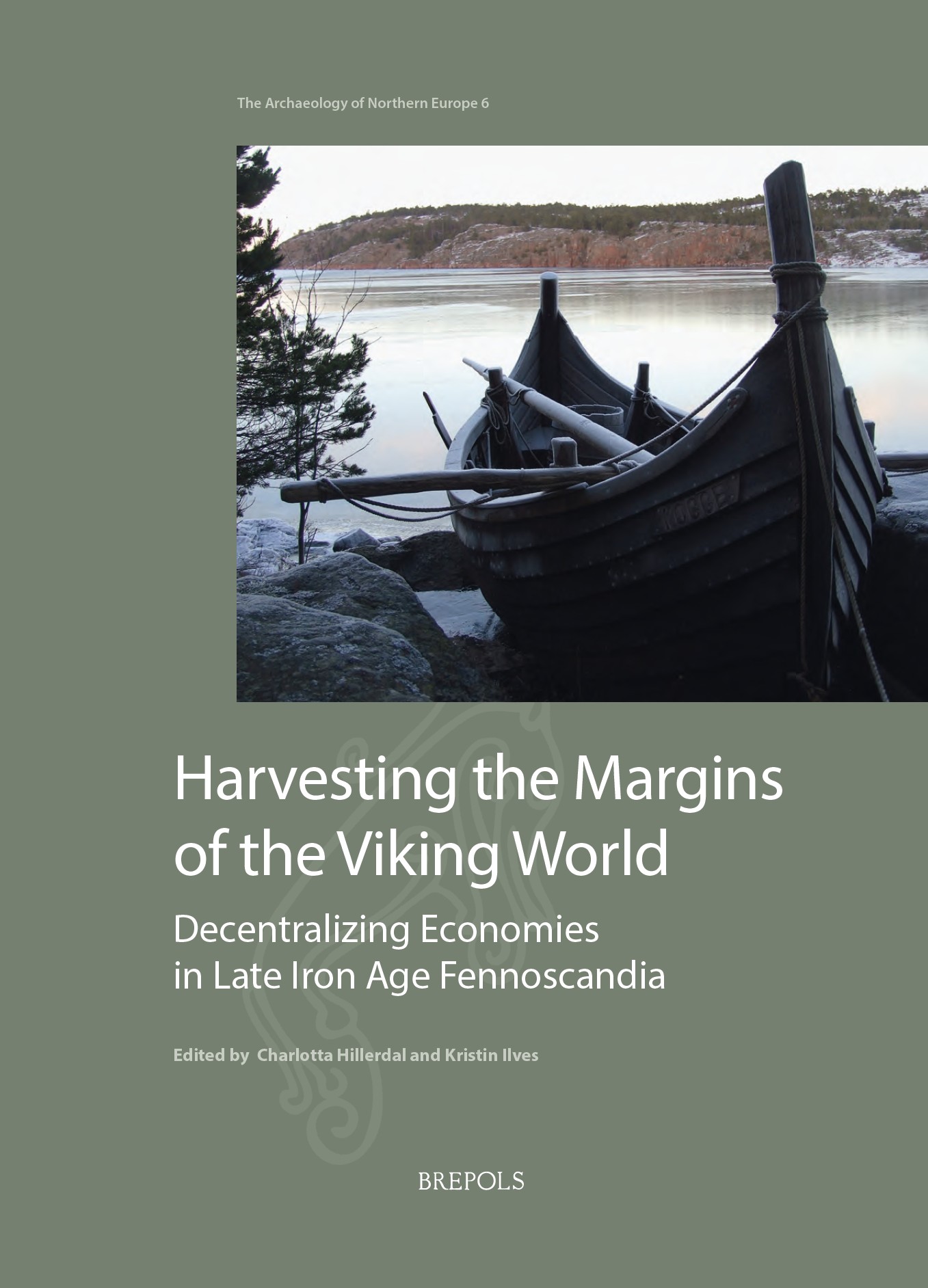 Harvesting the Margins of the Viking World
Decentralizing Economies in Late Iron Age Fennoscandia
Volume 6


 Innovation and Medieval Communities
The Circulation of Ideas and Practices in and out of the Town (1200-1500)
Volume 63
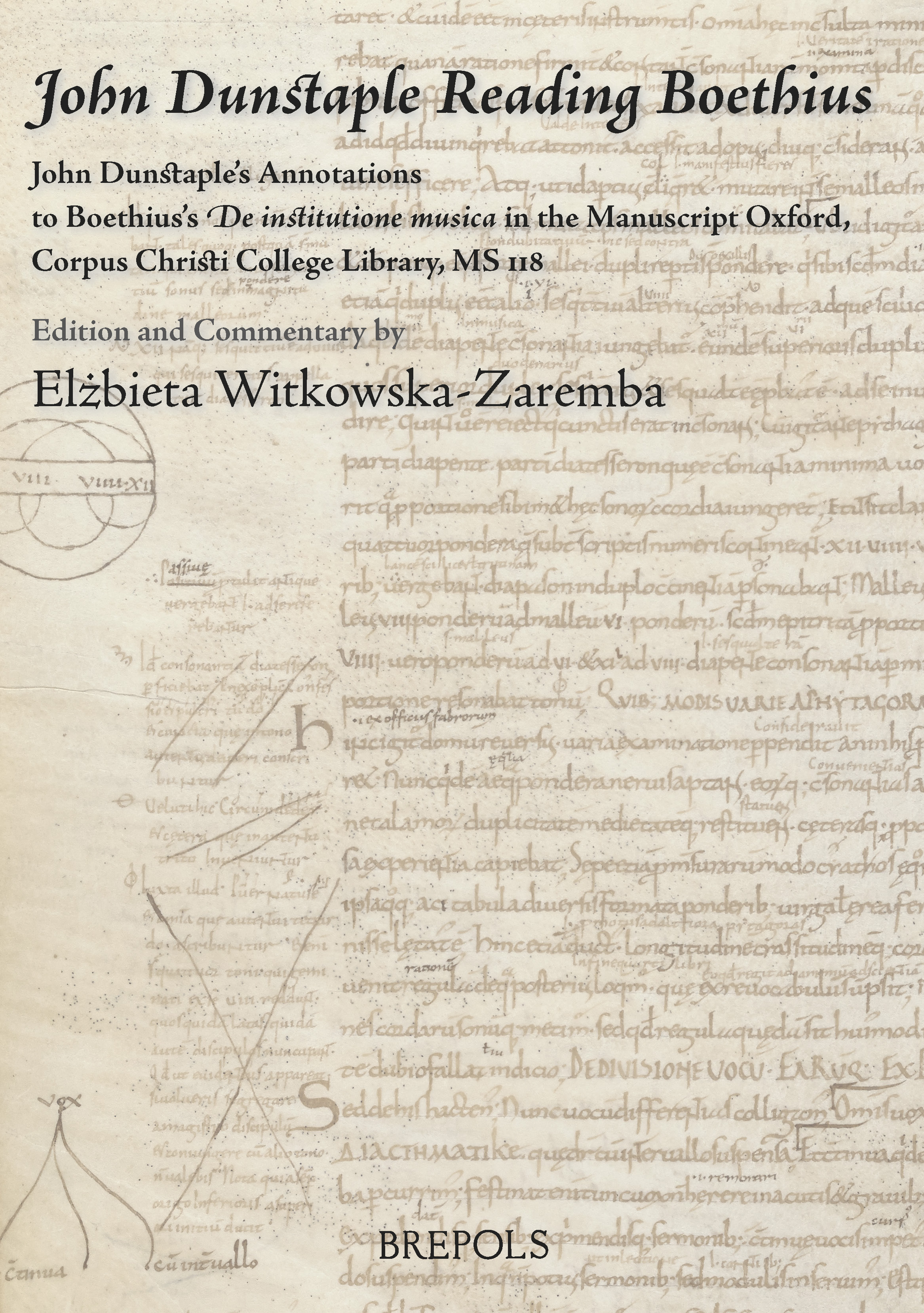 John Dunstaple Reading Boethius
John Dunstaple’s Annotations to Boethius’s “De institutione musica” in the Manuscript Oxford, Corpus Christi College Library, MS 118
 Linguistic and Cultural Dynamics in a Frontier Society
New Perspectives on Northeastern Bavaria and Western Bohemia in the Early Middle Ages
Volume 9

 Making and Meaning in the Bronze and Iron Ages
Chronology, Landscapes and Societies across Europe. Proceedings from the METALAGES2024 Colloquium (Florence, 23 October 2024)
 Medieval Debates on Foreknowledge: Future Contingents, Prophecy, and Divination
Acts of the XXVII Annual Colloquium of the SIEPM, Trento 12-15 September 2023
Volume 31
 Medieval Yeghegis, Armenia
History, Archaeology, Society. Local Multiplicities and Global Connections of a Rural Centre on the Silk Road(s)