
Sextus Empiricus on Fallacies and Expert Knowledge
by Johanna Helene Schmitt

The focus of this study is Sextus Empiricus’s skeptical strategy of how to guard against deceptive arguments in a practical context. Schmitt investigates Sextus’s understanding of fallacies and contextualizes it in comparison with those of Aristotle, the Stoics, and Galen. She analyzes Sextus’s argument, engaging with the question of which expertise is necessary for the solution of fallacies. Sextus argues against the common view that logic is the relevant expertise, and that instead it is any expertise regarding the objects referred to by the words used in the fallacy. The book shows that Sextus’s argument is informed by his empirical background and is in fact a contribution to a medical debate of his time about the relevance of logic for medicine. Furthermore, it argues that Sextus attacks dogmatic doctors of Galen’s persuasion.
- By (author) Johanna Helene Schmitt
Similar Books


 Drunk the Potion, No Whit Charmed
The Doctrine of Pure and Perfect Souls from Iamblichus to Damascius
 Éthique, politique, religions
Superstition (XVIIe - XXIe siècles). Sémantique, histoires et cultures


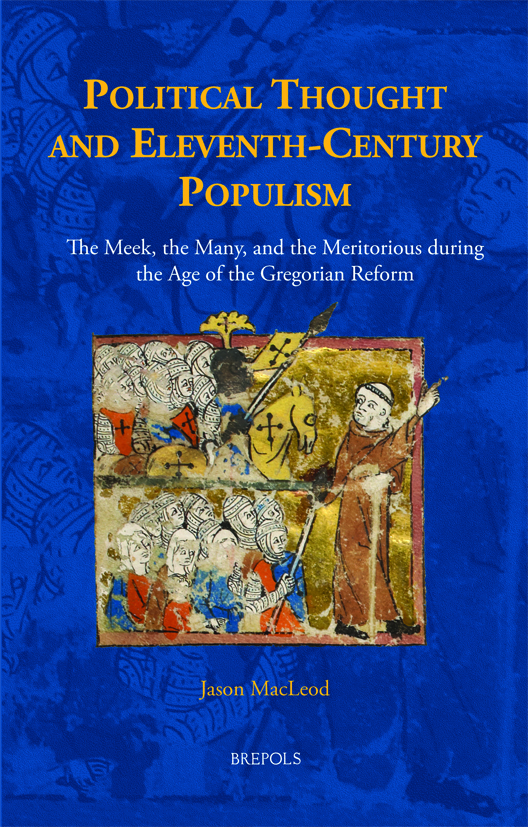 Political Thought and Eleventh-Century Populism
The Meek, the Many, and the Meritorious during the Age of the Gregorian Reform
Volume 38



 ‘Emergente Evolution’?
Fallstudien zur philosophischen Rekonstruktion und schopfungstheologischen Rezeption eines naturalistischen Paradigmas
Volume 40
 Das Dasein und das isolierte Subjekt
Die Frage der philosophischen Selbstinterpretation des Menschen bei Heidegger

 Der Geist des Menschen und die originäre Erfahrung der Zerbrechlichkeit
Eine philosophisch-theologische Grundlegung nach Edith Stein im Dialog mit der medizinischen Anthropologie und der existentiellen Psychologie
 Ewige Freundschaft – Thomas von Aquins Versöhnungslehre
Versöhnung als trinitarisch begründetes Freundschaftsgeschehen zwischen Gott und Mensch





 Metamethodik des juristischen Entscheidens
Notwendigkeit, Grenzen und Prämissen methodischer Entscheidungsbegründung
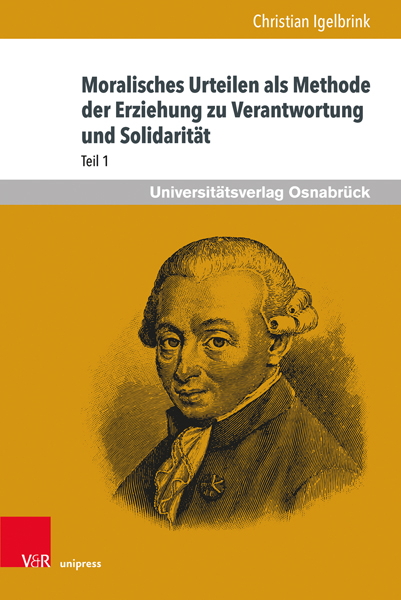 Moralisches Urteilen als Methode der Erziehung zu Verantwortung und Solidarität
Ethische Grundlegung, erziehungstheoretische Einordnung und didaktische Konzeptualisierung eines regelbasierten Modells moralischer Urteilsbildung


 Psychische Integrität und demokratische Freiheitlichkeit
Interdisziplinäre Konzeption und rechtliche Verortung menschlicher Subjektivität

 Rechtsdogmatik und Wissenschaftstheorie
Möglichkeiten und Grenzen eines interdisziplinären Diskurses
