
Sealing and Seals on Texts from Kultepe Karum Level 2
by B. Teissier

In studies of the Assyrian merchant community established at Kultepe (KARUM Kanesh, level 2) in Anatolia in the early second millennium B.C., the texts with their associated cylinder and stamp sealings found there have traditionally been investigated separately. This book specifically seeks to integrate glyptic and textual studies in a way helpful both to scholars of Old Assyrian and to those with an interest in seals and sealing in the ancient Near East. The combined study of texts and sealings illuminates commercial and socio-legal activity in fresh ways, whilst the stylistic analyses sharpens chronological arguments and throws light on the community’s foreign contacts. The book consists of two parts. The first analyses the sealing practices (in general and per type of record, with a special chapter on witnesses) and the seals, their ownership, manufacture, styles, iconography and inscriptions. Special chapters deal with the archives of the KARUM (with a list of their locations) and with the dating of texts and seals (with a list of the eponyms). Part two is a catalogue of 677 seals. It consists of tables offering, in a condensed form, essential data from the text envelopes on which the seals have been impressed, and of drawings of each of them. Extensive indices, of names, eponyms, seal owners/users, seal inscriptions, texts and seals complete this well-documented volume.
In studies of the Assyrian merchant community established at Kultepe (KARUM Kanesh, level 2) in Anatolia in the early second millennium B.C., the texts with their associated cylinder and stamp sealings found there have traditionally been investigated separately. This book specifically seeks to integrate glyptic and textual studies in a way helpful both to scholars of Old Assyrian and to those with an interest in seals and sealing in the ancient Near East. The combined study of texts and sealings illuminates commercial and socio-legal activity in fresh ways, whilst the stylistic analyses sharpens chronological arguments and throws light on the community’s foreign contacts. The book consists of two parts. The first analyses the sealing practices (in general and per type of record, with a special chapter on witnesses) and the seals, their ownership, manufacture, styles, iconography and inscriptions. Special chapters deal with the archives of the KARUM (with a list of their locations) and with the dating of texts and seals (with a list of the eponyms). Part two is a catalogue of 677 seals. It consists of tables offering, in a condensed form, essential data from the text envelopes on which the seals have been impressed, and of drawings of each of them. Extensive indices, of names, eponyms, seal owners/users, seal inscriptions, texts and seals complete this well-documented volume.
- By (author) B Teissier
Other Titles in this Series

 Bookkeeping without Writing: Early Administrative Technologies in Context
Proceedings of the Netherlands Institute for the Near East (NINO) Postdoctoral Fellow First Annual Conference, 5th and 6th February 2021
Volume 134
 Zagros Studies
Proceedings of the NINO Jubilee Conference and Other Research on the Zagros Region
Volume 130

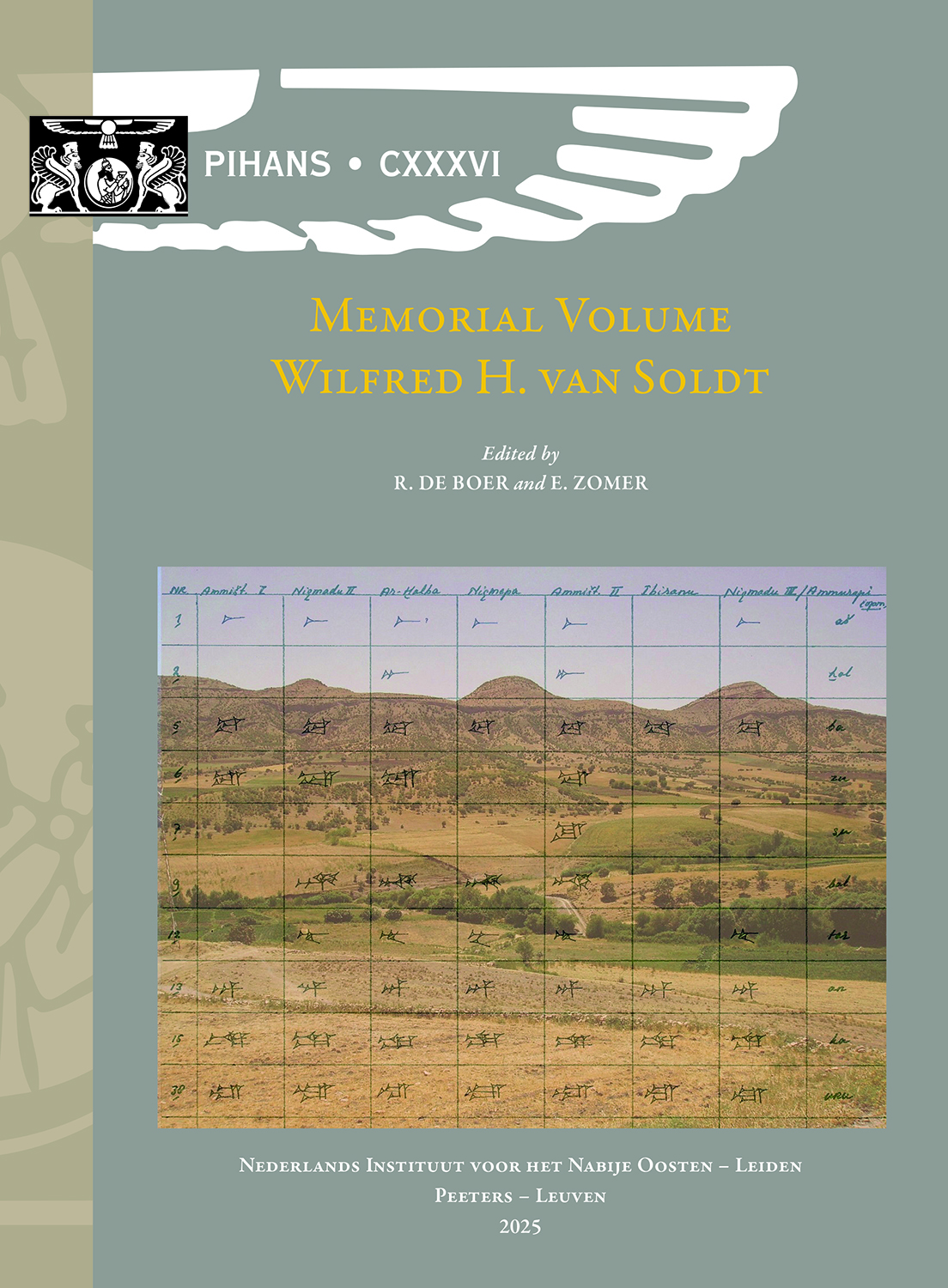
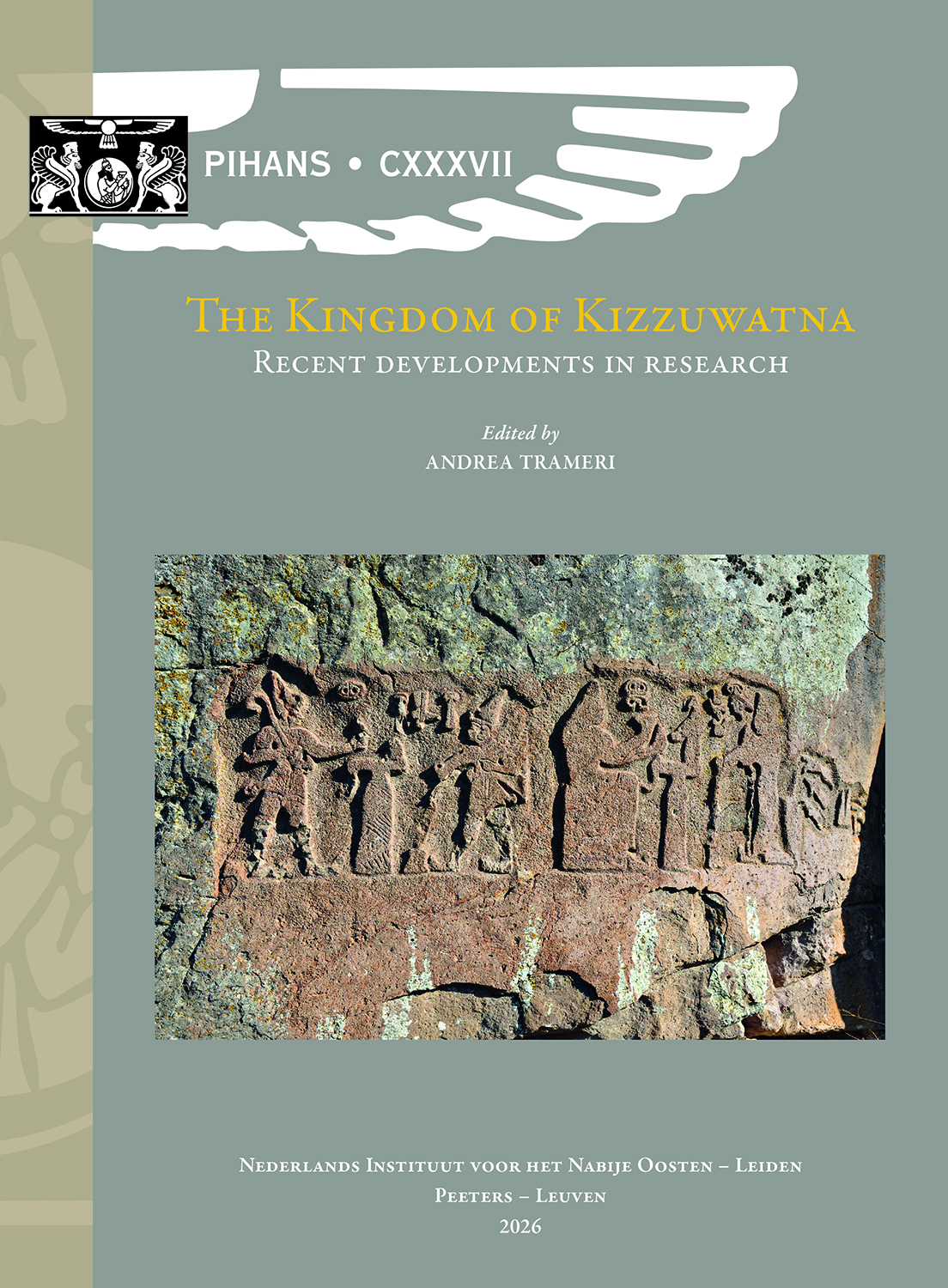 The Kingdom of Kizzuwatna: Recent Developments in Research
Proceedings of the Third NINO Postdoctoral Research Fellow Annual Conference, Leiden, 23rd-25th March 2023
Volume 137

Similar Books


 Contesting Labeled Identities
The Sociology of Gentilics in Biblical and Northwest Semitic Literature

 Drunk the Potion, No Whit Charmed
The Doctrine of Pure and Perfect Souls from Iamblichus to Damascius

 Epigraphic “Shades” from Hellenistic Thrace
Contextualizing Inscriptions in Greek from Thracian Tombs

 Epiphanies of the Divine in the Septuagint and the New Testament
Fifth International Symposium of the Corpus Judaeo-Hellenisticum Novi Testamenti (CJHNT), 14-17 May 2015, Nottingham


 Gold, Silver and Glass: Power Networks, Cultural Identities, Technology Transfers and Agency across the Old World (7th Century BC – 1st Century AD)
Proceedings of a Conference Held at the British Museum, 16–18 June 2023
 Language and Power in the Roman Empire and Early India
Hierarchy, Ambiguity, and the Art of Reading the Signs in Cosmopolitan Cultures
 Late Antique villae in the Balkans (3rd–7th c. AD): Current Research Questions and Perspectives
HAEMUS Companion to the Late Antique Balkans 1
Volume 4


 Nurturing the Elite
Representations of Drinking, Eating, and Religious Vessels in Palmyrene Funerary Iconography
Volume 13





 Roman Copies, Collecting, and Culture in the Bay of Naples and Beyond
Papers in Honor of Eugene J. Dwyer



 The Compositional History of the Book of Kings
An Analysis of the Evaluative Frameworks in 1 Kings 14–2 Kings 25




 Zooarchaeology of Ancient Greek Sanctuaries in Southwestern Sicily
Faunal Analysis from Selinus and Akragas as Evidence of Differences in the Treatment of Animals for Ritual Purposes


