
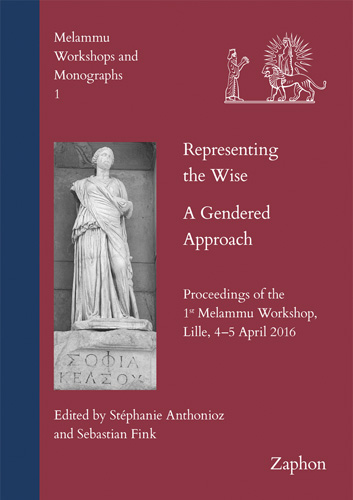
Representing the Wise
A Gendered Approach: Proceedings of the 1st Melammu Workshop. Lille, 4-5 April 2016
edited by Stephanie Anthonioz and Sebastian Fink
Hardback (Published)
(October 2019)
ISBN: 9783963270680
6.65 x 9.45 inches
Price: $81.00
In stock
The first of the Melammu Workshops askes how female and male representatives of the wise, female and male sages, were conceptualized in antiquity and whether there was a clear difference between female and male wisdom. The workshop followed a kind of historical chronology starting from Mesopotamian and Egyptian sources, continuing West through the Levant and ending with Greek and Roman documentation. It permitted a vast exploration of sages, both divine and human, as they were portrayed in antiquity. The papers brought to light several tensions among which the question of gender was not the least. Indeed, the nature of wisdom itself, human and divine, empirical, theoretical but also at times abstract and difficult to outline, pointed to the difficulty of a definition. Hence the plurality of representations might be interpreted as a sign of this difficulty and variety. Moreover, the gender question was found to be strongly related to the societies and their organization as evidenced elsewhere in current research. Any generalization or typology of the sages at this point could not be drawn but a clear historical evolution toward masculine representation of wisdom was evidenced. Certainly, this has to do with social change, economic structures and the loci of power and authority. However, in many regards, women appear as counterparts or homologues of men in their quest for wisdom. In that sense, the workshop proved very fruitful in displaying a large gallery of portraits and in bringing to light differences according to social settings and sources but also main trends of evolution through historical times.
The first of the Melammu Workshops askes how female and male representatives of the wise, female and male sages, were conceptualized in antiquity and whether there was a clear difference between female and male wisdom. The workshop followed a kind of historical chronology starting from Mesopotamian and Egyptian sources, continuing West through the Levant and ending with Greek and Roman documentation. It permitted a vast exploration of sages, both divine and human, as they were portrayed in antiquity. The papers brought to light several tensions among which the question of gender was not the least. Indeed, the nature of wisdom itself, human and divine, empirical, theoretical but also at times abstract and difficult to outline, pointed to the difficulty of a definition. Hence the plurality of representations might be interpreted as a sign of this difficulty and variety. Moreover, the gender question was found to be strongly related to the societies and their organization as evidenced elsewhere in current research. Any generalization or typology of the sages at this point could not be drawn but a clear historical evolution toward masculine representation of wisdom was evidenced. Certainly, this has to do with social change, economic structures and the loci of power and authority. However, in many regards, women appear as counterparts or homologues of men in their quest for wisdom. In that sense, the workshop proved very fruitful in displaying a large gallery of portraits and in bringing to light differences according to social settings and sources but also main trends of evolution through historical times.
Stephanie Anthonioz / Sebastian Fink: Representing the Wise: A Gendered Approach. Introduction Gebhard Selz: Female Sages in the Sumerian tradition of Mesopotamia Peeter Espak: Male Sages in Sumerian Literature Saana Svard: Female Sages in Akkadian Literature Raija Mattila: Male Sages in Akkadian Literature Pascal Vernus: The Sages / Wisemen in Ancient Egypt Ehud Ben Zvi: Memories of Female (and Male) Sages in late Persian / Early Hellenistic Yehud Considerations Informed by Social Memory and Current Cross- and Trans-disciplinary Trends in the Study of Wisdom Stephanie Anthonioz: Lady Wisdom in Prov 1-9
31: Context, Definition and Function of her Personification Ennio Biondi: Lady Wisdom in Greek Culture: Athena as a Deity of Polymorphic Intelligence Claudia Horst: Paideia Makes the Man: A Gendered Approach to the Figure of the Wise Man in Imperial Rome Kordula Schnegg: Female Sages in Roman Literature - Selected Examples Index
- Edited by Stephanie Anthonioz
- Edited by Sebastian Fink
Other Titles in this Series
 Responses to the 12th Century BC Collapse
Recovery and Restructuration in the Early Iron Age Near East and Mediterranean. Proceedings of the 9th Melammu Workshop, Tartu, 7-9 June 2019
Volume 10
 Making Peace in the Ancient World
Proceedings of the 7th Melammu Workshop, Padova, 5-7 November 2018
Volume 5
 Ceremonies, Feasts and Festivities in Ancient Mesopotamia and the Mediterranean World
Performance and Participation: Proceedings of the 11th Melammu Workshop, Barcelona, 29-31 January 2020
Volume 7

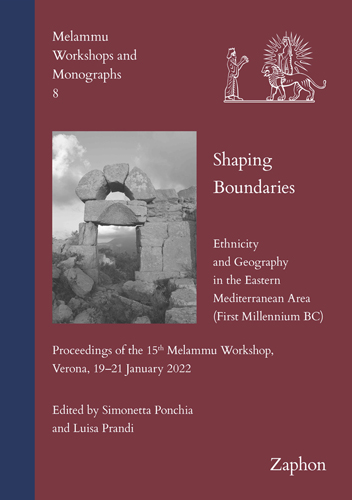 Shaping Boundaries
Ethnicity and Geography in the Eastern Mediterranean Area (First Millennium BC). Proceedings of the 15th Melammu Workshop, Verona, 19-21 January 2022
Volume 8
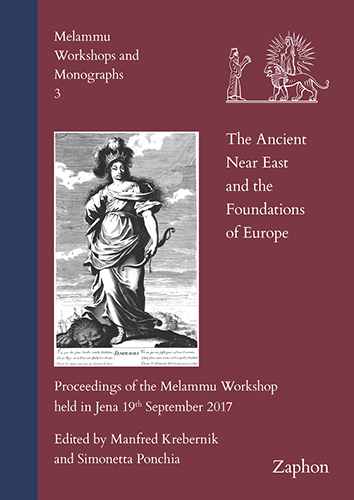 The Ancient Near East and the Foundations of Europe
Proceedings of the Melammu Workshop held in Jena 19th September 2017
Volume 3
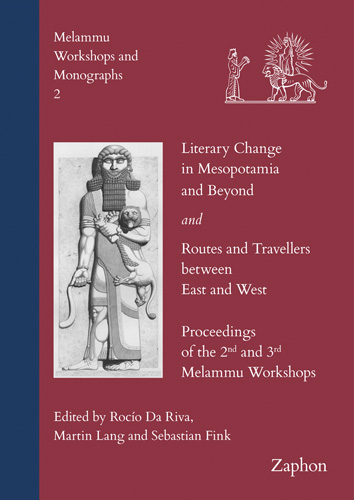 Literary Change in Mesopotamia and Beyond and Routes and Travellers between East and West
Proceedings of the 2nd and 3rd Melammu Workshop
Volume 2
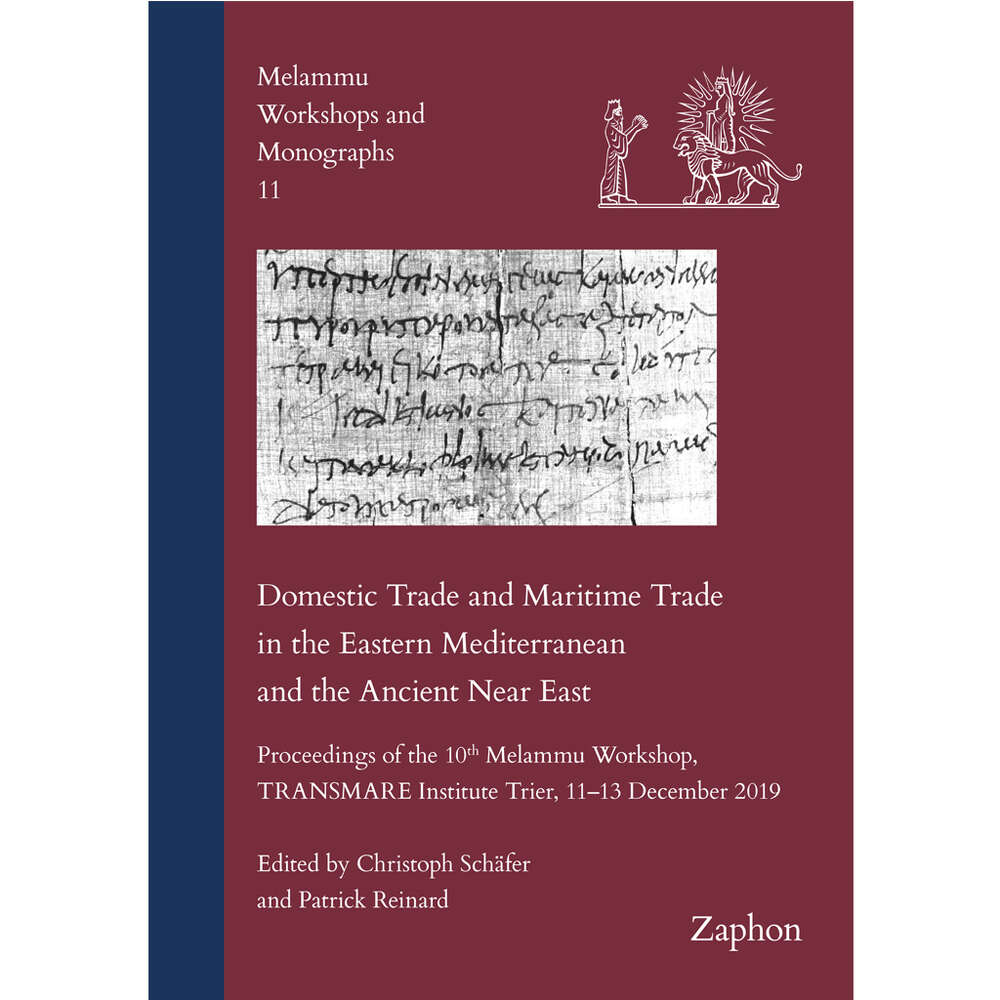 Domestic Trade and Maritime Trade in the Eastern Mediterranean and the Ancient Near East
Proceedings of the 10th Melammu Workshop, TRANSMARE Institute Trier, 11–13 December 2019
Volume 11
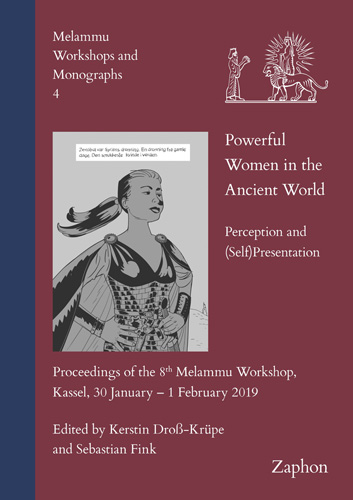
 Creating the Woman in Antiquity
Proceedings of the 16th Melammu Workshop, Innsbruck, 2–3 June 2022
Volume 13
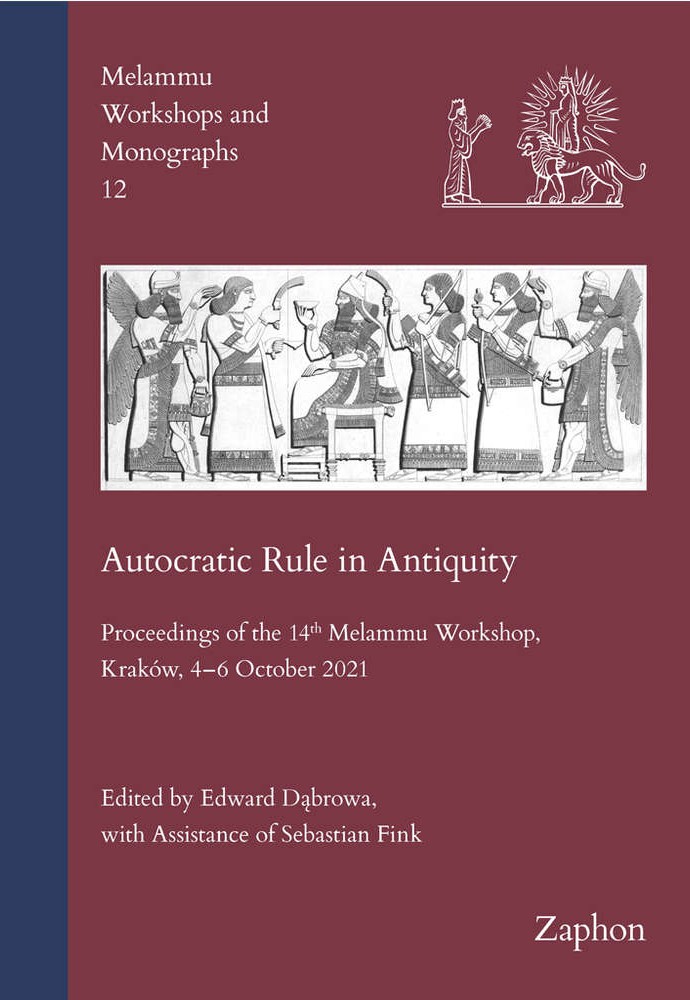 Autocratic Rule in Antiquity
Proceedings of the 14th Melammu Workshop, Krakow, 46 October 2021
Volume 12
Similar Books





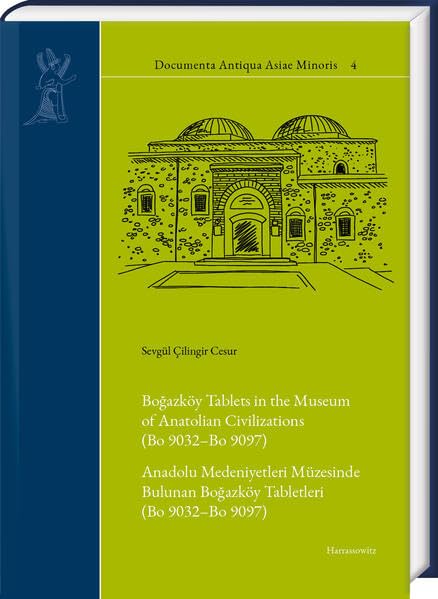 Boğazköy Tablets in the Museum of Anatolian Civilizations (Bo 9032–Bo 9097)
Anadolu Medeniyetleri Müzesinde Bulunan Boğazköy Tabletleri (Bo 9032–Bo 9097)
Volume 4

 Connecting the Dots: Counting, Writing, and the Beginnings of Civilization
The Secret Lives of Clay Tokens: A Memoir
 Contesting Labeled Identities
The Sociology of Gentilics in Biblical and Northwest Semitic Literature

 Curating the Prehistoric Past
Studies on West Asian Archaeology and Beyond in Honour of Yoshihiro Nishiaki
 Drunk the Potion, No Whit Charmed
The Doctrine of Pure and Perfect Souls from Iamblichus to Damascius


 Epigraphic “Shades” from Hellenistic Thrace
Contextualizing Inscriptions in Greek from Thracian Tombs

 Epiphanies of the Divine in the Septuagint and the New Testament
Fifth International Symposium of the Corpus Judaeo-Hellenisticum Novi Testamenti (CJHNT), 14-17 May 2015, Nottingham


 Exploring Gender Dynamics across the Ancient Near East
Collected Essays of Gender and Methodology in the Ancient Near East (GeMANE) 4 and 5
Volume 7


 Gold, Silver and Glass: Power Networks, Cultural Identities, Technology Transfers and Agency across the Old World (7th Century BC – 1st Century AD)
Proceedings of a Conference Held at the British Museum, 16–18 June 2023
 Ḫattušaš utnē išḫameški
Hittite and Other Ancient Near Eastern Studies Presented to Piotr Taracha on the Occasion of His 65th Birthday






 Kultur – Kontakt – Kultur
Beiträge anlässlich der 66. Rencontre Assyriologique Internationale in Frankfurt/Main und Mainz, 25.–29. Juli 2022
Volume 35