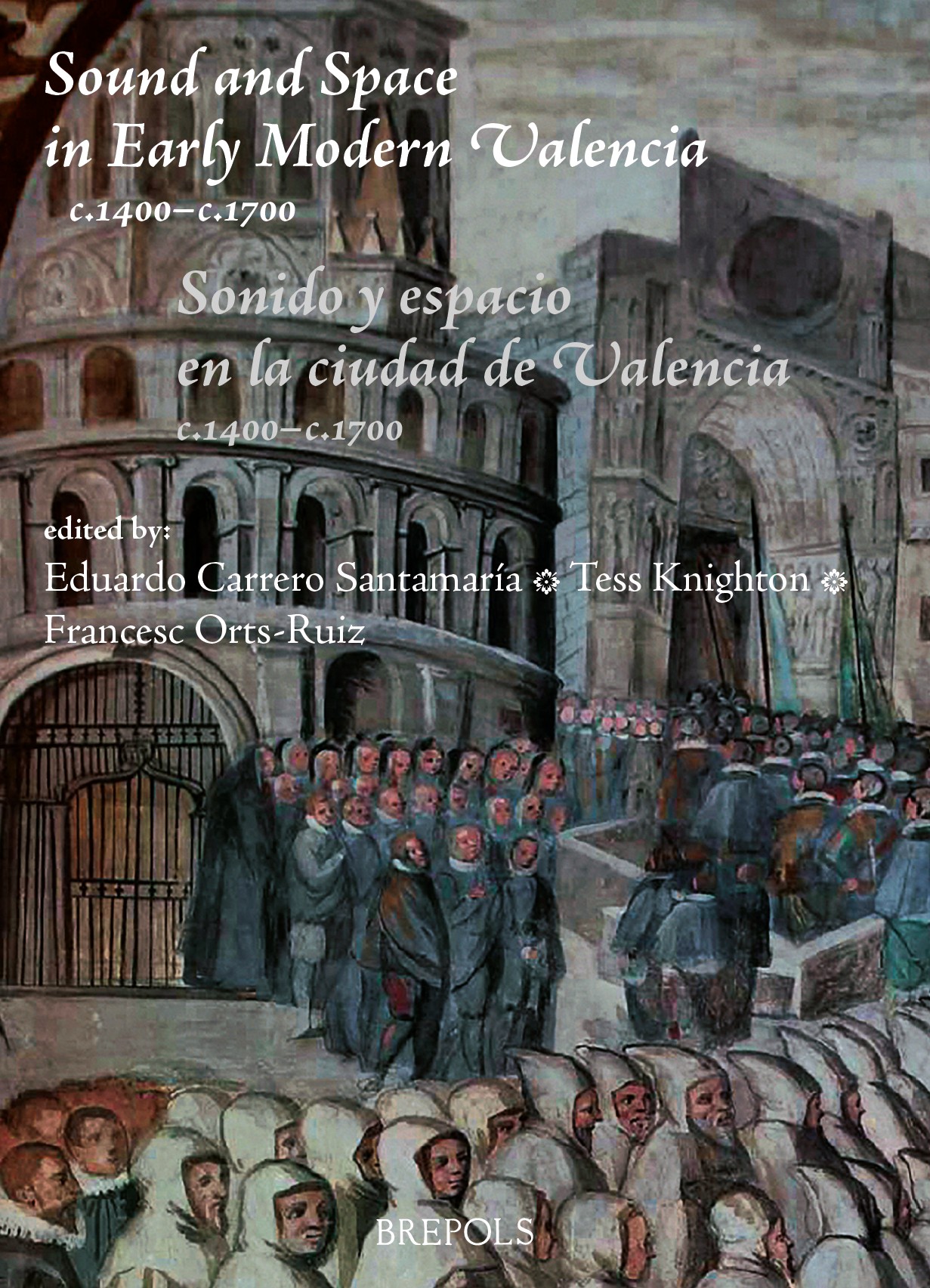
Quaderni dell’Istituto di Storia dell’Architettura. n.s. 69, 2018
By (author) L'Erma di Bretschneider

Paperback (Published)
(April 2019)
ISBN: 9788891317650
8.7 x 12.56 inches
Price: $99.00
On back order
In the Caetani Archive in Rome, there is a draft of a letter addressed to Cardinal Gabriele Paleotti, dated September 22nd, 1581, the author of which has been identified as the Bolognese bishop Alessandro Casali. The subject of the letter is the decorating project designed by the latter for his chapel in the Cathedral of Sant’Ambrogio di Vigevano, but of notable interest is the mention of Domenico Tibaldi, Paleotti’s trusted architect, who Casali involved in some projects probably destined for the same city. The letter provides us with new information about Tibaldi’s clients during the last stage of his career, including the Duke of Savoy Charles Emmanuel I, as well his previously unknown connection with Bishop Casali, which merits further study. LIVIA NOCCHI This contribution is part of the studies carried out on the features’ theme of historic buildings in Ferrara, and specifically of the research on the stylistic and constructive features of historic buildings during the Este duchy (1471-1598). These activities intend to conduct case studies by using detailed monographs that recognise the fundamental role in historical investigation of understanding the distinctive features of pre-existing structures, as well as the mechanisms of change in respect to architecture in the past. This contribution conducts a study on Ludovico Ariosto’s house in Contrada Mirasole, concentrating its investigation on the characterising elements of the architecture: an objective evaluation of the building’s facts found out in its historical process, and in its construction techniques and materials, is carried out through the cross-validation analysis of direct and indirect readouts, so as to examine the architectural style through comparisons in order to identify common features and/or local variations. ALESSANDRO IPPOLITI Before his death, Ottaviano Mascarino (1536-1606) left his collection of drawings to the Accademia di San Luca, to which he belonged, most of them autographed. Some of the drawings by other people, attributed to various contemporary architects, often document the building sites Mascarino inherited or his activity as a consultant for important patrons. The Academy’s oldest existing inventories–from 1608, 1624 and, in more detail, 1712, which record the Academy’s state of affairs in 1682–only allow us to partially reconstruct the original size of the bequest. However, as well as the larger number of drawings, there is also evidence to suggest that some of these were valuable drawings by Baldassarre Peruzzi, or at least attributed to him, and Vignola. Some of the drawings that were originally part of the Academy can be identified in other collections, while many others are not currently traceable. Architects in the following century, (Carlo Maderno, Pietro da Cortona, Girolamo e Tolomeo Rainaldi, Francesco Maria Ricchino, Domenico Martinelli) were influenced by Mascarino’s drawings rather than by the few buildings which were actually built or preserved. This essay also seeks to shed light on the collection’s success outside Rome, highlighting the architect’s relationships with other geographical and cultural realities, until now overlooked. MAURIZIO RICCI
- By (author) L’Erma di Bretschneider
Other Titles in this Series
 Realta dell’architettura fra materia e immagine. Per Giovanni Carbonara
studi e ricerche (Vol I): Quaderni dell'Istituto di Storia dell'Architettura. Numero Speciale 2019
 Quaderni dell’Istituto di Storia dell’Architettura. n.s. 65, 2016
Direttore responsabile: Augusto Roca De Amicis
Volume 65


 Quaderni dellIstituto di Storia dell’Architettura. n.s., 2018. Le nuove sedi universitarie
Numero speciale in occasione delle celebrazioni per la realizzazione della Nuova Citta Universitaria di Roma
Volume 70


Similar Books
 A Collaborative Tapestry in Honour of Shirley Ann Brown / Une fresque brodée en l’honneur de Shirley Ann Brown
The Bayeux Tapestry Seen by her Colleagues and Friends / La Tapisserie de Bayeux vue par ses collègues et amis


 Balthasar Caymox of Nuremberg
Early Modern German Print Publishers: Popular Prints of the Seventeenth Century
 Behind the Scenes of Medieval Roofs
An Overview of the Roofing Systems of Italian Churches
Volume 90
 Beyond Sovereign Courts
Agents and Practices in Early Modern Spanish and Habsburg Diplomacy
Volume 3

 Circulation, Use, Impact
The Consumption of Architectural Books in the Early Modern Eastern Adriatic
Volume 1


 Councils, Conflicts, Correspondence
Urban Diplomacy in Reval (Tallinn) and Lübeck (c. 1470–1570)
Volume 67


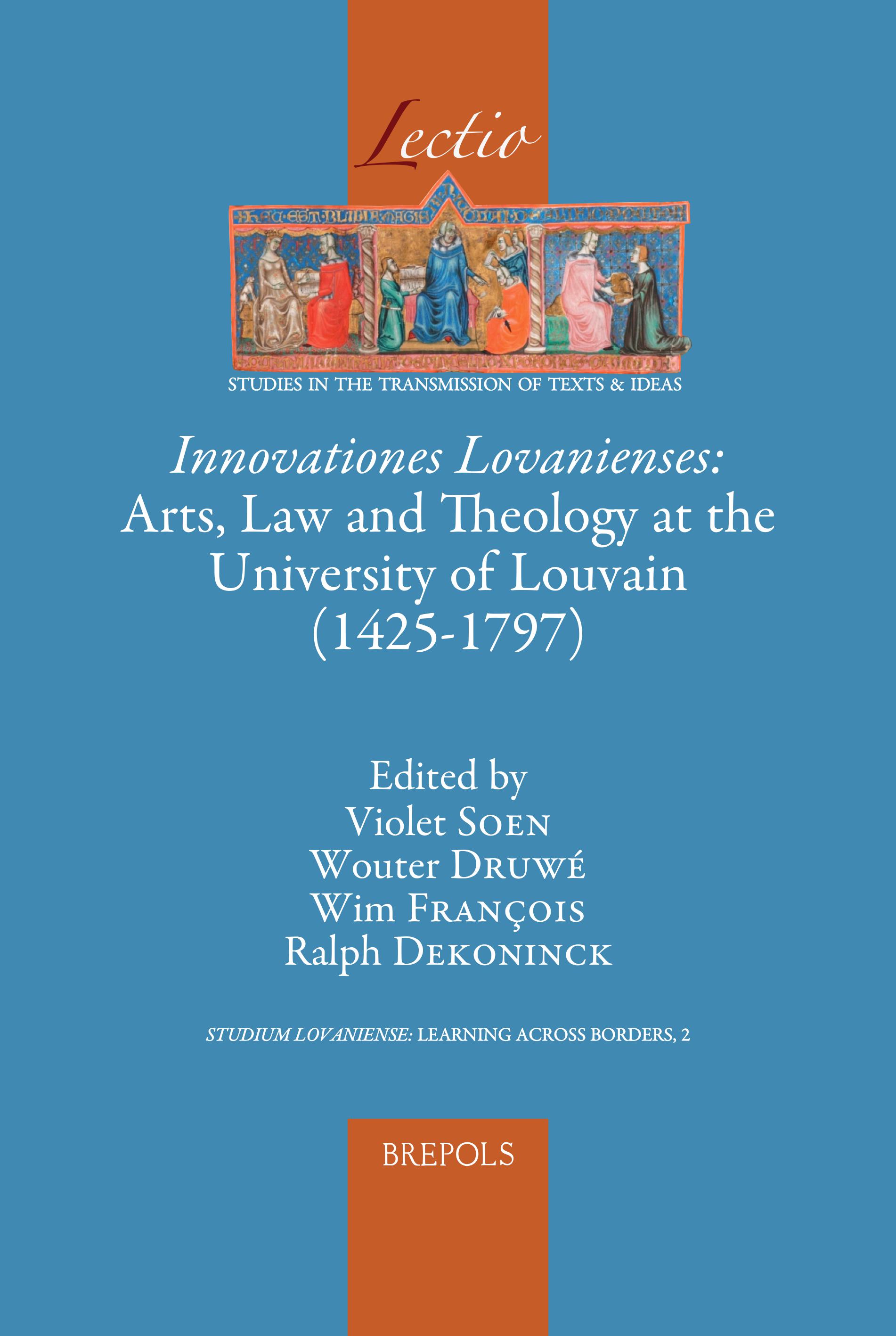 Innovationes Lovanienses: Arts, Law and Theology at the University of Louvain (1425–1797)
Studium Lovaniense: Learning across Borders, 2
Volume 18
 Late Antique villae in the Balkans (3rd–7th c. AD): Current Research Questions and Perspectives
HAEMUS Companion to the Late Antique Balkans 1
Volume 4
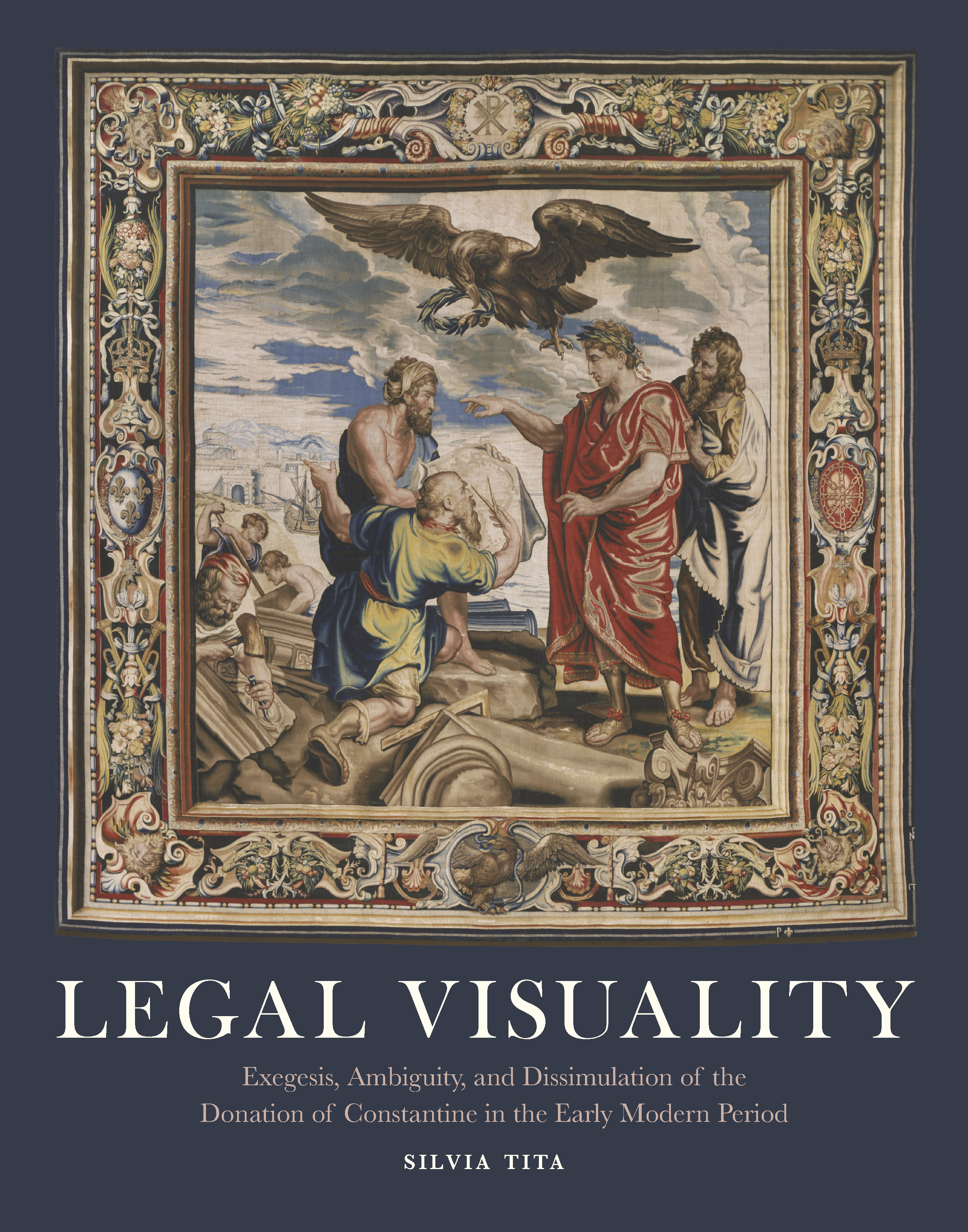 Legal Visuality
Exegesis, Ambiguity, and Dissimulation of the Donation of Constantine in the Early Modern Period

 Monastic Manuscripts from the Eastern Mediterranean (Sinai, Jerusalem, Antioch)
Production, Use, and Contexts

 Naples as Laboratory / Laboratorium Neapel
Style Options, Artistic Rivalry and Self Fashioning in Neapolitan Baroque Painting / Plurale Stilbildung, Kunstlerkonkurrenz und Self Fashioning in der neapolitanischen Barockmalerei
 Nurturing the Elite
Representations of Drinking, Eating, and Religious Vessels in Palmyrene Funerary Iconography
Volume 13


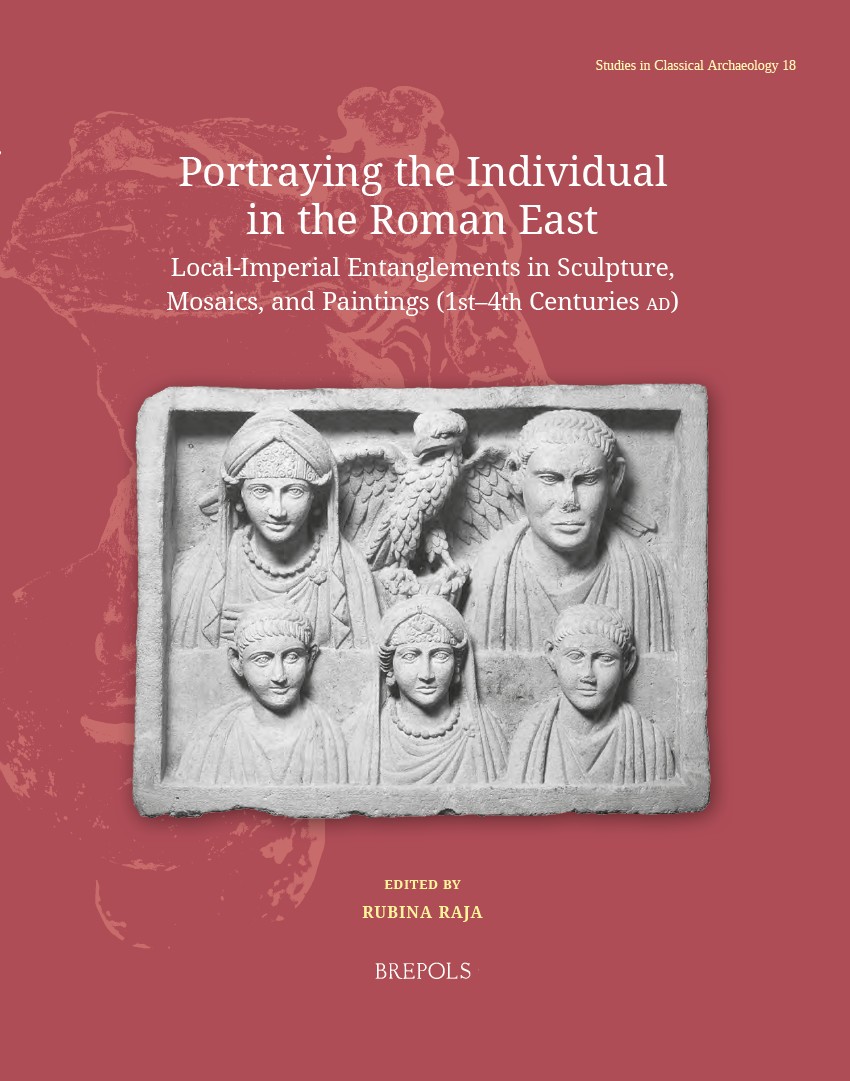 Portraying the Individual in the Roman East
Local–Imperial Entanglements in Sculpture, Mosaics, and Paintings (First–Fourth Centuries AD)
Volume 18