
Portraits of Human Monsters in the Renaissance
Dwarves, Hirsutes, and Castrati as Idealized Anatomical Anomalies
By (author) Touba Ghadessi
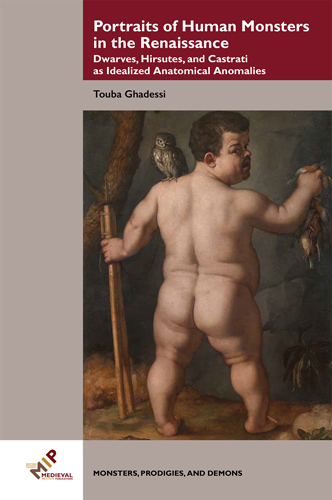
Hardback (Published)
(March 2018)
ISBN: 9781580442756
6.69 x 9.49 inches
Price: $99.00
In stock
~ENG~This book centers on how human monstrosity and physical deformity have been historically represented, categorized, and interpreted in various Italian and French courts of the late Renaissance.
At the center of this interdisciplinary study are court monsters–dwarves, hirsutes, and misshapen individuals–who, by their very presence, altered Renaissance ethics vis-a-vis anatomical difference, social virtues, and scientific knowledge. The study traces how these monsters evolved from objects of curiosity, to scientific cases, to legally independent beings. The works examined here point to the intricate cultural, religious, ethical, and scientific perceptions of monstrous individuals who were fixtures in contemporary courts.
Introduction
- By (author) Touba Ghadessi
"This lively and engaging study not only reveals and reconceptualizes portraits of human 'monsters,' but also, in so doing, rewrites the history of Renaissance portraiture. Ghadessi uses images of known, famous 'human monsters' - a dwarf, a hirsute woman, and a castrato - to highlight normative portraiture constructs, but also to reinvest their subjects with vibrant, vital humanity." Asa Mittman, California State University, Chico
—
"This lively and engaging study not only reveals and reconceptualizes portraits of human 'monsters,' but also, in so doing, rewrites the history of Renaissance portraiture. Ghadessi uses images of known, famous 'human monsters' - a dwarf, a hirsute woman, and a castrato - to highlight normative portraiture constructs, but also to reinvest their subjects with vibrant, vital humanity." - Asa Mittman, California State University, Chico
—
Similar Books


 Balthasar Caymox of Nuremberg
Early Modern German Print Publishers: Popular Prints of the Seventeenth Century
 Between Bones and Beliefs
Human-Bird Relations in Central and Northern Europe in the First Millennium AD
Volume 4
 Beyond Sovereign Courts
Agents and Practices in Early Modern Spanish and Habsburg Diplomacy
Volume 3

 Circulation, Use, Impact
The Consumption of Architectural Books in the Early Modern Eastern Adriatic
Volume 1

 Councils, Conflicts, Correspondence
Urban Diplomacy in Reval (Tallinn) and Lübeck (c. 1470–1570)
Volume 67


 Engaged Languages and Literatures / Langues et Littératures engagées
Critical Views / Regards Critiques


 Innovationes Lovanienses: Arts, Law and Theology at the University of Louvain (1425–1797)
Studium Lovaniense: Learning across Borders, 2
Volume 18
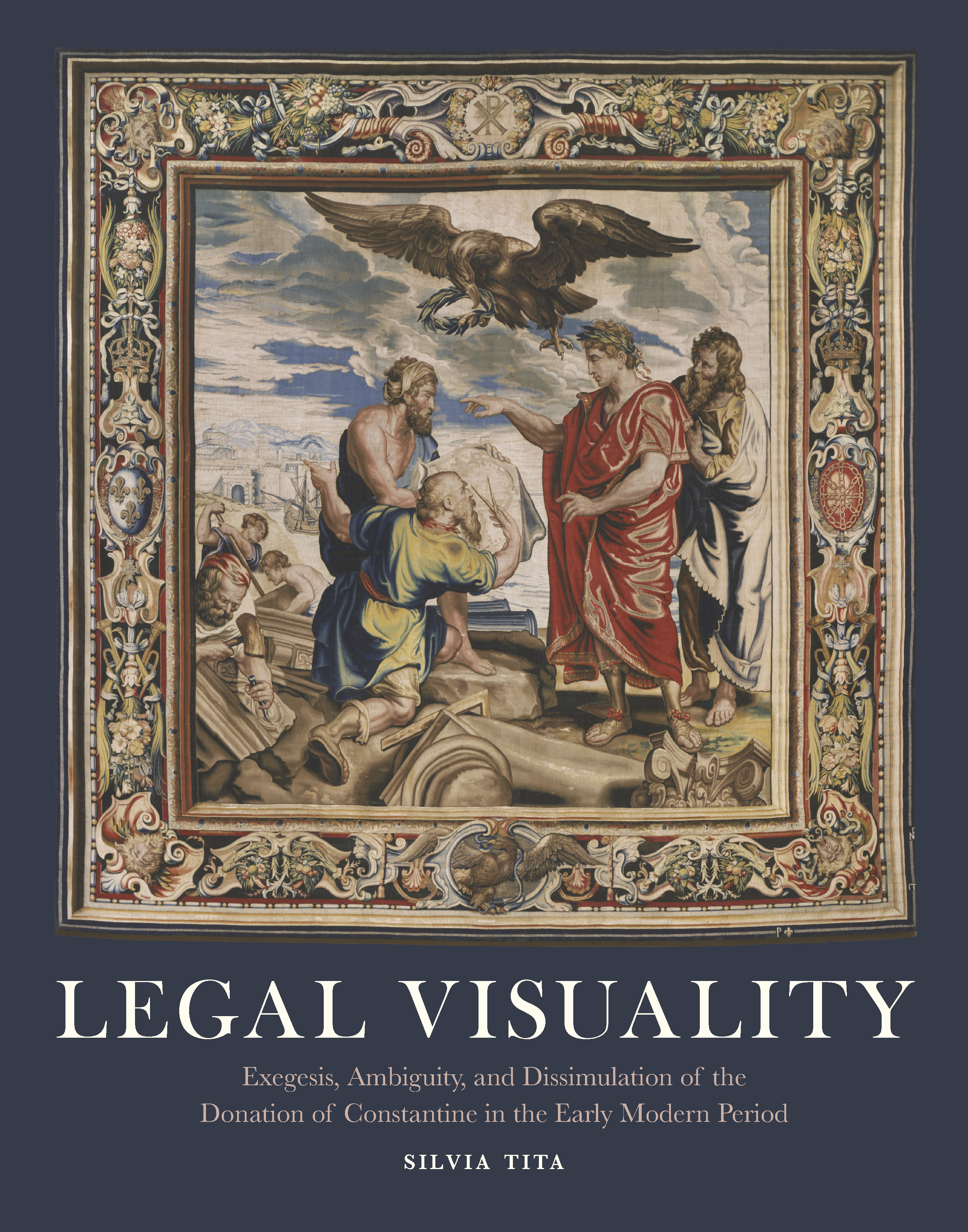 Legal Visuality
Exegesis, Ambiguity, and Dissimulation of the Donation of Constantine in the Early Modern Period

 Naples as Laboratory / Laboratorium Neapel
Style Options, Artistic Rivalry and Self Fashioning in Neapolitan Baroque Painting / Plurale Stilbildung, Kunstlerkonkurrenz und Self Fashioning in der neapolitanischen Barockmalerei
 Power and Women in Southeast and Central Europe in Late Medieval and Early Modern Period (1300-1600)
Volume 10


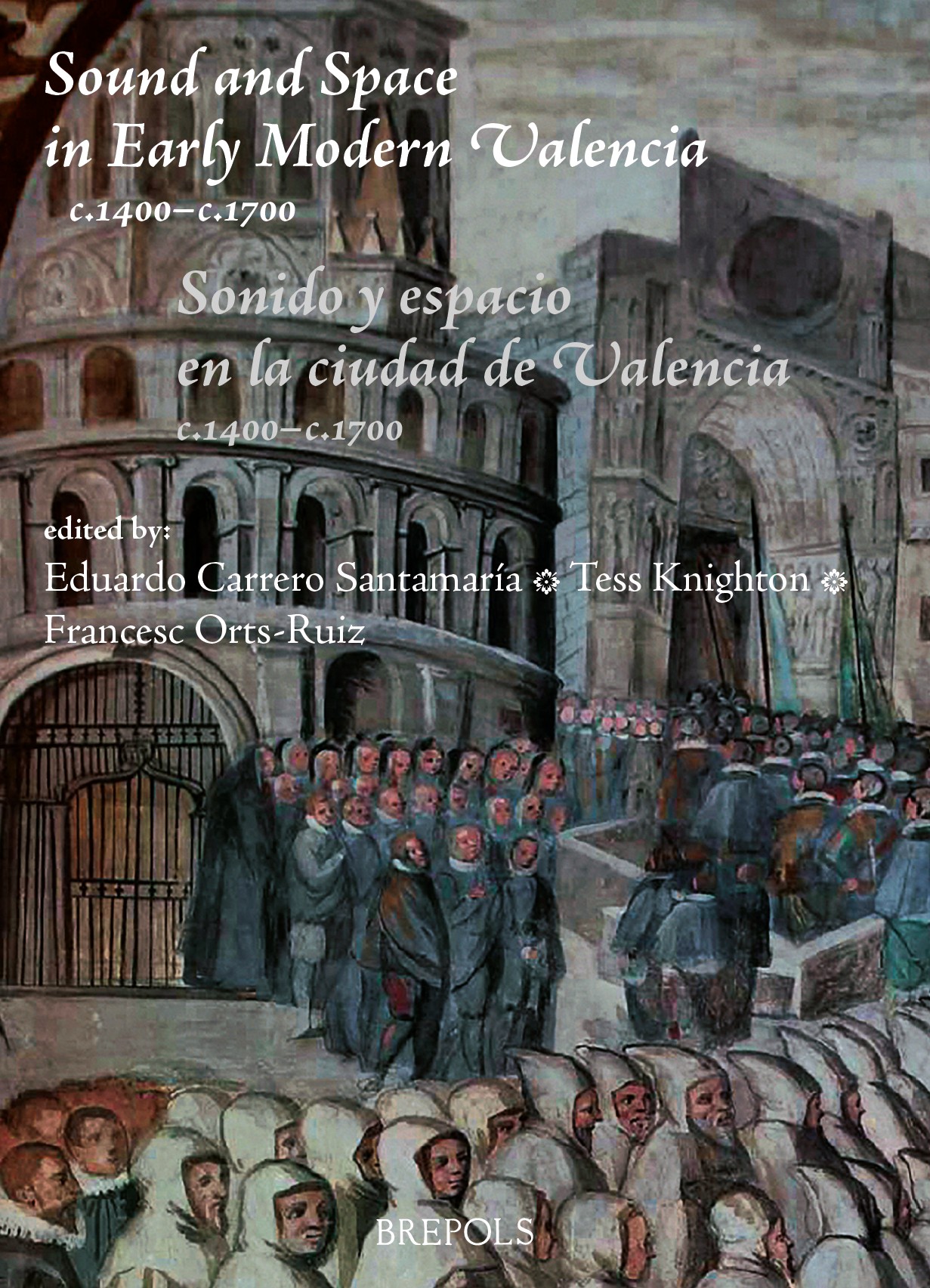

 Staging the Spectacle of Majesty
Ceremonial, Courtly Space, and Collecting under the Spanish Habsburgs
Volume 9

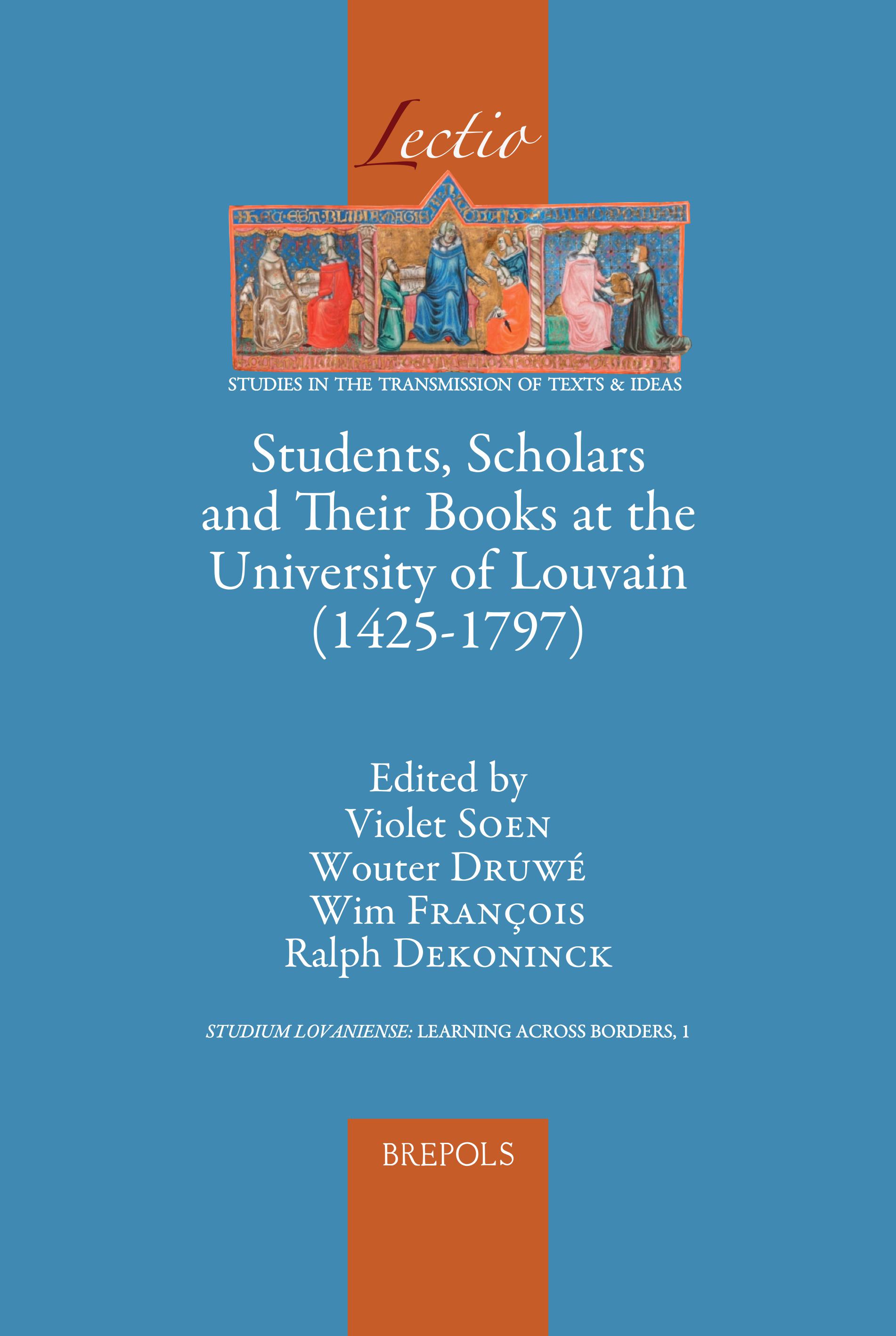 Students, Scholars and Their Books at the University of Louvain (1425-1797)
Studium Lovaniense: Learning across Borders, 1
Volume 17


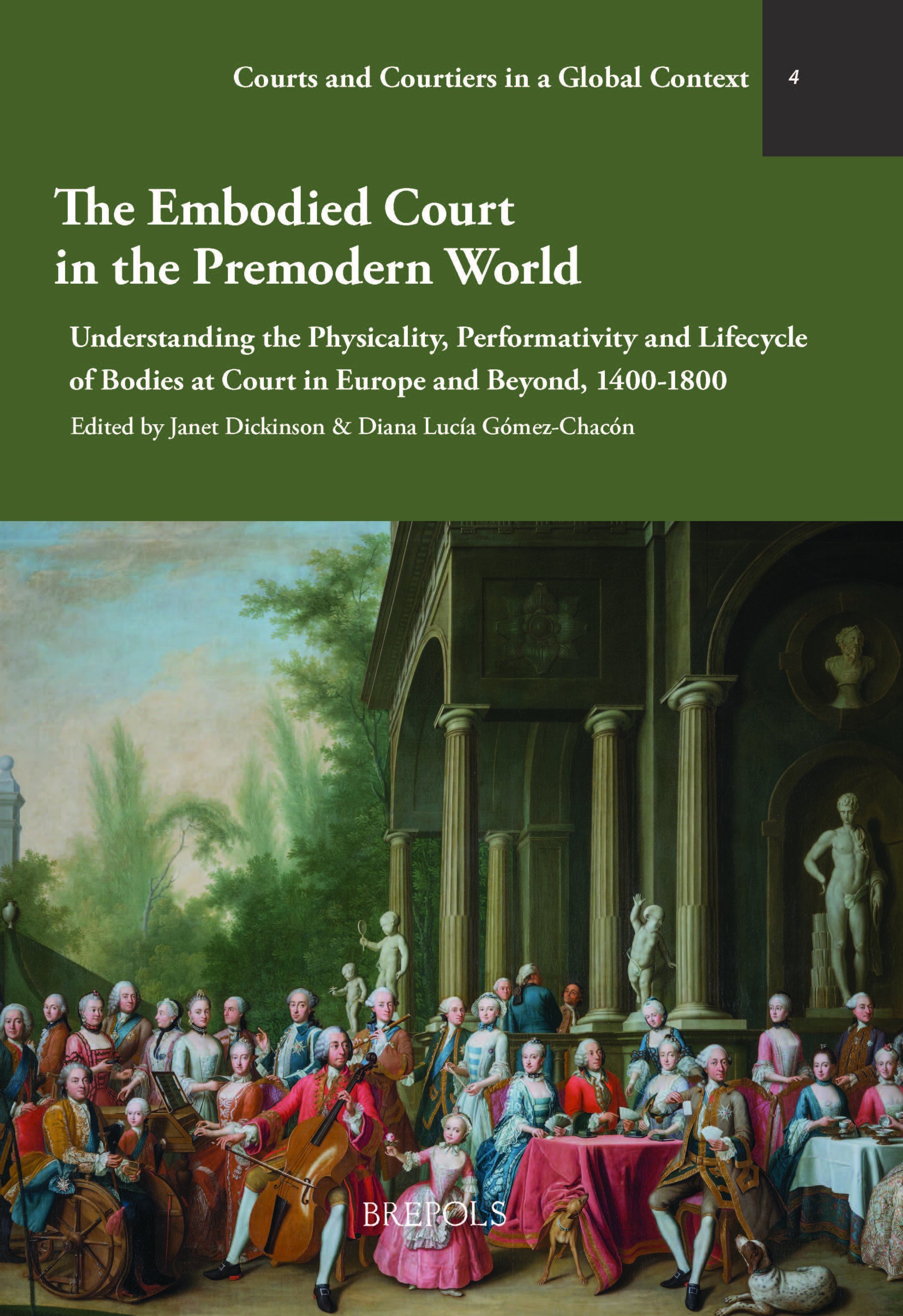 The Embodied Court in the Premodern World
Understanding the Physicality, Performativity and Lifecycle of Bodies at Court in Europe and Beyond, 1400-1800
Volume 4

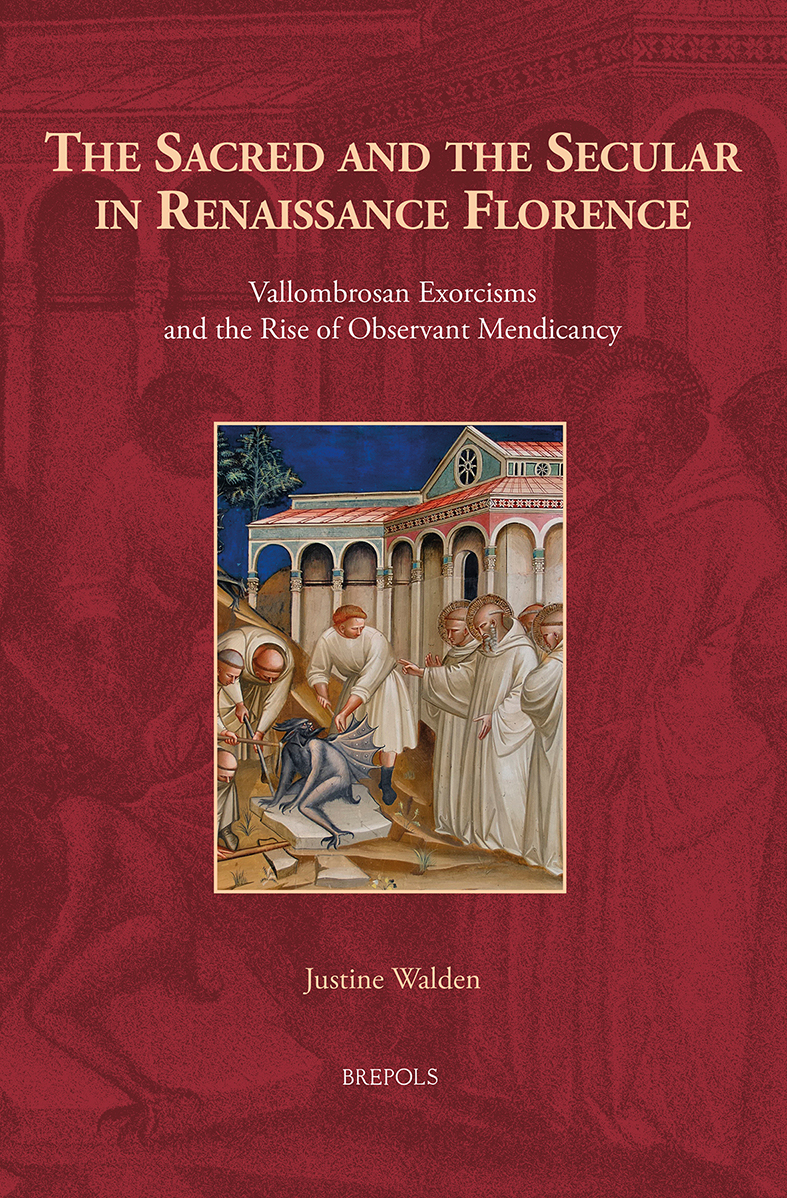 The Sacred and the Secular in Renaissance Florence
Vallombrosan Exorcisms and the Rise of Observant Mendicancy
Volume 31