
Pisanello and the Grounds of Invention
By (author) C. Jean Campbell

Addressing the manifold grounds of Pisanello’s inventions, and tracking the habits imbedded in his imitative practice, Campbell offers a new approach to the art of one of the most famous painters of fifteenth-century Italy, a painter whose work remains endlessly fascinating, but has proven intractable to the interpretative procedures
The work of the fifteenth-century Italian painter Pisanello has long proven resistent the interpretative procedures of art history, in ways that point to the limits of those procedures as they evolved in the period after the Second World War. Taking Pisanello’s art as an example of a larger theoretical issue, the book proposes a model of interpretation that addresses the realm of imitative practice. Using Cennino Cennini’s Il Libro del’ Arte as a primer, the author argues for an approach that confronts the evidence of the artist’s self-tempering work, and then tests that model through an examination of Pisanello’s drawings and medals. She exposes the drawings as primary evidence of the ontological groundwork within which the painter finds his own habits of invention, and also demonstrates the value of looking for the groundwork in a selection of Pisanello’s official works, including the surviving wall paintings in Veronese churches. In the end, the author contends that the self-reflexive recognition of creative agency is a prerequisite for the apprehension of Pisanello’s art, especially the agonistic scenario staged in his panel of The Virgin and Child with Saints George and Anthony and its enigmatic signature.
- By (author) C. Jean Campbell
Other Titles in this Series


 Painting Architecture in Early Renaissance Italy
Innovation and Persuasion at the Intersection of Artistic and Architectural Practice
Volume 12

 The Villa Barbaro at Maser
Science, Philosophy, and the Family in Venetian Renaissance Art
Volume 11


Similar Books
 A Collaborative Tapestry in Honour of Shirley Ann Brown / Une fresque brodée en l’honneur de Shirley Ann Brown
The Bayeux Tapestry Seen by her Colleagues and Friends / La Tapisserie de Bayeux vue par ses collègues et amis



 Balthasar Caymox of Nuremberg
Early Modern German Print Publishers: Popular Prints of the Seventeenth Century
 Behind the Scenes of Medieval Roofs
An Overview of the Roofing Systems of Italian Churches
Volume 90
 Beyond Sovereign Courts
Agents and Practices in Early Modern Spanish and Habsburg Diplomacy
Volume 3

 Circulation, Use, Impact
The Consumption of Architectural Books in the Early Modern Eastern Adriatic
Volume 1


 Councils, Conflicts, Correspondence
Urban Diplomacy in Reval (Tallinn) and Lübeck (c. 1470–1570)
Volume 67


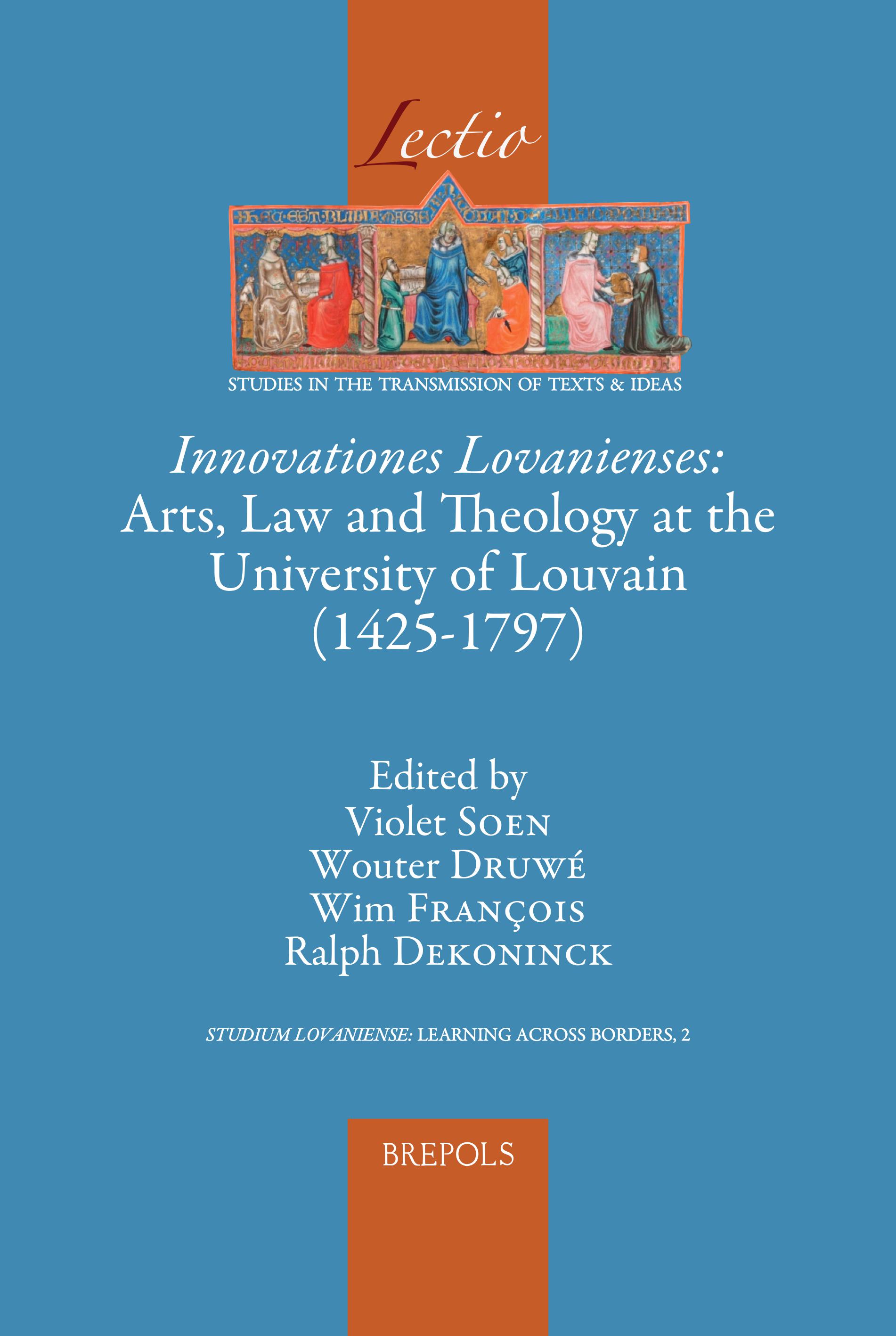 Innovationes Lovanienses: Arts, Law and Theology at the University of Louvain (1425–1797)
Studium Lovaniense: Learning across Borders, 2
Volume 18
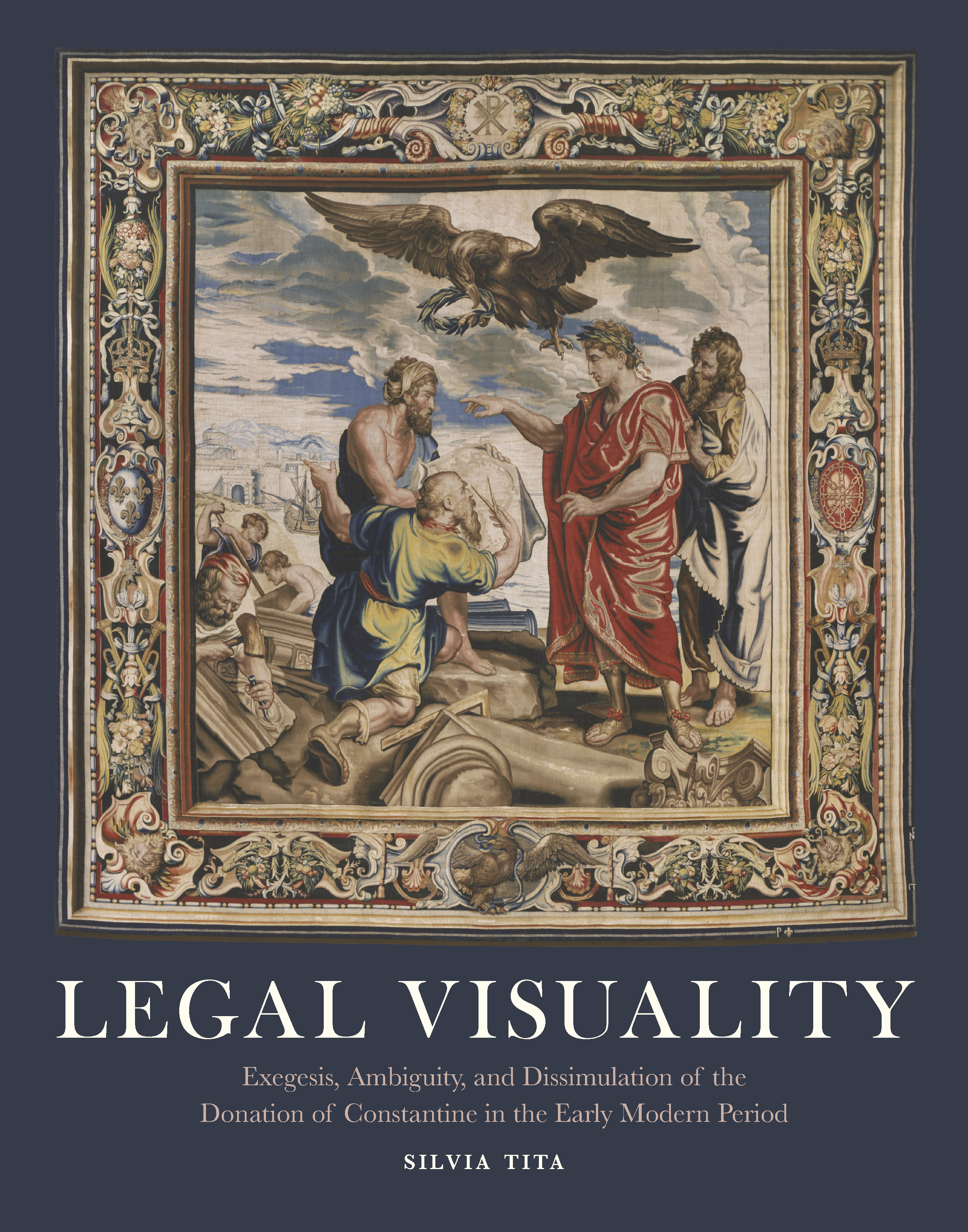 Legal Visuality
Exegesis, Ambiguity, and Dissimulation of the Donation of Constantine in the Early Modern Period
 Monastic Manuscripts from the Eastern Mediterranean (Sinai, Jerusalem, Antioch)
Production, Use, and Contexts
 Music and Colonialism in Fascist Italy
Identity, Propaganda, and Ethnographic Representation
Volume 13

 Naples as Laboratory / Laboratorium Neapel
Style Options, Artistic Rivalry and Self Fashioning in Neapolitan Baroque Painting / Plurale Stilbildung, Kunstlerkonkurrenz und Self Fashioning in der neapolitanischen Barockmalerei

 Nurturing the Elite
Representations of Drinking, Eating, and Religious Vessels in Palmyrene Funerary Iconography
Volume 13


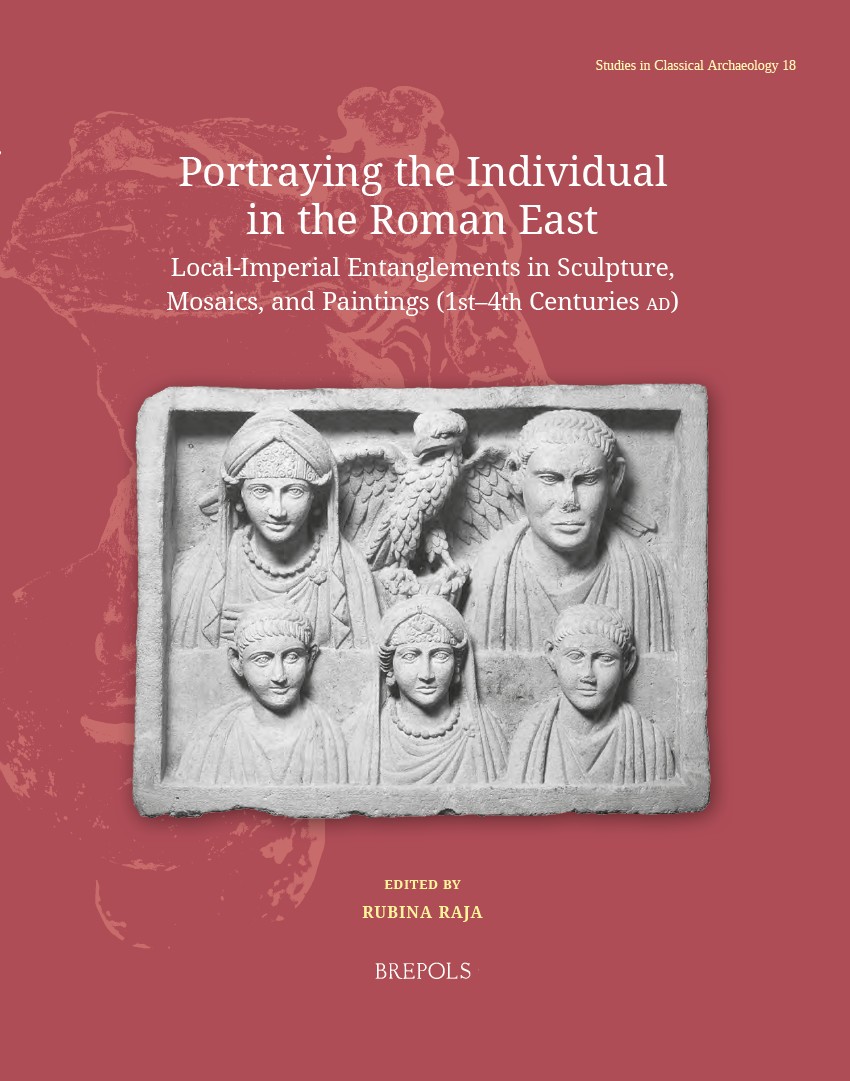 Portraying the Individual in the Roman East
Local–Imperial Entanglements in Sculpture, Mosaics, and Paintings (First–Fourth Centuries AD)
Volume 18
 Power and Women in Southeast and Central Europe in Late Medieval and Early Modern Period (1300-1600)
Volume 10


 Staging the Spectacle of Majesty
Ceremonial, Courtly Space, and Collecting under the Spanish Habsburgs
Volume 9
 Students, Scholars and Their Books at the University of Louvain (1425-1797)
Studium Lovaniense: Learning across Borders, 1
Volume 17

