Padre Martini’s Closed and Enigmatic Canons with Solutions by Luigi Cherubini
A 19th-Century Guide into Renaissance Music Riddles
By (author) Luciane Beduschi

Luigi Cherubini’s complete edition of proposed solutions to Padre Martini’s enigmatic canons.
Every chapter of the three volumes of Giovanni Battista Martini’s Storia della Musica begins and ends with an enigmatic canon: 72 puzzle canons, which formed the subject of debate in the 18th and 19th centuries. Luigi Cherubini proposed solutions for all canons, forming a pedagogical collection designed to reveal the secrets of the enigmatic canons practice to 19th-century musicians. Cherubini explained in detail how each proposed solution was reached. The resolutions are all based on a ‘Table of Latin words’, a list of enigmatic expressions. For each expression, Cherubini gives an explanation detailing how they must be interpreted in order to find the resolution of the riddles. Practically 56 expressions from Cherubini’s ‘Table of Latin words’ can be identified in Renaissance treatises. Until the first half of the 16th century, a canon was a formula that musicians would put into action to create one or more parts of music – the ‘canon’ was just the formula and not the music itself. Explanations of such formulas were compiled in Renaissance music treatises. It is this journey – the one enigmatic expressions took as they travelled from the Renaissance into the 19th century – that Luigi Cherubini’s complete edition of proposed solutions to Padre Martini’s enigmatic canons seeks to illustrate.
- By (author) Luciane Beduschi
Other Titles in this Series


 Geographies of Sound
Sounding and Listening to the Urban Space of Early Modern Italy with a Contemporary Perspective
Volume 17


Similar Books

 Behind the Scenes of Medieval Roofs
An Overview of the Roofing Systems of Italian Churches
Volume 90




 European Drama and Performance Studies
Dramatisations politiques. Théâtre, politique et idéologie au XIXe siècle (1806-1914)
Volume 27




 John Dunstaple Reading Boethius
John Dunstaple’s Annotations to Boethius’s “De institutione musica” in the Manuscript Oxford, Corpus Christi College Library, MS 118
 Music and Colonialism in Fascist Italy
Identity, Propaganda, and Ethnographic Representation
Volume 13
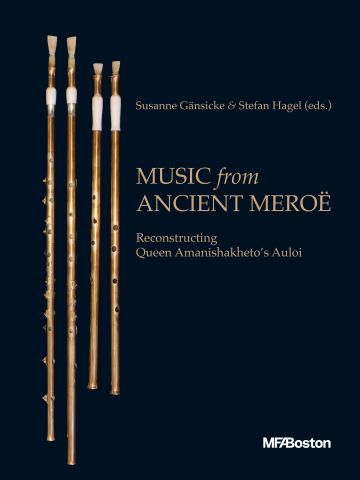
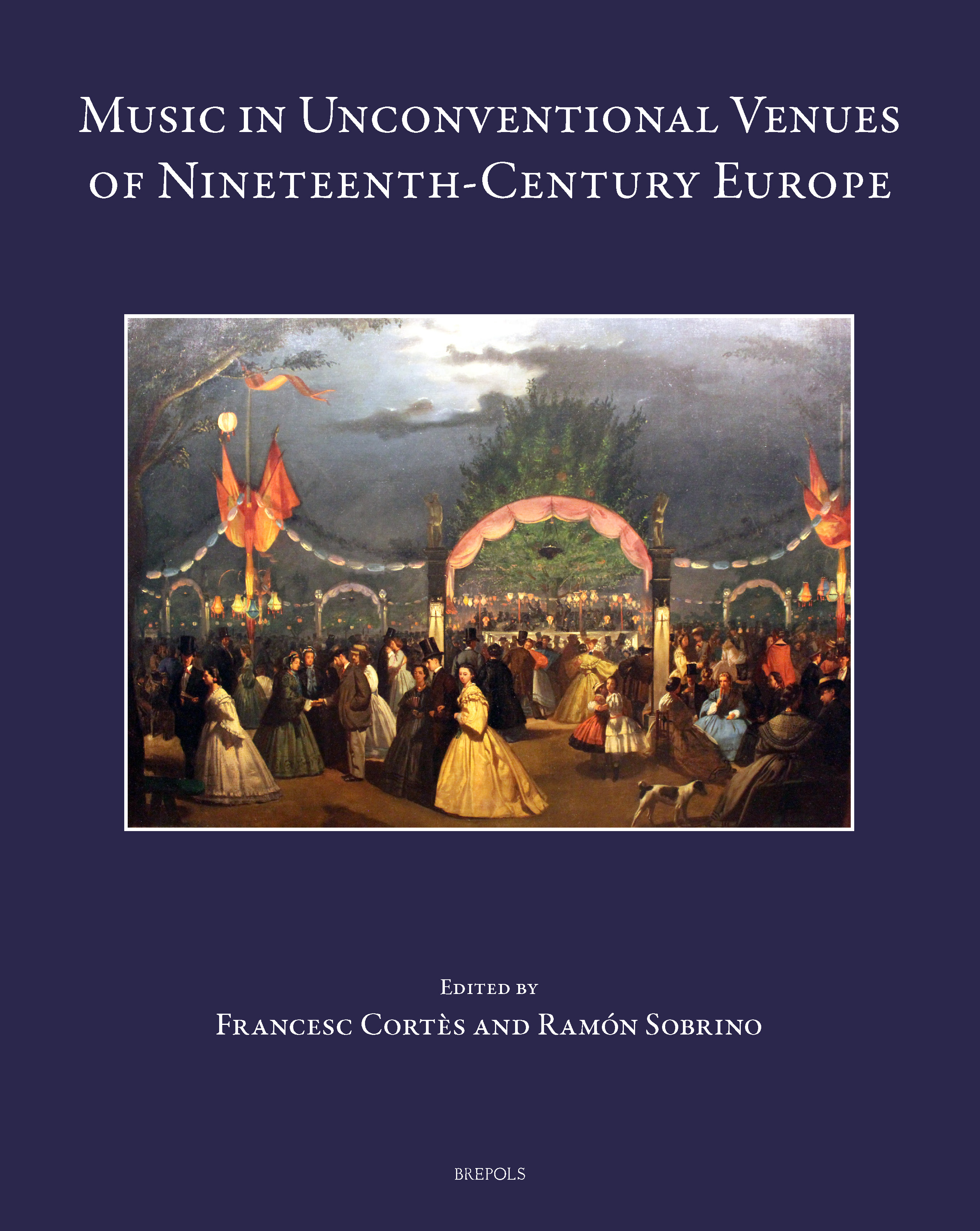

 Naples as Laboratory / Laboratorium Neapel
Style Options, Artistic Rivalry and Self Fashioning in Neapolitan Baroque Painting / Plurale Stilbildung, Kunstlerkonkurrenz und Self Fashioning in der neapolitanischen Barockmalerei


 The Antiquarian Book-trade in Switzerland
Sir Thomas Phillipps's Acquisitions in the 1820s and their Later Dispersal
Volume 69


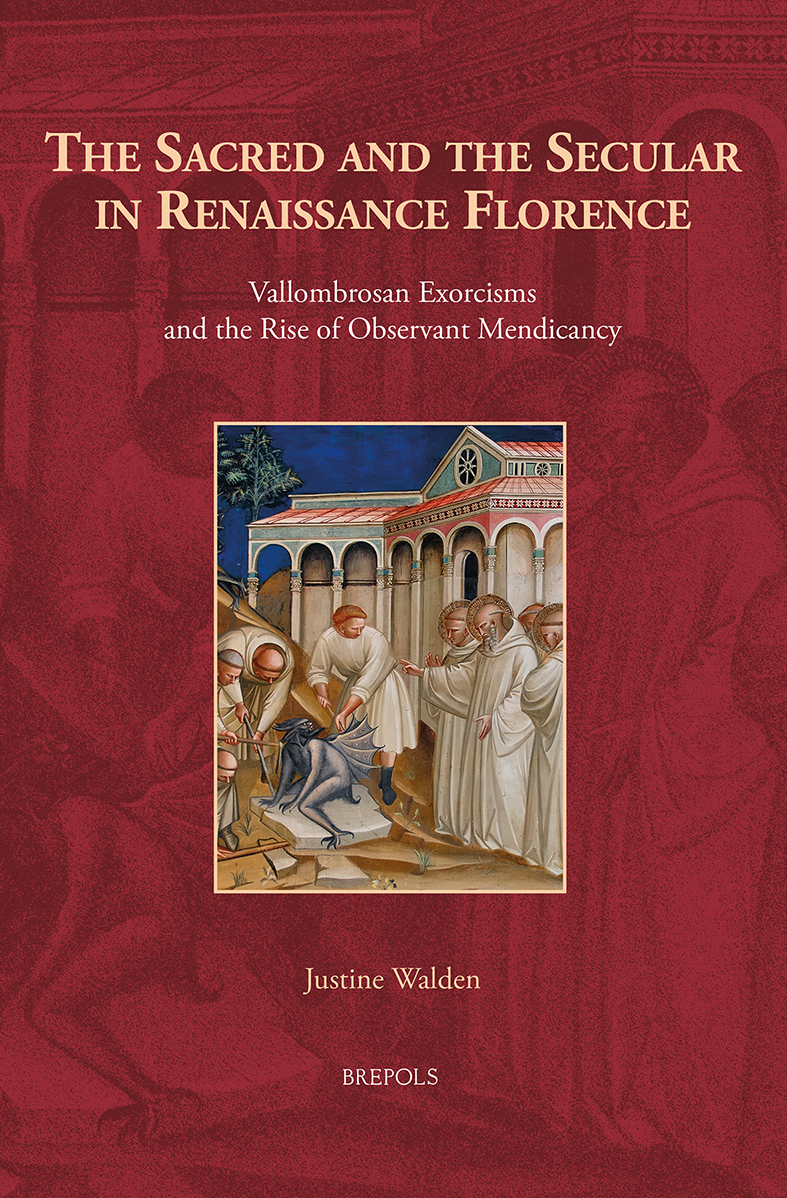 The Sacred and the Secular in Renaissance Florence
Vallombrosan Exorcisms and the Rise of Observant Mendicancy
Volume 31
 Venice Reimagined
The Resurgence of View Painting in Venice after the Fall of the Serenissima between 1797 and 1866