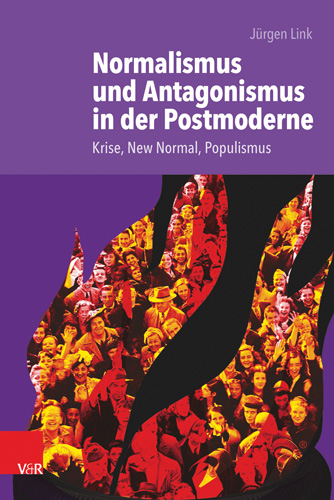
Normalismus und Antagonismus in der Postmoderne
Krise, New Normal, Populismus
By (author) Jürgen Link
Paperback (Published)
(October 2018)
ISBN: 9783525370728
6.1 x 9.09 inches
Price: $82.00
On back order
Wie werden soziokulturelle Normalitäten produziert und reproduziert?
English summary: The compound terms formed with ‘post-‘ – from Postmodernity through Postdemocracy to Postcrisis as the New Normal – can be seen as a symptom of theoretical helplessness. These compounds are based on a kind of dialectics which they explicitely refuse: The idea of a New Normal postulates a return to normalcy at the end of the series of crises in the early 21th century, but it states simultaneously that the old normalcy has eventually been lost forever. In order to shed light on this question, theoretical effort is needed: This study proposes the concepts of normalism, interdiscourse, and collective symbolism. Taking seriously Michel Foucault’s idea of a theoretical tool box, it introduces a new and operational concept of antagonism alternative to the one which originates from dialectics. Antagonism in an operational definition represents a dynamic of irriversible de-normalization (i.e. loss of normality, failure of normalism). Using these analytical instruments, categories such as Postmodernity and New Normal can be explained in a new and satisfying manner. The study hereby takes into consideration positions denying antagonism in Postmodernity (e.g. Francis Fukuyama) as well as theories which claim new kinds of antagonism (e.g. Negri and Hardt, Laclau and Mouffe, or Ranciere).These theoretical developments go together with topical analyses of the series of crises after 2001 and particularly after 2007: from the financial crisis through the Euro crisis to the refugees and populism crises. The analytical approach proposed here is particularly apt for studying the role of topical media as well as political discourses in normalization and denormalization processes. As a result, the study proposes a processual scheme of the series of crises as well as a new definition of populism based on the approach of normalism. Finally, it also considers the problems of alternative ‘transnormalistic’ ways out of the crisis (‘flightlines’).Interspersed with the study are short literary essays on novels dealing with current antagonisms: by Albert Camus, Thomas Bernhard, Sibylle Berg, Stephen King, Jean Marie Gustave Le ClEzio, Jonathan Littell, and Michel Houellebecq. German description: Die Krisenserie zu Beginn des 21. Jahrhundert, von der Finanz- und Eurokrise bis zur Fluchtlings- und Populismuskrise, hat die vorgangigen Normalitaten in vielen Dimensionen beeintrachtigt. Das lasst sich als Denormalisierung begreifen und wirft die Frage auf, wie soziokulturelle Normalitaten produziert und reproduziert werden. Darauf antwortet das hier aktualisierte, diskurstheoretische Konzept des Normalismus. Kann die Krisenserie sogar zu einem ‘Ende der Normalitat’ (Gabor Steingart) fuhren und was wurde das bedeuten? Das ist die Frage nach einer belastbaren Bedeutung des in den USA entstandenen Konzepts eines New Normal: Wenn es das Ende der Krisenserie meinen sollte – was unterscheidet es dann von einem ‘Old Normal’? Und wie verhalt sich ein New Normal zum ebenso schillernden Begriff einer Postmoderne? Die Antwort der Studie auf solche Fragen kombiniert die Kategorien des Normalismus und des Antagonismus. Sie schlagt ein gegenuber seiner dialektischen Herkunft neues, diskurstheoretisch fundiertes und operatives (empirisch belastbares) Konzept von Antagonismus als tendenziell irreversible Denormalisierung vor. Mit diesem Instrumentarium wird zunachst die Postmoderne (einschliealich der anderen ‘Postismen’) als das Konzept einer vorgeblich historischen Epoche ohne Antagonismen gefasst. Anschlieaend werden die Krisenserien unter diesem Aspekt analysiert und ein vorlaufiges Prozessschema der Krisenverlaufe erstellt. Dabei wird auch die Krise der politischen Normalitat (Populismuskrise) transparent. Daraus ergibt sich ein Ausblick auf die Alternative zwischen der Gefahr eines katastrophischen Kollapses des Normalismus auf der einen und transnormalistischen Auswegen auf der anderen Seite.
Dr. Jurgen Link ist emeritierter Professor fur Literaturwissenschaften an der Universitat Dortmund.
- By (author) Jürgen Link
Similar Books

 As Messianism Turns to Heresy
The Regenstein Chair Lectures On Lurianic Kabbalah and Shabbatai Tzevi at Hebrew Union College - Cincinnati

 Beyond Sovereign Courts
Agents and Practices in Early Modern Spanish and Habsburg Diplomacy
Volume 3




 Food Security under Armed Conflict
Global Knowledge Landscape and Public Attention to Social, Economic, and Humanitarian Dimensions

 Innovationes Lovanienses: Arts, Law and Theology at the University of Louvain (1425–1797)
Studium Lovaniense: Learning across Borders, 2
Volume 18


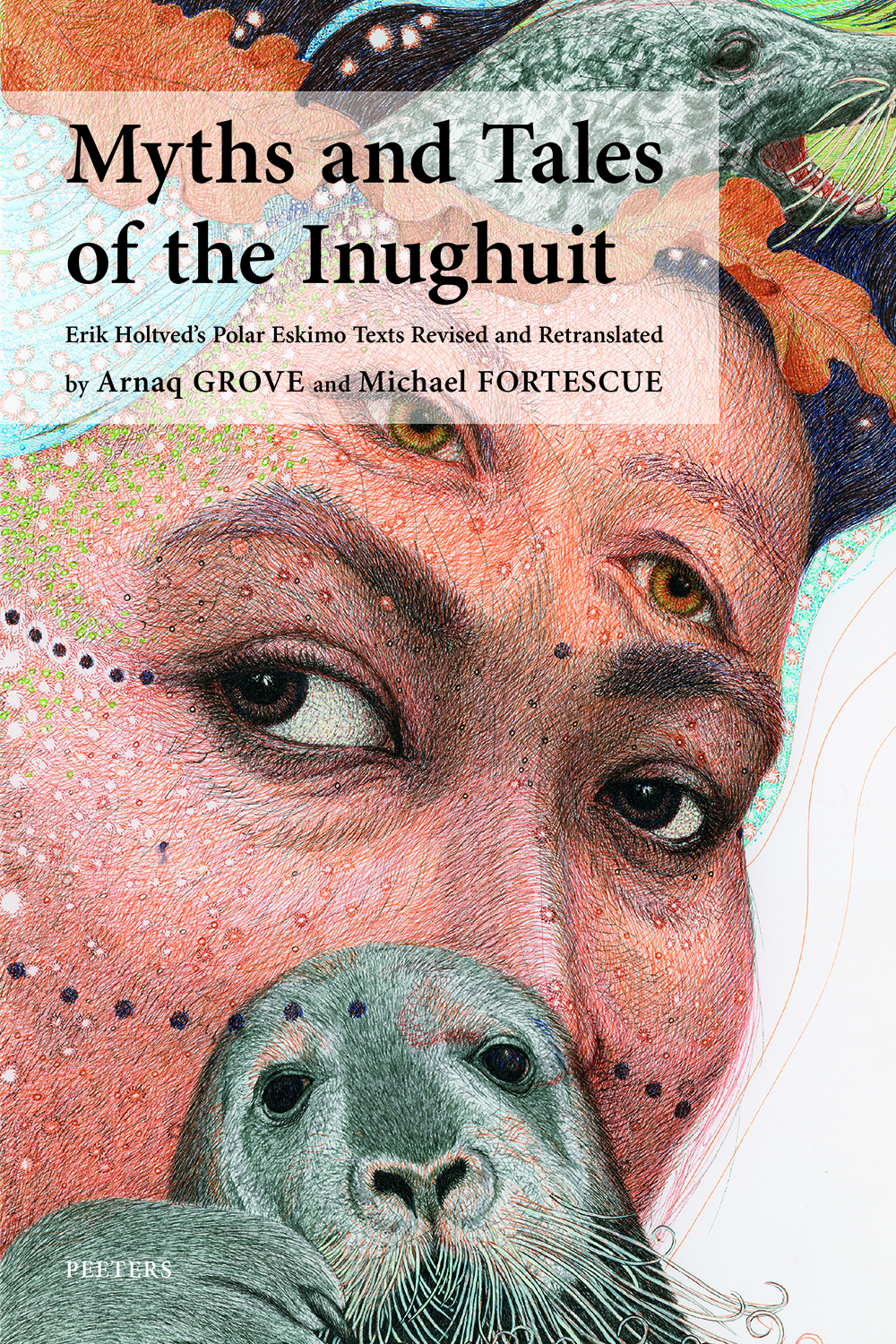 Myths and Tales of the Inughuit
Erik Holtved's Polar Eskimo Texts Revised and Re-translated into Danish and English
Volume 475, 12


 Students, Scholars and Their Books at the University of Louvain (1425-1797)
Studium Lovaniense: Learning across Borders, 1
Volume 17


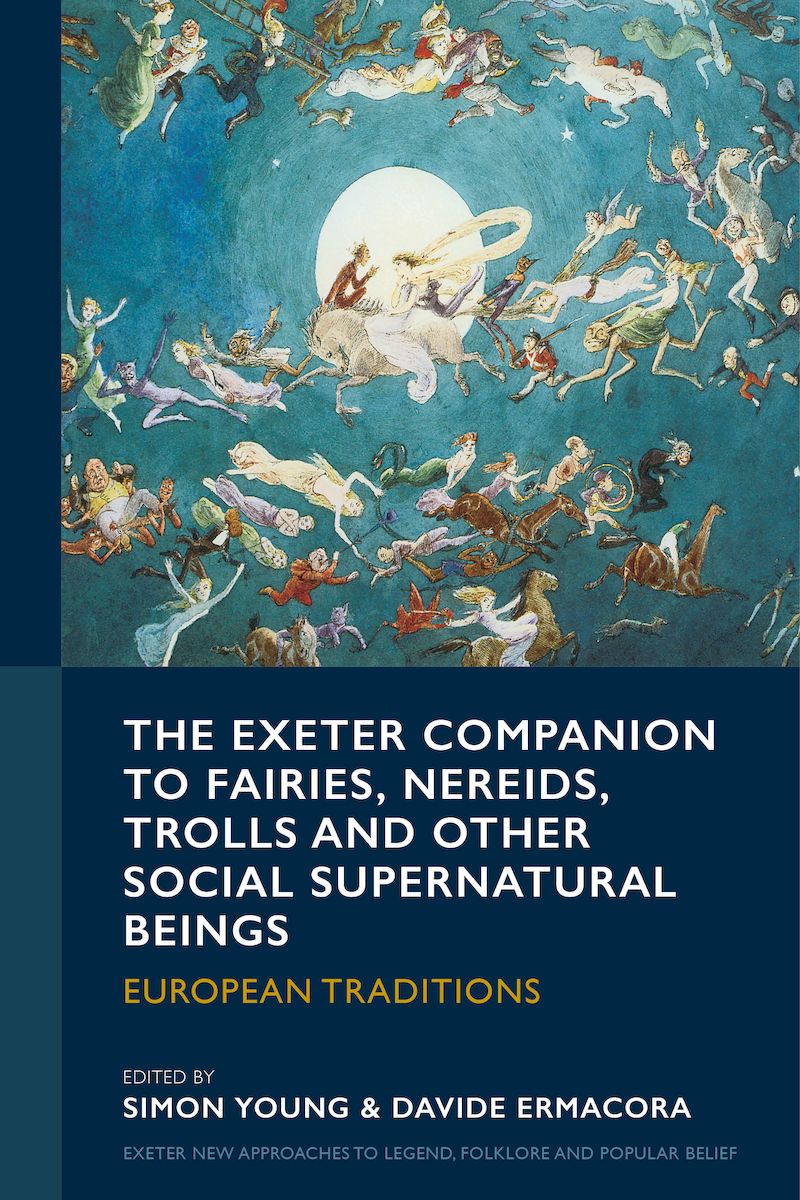 The Exeter Companion to Fairies, Nereids, Trolls and other Social Supernatural Beings
European Traditions


 The Phantom Hitchhiker
Italian Literature, Japanese Lore, and the Transnational Afterlives of a Global Ghost Story