
Norm, Normabweichung und Praxis des Herrschaftsübergangs in transkultureller Perspektive
Contributions by Henning Börm Contributions by Dominik Büschken Contributions by Andreas Büttner Contributions by Paul Fahr Contributions by Konrad Klaus Contributions by Steffen Kremer Contributions by Sabine Kubisch Contributions by Christian Mauder Contributions by Alheydis Plassmann Contributions by Daniel F. Schley Contributions by Anna Kollatz Contributions by Florian Saalfeld Contributions by Tilmann Trausch Contributions by Konrad Vössing Contributions by Theresa Wilke Edited by Tilmann Trausch
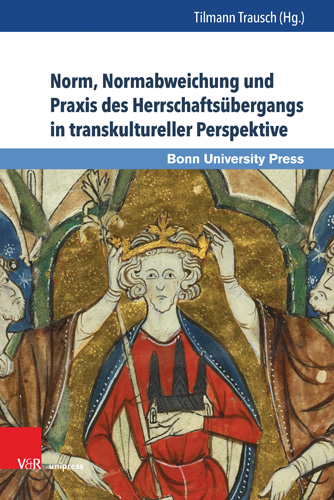
Hardback (Published)
(December 2019)
ISBN: 9783847110767
6.34 x 9.25 inches
Price: $99.00
In stock
Die etische Betonung der Zentralitat der Herrschersohne simplifiziert die Komplexitat historischer Realitaten. Abkunft dient zwar als normatives Argument und Mittel zur Kontingenzbewaltigung, in der Praxis spielen jedoch auch Eignung und Erfolg eine zentrale Rolle. So lassen sich Herrschaftsubergange aus einer transkulturellen Perspektive im Spannungsfeld zwischen Norm und Praxis, Regel und Anerkennung, System und Reform sowie Rolle und Person verorten. Der vorliegende Band untersucht den zeitgenossischen Umgang mit solchen Fallen, bei denen der Nachfolger nicht der Sohn seines Vorgangers war.
Modern imaginations of premodern transitions of power are shaped by the idea of the father-son transition; this is not without reason, as patrilineality plays a major role in notions of legitimate rule in premodern cultures. However, the etic emphasis on the centrality of rulers’ sons simplifies the complexity of historical realities. While origins serve as a normative argument and means of coping with contingency, in practice, suitability and success also play a central role. Thus, from a transcultural perspective, premodern transitions of power can be located in the tension field between norm and practice, rule and recognition, system and reform, and role and person. Against this background, the present volume examines the contemporary handling of such transitions in which the successor was not his predecessor’s son.
- Contributions by Henning Börm
- Contributions by Dominik Büschken
- Contributions by Andreas Büttner
- Contributions by Paul Fahr
- Contributions by Konrad Klaus
- Contributions by Steffen Kremer
- Contributions by Sabine Kubisch
- Contributions by Christian Mauder
- Contributions by Alheydis Plassmann
- Contributions by Daniel F. Schley
- Contributions by Anna Kollatz
- Contributions by Florian Saalfeld
- Contributions by Tilmann Trausch
- Contributions by Konrad Vössing
- Contributions by Theresa Wilke
- Edited by Tilmann Trausch
Other Titles in this Series
 Erzählen von Macht und Herrschaft
Die ‚Kaiserchronik‘ im Kontext zeitgenössischer Geschichtsschreibung und Geschichtsdichtung

 Machterhalt und Herrschaftssicherung
Namen als Legitimationsinstrument in transkultureller Perspektive
 Von den Handschriften bis zu den Videospielen
Annäherungen an Konstruktionen von Ketzern in Mittelalter und Moderne
 Transkulturelle Annäherungen an Phänomene von Macht und Herrschaft
Spannungsfelder und Geschlechterdimensionen
 Criticising the Ruler in Pre-Modern Societies – Possibilities, Chances, and Methods
Kritik am Herrscher in vormodernen Gesellschaften – Möglichkeiten, Chancen, Methoden
 The Agency of the Conquered
Muslim Communities in the Emergence of Norman Sicily and the Kingdom of Valencia
 Entscheiden und Regieren
Konsens als Element vormoderner Entscheidungsfindung in transkultureller Perspektive
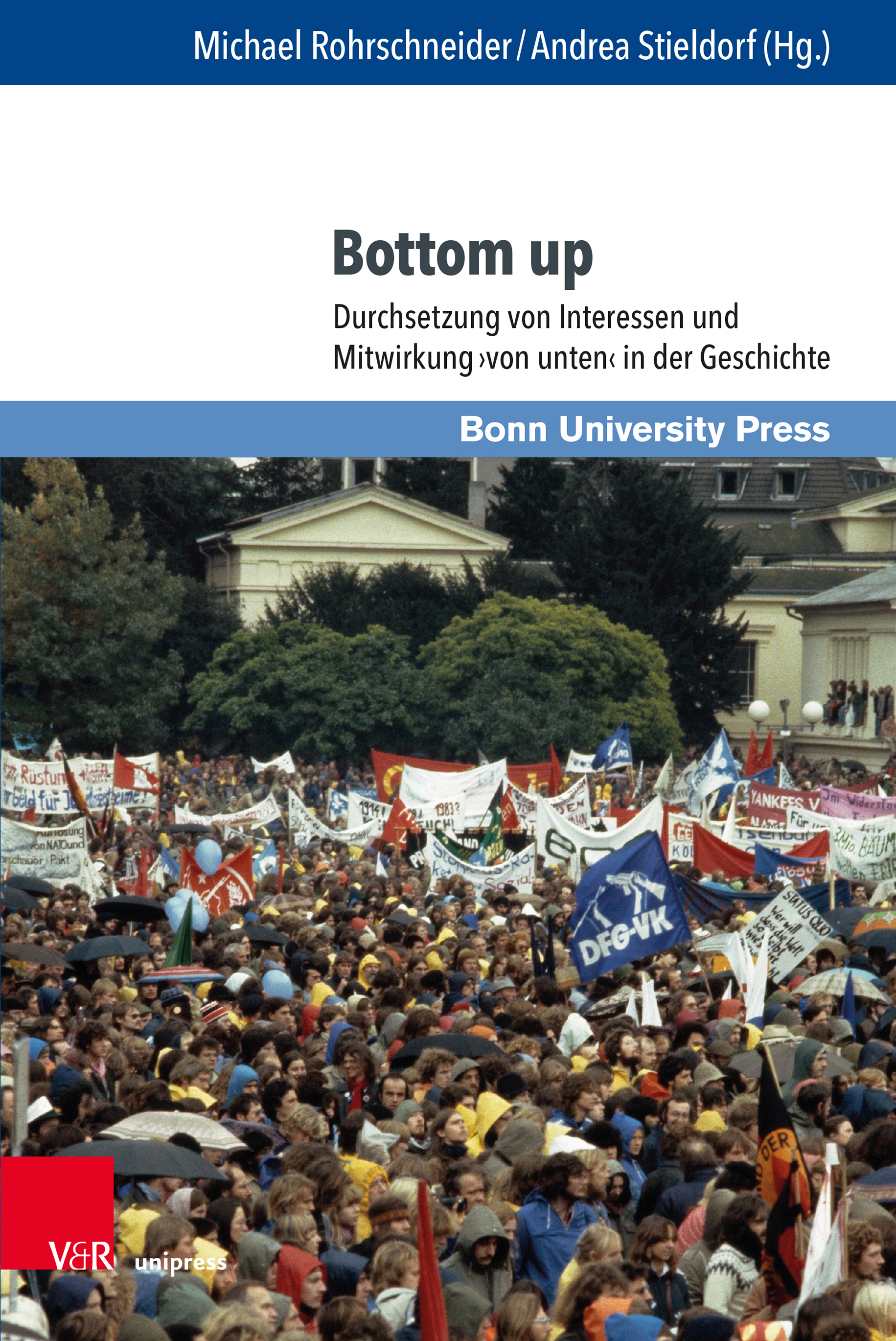
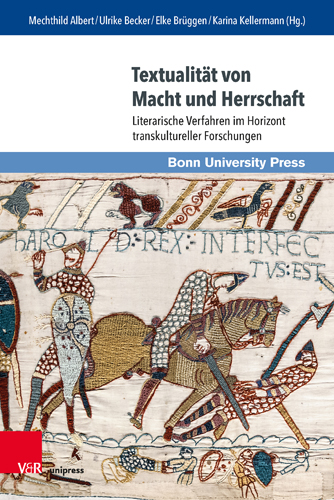 Textualität von Macht und Herrschaft
Literarische Verfahren im Horizont transkultureller Forschungen


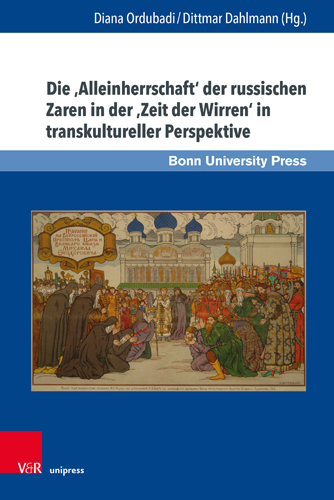 Die ‚Alleinherrschaft‘ der russischen Zaren in der ‚Zeit der Wirren‘ in transkultureller Perspektive

 Geschlecht macht Herrschaft – Interdisziplinäre Studien zu vormoderner Macht und Herrschaft
Gender Power Sovereignty – Interdisciplinary Studies on Premodern Power
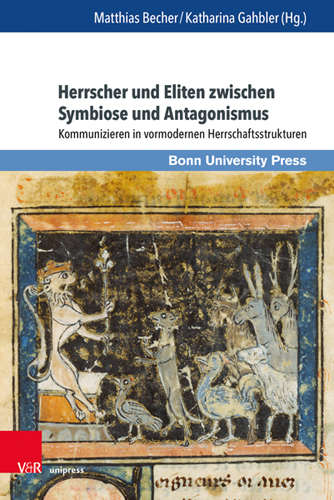 Herrscher und Eliten zwischen Symbiose und Antagonismus
Kommunizieren in vormodernen Herrschaftsstrukturen

Similar Books
 «Solazoxa festa, stradolze e stracomplia»
Festschrift für Raymund Wilhelm zum 65. Geburtstag mit Beiträgen zu Diskurstraditionen und mittelalterlicher Philologie
Volume 249
 A Collaborative Tapestry in Honour of Shirley Ann Brown / Une fresque brodée en l’honneur de Shirley Ann Brown
The Bayeux Tapestry Seen by her Colleagues and Friends / La Tapisserie de Bayeux vue par ses collègues et amis

 Behind the Scenes of Medieval Roofs
An Overview of the Roofing Systems of Italian Churches
Volume 90

 Cahiers de recherches médiévales et humanistes – Journal of Medieval and Humanistic Studies
Volume 51








 Innovation and Medieval Communities
The Circulation of Ideas and Practices in and out of the Town (1200-1500)
Volume 63
 John Dunstaple Reading Boethius
John Dunstaple’s Annotations to Boethius’s “De institutione musica” in the Manuscript Oxford, Corpus Christi College Library, MS 118

 Medieval Debates on Foreknowledge: Future Contingents, Prophecy, and Divination
Acts of the XXVII Annual Colloquium of the SIEPM, Trento 12-15 September 2023
Volume 31

 Medieval Yeghegis, Armenia
History, Archaeology, Society. Local Multiplicities and Global Connections of a Rural Centre on the Silk Road(s)

 Nicholas of Lyra’s Commentaries on the Gospels of Matthew and Luke
Franciscan Exegesis in a Time of Crisis



 Power and Women in Southeast and Central Europe in Late Medieval and Early Modern Period (1300-1600)
Volume 10




 The Anglo-Norman Bible’s Books of Kings, a Critical Edition
(BL Royal 1 C III, fols 234r-274v)
Volume 37
