Musica, pensiero, interpretazione. Toscanini tra Puccini e Furtwangler
A cura di Alessandro Avallone e Simone Di Crescenzo
edited by Alessandro Avallone and Simone Di Crescenzo

This volume offers a critical overview of three emblematic figures of European music culture between the 19th and 20th centuries: the opera composer Giacomo Puccini, whose beginnings and the historical context of his formation are investigated, and two conductors, Arturo Toscanini and Wilhelm Furtwangler, whose interpretative thinking is explored. Starting with a reconstruction of the historical, social and artistic landscape in which Puccini took his first steps, the volume then focuses on the interpretation of some important pages of the symphonic and operatic repertoire by the two conductors. The underlying motif of the volume is the compositional thought present in each musical work, and the different interpretative strategies implemented to grasp its profound essence.
- Edited by Alessandro Avallone
- Edited by Simone Di Crescenzo
Similar Books
 Behind the Scenes of Medieval Roofs
An Overview of the Roofing Systems of Italian Churches
Volume 90






 John Dunstaple Reading Boethius
John Dunstaple’s Annotations to Boethius’s “De institutione musica” in the Manuscript Oxford, Corpus Christi College Library, MS 118

 Music and Colonialism in Fascist Italy
Identity, Propaganda, and Ethnographic Representation
Volume 13


 Naples as Laboratory / Laboratorium Neapel
Style Options, Artistic Rivalry and Self Fashioning in Neapolitan Baroque Painting / Plurale Stilbildung, Kunstlerkonkurrenz und Self Fashioning in der neapolitanischen Barockmalerei




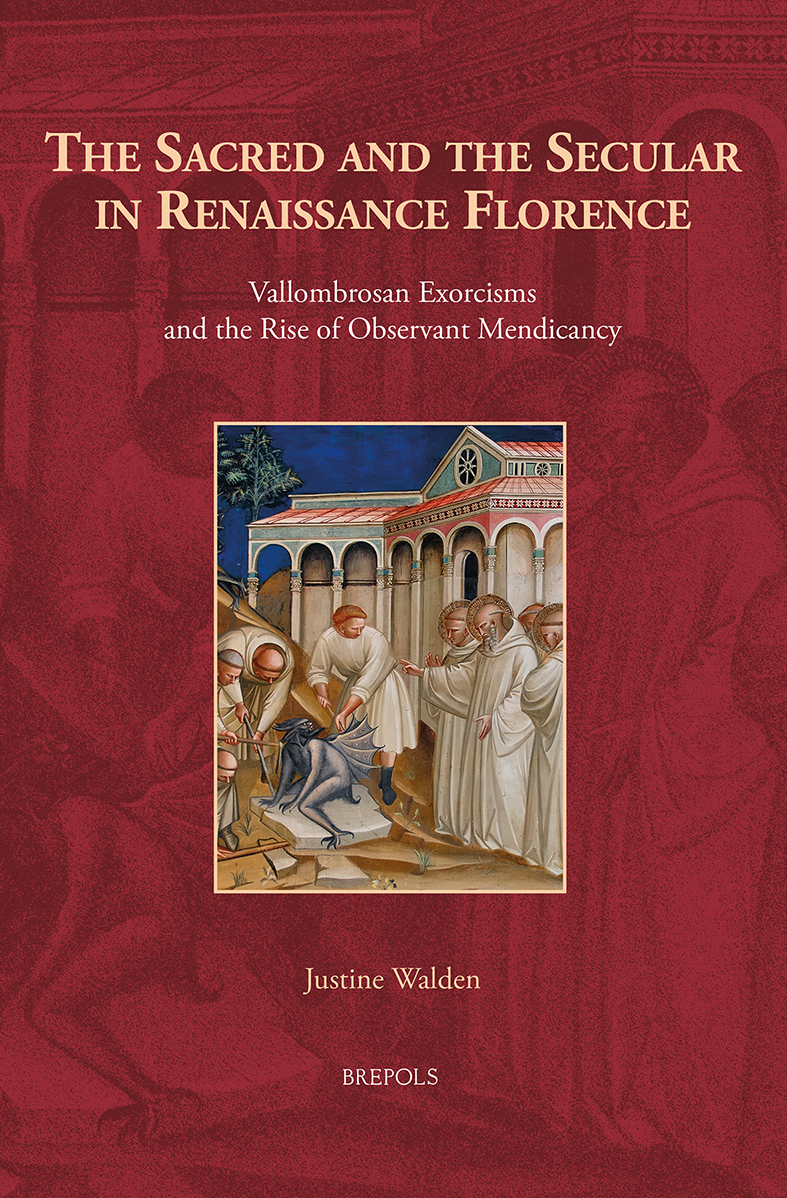 The Sacred and the Secular in Renaissance Florence
Vallombrosan Exorcisms and the Rise of Observant Mendicancy
Volume 31