
Mortuary differentiation and social structure in the Middle Helladic Argolid, 2000-1500 B.C.
By (author) Eleni Milka

Paperback (Published)
(April 2023)
ISBN: 9781789696257
8.07 x 11.42 inches
Price: $90.00
In stock
In this volume the archaeological, anthropological and radiocarbon data from selected sites of the Middle Helladic period are integrated to determine if there was variation between individual burials, groupings and cemeteries and to reconstruct change through time. This work was done for selective Argive sites, namely Lerna, Asine an
Until recently, the Middle Helladic period was described as homogeneous and static. However, recent research has shown regional variability, early changes and more complexity. In Mortuary differentiation and social structure in the Middle Helladic Argolid, 2000-1500 B.C. the archaeological, anthropological and radiocarbon data from selected sites are integrated to determine if there was variation between individual burials, groupings and cemeteries and to reconstruct change through time. This work was done for selective Argive sites, namely Lerna, Asine and Aspis. The analysis has shown that in all cemeteries and through time kinship was the most important structuring principle, and age position in the kin network the most important component. Differentiation was not only observed within each burial place, but also between sites during the same period. Generally, a steady ‘scaling up’ can be observed, but it did not affect all sites in the same way. Changes were already underway at the beginning of the period but became intensified towards its end.
Preface Introduction Chapter 1: Lerna-Myloi Lerna: Introduction Lerna: The cemetery Lerna: Grave analysis Lerna: The finds Myloi: Introduction Myloi: The cemetery Myloi: Grave analysis Myloi: The finds Lerna and Myloi: Concluding discussion Chapter 2: Asine Asine: Introduction Kastraki: The cemetery Kastraki: Grave analysis Kastraki: The finds Kastraki: Concluding discussion East cemetery (Tumulus IQ): The cemetery East cemetery: Grave analysis East cemetery: Concluding discussion Barbouna: The cemetery Barbouna: Grave analysis Barboyna: The finds Barbouna: Concluding discussion Change through time 259 Asine: Inter-cemetery analysis Chapter 3: The Aspis in Argos The Aspis: Introduction The Aspis: The cemetery The Aspis: Grave analysis The Aspis: The finds The Aspis: Concluding discussion Chapter 4: Summary and conclusions Lerna and Myloi: Summary Asine: Summary The Aspis in Argos: Summary Conclusions Appendix I: Lerna V: Stray human bones found among the animal bone samples Appendix II: Lerna: Arm position of contracted skeletons Appendix III: Lerna: Body orientation Appendix IV: Lerna: Composition of the grave finds assemblage Appendix V: Lerna: Non-pottery finds correlations Appendix VI: List of graves References, Preface
Introduction
Chapter 1: Lerna-Myloi
Lerna: Introduction ;
Lerna: The cemetery ;
Lerna: Grave analysis ;
Lerna: The finds ;
Myloi: Introduction ;
Myloi: The cemetery ;
Myloi: Grave analysis ;
Myloi: The finds ;
Lerna and Myloi: Concluding discussion ;
Chapter 2: Asine
Asine: Introduction ;
Kastraki: The cemetery ;
Kastraki: Grave analysis ;
Kastraki: The finds ;
Kastraki: Concluding discussion ;
East cemetery (Tumulus IQ): The cemetery ;
East cemetery: Grave analysis ;
East cemetery: Concluding discussion ;
Barbouna: The cemetery ;
Barbouna: Grave analysis ;
Barboyna: The finds ;
Barbouna: Concluding discussion ;
Change through time259 ;
Asine: Inter-cemetery analysis ;
Chapter 3: The Aspis in Argos
The Aspis: Introduction ;
The Aspis: The cemetery ;
The Aspis: Grave analysis ;
The Aspis: The finds ;
The Aspis: Concluding discussion ;
Chapter 4: Summary and conclusions
Lerna and Myloi: Summary ;
Asine: Summary ;
The Aspis in Argos: Summary ;
Conclusions ;
Appendix I: Lerna V: Stray human bones found among the animal bone samples
Appendix II: Lerna: Arm position of contracted skeletons
Appendix III: Lerna: Body orientation
Appendix IV: Lerna: Composition of the grave finds assemblage
Appendix V: Lerna: Non-pottery finds correlations
Appendix VI: List of graves
References
- By (author) Eleni Milka
'Regarding mortuary differentiation in the [Middle Helladic] Argolid, [the author succeeds] in highlighting some subtle differences between kin groups in MH I–II. As regards the social structure linked to the burial pattern, she also points to «a rather fluid situation» and a «continuous negotiation between social groups, most probably kin-related» in MH II (p. 293), followed by a gradual increase in grave size and complexity of construction, an increase in the number of ceramic vases and non-ceramic objects, and the predominance of adults in extramural cemeteries in MH III–LH I (p. 294). There is no doubt that the present book provides the necessary elements to reflect further on MH funerary customs and social structures in the East Peloponnese and beyond.' – Laetitia Phialon (2025): Gnomon Bd. 97
—
Similar Books


 Caesar’s Visions and Impact on the Roman Empire
Revisiting the Archaeological and Historical Record of the 40s BC
Volume 2


 Etruscan and Roman Hellenistic Anatomical ex votos
Reassessing Popular Religious Expressions in Central Italy
Volume 8


 Invisible Labour in Antiquity
Visualizing Obscure Work in the Ancient Mediterannean and West Asia
Volume 1
 Late Antique villae in the Balkans (3rd–7th c. AD): Current Research Questions and Perspectives
HAEMUS Companion to the Late Antique Balkans 1
Volume 4
 Making and Meaning in the Bronze and Iron Ages
Chronology, Landscapes and Societies across Europe. Proceedings from the METALAGES2024 Colloquium (Florence, 23 October 2024)


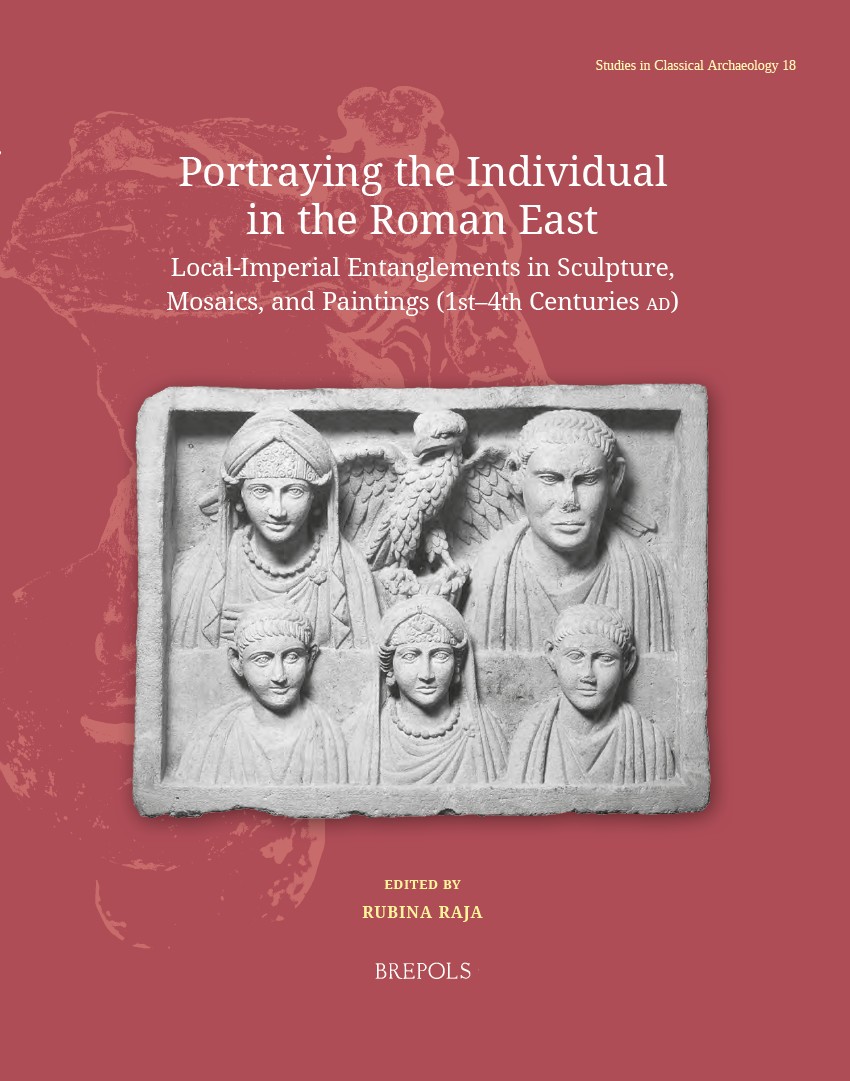 Portraying the Individual in the Roman East
Local–Imperial Entanglements in Sculpture, Mosaics, and Paintings (First–Fourth Centuries AD)
Volume 18


 Small Worlds and Relational Agencies: Local Societies in Early Medieval Iberia
Pequeños mundos y Agencias relacionales: Sociedades locales altomedievales en la Península Ibérica


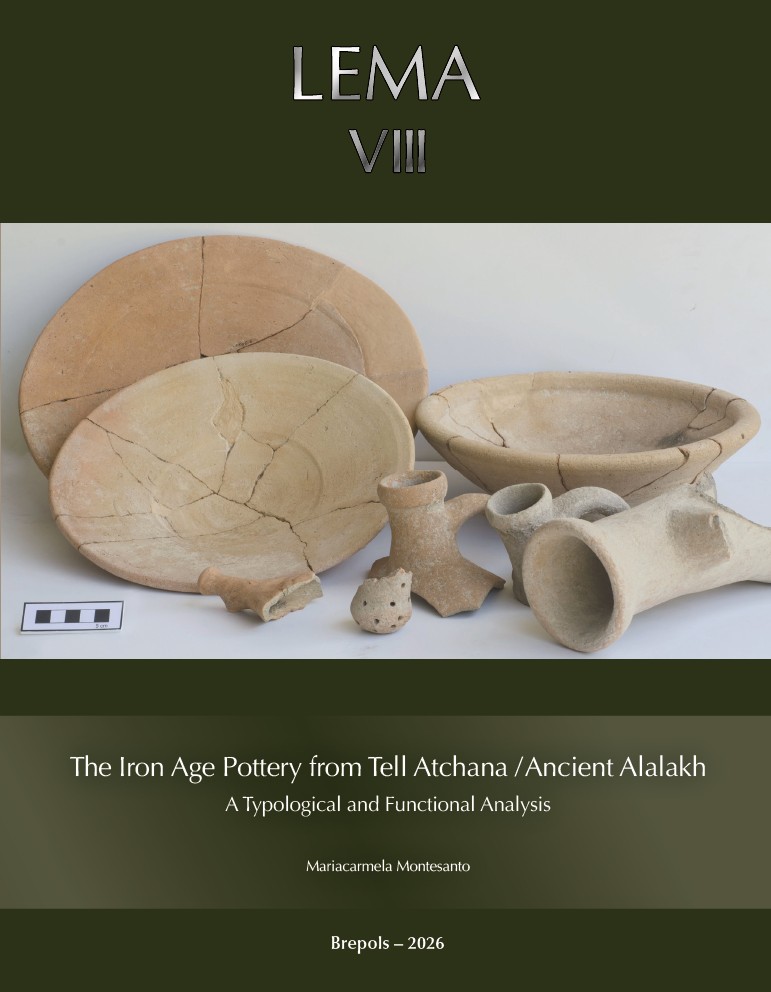 The Iron Age Pottery from Tell Atchana / Ancient Alalakh
A Typological and Functional Analysis
Volume 8

 Writing in the Church of the Nativity in Bethlehem
Inscription and Graffiti in a Multilingual and Multigraphic Perspective
Volume 45


 Atlante tematico di topografia antica 36-2026
Urbanistica e monumenti, porti, Roma. Ricerche sui monti Aurunci
Volume 36
 Cerámica común romana y ciclo haliéutico
Análisis de los contextos de las cetariae de Iulia Traducta

 Nuove scoperte e progressi nelle metodologie di rilievo e analisi dell’arte rupestre post-paleolitica in Italia
New discoveries and progress in the tracing and analysis methodologies of the post-Paleolithic rock art in Italy


 A Dramatic Event in Late Roman Florence
The Anomalous Burial Site Discovered beneath the Uffizi Gallery

 Alexander the Great and the Campaign of Gaugamela
New Research on Topography and Chronology. IAMNI 1 (Italian Archaeological Mission to Northern Iraq)
Volume 53