
Minne und Raum
Die Multifunktionalität des Topos locus amoenus
By (author) Sarah Rose

Hardback (Published)
(September 2026)
ISBN: 9783847120469
6.34 x 9.49 inches
Price: $63.00
On back order
Mehr als Idylle: Der ›locus amoenus‹ als Handlungs- und Diskursraum für Minnekonzepte
Der ›locus amoenus‹, der »schöne Ort«, ist ein seit der Antike verbreiteter Topos und dient häufig als Ort für das Zusammentreffen von Liebenden. Doch ist er nur eine idyllische Bühne für Liebesbegegnungen? Diese Studie untersucht die Verwendung des Topos in der mittelhochdeutschen Literatur im Kontext von Minnedarstellungen. Dabei zeigt sich, dass der Raum weit mehr ist als bloße Kulisse: Er wird unterschiedlich gestaltet, funktionalisiert und transformiert. Analysiert werden ausgewählte Textstellen aus höfischen Romanen; zum Korpus zählen zudem Beispiele aus Minnereden. Im Fokus stehen die Raumkonzeption des ›locus‹ amoenus und ihre Wechselwirkung mit Handlung und Minnekonzepten. Die Untersuchung eröffnet damit neue Perspektiven auf Raum und Liebe in der Literatur des Mittelalters.
The ‘locus amoenus’, the “beautiful place”, is a literary trope that has been popular since ancient times and is often used as a setting for lovers to meet. But is it merely an idyllic backdrop for romantic encounters? This study examines how this literary device is used in Middle High German literature in the context of depictions of courtly love. It reveals that the space is far more than a mere backdrop; rather, it is shaped, functionalised and transformed in various ways. Selected passages from courtly romances are analysed, including examples from ‘Minnereden’. The focus is on the spatial conception of the ‘locus amoenus’ and how it interacts with the plot and the concept of courtly love. Thus, the study opens up new perspectives on space and love in medieval literature.
Sarah Rose hat klassische Archäologie und Deutsch an der Christian-Albrechts-Universität zu Kiel studiert und an der Universität Hamburg promoviert.
- By (author) Sarah Rose
Other Titles in this Series
 Wahrnehmung, Täuschung, Zweifel
Eine skeptizistische Perspektive auf den ›Partonopier‹ Konrads von Würzburg und die ›Crône‹ Heinrichs von dem Türlin


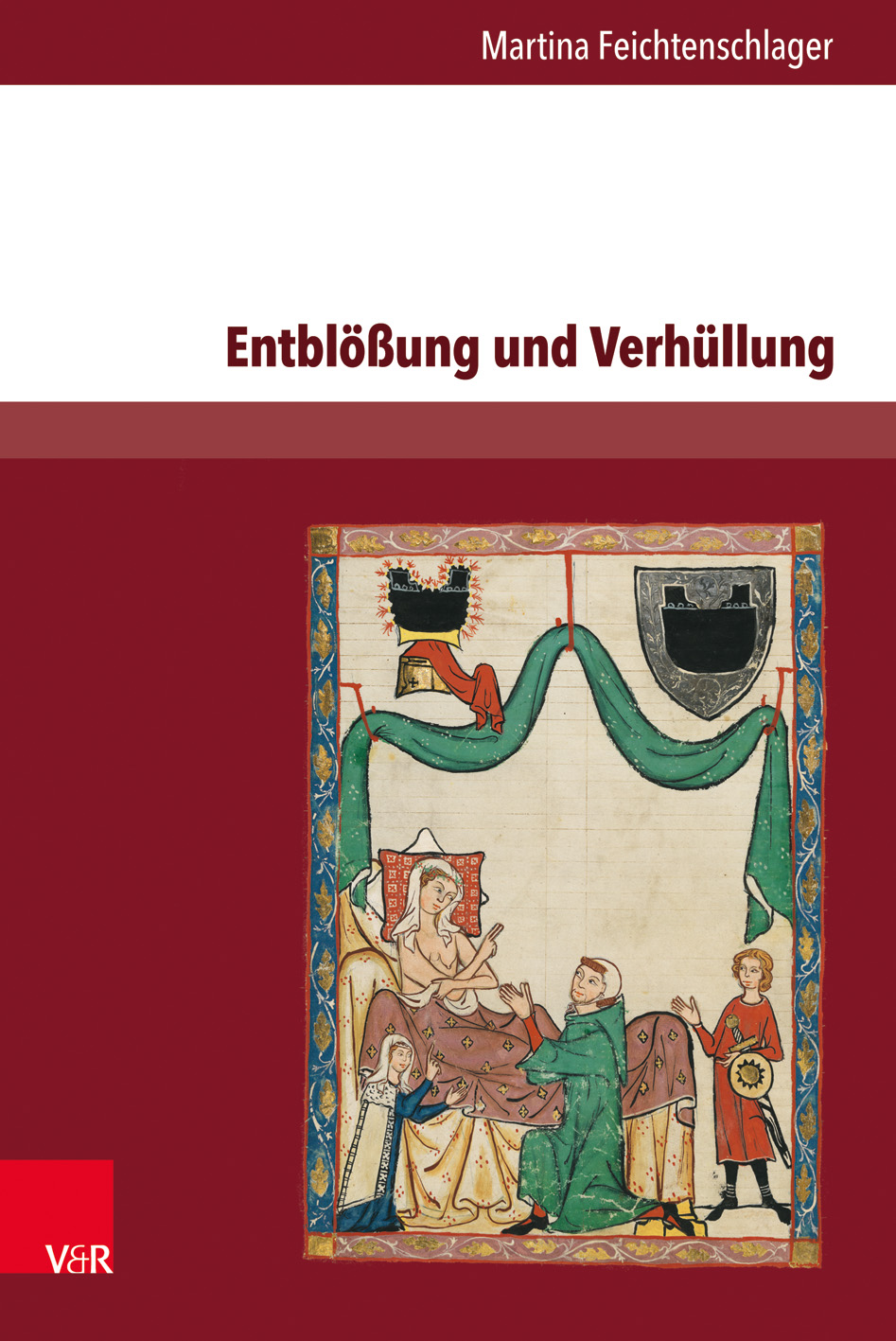 Entblößung und Verhüllung
Inszenierungen weiblicher Fragilität und Verletzbarkeit in der mittelalterlichen Literatur


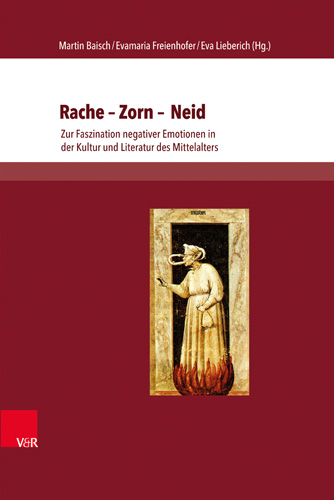 Rache – Zorn – Neid
Zur Faszination negativer Emotionen in der Kultur und Literatur des Mittelalters
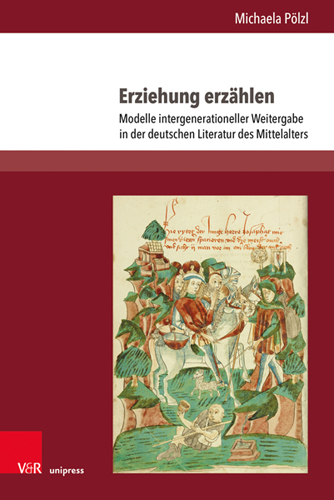 Erziehung erzählen
Modelle intergenerationeller Weitergabe in der deutschen Literatur des Mittelalters


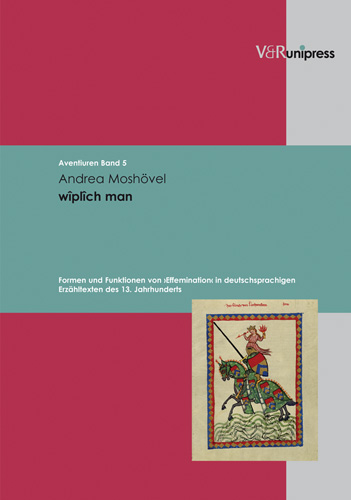 wîplîch man
Formen und Funktionen von ›Effemination‹ in deutschsprachigen Erzähltexten des 13. Jahrhunderts

Similar Books


 Contesting Labeled Identities
The Sociology of Gentilics in Biblical and Northwest Semitic Literature

 Drunk the Potion, No Whit Charmed
The Doctrine of Pure and Perfect Souls from Iamblichus to Damascius

 Epigraphic “Shades” from Hellenistic Thrace
Contextualizing Inscriptions in Greek from Thracian Tombs

 Epiphanies of the Divine in the Septuagint and the New Testament
Fifth International Symposium of the Corpus Judaeo-Hellenisticum Novi Testamenti (CJHNT), 14-17 May 2015, Nottingham


 Gold, Silver and Glass: Power Networks, Cultural Identities, Technology Transfers and Agency across the Old World (7th Century BC – 1st Century AD)
Proceedings of a Conference Held at the British Museum, 16–18 June 2023
 Language and Power in the Roman Empire and Early India
Hierarchy, Ambiguity, and the Art of Reading the Signs in Cosmopolitan Cultures
 Late Antique villae in the Balkans (3rd–7th c. AD): Current Research Questions and Perspectives
HAEMUS Companion to the Late Antique Balkans 1
Volume 4


 Nurturing the Elite
Representations of Drinking, Eating, and Religious Vessels in Palmyrene Funerary Iconography
Volume 13





 Roman Copies, Collecting, and Culture in the Bay of Naples and Beyond
Papers in Honor of Eugene J. Dwyer



 The Compositional History of the Book of Kings
An Analysis of the Evaluative Frameworks in 1 Kings 14–2 Kings 25




 Zooarchaeology of Ancient Greek Sanctuaries in Southwestern Sicily
Faunal Analysis from Selinus and Akragas as Evidence of Differences in the Treatment of Animals for Ritual Purposes
