
Middle Saxon’ Settlement and Society: The Changing Rural Communities of Central and Eastern England
By (author) Duncan Wright

Paperback (Published)
(May 2015)
ISBN: 9781784911256
8.31 x 11.69 inches
Price: $70.00
In stock
This book explores the experiences of rural communities who lived between the seventh and ninth centuries in central and eastern England. Combining archaeology with documentary, place-name and topographic evidences, it provides unique insight into social, economic and political conditions in ‘Middle Saxon’ England.
This book explores the experiences of rural communities who lived between the seventh and ninth centuries in central and eastern England. Combining archaeology with documentary, place-name and topographic evidences, it shows the way in which the settlements in which people lived provide a unique insight into social, economic and political conditions in ‘Middle Saxon’ England. The material derived from excavations within currently-occupied rural settlements represents a particularly informative dataset, and when combined with other evidence illustrates that the seventh to ninth centuries was a period of fundamental social change that impacted rural communities in significant and lasting ways. The transformation of settlement character was part of a more widespread process of landscape investment during the ‘Middle Saxon’ period, as rapidly stratifying social institutions began to manifest power and influence through new means. Such an analysis represents a significant departure from the prevailing scholarly outlook of the early medieval landscape, which continues to posit that the countryside of England remained largely unchanged until the development of historic villages from the ninth century onward. In this regard, the evidence presented by this book from currently-occupied rural settlements provides substantial backing to the idea that many historic villages emerged as part of a two-stage process which began during the ‘Middle Saxon’ period. Whilst it was only following subsequent change that recognisable later village plans began to take shape, key developments between the seventh and ninth centuries helped articulate the form and identity of rural centres, features that in many instances persisted throughout the medieval period and into the present day.
- By (author) Duncan Wright
Similar Books
 «Solazoxa festa, stradolze e stracomplia»
Festschrift für Raymund Wilhelm zum 65. Geburtstag mit Beiträgen zu Diskurstraditionen und mittelalterlicher Philologie
Volume 249
 A Collaborative Tapestry in Honour of Shirley Ann Brown / Une fresque brodée en l’honneur de Shirley Ann Brown
The Bayeux Tapestry Seen by her Colleagues and Friends / La Tapisserie de Bayeux vue par ses collègues et amis

 Behind the Scenes of Medieval Roofs
An Overview of the Roofing Systems of Italian Churches
Volume 90

 Cahiers de recherches médiévales et humanistes – Journal of Medieval and Humanistic Studies
Volume 51

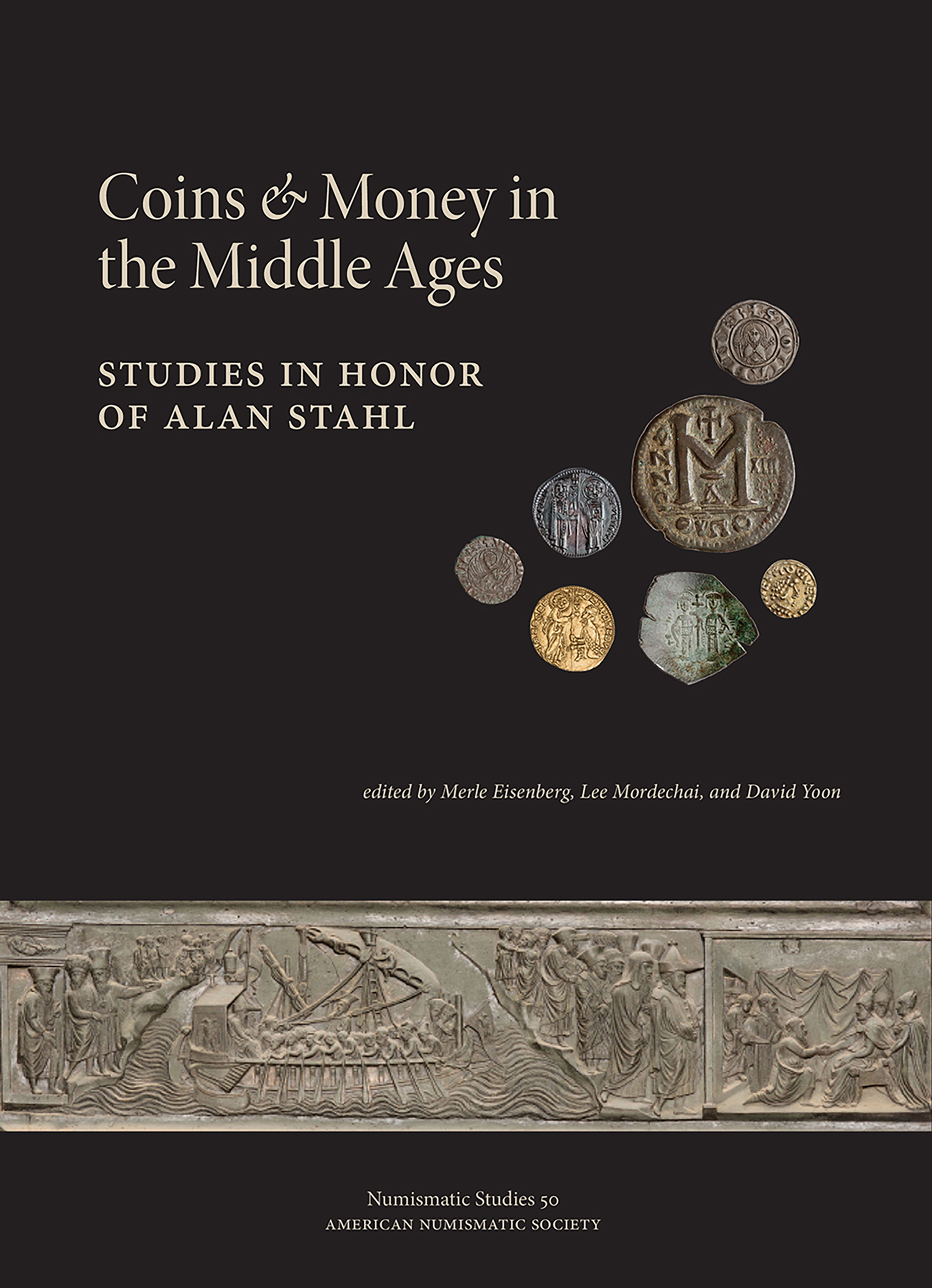






 Innovation and Medieval Communities
The Circulation of Ideas and Practices in and out of the Town (1200-1500)
Volume 63
 John Dunstaple Reading Boethius
John Dunstaple’s Annotations to Boethius’s “De institutione musica” in the Manuscript Oxford, Corpus Christi College Library, MS 118

 Medieval Debates on Foreknowledge: Future Contingents, Prophecy, and Divination
Acts of the XXVII Annual Colloquium of the SIEPM, Trento 12-15 September 2023
Volume 31

 Medieval Yeghegis, Armenia
History, Archaeology, Society. Local Multiplicities and Global Connections of a Rural Centre on the Silk Road(s)
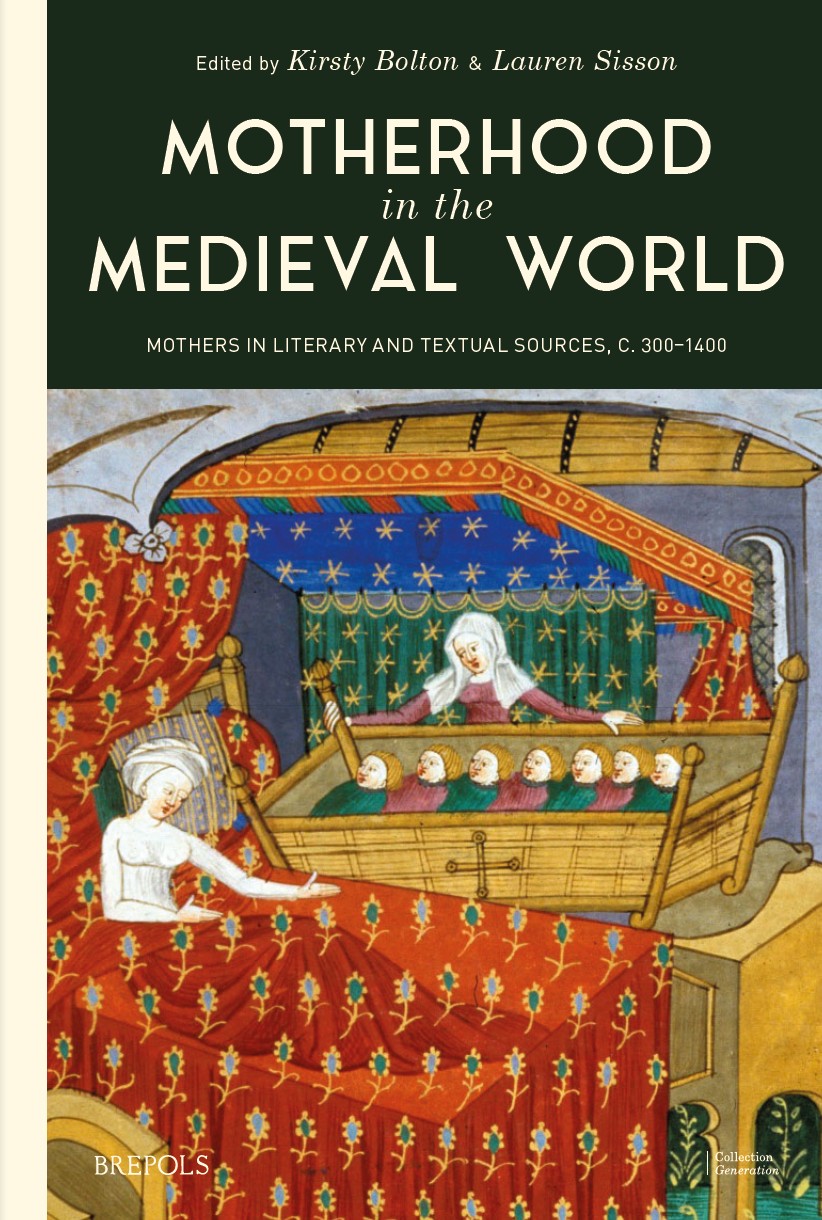
 Nicholas of Lyra’s Commentaries on the Gospels of Matthew and Luke
Franciscan Exegesis in a Time of Crisis



 Power and Women in Southeast and Central Europe in Late Medieval and Early Modern Period (1300-1600)
Volume 10

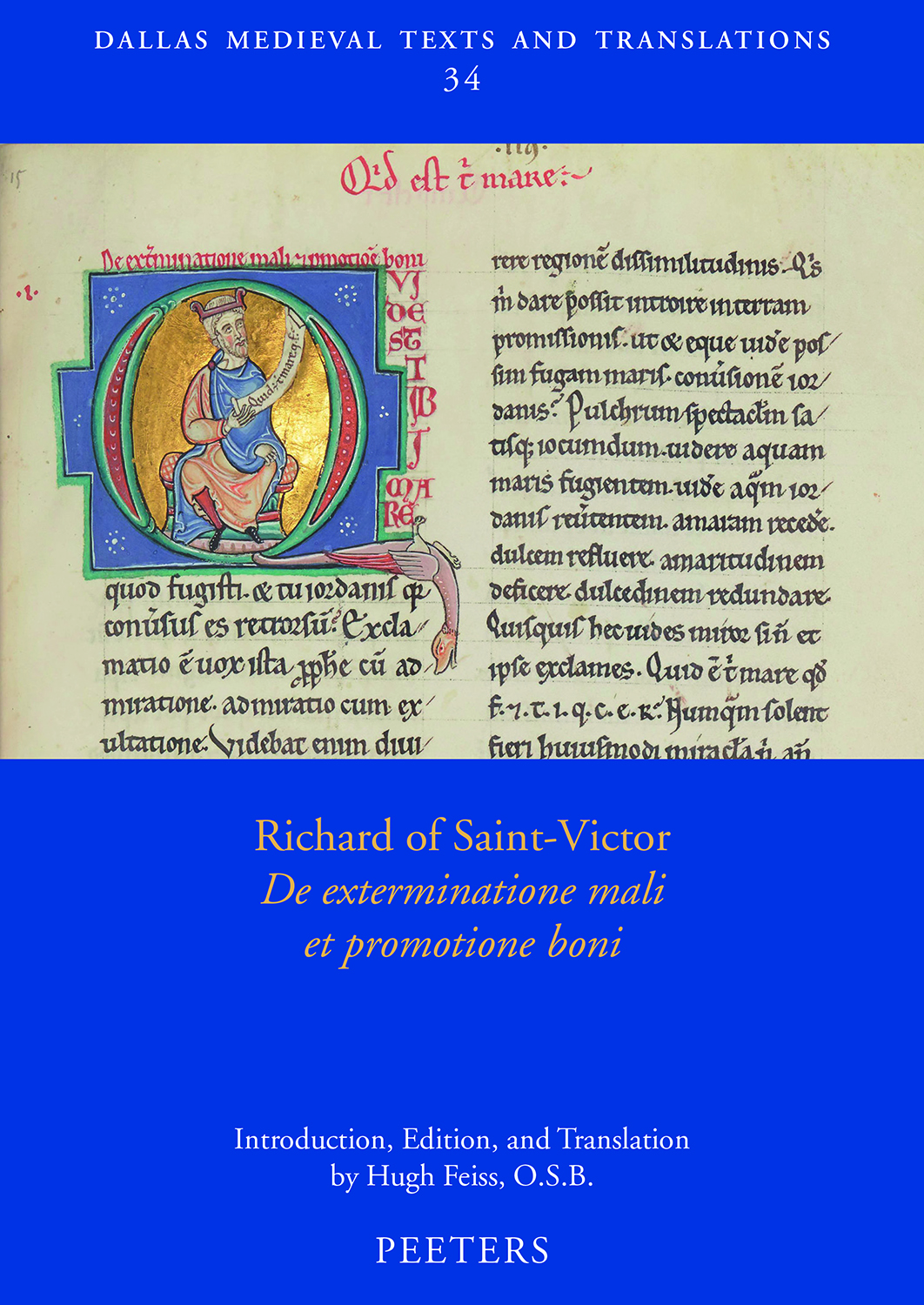

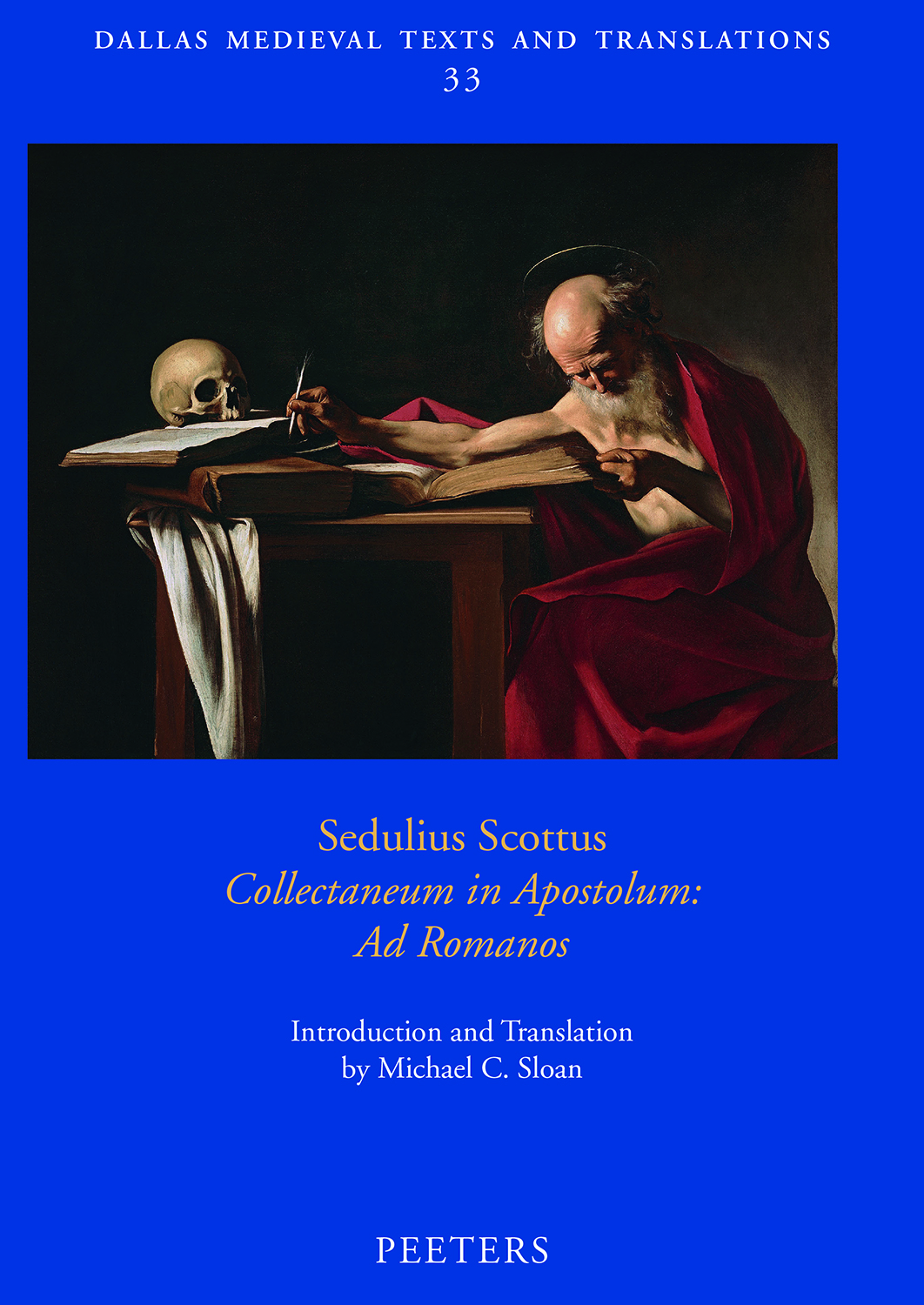



 The Anglo-Norman Bible’s Books of Kings, a Critical Edition
(BL Royal 1 C III, fols 234r-274v)
Volume 37