
Maritime Exchange and the Making of Norman Worlds
Edited by Philippa Byrne Edited by Caitlin Ellis

Between c. 1000 and c. 1200 AD, emigrants from Normandy travelled long distances from their homeland, spreading their political influence to the shores of the North Sea, the Irish Sea, the Mediterranean, the Black Sea, and the Baltic. Their willingness to cross the seas gave Normans access to new territories and new ideas, extending their authority and reputation far beyond northern France. But how and why were these Norman groups able to develop such power? The chapters collected here engage directly with this question by examining the sites and processes that underpinned this expansion. The contributors ask what different Norman groups took from the societies around them, and what they rejected; they consider how non-Norman powers – in Ireland, England, the Fatimid Caliphate, Byzantium, the Holy Land, and Rus – responded to, and were shaped by, their interactions with Normans in contested zones; and they examine how Normans understood and imagined their own relationship with the sea as a place of exchange, a zone of uncertain control, and an ambiguous kind of border. Drawing together material culture and written evidence, this far-reaching volume offers a fully-developed discussion of how, and in what ways, these Norman worlds and societies could be said to be ‘transcultural’, and in doing so, makes a compelling case that attention to movement and maritime exchange must be central to our understanding of the extension of Norman influence in this period.
Between c. 1000 and c. 1200 AD, emigrants from Normandy travelled long distances from their homeland, spreading their political influence to the shores of the North Sea, the Irish Sea, the Mediterranean, the Black Sea, and the Baltic. Their willingness to cross the seas gave Normans access to new territories and new ideas, extending their authority and reputation far beyond northern France. But how and why were these Norman groups able to develop such power? The chapters collected here engage directly with this question by examining the sites and processes that underpinned this expansion. The contributors ask what different Norman groups took from the societies around them, and what they rejected; they consider how non-Norman powers – in Ireland, England, the Fatimid Caliphate, Byzantium, the Holy Land, and Rus – responded to, and were shaped by, their interactions with Normans in contested zones; and they examine how Normans understood and imagined their own relationship with the sea as a place of exchange, a zone of uncertain control, and an ambiguous kind of border. Drawing together material culture and written evidence, this far-reaching volume offers a fully-developed discussion of how, and in what ways, these Norman worlds and societies could be said to be ‘transcultural’, and in doing so, makes a compelling case that attention to movement and maritime exchange must be central to our understanding of the extension of Norman influence in this period.
- Edited by Philippa Byrne
- Edited by Caitlin Ellis
Other Titles in this Series
 Transcultural Approaches to the Bible
Exegesis and Historical Writing across Medieval Worlds
Volume 1
 Travelling in the Eastern Mediterranean, c. 1300–1500
Politics, Agency, and the Production of Space
Volume 4

Similar Books
 A Collaborative Tapestry in Honour of Shirley Ann Brown / Une fresque brodée en l’honneur de Shirley Ann Brown
The Bayeux Tapestry Seen by her Colleagues and Friends / La Tapisserie de Bayeux vue par ses collègues et amis

 Behind the Scenes of Medieval Roofs
An Overview of the Roofing Systems of Italian Churches
Volume 90








 Innovation and Medieval Communities
The Circulation of Ideas and Practices in and out of the Town (1200-1500)
Volume 63
 John Dunstaple Reading Boethius
John Dunstaple’s Annotations to Boethius’s “De institutione musica” in the Manuscript Oxford, Corpus Christi College Library, MS 118
 Linguistic and Cultural Dynamics in a Frontier Society
New Perspectives on Northeastern Bavaria and Western Bohemia in the Early Middle Ages
Volume 9

 Medieval Debates on Foreknowledge: Future Contingents, Prophecy, and Divination
Acts of the XXVII Annual Colloquium of the SIEPM, Trento 12-15 September 2023
Volume 31
 Medieval Yeghegis, Armenia
History, Archaeology, Society. Local Multiplicities and Global Connections of a Rural Centre on the Silk Road(s)




 Power and Women in Southeast and Central Europe in Late Medieval and Early Modern Period (1300-1600)
Volume 10

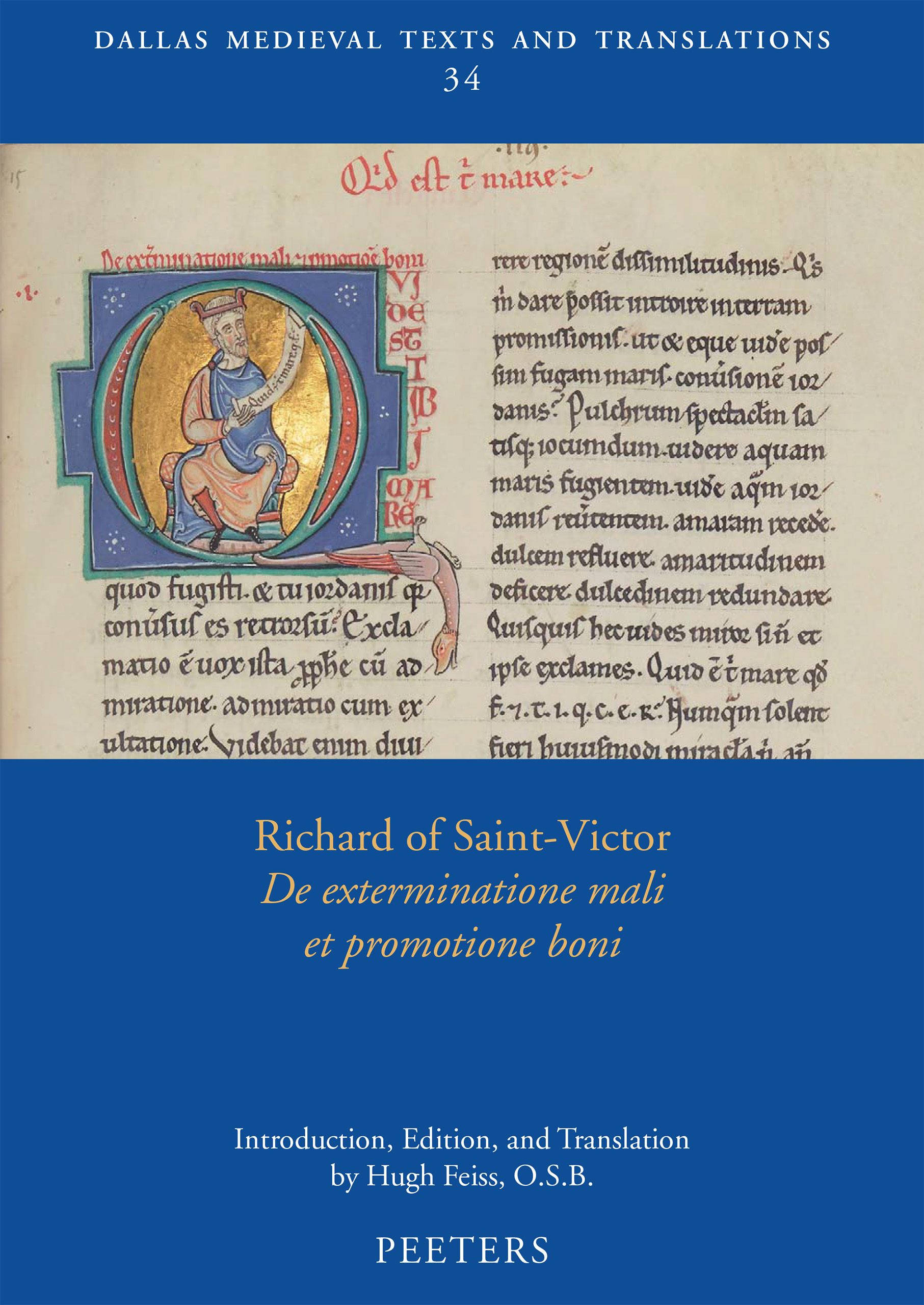


 The Anglo-Norman Bible’s Books of Kings, a Critical Edition
(BL Royal 1 C III, fols 234r-274v)
Volume 37


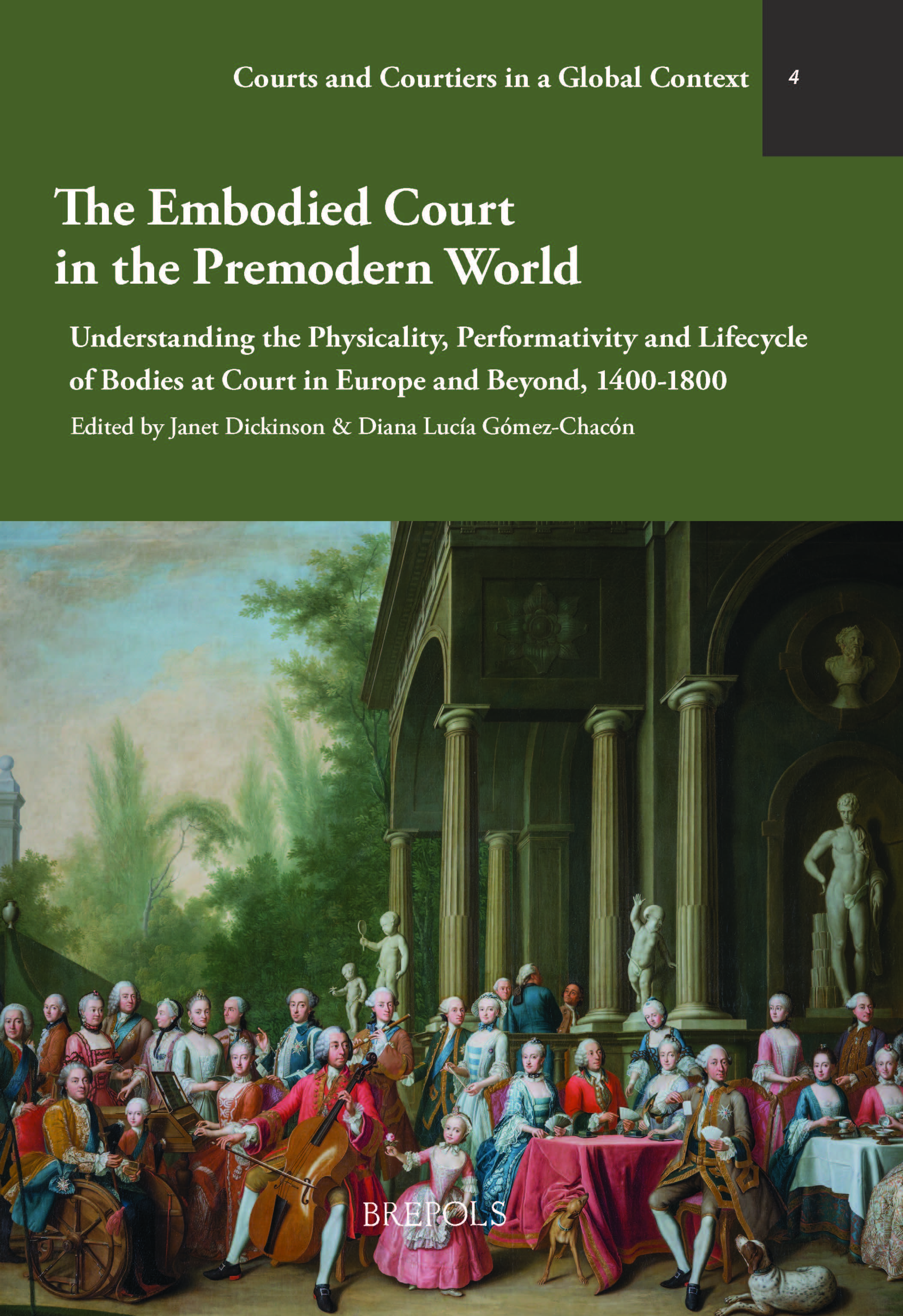 The Embodied Court in the Premodern World
Understanding the Physicality, Performativity and Lifecycle of Bodies at Court in Europe and Beyond, 1400-1800
Volume 4


