Manuscripts Changing Hands
Handschriften wechseln von Hand zu Hand
edited by Volker Schier and Corine Schleif

Medieval manuscripts were conceived to move from one set of hands to the next. Holding a book presented possibilities, and possessing a book implied power. Thus, books functioned as potent connectors. They bound producers with consumers, givers with recipients, writers with readers, writers with writers, and readers with readers. Books linked many generations and were intended to last. Hands attached messages in colophons, prayers, scribal notes, glosses, word plays, self-images, and other inserted materials. Hands also left traces in the form of penciled users’ names, threats, curses, corrections, erasures, worn and torn pages, finger prints, and dirt. The contributors to this collection of essays analyze the ways in which the manuscript medium served and challenged communication. Sensorial empathies helped to construct communal identities that overcame barriers of time, class and calling. Diachronic communities formed around books in both men’s and women’s monasteries. Librarians, collectors, and makers of facsimiles strove to preserve these hand-made, handed down objects. Ten medievalists with specialties in history, musicology, art history, and the history of literature provide articles based on discussions that took place at an international workshop supported by the Deutsche Forschungsgemeinschaft at the Herzog August Bibliothek in Wolfenbuttel in 2012. The volume reflects current issues relating to actor network theory and eco-critical concerns. It appears at the moment in which transient virtual media are replacing enduring material objects as means of communication.
Medieval manuscripts were conceived to move from one set of hands to the next. Holding a book presented possibilities, and possessing a book implied power. Thus, books functioned as potent connectors. They bound producers with consumers, givers with recipients, writers with readers, writers with writers, and readers with readers. Books linked many generations and were intended to last. Hands attached messages in colophons, prayers, scribal notes, glosses, word plays, self-images, and other inserted materials. Hands also left traces in the form of penciled users’ names, threats, curses, corrections, erasures, worn and torn pages, finger prints, and dirt. The contributors to this collection of essays analyze the ways in which the manuscript medium served and challenged communication. Sensorial empathies helped to construct communal identities that overcame barriers of time, class and calling. Diachronic communities formed around books in both men’s and women’s monasteries. Librarians, collectors, and makers of facsimiles strove to preserve these hand-made, handed down objects. Ten medievalists with specialties in history, musicology, art history, and the history of literature provide articles based on discussions that took place at an international workshop supported by the Deutsche Forschungsgemeinschaft at the Herzog August Bibliothek in Wolfenbuttel in 2012. The volume reflects current issues relating to actor network theory and eco-critical concerns. It appears at the moment in which transient virtual media are replacing enduring material objects as means of communication.
- Edited by Volker Schier
- Edited by Corine Schleif
Other Titles in this Series

 Die Buchbestande von Woltingerode
Ein Zisterzienserinnenkloster im Kontext der spatmittelalterlichen Reformbewegungen
Volume 26


 Liber sanctae Mariae virginis in Bordesholm …
Geschichte einer holsteinischen Stiftsbibliothek
Volume 33

 Zentrum oder Peripherie?
Kulturtransfer in Hildesheim und im Raum Niedersachsen (12. -15. Jahrhundert)
Volume 32
 Stiftsbibliothek und Kirchenschatz
Materielle Kultur in den Chorfrauenstiften Steterburg und Heiningen
Volume 28


 Die Handschriften der Schule von Luxeuil
Kunst und Ikonographie eines fruhmittelalterlichen Skriptoriums
Volume 22
 Prasenz und Verwendung der Heiligen Schrift im christlichen Fruhmittelalter
exegetische Literatur und liturgische Texte
Volume 20
Similar Books
 A Collaborative Tapestry in Honour of Shirley Ann Brown / Une fresque brodée en l’honneur de Shirley Ann Brown
The Bayeux Tapestry Seen by her Colleagues and Friends / La Tapisserie de Bayeux vue par ses collègues et amis

 Balthasar Caymox of Nuremberg
Early Modern German Print Publishers: Popular Prints of the Seventeenth Century
 Behind the Scenes of Medieval Roofs
An Overview of the Roofing Systems of Italian Churches
Volume 90


 Circulation, Use, Impact
The Consumption of Architectural Books in the Early Modern Eastern Adriatic
Volume 1




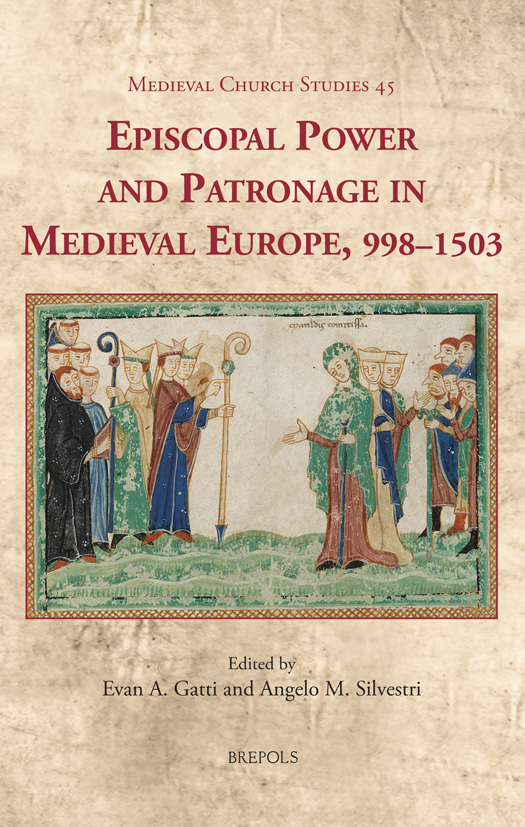


 Innovation and Medieval Communities
The Circulation of Ideas and Practices in and out of the Town (1200-1500)
Volume 63
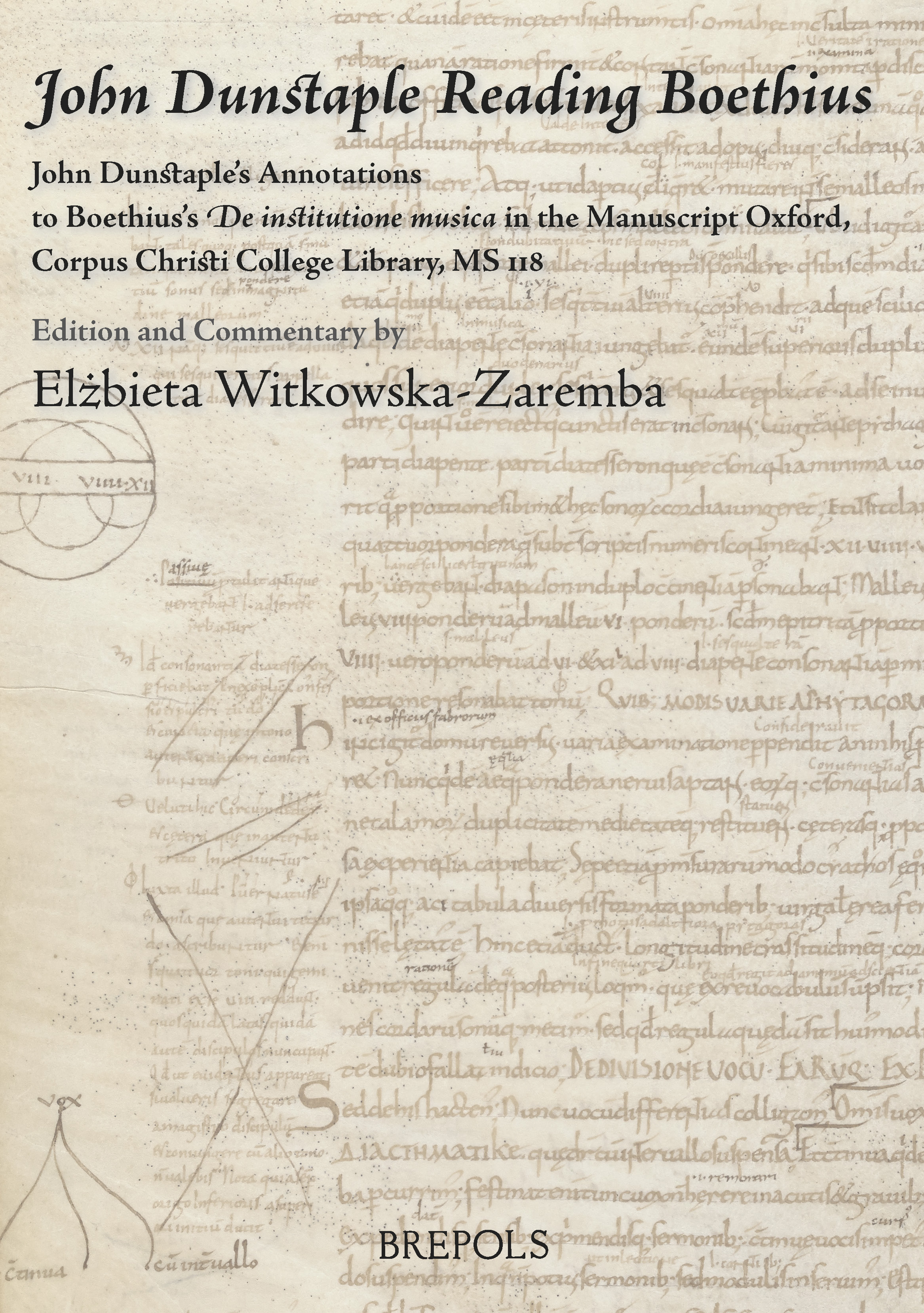 John Dunstaple Reading Boethius
John Dunstaple’s Annotations to Boethius’s “De institutione musica” in the Manuscript Oxford, Corpus Christi College Library, MS 118
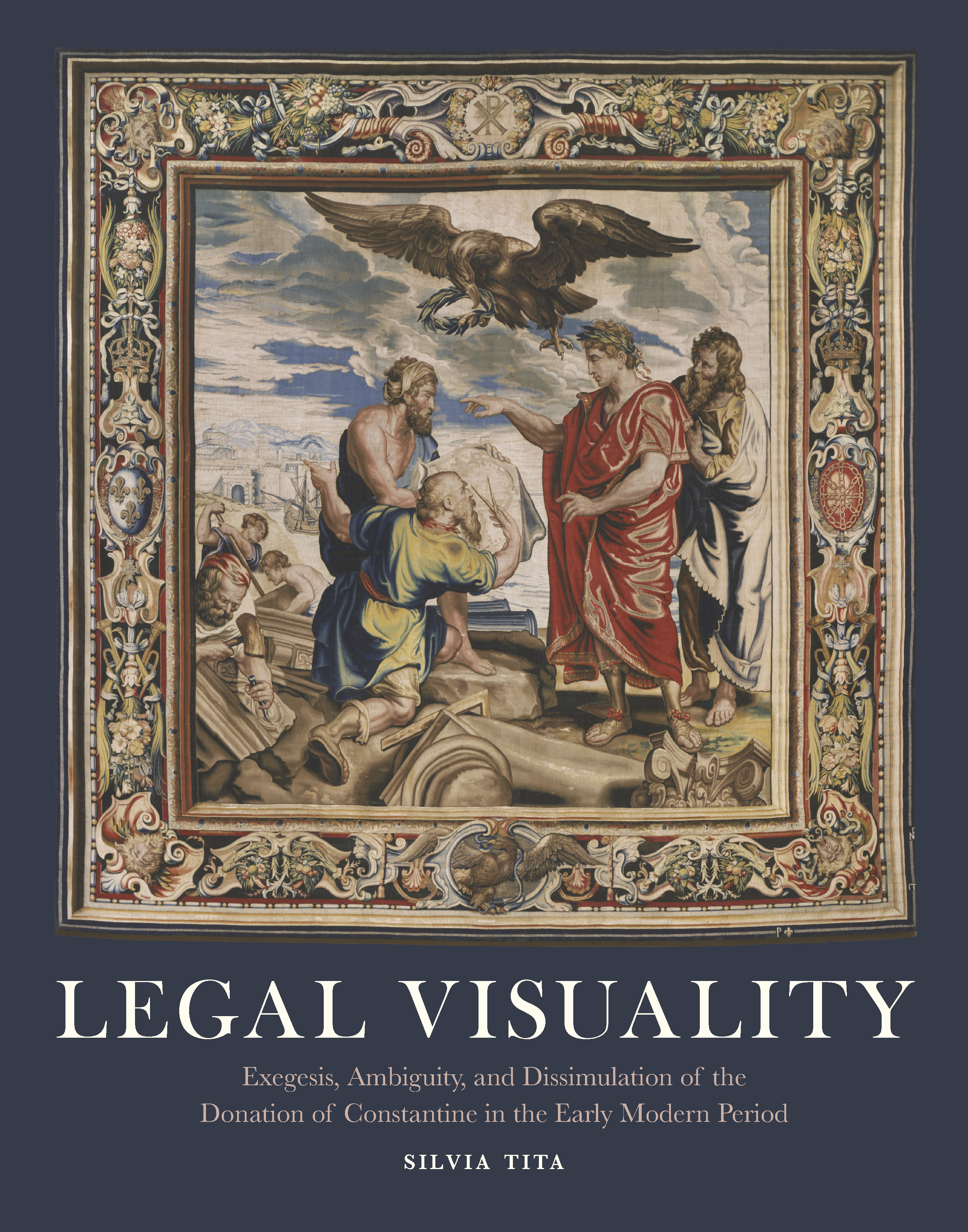 Legal Visuality
Exegesis, Ambiguity, and Dissimulation of the Donation of Constantine in the Early Modern Period
 Linguistic and Cultural Dynamics in a Frontier Society
New Perspectives on Northeastern Bavaria and Western Bohemia in the Early Middle Ages
Volume 9
 Medieval Debates on Foreknowledge: Future Contingents, Prophecy, and Divination
Acts of the XXVII Annual Colloquium of the SIEPM, Trento 12-15 September 2023
Volume 31
 Medieval Yeghegis, Armenia
History, Archaeology, Society. Local Multiplicities and Global Connections of a Rural Centre on the Silk Road(s)
 Monastic Manuscripts from the Eastern Mediterranean (Sinai, Jerusalem, Antioch)
Production, Use, and Contexts
 Naples as Laboratory / Laboratorium Neapel
Style Options, Artistic Rivalry and Self Fashioning in Neapolitan Baroque Painting / Plurale Stilbildung, Kunstlerkonkurrenz und Self Fashioning in der neapolitanischen Barockmalerei

 Nurturing the Elite
Representations of Drinking, Eating, and Religious Vessels in Palmyrene Funerary Iconography
Volume 13