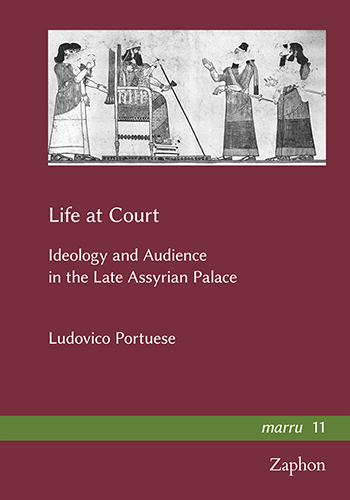
Life at Court
Ideology and Audience in the Late Assyrian Palace
by Ludovico Portuese
Hardback (Published)
(December 2020)
ISBN: 9783963271342
Price: $107.00
On back order
Portuese’s study examines architecture, reliefs and inscriptions of Neo-Assyrian royal palaces, and their interdependences guided by the question of audience and admittance to the king: Who was admitted to the king and how was the king presented? The Assyrian king was actually less secluded in his palace than hitherto assumed by the classical tradition originating from Ctesias, and followed by modern scholars. It is clear that his relatively public appearances were regarded as extraordinary events which interrupted his daily royal activities. All the strategies that apparently hamper access to the royal court should be considered as highlighting the extreme privilege of being admitted to the palace and not as ways of emphasising the seclusion of the king. Various circumstances, indeed, led a number of persons to visit the palace and meet the king and, even though this was occasional, each event had to be perceived by the visitor(s) as exceptional. Thus, the whole protocol procedure together with the architectural obstructions were strategically used both to protect the king but also to make the event exceptional. Whatever their complexity, images, texts, and court activities offer an exhibition of kingship. Images, texts, and court activities inform and educate: by presenting the Assyrian perception of the world and the role of the king in human events, reliefs, inscriptions and any activity become a “silent education” in that they raise awareness, influence or inspire consciousness, generate respect, and encourage a mental and physical attitude of obedience and deference. Through the omnipresence of the king and the apotropaic values of some images, together with the royal word, and the performance of rituals and ceremonies they convey blessings; … and the global harmony creates an atmosphere of order, rationality and grace.
Portuese’s study examines architecture, reliefs and inscriptions of Neo-Assyrian royal palaces, and their interdependences guided by the question of audience and admittance to the king: Who was admitted to the king and how was the king presented? The Assyrian king was actually less secluded in his palace than hitherto assumed by the classical tradition originating from Ctesias, and followed by modern scholars. It is clear that his relatively public appearances were regarded as extraordinary events which interrupted his daily royal activities. All the strategies that apparently hamper access to the royal court should be considered as highlighting the extreme privilege of being admitted to the palace and not as ways of emphasising the seclusion of the king. Various circumstances, indeed, led a number of persons to visit the palace and meet the king and, even though this was occasional, each event had to be perceived by the visitor(s) as exceptional. Thus, the whole protocol procedure together with the architectural obstructions were strategically used both to protect the king but also to make the event exceptional. Whatever their complexity, images, texts, and court activities offer an exhibition of kingship. Images, texts, and court activities inform and educate: by presenting the Assyrian perception of the world and the role of the king in human events, reliefs, inscriptions and any activity become a “silent education” in that they raise awareness, influence or inspire consciousness, generate respect, and encourage a mental and physical attitude of obedience and deference. Through the omnipresence of the king and the apotropaic values of some images, together with the royal word, and the performance of rituals and ceremonies they convey blessings; … and the global harmony creates an atmosphere of order, rationality and grace.
- By (author) Ludovico Portuese
Other Titles in this Series
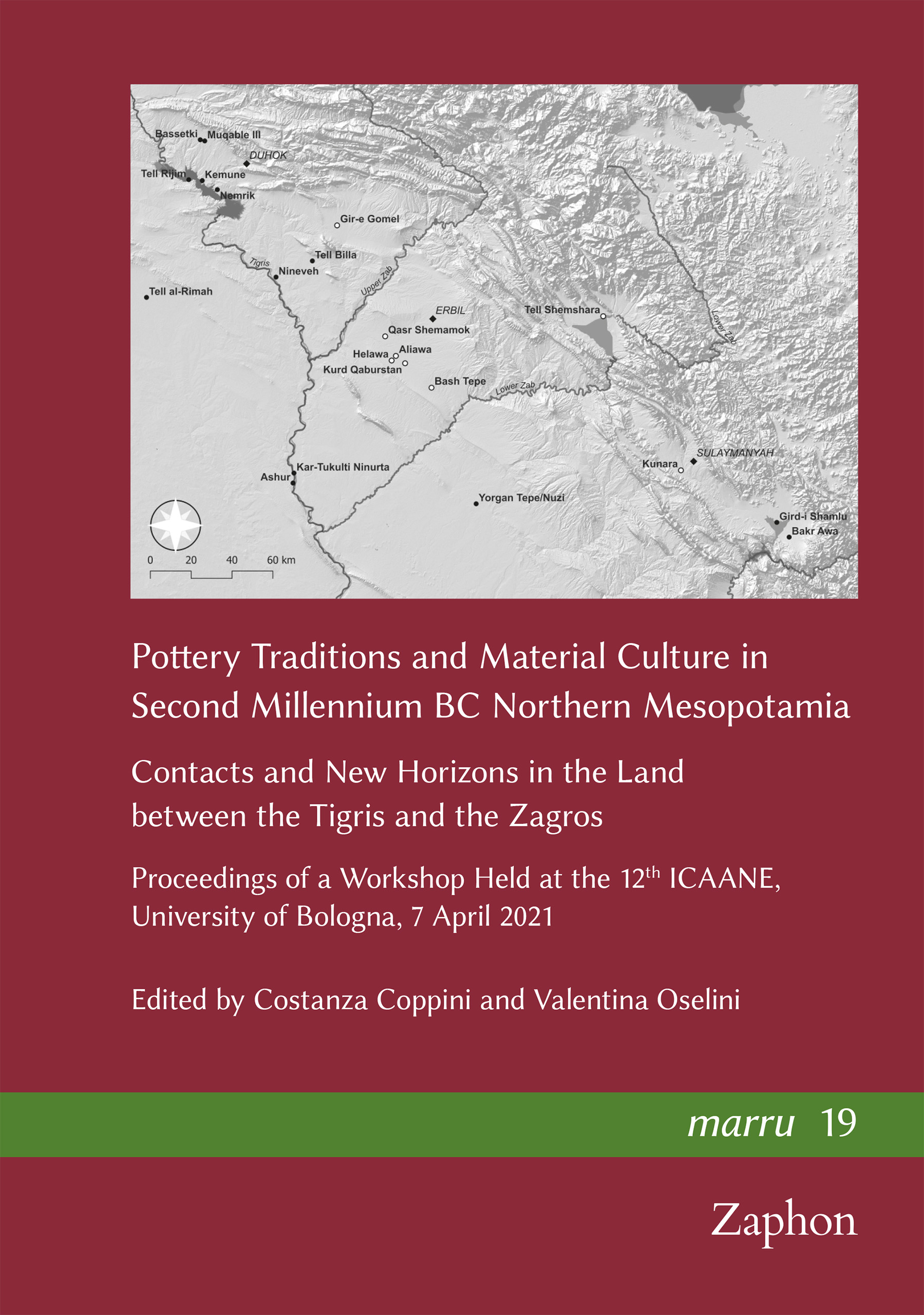 Pottery Traditions and Material Culture in Second Millennium BC Northern Mesopotamia
Contacts and New Horizons in the Land between the Tigris and the Zagros. Proceedings of a Workshop Held at the 12th ICAANE, University of Bologna, 7 April 2021
Volume 19
 Zwischen Ausgrabung und Ausstellung
Eitrage zur Archaologie Vorderasiens. Festschrift fur Lutz Martin
Volume 9
 Von Syrien bis Georgien – durch die Steppen Vorderasiens
Festschrift fur Felix Blocher anlasslich seines 65. Geburtstages
Volume 13
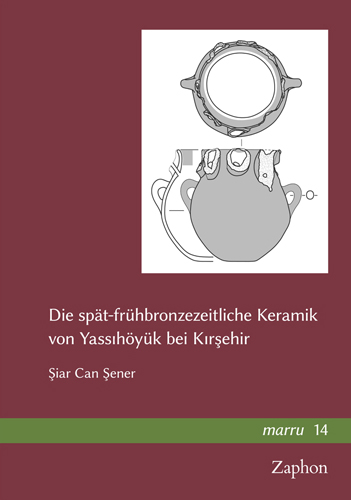
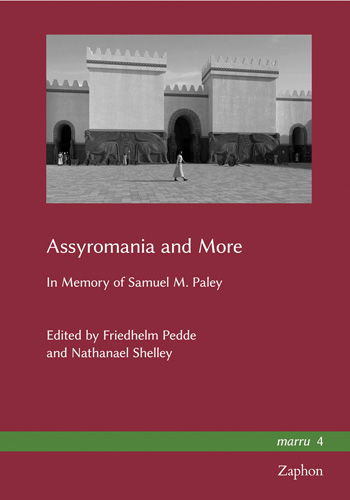
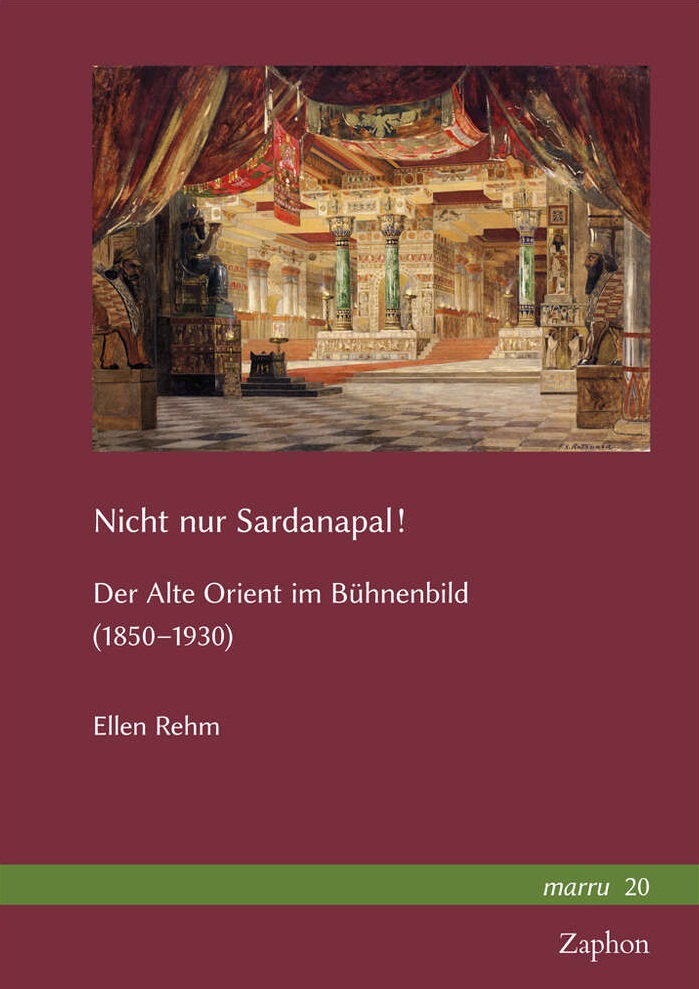
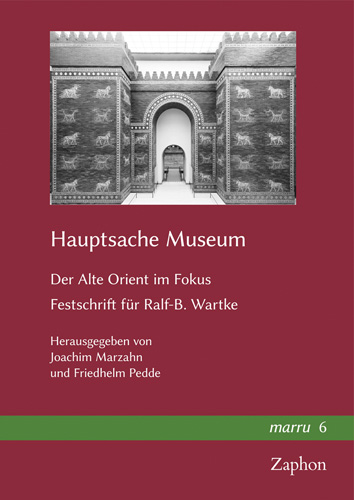
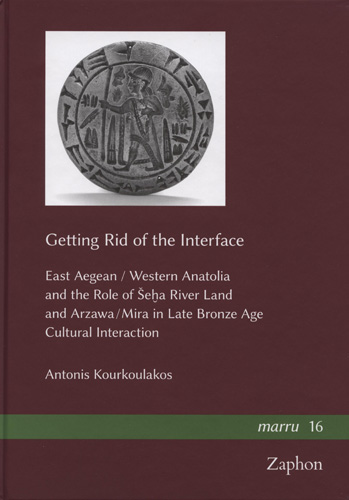 Getting Rid of the Interface
East Aegean / Western Anatolia and the Role of Seha River Land and Arzawa/Mira in Late Bronze Age Cultural Interaction
Volume 16
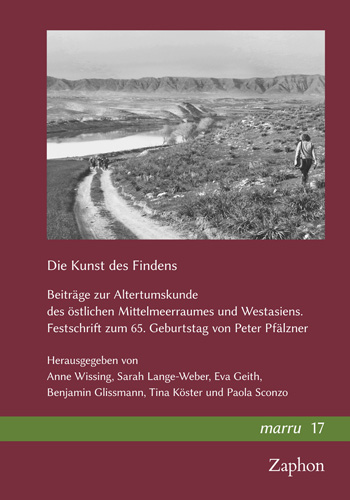 Die Kunst des Findens
Beitrage zur Altertumskunde des ostlichen Mittelmeerraumes und Westasiens. Festschrift zum 65. Geburtstag von Peter Pfalzner
Volume 17
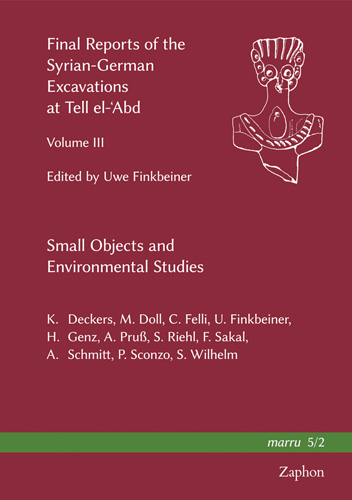 Final Reports of the Syrian-German Excavations at Tell el-‘Abd, Volume III
Small Objects and Environmental Studies
Volume 5.2
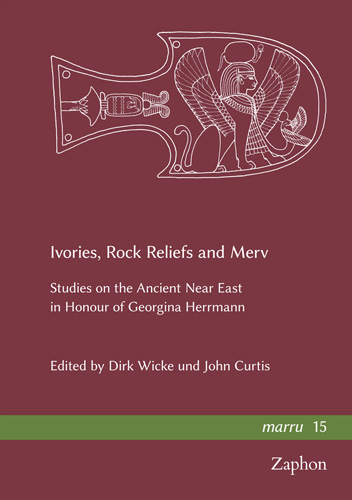 Ivories, Rock Reliefs and Merv
Studies on the Ancient Near East in Honour of Georgina Herrmann
Volume 15
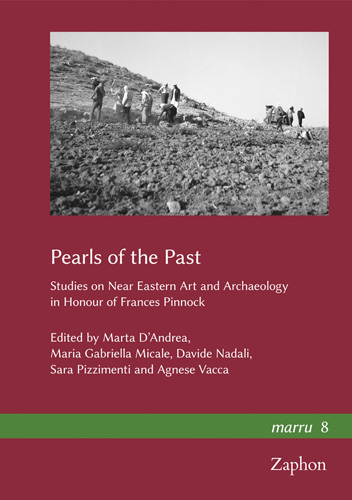 Pearls of the Past
Studies on Near Eastern Art and Archaeology in Honour of Frances Pinnock
Volume 8
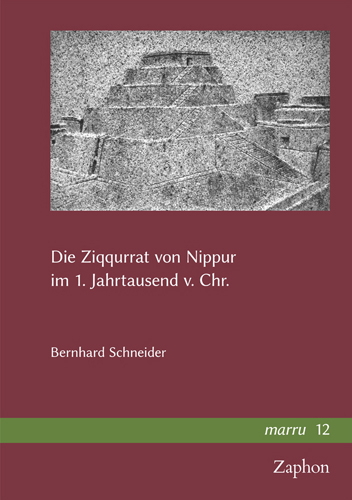
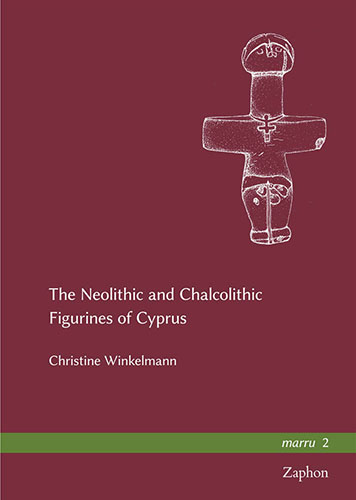
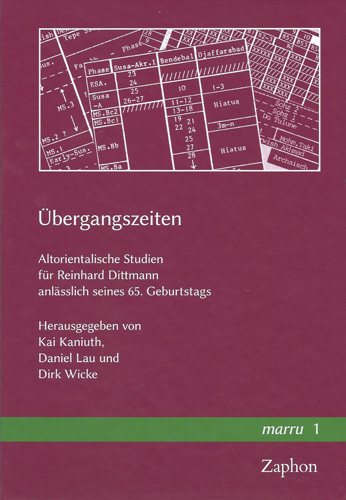 Ubergangszeiten
Altorientalische Studien fur Reinhard Dittmann anlasslich seines 65. Geburtstags
Volume 1
Similar Books





 Behind the Scenes of Medieval Roofs
An Overview of the Roofing Systems of Italian Churches
Volume 90
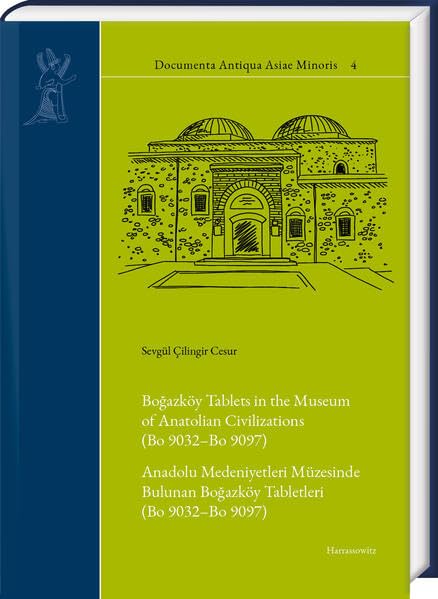 Boğazköy Tablets in the Museum of Anatolian Civilizations (Bo 9032–Bo 9097)
Anadolu Medeniyetleri Müzesinde Bulunan Boğazköy Tabletleri (Bo 9032–Bo 9097)
Volume 4


 Circulation, Use, Impact
The Consumption of Architectural Books in the Early Modern Eastern Adriatic
Volume 1
 Connecting the Dots: Counting, Writing, and the Beginnings of Civilization
The Secret Lives of Clay Tokens: A Memoir


 Curating the Prehistoric Past
Studies on West Asian Archaeology and Beyond in Honour of Yoshihiro Nishiaki

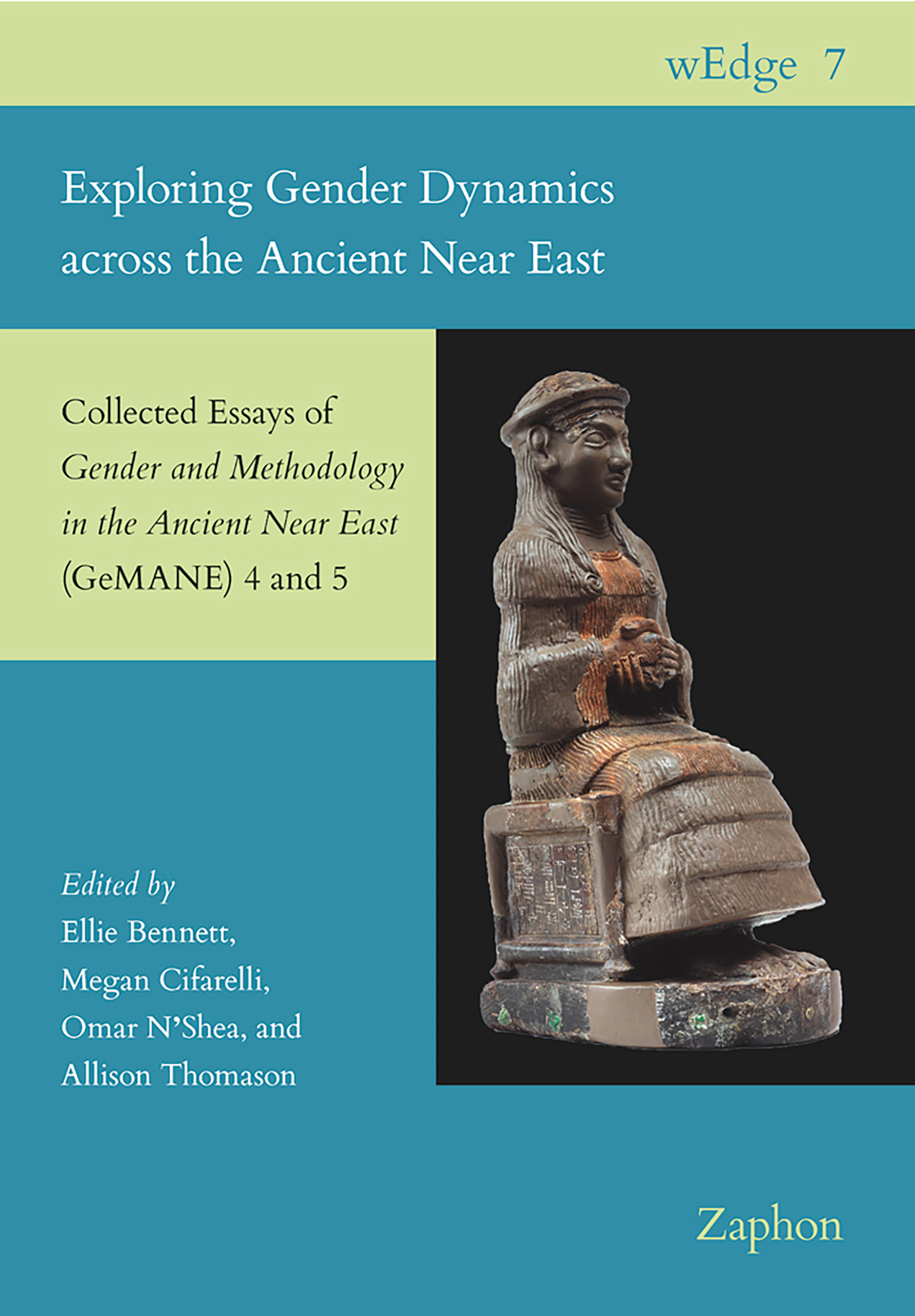 Exploring Gender Dynamics across the Ancient Near East
Collected Essays of Gender and Methodology in the Ancient Near East (GeMANE) 4 and 5
Volume 7


 Ḫattušaš utnē išḫameški
Hittite and Other Ancient Near Eastern Studies Presented to Piotr Taracha on the Occasion of His 65th Birthday




 Kultur – Kontakt – Kultur
Beiträge anlässlich der 66. Rencontre Assyriologique Internationale in Frankfurt/Main und Mainz, 25.–29. Juli 2022
Volume 35

 Late Antique villae in the Balkans (3rd–7th c. AD): Current Research Questions and Perspectives
HAEMUS Companion to the Late Antique Balkans 1
Volume 4

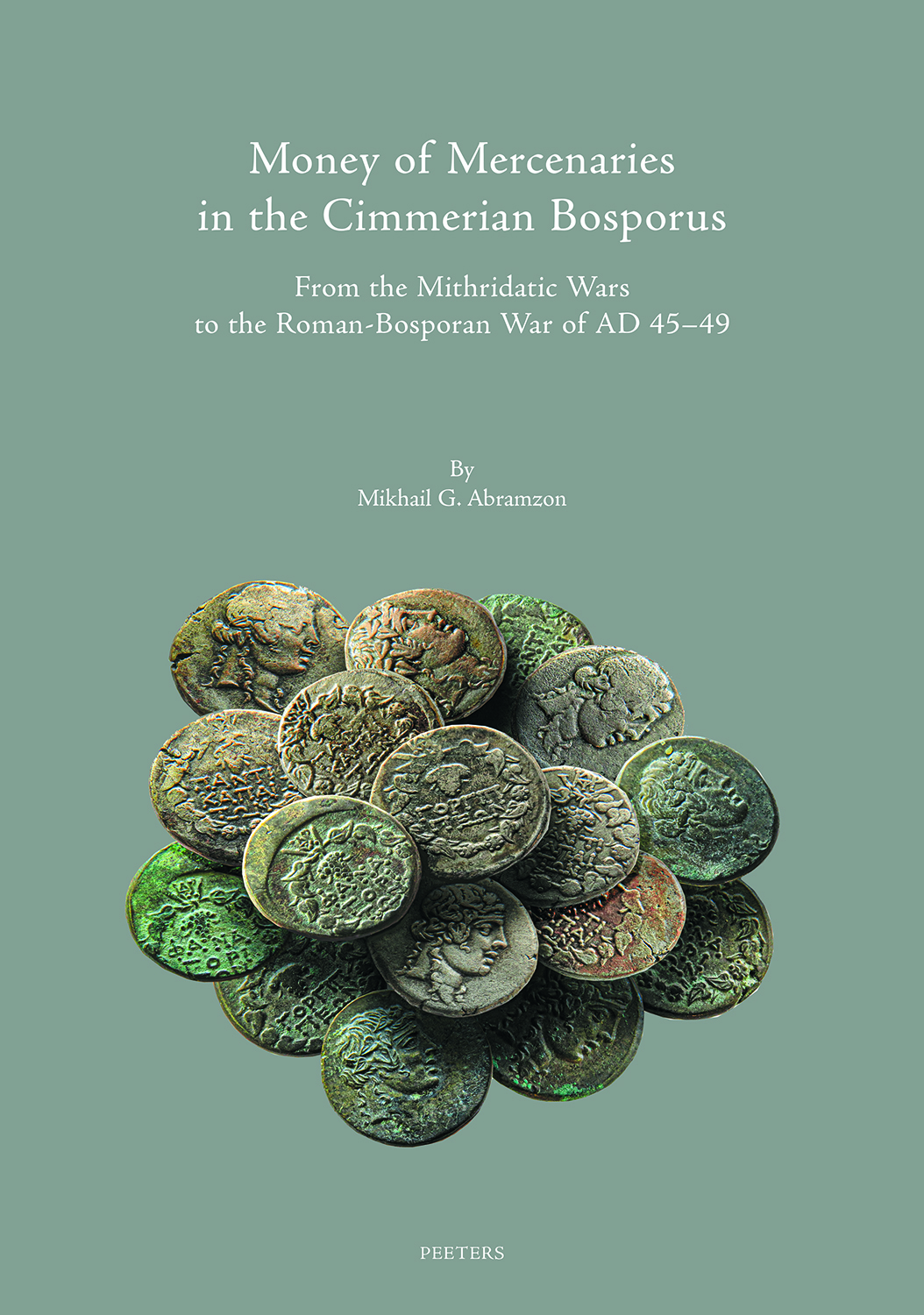 Money of Mercenaries in the Cimmerian Bosporus
From the Mithridatic Wars to the Roman-Bosporan War of AD 45-49
Volume 45

 New Research on Old Collections in Southwest Asian Archaeology
Proceedings of the Workshop Held at the British Museum, London, 31 July – 2 August, 2023
 Old Aramaic Inscriptions and their Contexts
An Epigraphic, Archaeological, and Historical Synthesis
Volume 63


 Pottery Traditions and Material Culture in Second Millennium BC Northern Mesopotamia
Contacts and New Horizons in the Land between the Tigris and the Zagros. Proceedings of a Workshop Held at the 12th ICAANE, University of Bologna, 7 April 2021
Volume 19