
Legend and Legitimation: The Formation of Tendai Esoteric Buddhism in Japan
By (author) J. Chen

Paperback (Published)
(April 2010)
ISBN: 9782960007626
Price: $57.00
On back order
During his nine-month stay in China, the Japanese monk Saicho (767822) was alleged to have been initiated into an illustrious esoteric lineage starting from a prestigious Indian Esoteric patriarch. It is also believed that Saichos Chinese mentor, based on three esoteric texts translated by the Indian Patriarch, transmitted to him some particular forms of esoteric teachings, the core of which is preserved in one of the two “dharma-transmission documents” from Saichos teacher. This is the conventional view regarding the roots of Tendai Esoteric Buddhism in Japan. This book subjects this conventional view to a critical examination. It argues that the two “dharma-transmission documents” were not written by Saicho’s Chinese mentor, but were prepared in Japan for strengthening the legitimacy of the initiation Saicho received from China. The three siddhi texts attributed to the Indian patriarch were also composed in Japan as the scriptural support for Saicho’s esoteric transmission. The Tendai form of Esotericism in the name of Saicho was for the main part created not by Saicho himself but by his followers.
During his nine-month stay in China, the Japanese monk Saicho (767-822) was alleged to have been initiated into an illustrious esoteric lineage starting from a prestigious Indian Esoteric patriarch. It is also believed that Saicho’s Chinese mentor, based on three esoteric texts translated by the Indian Patriarch, transmitted to him some particular forms of esoteric teachings, the core of which is preserved in one of the two “dharma-transmission documents” from Saicho’s teacher. This is the conventional view regarding the roots of Tendai Esoteric Buddhism in Japan. This book subjects this conventional view to a critical examination. It argues that the two “dharma-transmission documents” were not written by Saicho’s Chinese mentor, but were prepared in Japan for strengthening the legitimacy of the initiation Saicho received from China. The three siddhi texts attributed to the Indian patriarch were also composed in Japan as the scriptural support for Saicho’s esoteric transmission. The Tendai form of Esotericism in the name of Saicho was for the main part created not by Saicho himself but by his followers. These negative conclusions can be turned into a positive agenda for future research of Japanese Tendai Buddhism. Scholars can turn from a fruitless search for the roots of Tendai Esotericism in China to look more closely in Japan. This study may invite more scholarly attention to a host of Buddhist apocrypha which, long regarded as Chinese, were actually produced in Japan or Korea. This book also addresses issues of larger implications for East Asian religions, including the manufacturing process of the so-called Buddhist apocrypha and their roles, lineage construction for the purpose of religious legitimation and of overcoming borderland complexes, application of overarching theoretic patterns in different religious traditions.
- By (author) J. Chen
Other Titles in this Series
 La Conversion de l’Orient
Une peregrination didactique de Bodhidharma dans un roman chinois du XVIIe siecle
Volume 29


 L’incantation du patriarche Pu’an
Les avatars du syllabaire sanskrit dans la musique chinoise
Volume 31
Similar Books
 ‘For You I Study, For You I Work, For You I Live, For You I Am Ready To Even Give My Life’
Essays in Honour of Francis (Frank) J Moloney, SDB
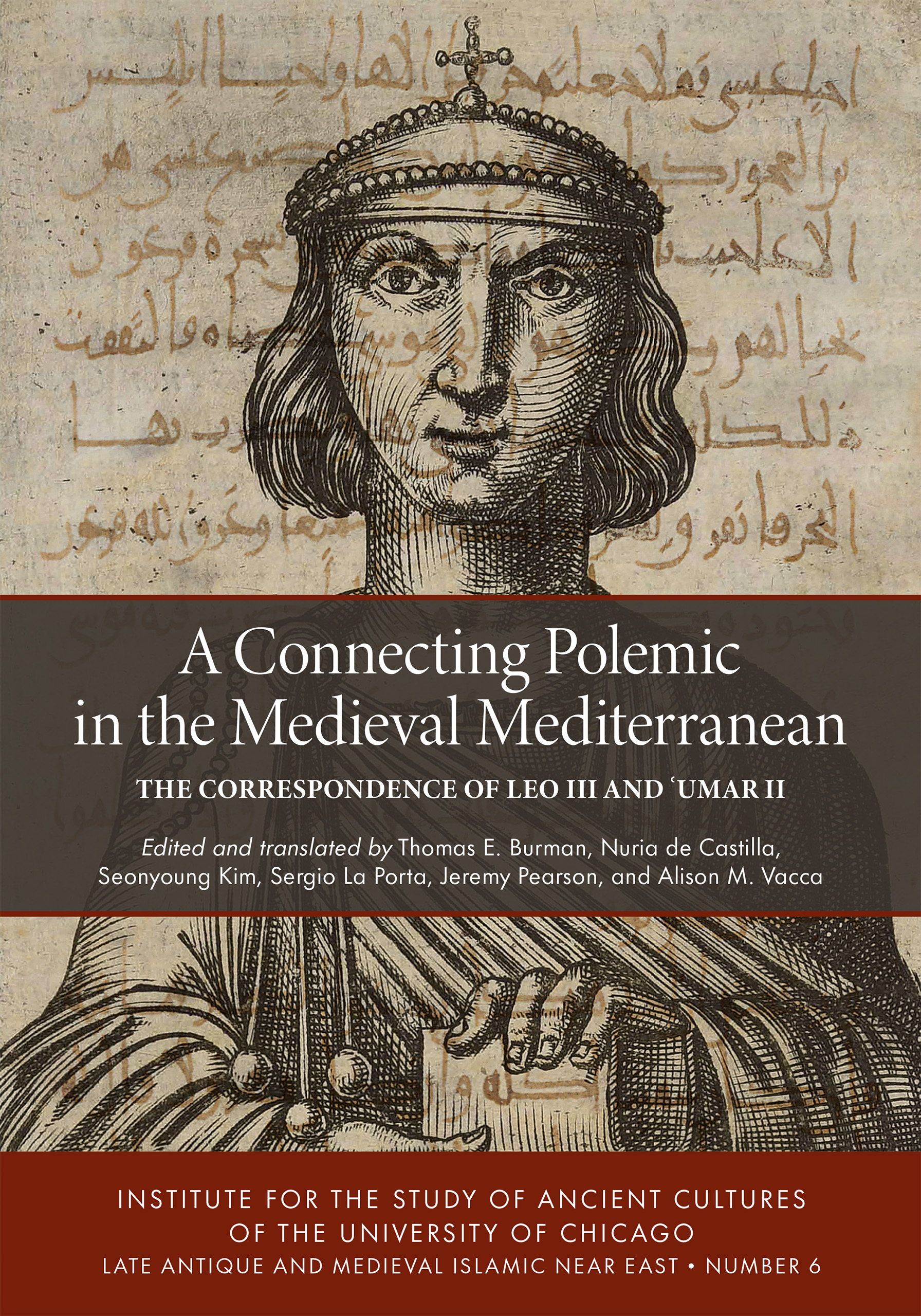 A Connecting Polemic in the Medieval Mediterranean
The Correspondence of Leo III and ʿUmar II
Volume 6




 Ars Prophetica
Theology in the Poetry of Twentieth-Century Hebrew Poets Avraham Halfi, Shin Shalom, Amir Gilboa, and T. Carmi
 As Messianism Turns to Heresy
The Regenstein Chair Lectures On Lurianic Kabbalah and Shabbatai Tzevi at Hebrew Union College - Cincinnati


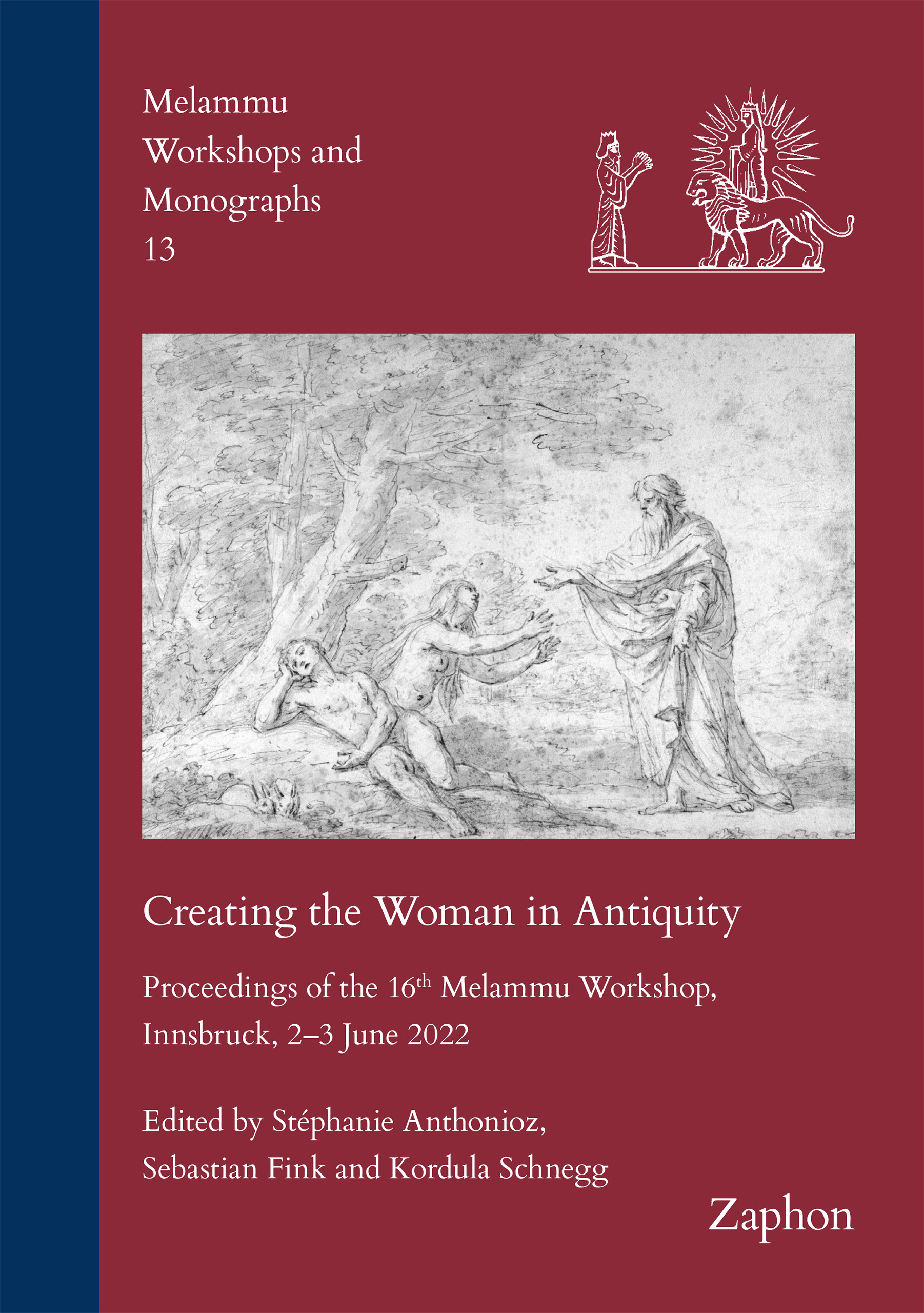 Creating the Woman in Antiquity
Proceedings of the 16th Melammu Workshop, Innsbruck, 2–3 June 2022
Volume 13

 Drunk the Potion, No Whit Charmed
The Doctrine of Pure and Perfect Souls from Iamblichus to Damascius



 Extracanonical Traditions and the Holy Land
Texts, Rituals, and Material Culture in Late Antique Palestine
 Fear, Fear of God, God-Fearers
Philological and Historical Perspectives on the World of Ancient Judaism and Christianity




 Legal Visuality
Exegesis, Ambiguity, and Dissimulation of the Donation of Constantine in the Early Modern Period