
Le sceau des sceaux
By (author) Giordano Bruno Translated by Tristan Dagron Translated by Sebastien Galland Introduction and notes by Tristan Dagron

Paperback (Published)
(September 2020)
ISBN: 9782711629527
6.3 x 9.45 inches
Price: $30.00
On back order
Le Sceau des sceaux (1583) est la partie theorique d’un traite de mnemotechnique, l’Explicatio triginta sigillorum (Explication des trente sceaux). Il ne propose pas a proprement parler un apercu de l’art de la memoire lui-meme, mais plutot une theorie de l’activite de pensee centree sur la memoire et la puissance de figuration de l’esprit. Bruno se fonde pour cela sur la definition platonicienne de la reminiscence en vertu de laquelle il y a souvenir toutes les fois que percevant une chose quelconque, on en concoit une autre , aussi bien que sur la formule d’Aristote selon laquelle intelliger, c’est reflechir sur les images : a l’oppose d’une conception anhistorique et decontextualise des processus cognitifs, Bruno propose de comprendre ces formules comme les temoignages de pratique mnemoniques codifiees. La memoire ne regarde pas seulement la conservation des traces du passe; elle devient ainsi un principe d’organisation a la fois du sens interne et de l’ame en totalite. C’est encore a partir d’une theorie du signe et de l’image bien differente de celle de la tradition augustinienne, que Bruno peut rapporter la problematique de la memoire aux debats relatifs a la conjonction intellectuelle , associant etroitement la theorie averroiste de l’intellection a la conception neoplatonicienne qui assimile les oeuvres de l’intelligence a celle de la nature. Le Sigillus sigillorum propose encore une rapide presentation des deductions de l’art de Lulle interpretees comme un instrument d’invention.
- By (author) Giordano Bruno
- Translated by Tristan Dagron
- Translated by Sebastien Galland
- Introduction and notes by Tristan Dagron
Other Titles in this Series


Similar Books


 Balthasar Caymox of Nuremberg
Early Modern German Print Publishers: Popular Prints of the Seventeenth Century
 Beyond Sovereign Courts
Agents and Practices in Early Modern Spanish and Habsburg Diplomacy
Volume 3


 Circulation, Use, Impact
The Consumption of Architectural Books in the Early Modern Eastern Adriatic
Volume 1

 Councils, Conflicts, Correspondence
Urban Diplomacy in Reval (Tallinn) and Lübeck (c. 1470–1570)
Volume 67


 Drunk the Potion, No Whit Charmed
The Doctrine of Pure and Perfect Souls from Iamblichus to Damascius


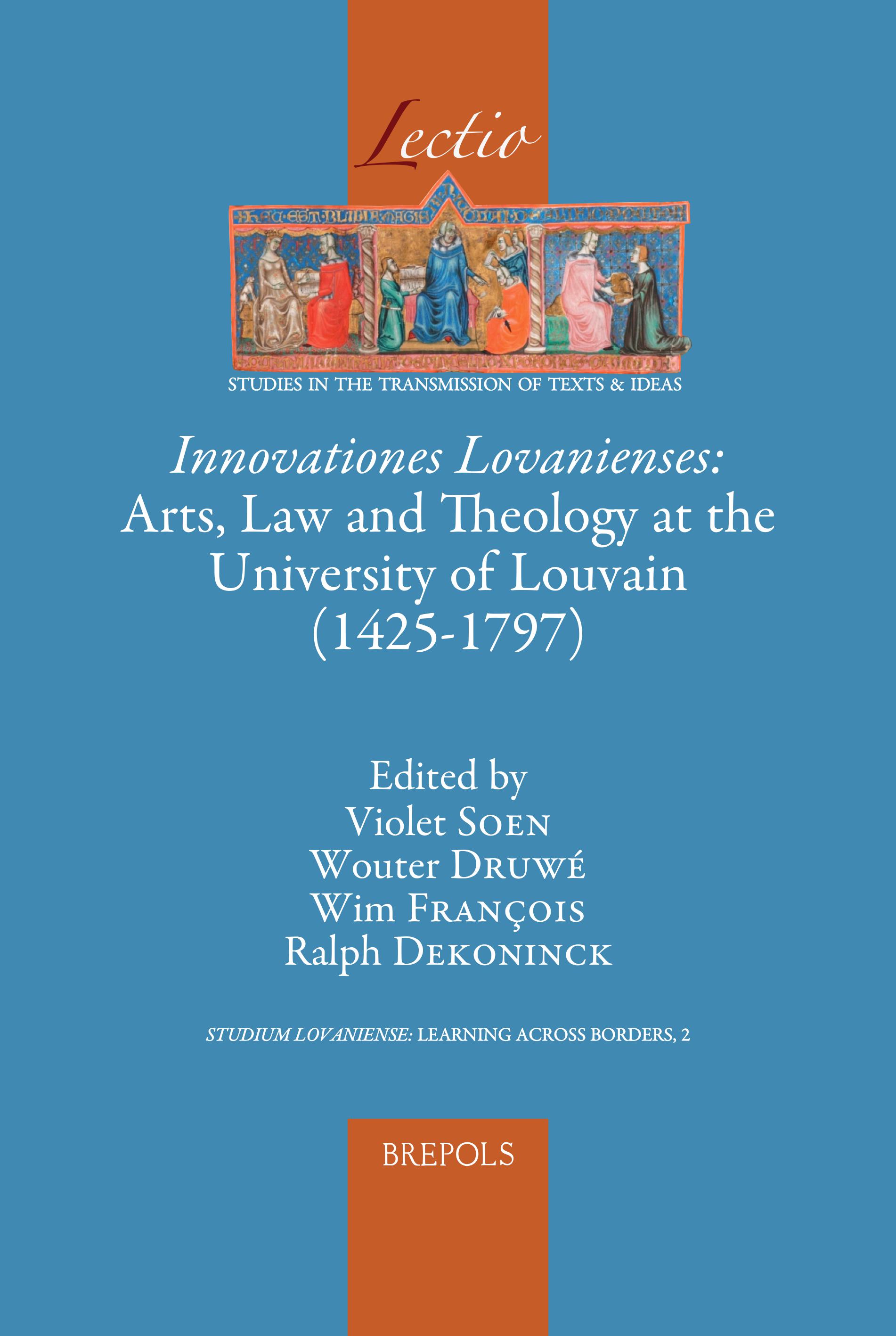 Innovationes Lovanienses: Arts, Law and Theology at the University of Louvain (1425–1797)
Studium Lovaniense: Learning across Borders, 2
Volume 18
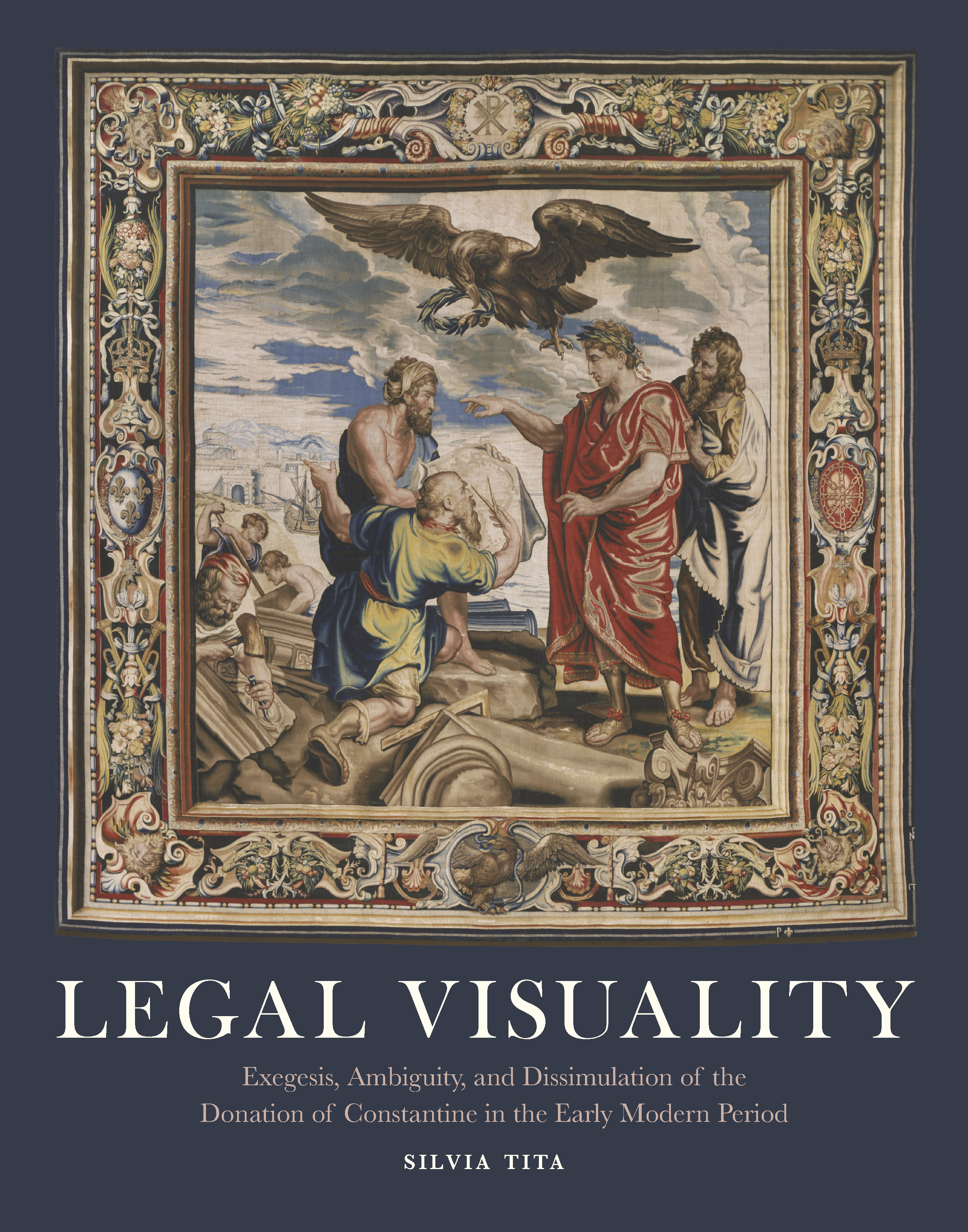 Legal Visuality
Exegesis, Ambiguity, and Dissimulation of the Donation of Constantine in the Early Modern Period
 Libertinage et philosophie à l’époque classique (XVIe-XVIIIe siècle)
Athéisme, Modernité et Sécularisation / Atheism, Modernity and Secularization
Volume 23

 Naples as Laboratory / Laboratorium Neapel
Style Options, Artistic Rivalry and Self Fashioning in Neapolitan Baroque Painting / Plurale Stilbildung, Kunstlerkonkurrenz und Self Fashioning in der neapolitanischen Barockmalerei

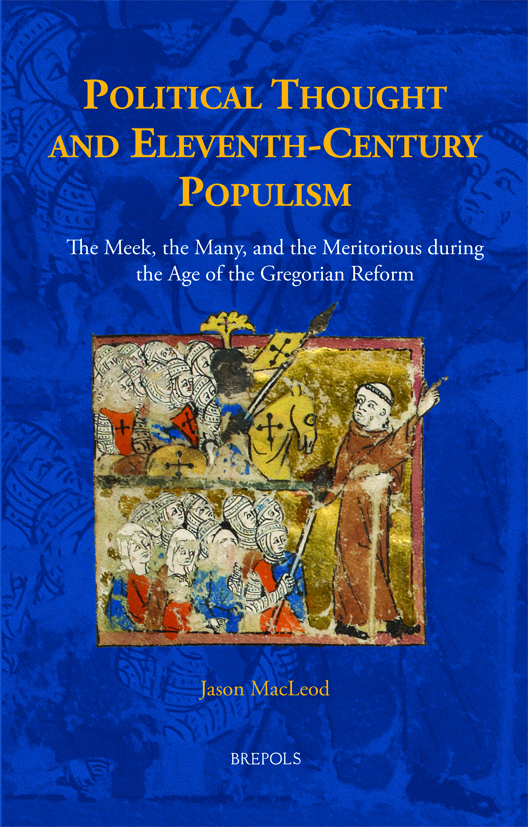 Political Thought and Eleventh-Century Populism
The Meek, the Many, and the Meritorious during the Age of the Gregorian Reform
Volume 38
 Power and Women in Southeast and Central Europe in Late Medieval and Early Modern Period (1300-1600)
Volume 10



 Staging the Spectacle of Majesty
Ceremonial, Courtly Space, and Collecting under the Spanish Habsburgs
Volume 9
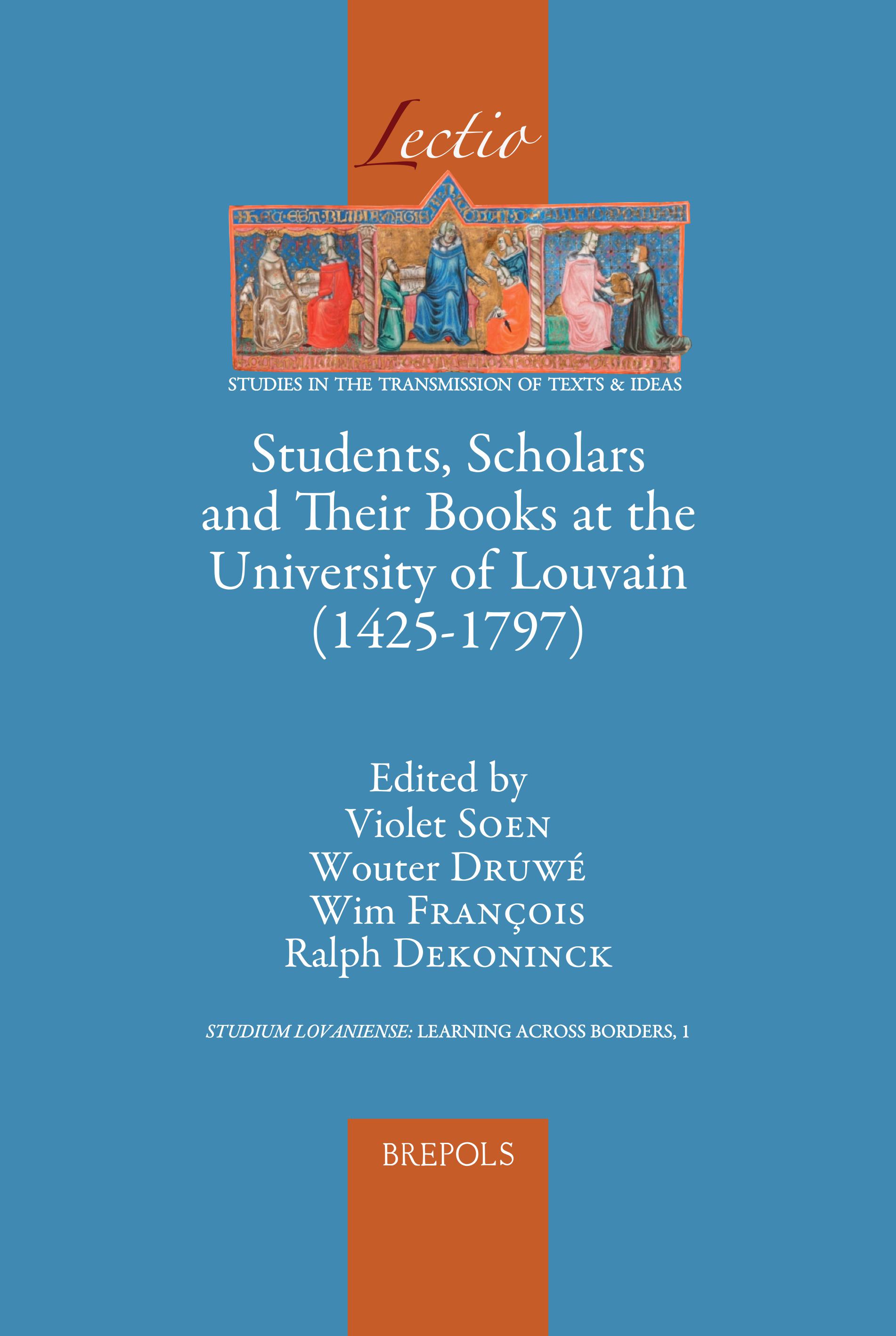 Students, Scholars and Their Books at the University of Louvain (1425-1797)
Studium Lovaniense: Learning across Borders, 1
Volume 17


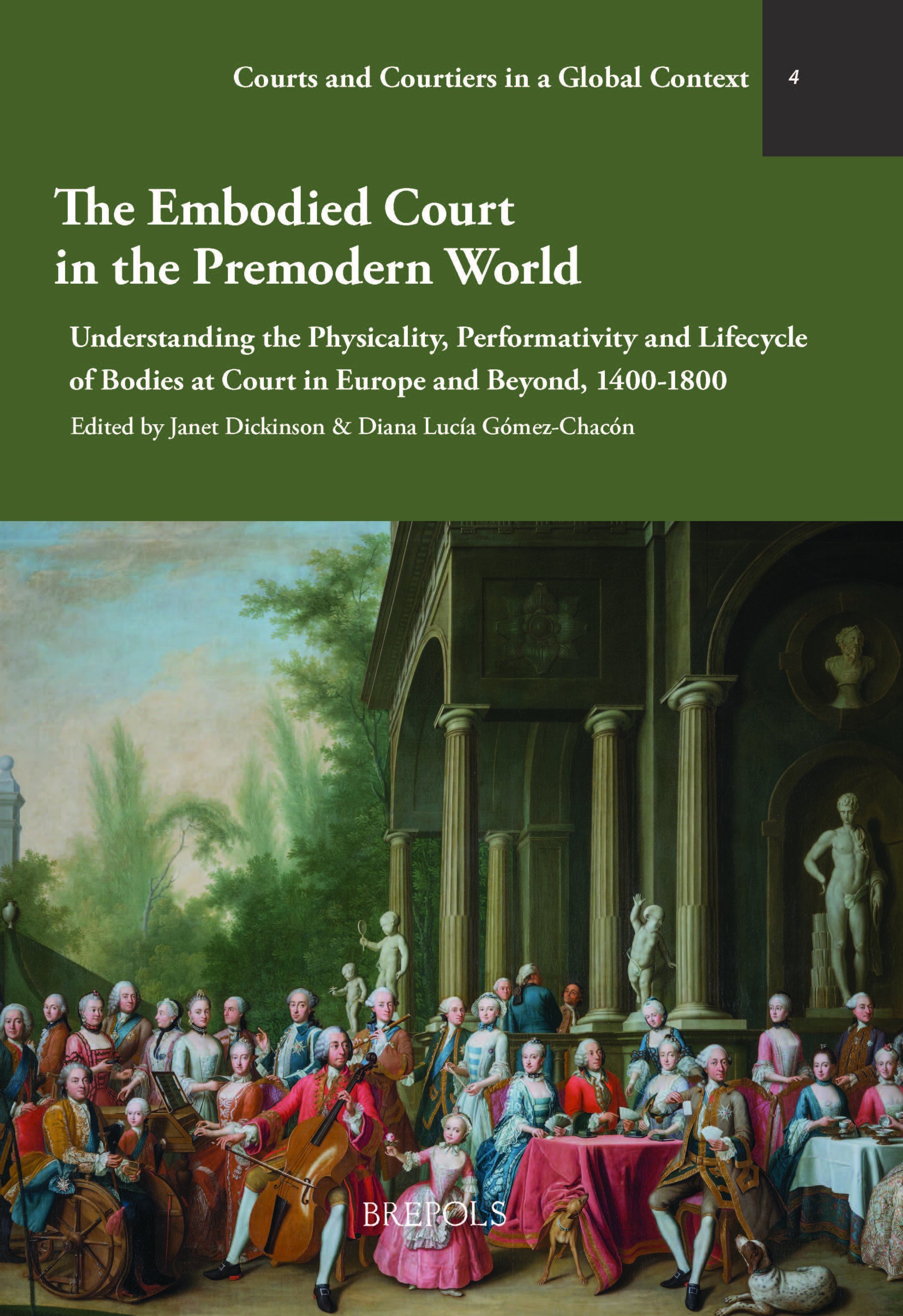 The Embodied Court in the Premodern World
Understanding the Physicality, Performativity and Lifecycle of Bodies at Court in Europe and Beyond, 1400-1800
Volume 4
