
La moissonneuse gallo-romaine au fil de l’histoire
Une icône, révélateur épistémologique au coeur de la technologie romaine
By (author) G. Raepsaet

La moissonneuse gallo-romaine, appelee vallus chez Pline XVIII, 296 et vehiculum chez Palladius VII, 2, a de tout temps interesse les historiens, interpelle les agronomes et fascine le grand public, en particulier lorsque l’on a decouvert le relief de Buzenol en 1958. La machine, il est vrai, est unique en son genre a travers les pratiques agricoles occidentales, de l’Antiquite au XIXe siecle. En effet, de tout temps et partout jusqu’au debut du XXe siecle, on moissonne a la faucille, a la sape ou a la faux, a l’exception de la Gaule romaine septentrionale ou les epis d’epeautre se fauchent avec une barre de coupe montee sur roues, propulsee de l’arriere par un animal, asinien ou bovide. Idee de genie? Peut-etre. Invention etonnante, assurement. Mais au fil des siecles, si l’idee et le principe sont a l’origine des moissonneuses modernes mises au point vers 1800-1850, son efficacite agricole dans l’Antiquite sera parfois contestee, en particulier au milieu du XXe siecle, par un courant historiographique appele primitivisme qui refuse globalement toute capacite technologique a l’Antiquite et fait volontiers du vallus une cible privilegiee. Aujourd’hui, apres vingt ans de recherches pluridisciplinaires et d’experimentations sur le terrain, le debat est (momentanement?) clos a l’avantage du vallus, efficace pour la moisson des cereales vetues, en particulier l’epeautre et l’amidonnier, ou, a tout le moins, a conditions analogues, nettement plus rapide que la faux et la faucille, sans plus de gaspillage et avec moins d’effort. Le present essai parcourt deux mille ans d’histoire et d’historiographie de cette machine iconique, histoire tantot glorieuse, tantot chaotique, au fil de mouvements epistemologiques ou ideologiques dont le vallus fut, quelque part, une redoutable pierre de touche.
- By (author) G. Raepsaet
Other Titles in this Series
 The Early Iron Age Necropoleis at Marathon (Attica)
Burial Sites, Funerary Practices, Pottery Production and Uses
Volume 26
 Écrire en Gaule du Nord à l’époque romaine
Une anthologie raisonnée et commentée de graffiti
Volume 21
 La sculpture
Une histoire technique et matérielle au temps des révolutions industrielles (19e-21e siècles)
Volume 23
Similar Books


 Colour Concept “Secoli bui” a colori
Codici cromatici e architetture dipinte nell’età tardoantica e medievale
 Crossing Disciplines in the Study of Archaeology and Prehistoric Art: Insights from the Sahara and Mediterranean Africa
Proceedings of the XX UISPP World Congress (5–9 September 2023, Timișoara, Romania) Volume / Session 18
 Crossing Sacred Landscapes
Contacts and Continuities in the Desert Cults and Beliefs of Ancient Northern Arabia and the Arid Southern Levant
 Cuneiform Artefacts from Archaeological Contexts: New Research on Ancient Iraq
Proceedings of a Conference Held at the Bavarian Academy of Sciences and Humanities, July 4–5, 2024
Volume 2

 Drunk the Potion, No Whit Charmed
The Doctrine of Pure and Perfect Souls from Iamblichus to Damascius

 Epiphanies of the Divine in the Septuagint and the New Testament
Fifth International Symposium of the Corpus Judaeo-Hellenisticum Novi Testamenti (CJHNT), 14-17 May 2015, Nottingham


 Exploring Prehistoric Pottery in Japan
A Study of Organic Inclusions, Adhering Materials, and Impressions of Woven Items
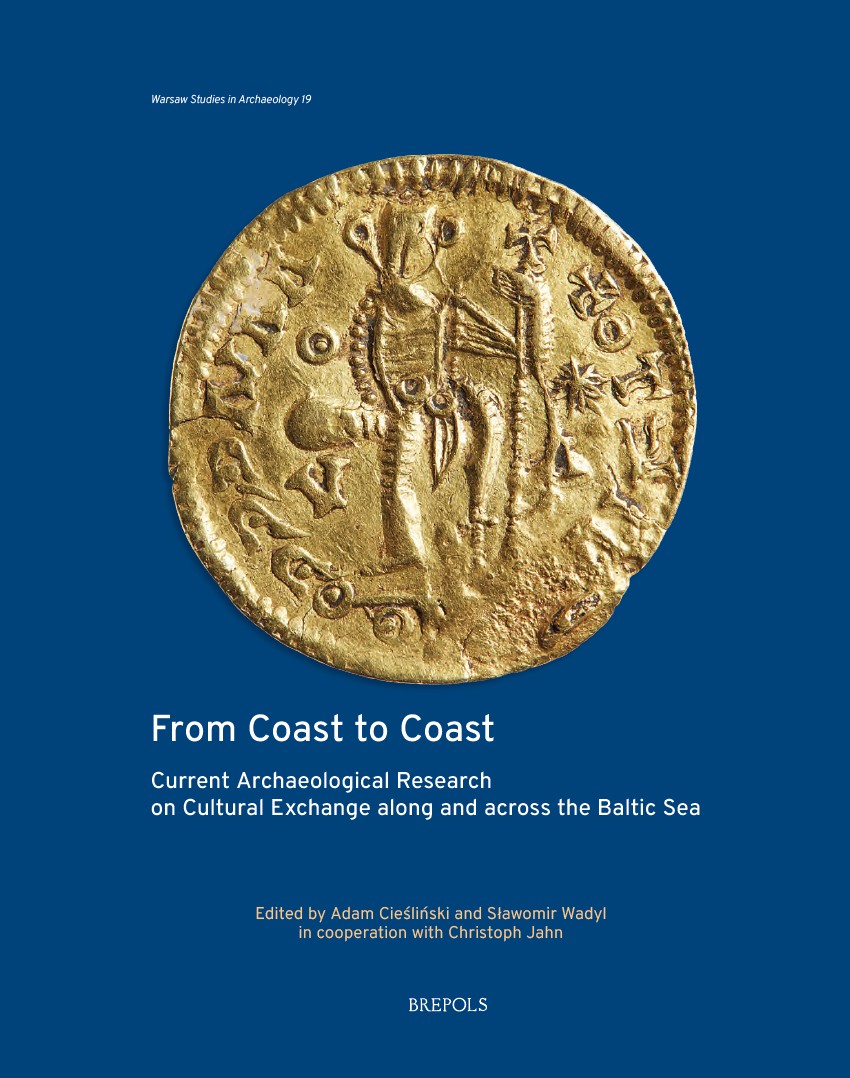 From Coast to Coast
Current Archaeological Research on Cultural Exchange along and across the Baltic Sea
Volume 19
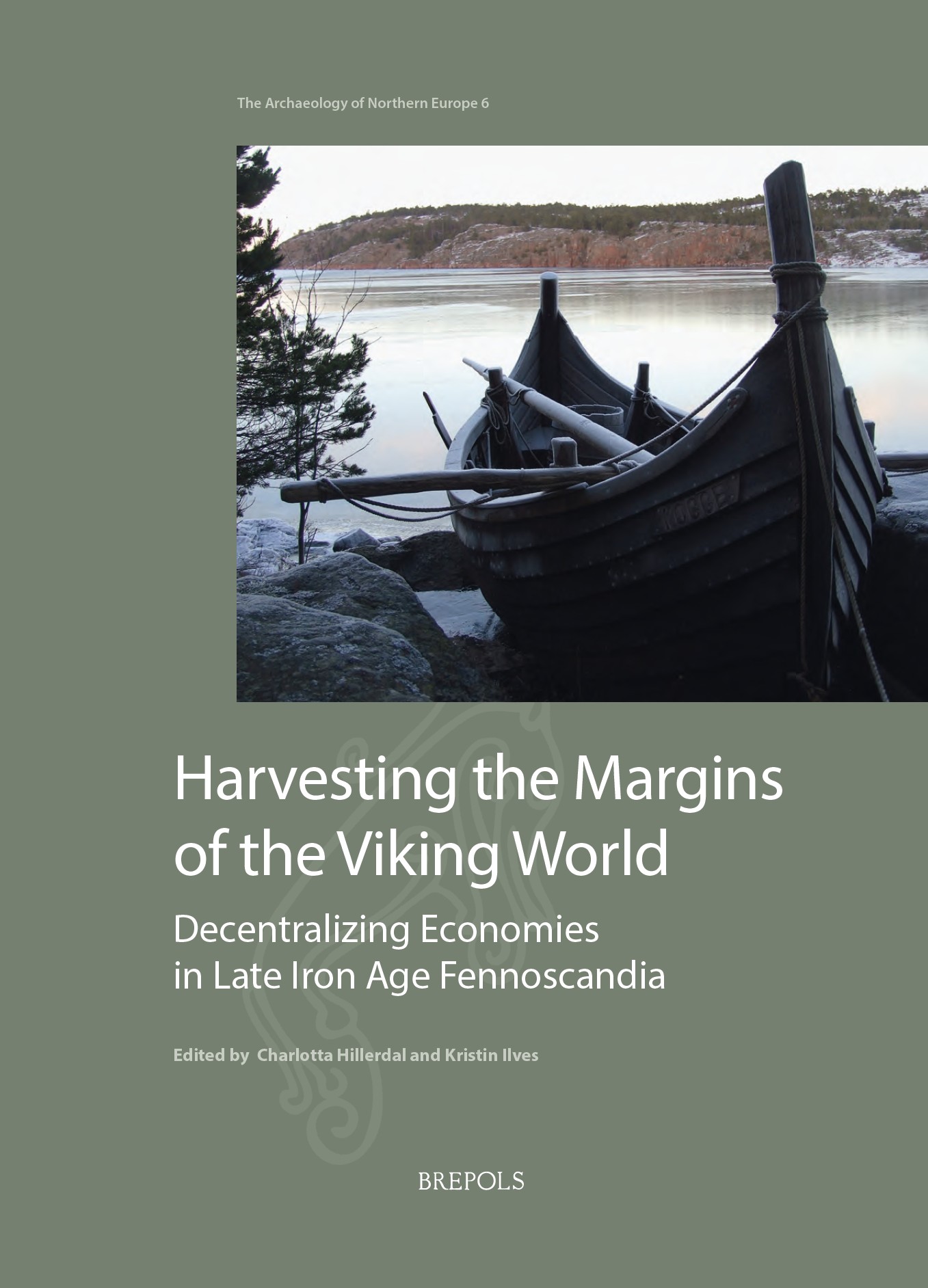 Harvesting the Margins of the Viking World
Decentralizing Economies in Late Iron Age Fennoscandia
Volume 6


 Language and Power in the Roman Empire and Early India
Hierarchy, Ambiguity, and the Art of Reading the Signs in Cosmopolitan Cultures
 Late Antique villae in the Balkans (3rd–7th c. AD): Current Research Questions and Perspectives
HAEMUS Companion to the Late Antique Balkans 1
Volume 4
 Linguistic and Cultural Dynamics in a Frontier Society
New Perspectives on Northeastern Bavaria and Western Bohemia in the Early Middle Ages
Volume 9

 Making and Meaning in the Bronze and Iron Ages
Chronology, Landscapes and Societies across Europe. Proceedings from the METALAGES2024 Colloquium (Florence, 23 October 2024)
 Medieval Yeghegis, Armenia
History, Archaeology, Society. Local Multiplicities and Global Connections of a Rural Centre on the Silk Road(s)


 Nurturing the Elite
Representations of Drinking, Eating, and Religious Vessels in Palmyrene Funerary Iconography
Volume 13


 Promoting the Profession
Papers in Honour of Peter Hinton Director of the Chartered Institute for Archaeologists 1997-2025


