
Jewish or Common Heritage?
Appropriation of Synagogues in East-Central Europe since 1945
Edited by Christhardt Henschel Edited by Ruth Leiserowitz Edited by Kamila Lenartowicz Edited by Neele Menter Edited by Zuzanna Światowy
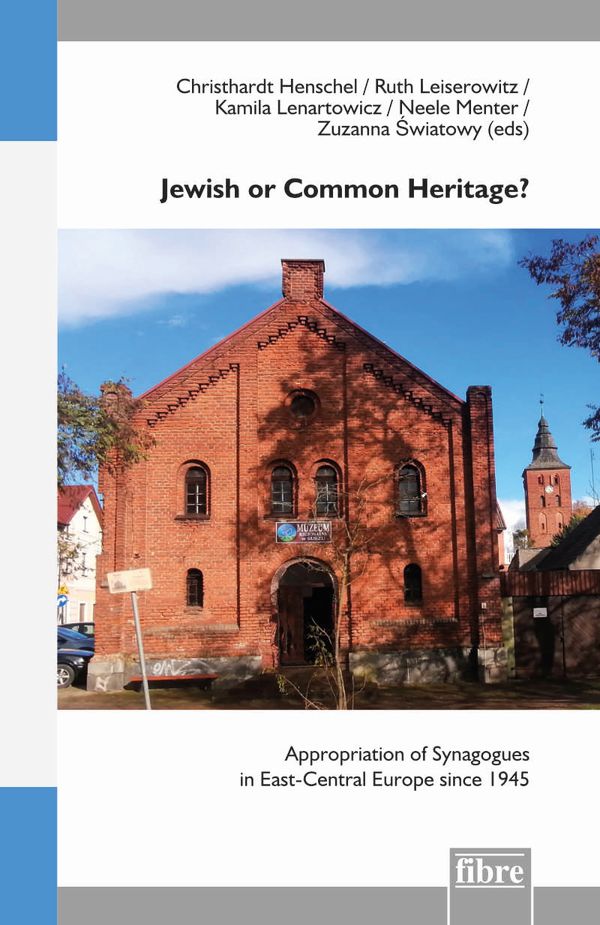
Hardback (Published)
(November 2024)
ISBN: 9783944870908
5.94 x 9.09 inches
Price: $116.00
In stock
The orphaned synagogue in the urban space. How do we engage with it? At first glance, this is the question within the scope of the contemporary concept of Critical Heritage Studies, which originates from the North American context. However, the alleged synagogues are located primarily in Central and Eastern Europe, in various Polish regions, Lithuania, the Czech Republic, Croatia, Hungary, the western Romanian cities of Oradea and Timişoara, and in Ukraine and Belarus.
In this case, the chosen concept must be adapted in many respects. As a result of these adaptations, a series of processes can be observed here, that show phases, dynamics, and intensities that have been little described so far and are characterized by phenomena such as de-demonization, de-ideologization, contextualization, appropriation, attempts to correct or improve conservation practices. The volume brings together analyses from very different perspectives – from transnational approaches to concepts from experts and reports from local initiatives.
- Edited by Christhardt Henschel
- Edited by Ruth Leiserowitz
- Edited by Kamila Lenartowicz
- Edited by Neele Menter
- Edited by Zuzanna Światowy
Other Titles in this Series
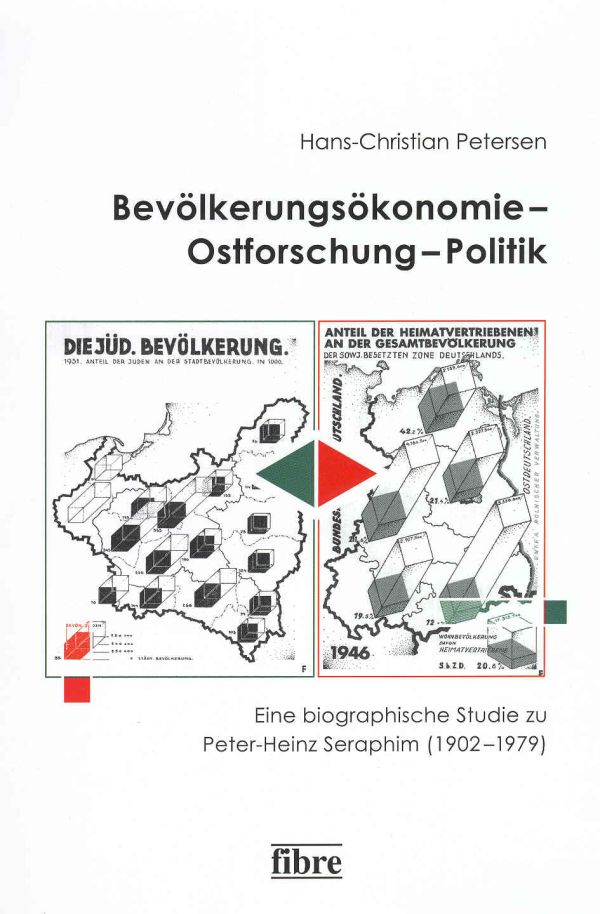 Bevölkerungsökonomie – Ostforschung – Politik
Eine biographische Studie zu Peter-Heinz Seraphim (1902–1979)
Volume 17
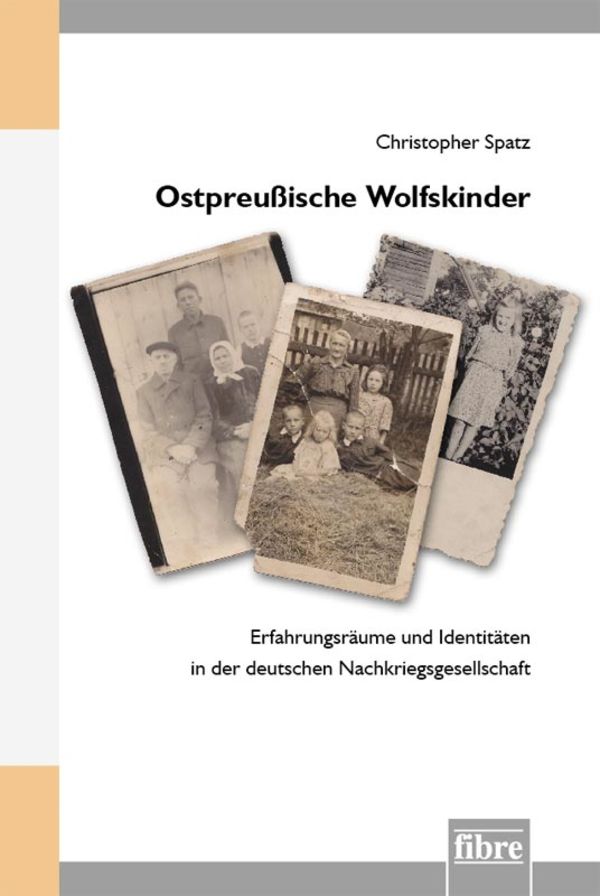 Ostpreußische Wolfskinder
Erfahrungsräume und Identitäten in der deutschen Nachkriegsgesellschaft
Volume 35
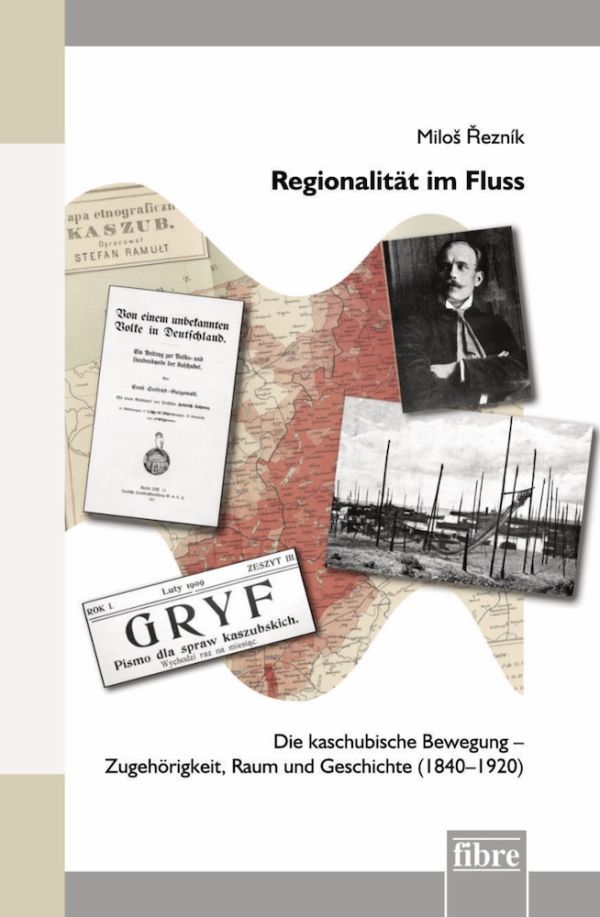 Regionalität im Fluss
Die kaschubische Bewegung – Zugehörigkeit, Raum und Geschichte (1840–1920)
Volume 48
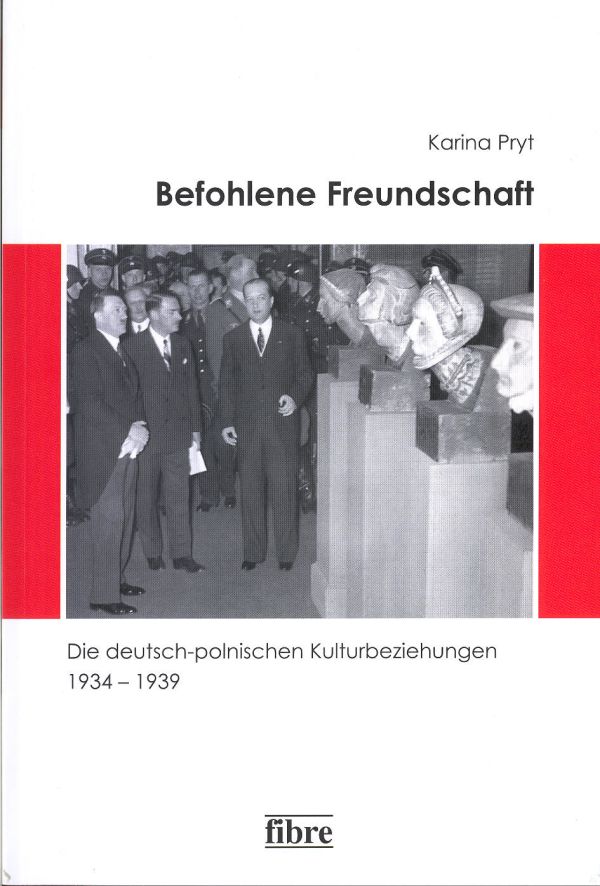
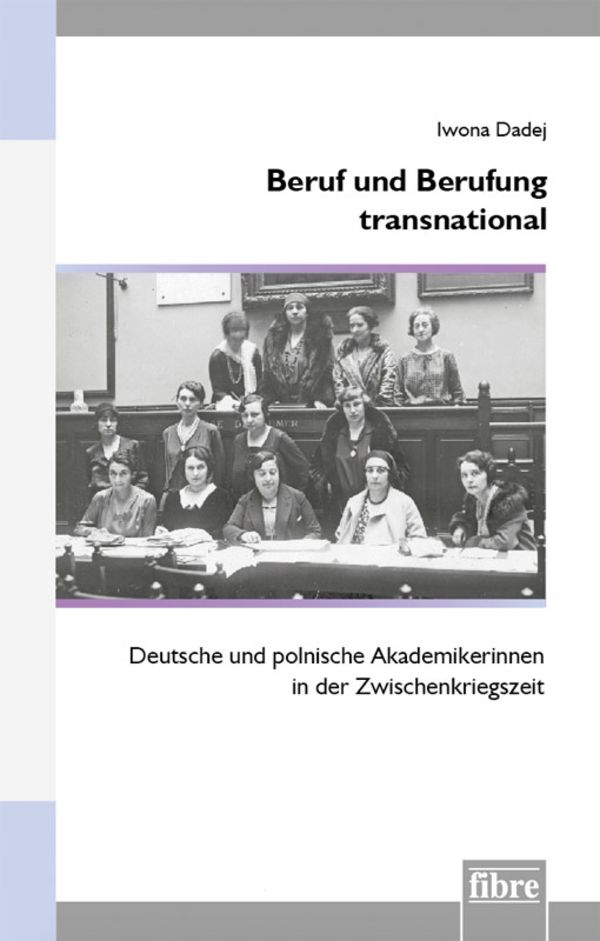 Beruf und Berufung transnational
Deutsche und polnische Akademikerinnen in der Zwischenkriegszeit
Volume 38
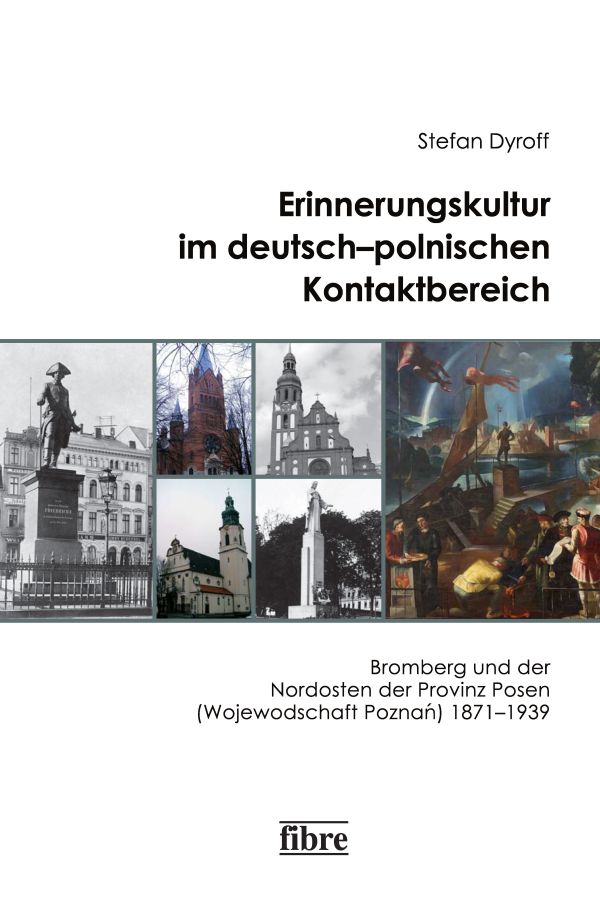 Erinnerungskultur im deutsch-polnischen Kontaktbereich
Bromberg und der Nordosten der Provinz Posen (Wojewodschaft Poznań) 1871–1939
Volume 19
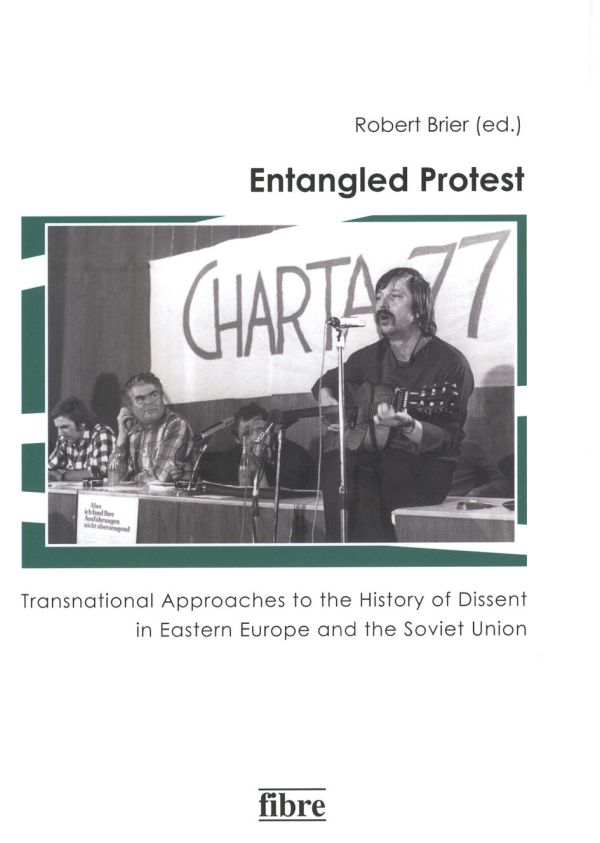 Entangled Protest
Transnational Approaches to the History of Dissent in Eastern Europe and the Soviet Union
Volume 31
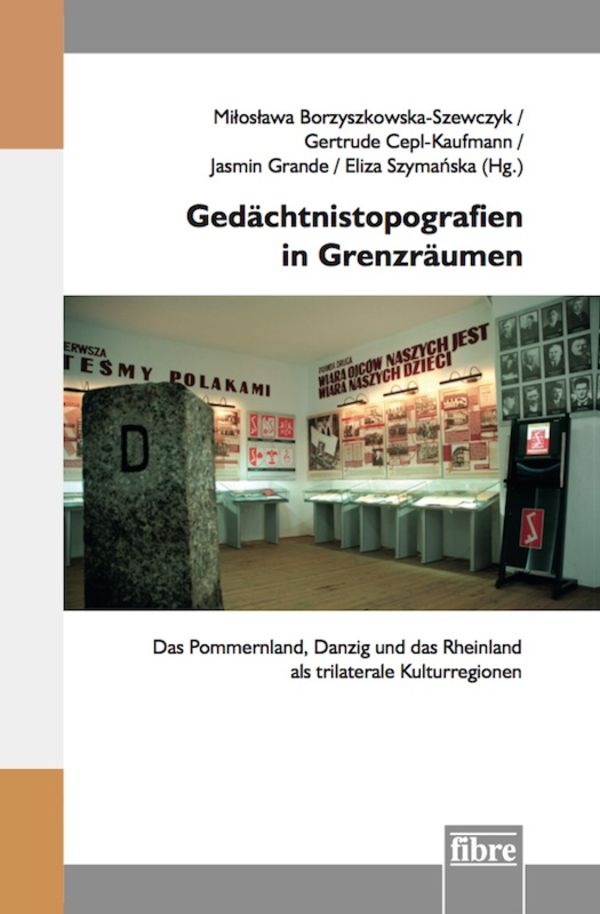 Gedächtnistopografien in Grenzräumen
Das Pommernland, Danzig und das Rheinland als trilaterale Kulturregionen
Volume 44
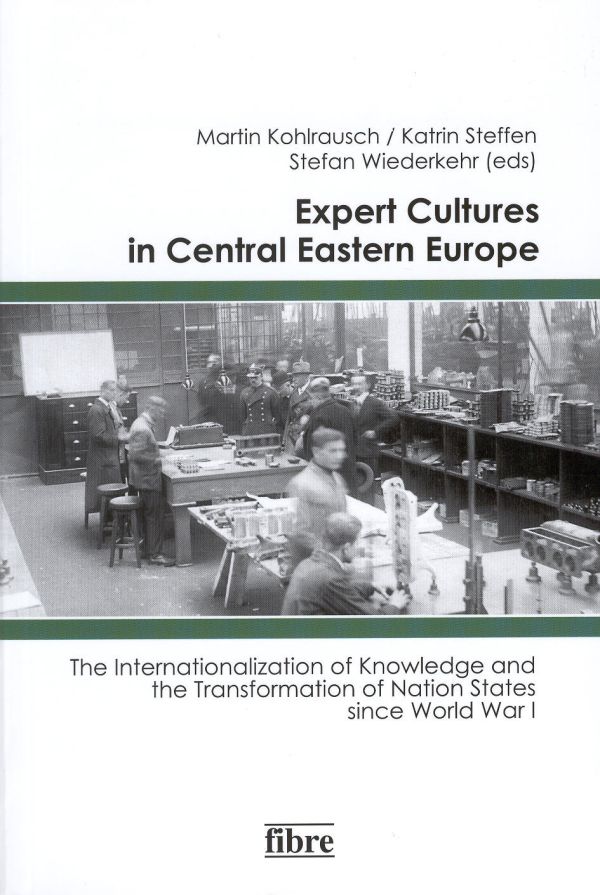 Expert Cultures in Central Eastern Europe
The Internationalization of Knowledge and the Transformation of Nation States since World War I
Volume 23
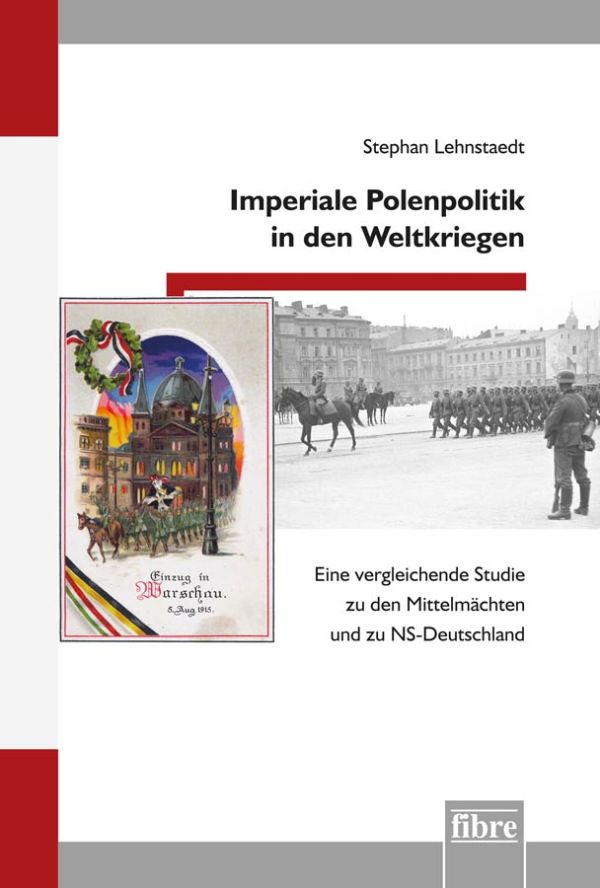 Imperiale Polenpolitik in den Weltkriegen
Eine vergleichende Studie zu den Mittelmächten und zu NS-Deutschland
Volume 36
 Nationsbildung und Außenpolitik im Osten Europas
Nationsbildungsprozesse, Konstruktionen nationaler Identität und außenpolitische Positionierungen im 20. und 21. Jahrhundert
Volume 41
 Raum und Nation in der polnischen Westforschung 1918–1948
Wissenschaftsdiskurse, Raumdeutungen und geopolitische Visionen im Kontext der deutsch-polnischen Beziehungsgeschichte
Volume 32
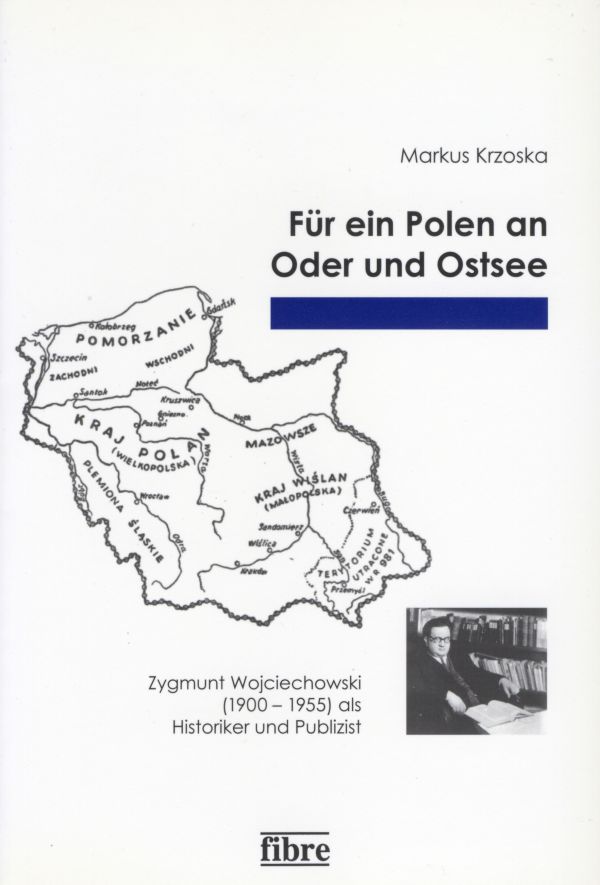 Für ein Polen an Oder und Ostsee
Zygmunt Wojciechowski (1900–1955) als Historiker und Publizist
Volume 8
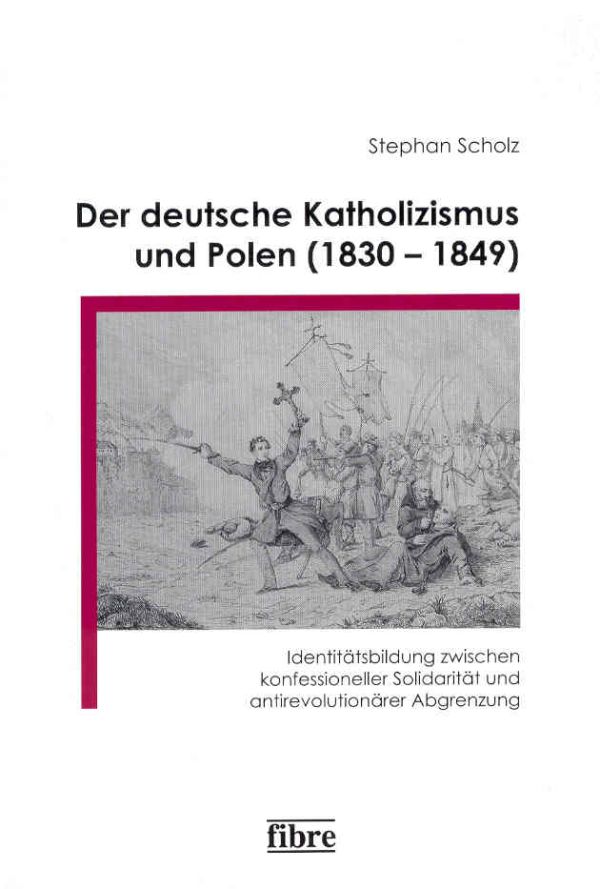 Der deutsche Katholizismus und Polen (1830–1849)
Identitätsbildung zwischen konfessioneller Solidarität und antirevolutionärer Abgrenzung
Volume 13
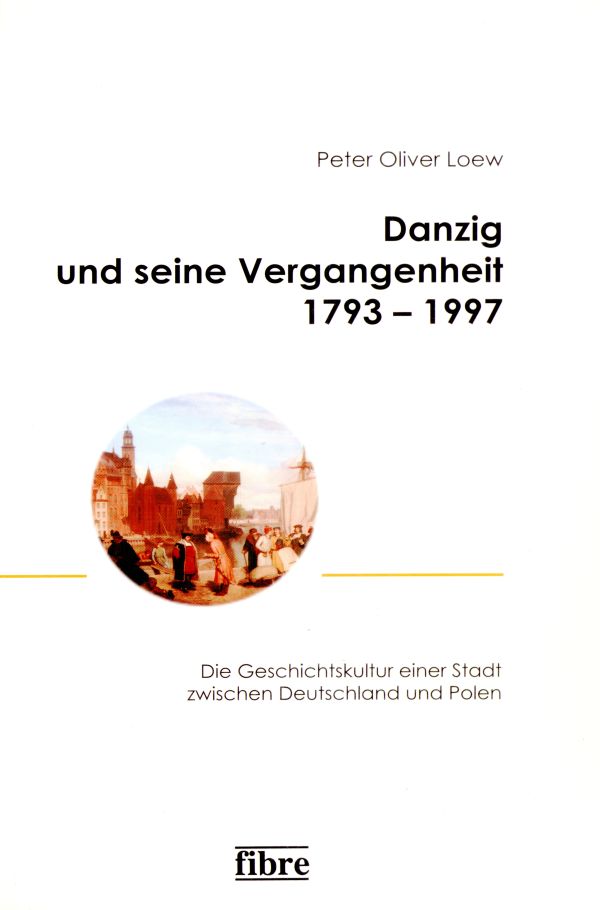 Danzig und seine Vergangenheit 1793–1997
Die Geschichtskultur einer Stadt zwischen Deutschland und Polen
Volume 9
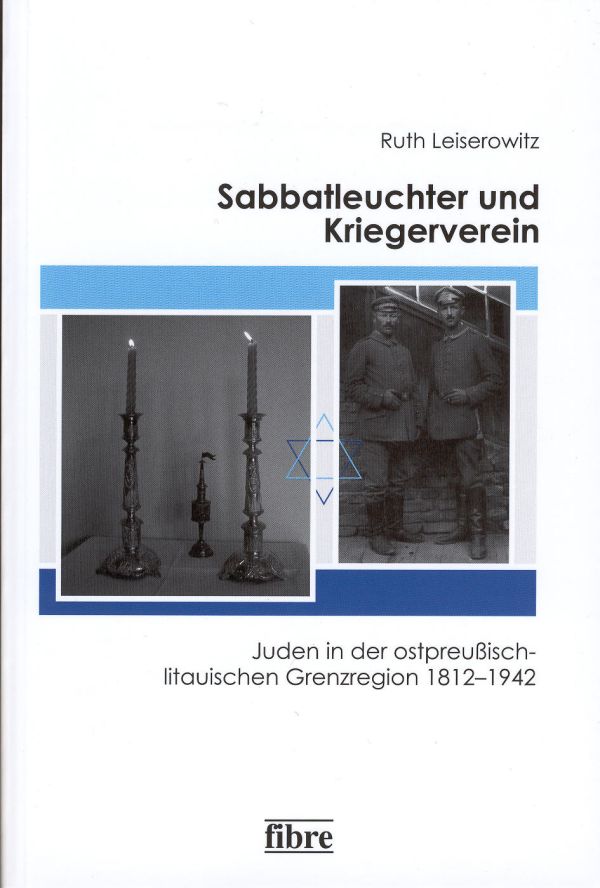 Sabbatleuchter und Kriegerverein
Juden in der ostpreußisch-litauischen Grenzregion 1812–1942
Volume 24
Similar Books


 Ars Prophetica
Theology in the Poetry of Twentieth-Century Hebrew Poets Avraham Halfi, Shin Shalom, Amir Gilboa, and T. Carmi
 As Messianism Turns to Heresy
The Regenstein Chair Lectures On Lurianic Kabbalah and Shabbatai Tzevi at Hebrew Union College - Cincinnati



 Dis/United States of Vulnerability
Literary and Cultural Transgressions in U.S. Poetry Since the 1960s
Volume 330


 European Drama and Performance Studies
Dramatisations politiques. Théâtre, politique et idéologie au XIXe siècle (1806-1914)
Volume 27

 Extracanonical Traditions and the Holy Land
Texts, Rituals, and Material Culture in Late Antique Palestine


 Lobbying for Equality
Jacques Godard and the Struggle for Jewish Equality during the French Revolution


 Modernization, Crises, Cultural Revolutions
Yugoslavia’s 1960s and 1970s through the amateur film lens


 The Biblical Tale of Judah and Tamar in Fourteenth-Century Iran
A Judeo-Persian Versified Account by Shāhīn with Scholarly Edition, Annotated Translation and Persian Transliteration
Volume 94, 951


