Italian Drawings from the Sixteenth Century
By (author) Edward J Olszewski

Paintings, sculpture, and classical antiquities are the most valuable resources of any museum, and are the first objects to be published in each museum’s own collection catalogue or online inventory. Collection catalogues, however, have customarily included only a small sample of the riches to be found in Midwestern collections of master drawings. This volume of sixteenth-century drawings has been largely the work of Burton L. Dunbar (University of Missouri-Kansas City), director of the project and a specialist in the arts of northern Europe, and Edward J. Olszewski (Case Western Reserve University), co-editor for the series, a well-known authority on drawings of the Italian Renaissance. This volume covers the sixteenth century, including artists born as a rule between 1480 and 1580, with the exception of Giovanni Baglione (ca. 1573-1644) and the Carracci. This study represents a gathering of drawings from forty institutions between Ohio and Oklahoma based on a census of seventy-five museums and art centers. Jacob Burckhardt’s contention that the Renaissance was, in many respects, an age of paganism is readily belied here by the 471 Italian drawings, the great majority of which are religious subjects. Antiquity provided a veneer beneath which sixteenth century artists could cloak their Christianity to make it seem fresh, reminding believers of the origins of their faith, and reviving the purity of Christian doctrine in its early years. It is no surprise, then, to find numerous drawings of antiquities, and mythologies among the many subjects. A corpus this large can be representative in many ways, offering a cross-section of media, subjects, drawing types, and collectors. Of the 471 Italian drawings scattered across Midwestern America, here we reassemble many that were at one time in one or more prominent collections. Every drawing was examined for the following information:Artist, place of birth and death with dates, biography, title of drawing, date of drawing, dimensions in mm (and in inches), media, institutional credit line, accession number, technical condition, inscriptions, collectors’ marks, watermark, provenance, exhibitions, bibliography, comments.
Paintings, sculpture, and classical antiquities are the most valuable resources of any museum, and are the first objects to be published in each museum’s own collection catalogue or online inventory. Collection catalogues, however, have customarily included only a small sample of the riches to be found in Midwestern collections of master drawings. This volume of sixteenth-century drawings has been largely the work of Burton L. Dunbar (University of Missouri-Kansas City), director of the project and a specialist in the arts of northern Europe, and Edward J. Olszewski (Case Western Reserve University), co-editor for the series, a well-known authority on drawings of the Italian Renaissance. This volume covers the sixteenth century, including artists born as a rule between 1480 and 1580, with the exception of Giovanni Baglione (ca. 1573-1644) and the Carracci. This study represents a gathering of drawings from forty institutions between Ohio and Oklahoma based on a census of seventy-five museums and art centers. Jacob Burckhardt’s contention that the Renaissance was, in many respects, an age of paganism is readily belied here by the 471 Italian drawings, the great majority of which are religious subjects. Antiquity provided a veneer beneath which sixteenth century artists could cloak their Christianity to make it seem fresh, reminding believers of the origins of their faith, and reviving the purity of Christian doctrine in its early years. It is no surprise, then, to find numerous drawings of antiquities, and mythologies among the many subjects. A corpus this large can be representative in many ways, offering a cross-section of media, subjects, drawing types, and collectors. Of the 471 Italian drawings scattered across Midwestern America, here we reassemble many that were at one time in one or more prominent collections. Every drawing was examined for the following information:Artist, place of birth and death with dates, biography, title of drawing, date of drawing, dimensions in mm (and in inches), media, institutional credit line, accession number, technical condition, inscriptions, collectors’ marks, watermark, provenance, exhibitions, bibliography, comments.
- By (author) Edward J Olszewski
Other Titles in this Series

Similar Books
 A Collaborative Tapestry in Honour of Shirley Ann Brown / Une fresque brodée en l’honneur de Shirley Ann Brown
The Bayeux Tapestry Seen by her Colleagues and Friends / La Tapisserie de Bayeux vue par ses collègues et amis

 Balthasar Caymox of Nuremberg
Early Modern German Print Publishers: Popular Prints of the Seventeenth Century


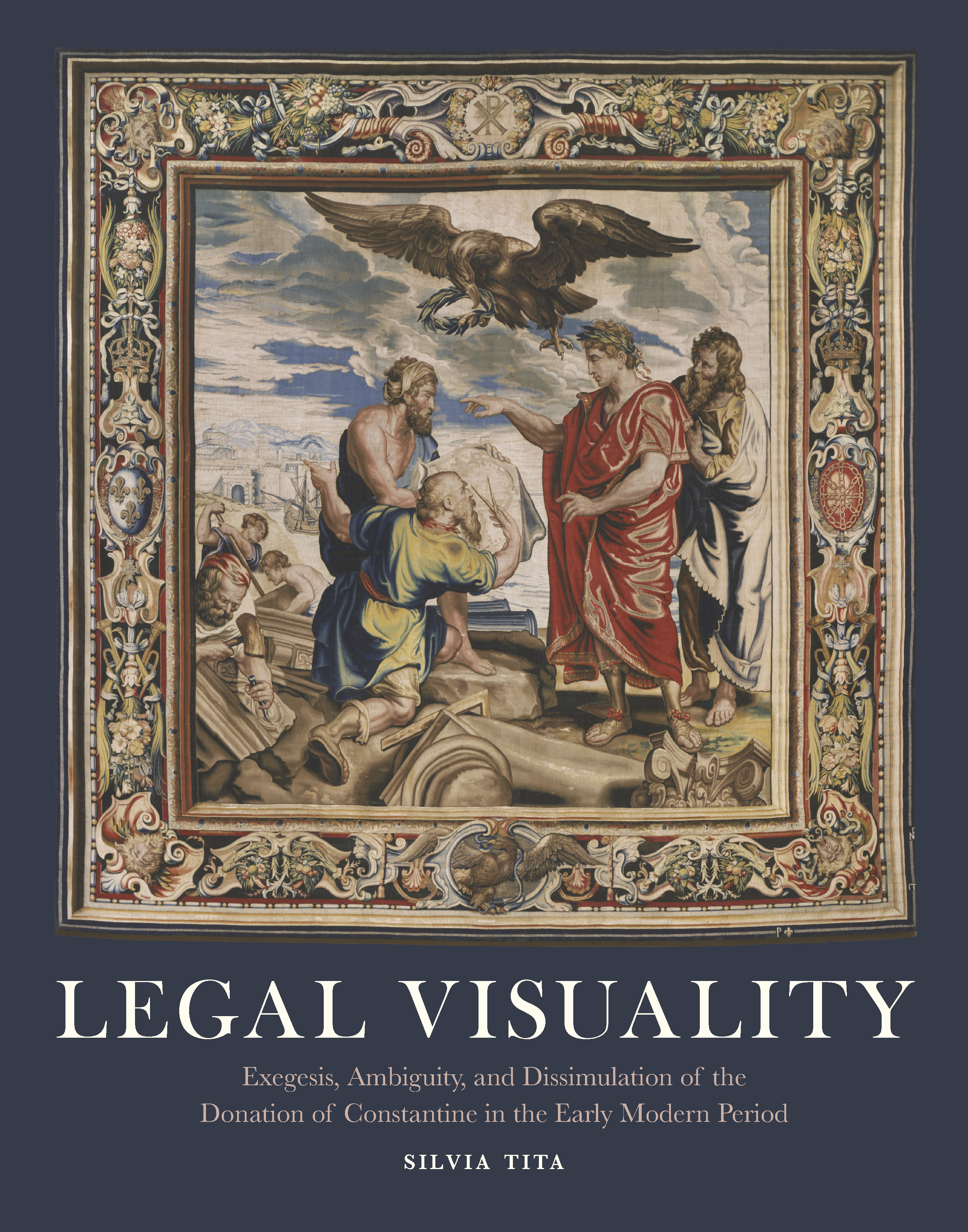 Legal Visuality
Exegesis, Ambiguity, and Dissimulation of the Donation of Constantine in the Early Modern Period
 Monastic Manuscripts from the Eastern Mediterranean (Sinai, Jerusalem, Antioch)
Production, Use, and Contexts
 Naples as Laboratory / Laboratorium Neapel
Style Options, Artistic Rivalry and Self Fashioning in Neapolitan Baroque Painting / Plurale Stilbildung, Kunstlerkonkurrenz und Self Fashioning in der neapolitanischen Barockmalerei

 Nurturing the Elite
Representations of Drinking, Eating, and Religious Vessels in Palmyrene Funerary Iconography
Volume 13


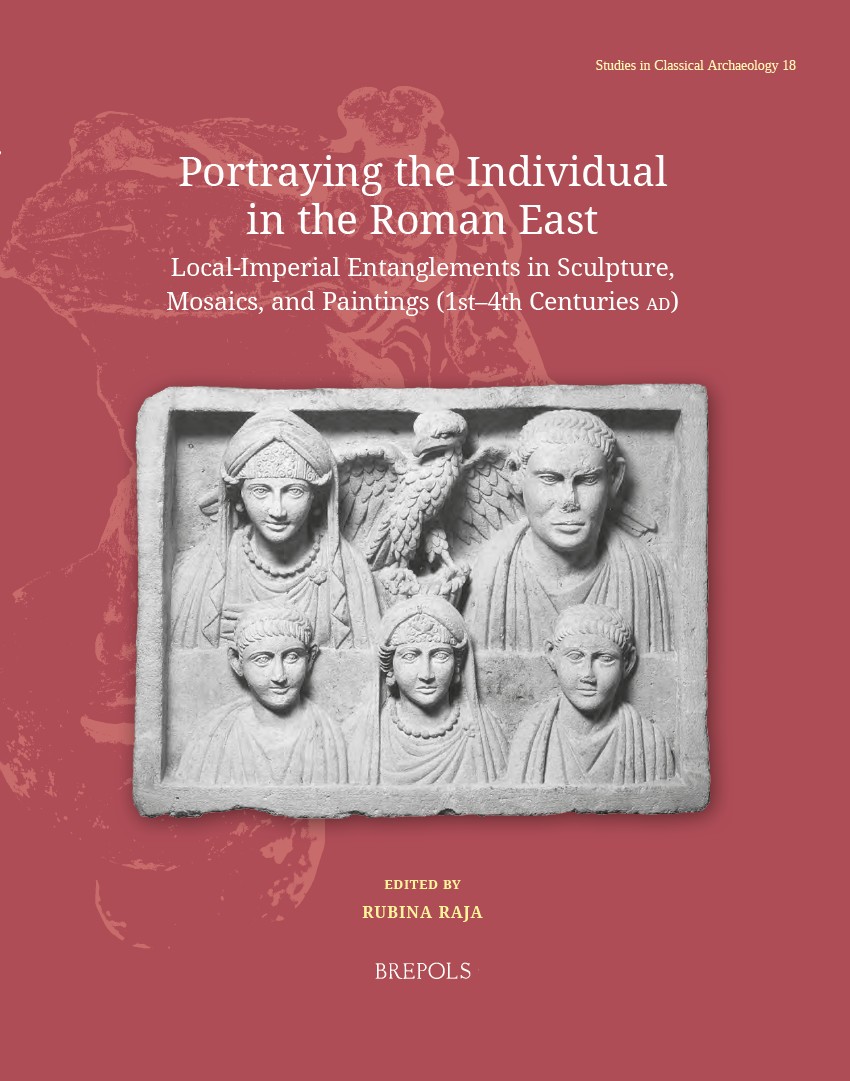 Portraying the Individual in the Roman East
Local–Imperial Entanglements in Sculpture, Mosaics, and Paintings (First–Fourth Centuries AD)
Volume 18


 Technical Studies of Asian Art
Proceedings of the Seventh Forbes Symposium at the Freer Gallery of Art


 Tricks of the Medieval Trades
The Trinity Encyclopedia, a collection of 14th century English craft recipes
 Venice Reimagined
The Resurgence of View Painting in Venice after the Fall of the Serenissima between 1797 and 1866

 Women’s Legacies in Natural Studies, Health, and Liberal Arts
Proceedings of the Second Annual International Women in the Arts Conference
Volume 4
 Writing in the Church of the Nativity in Bethlehem
Inscription and Graffiti in a Multilingual and Multigraphic Perspective
Volume 45