Iconology of Charity
Medieval Legends of Saint Elizabeth in Central Europe
By (author) I. Gerat

The medieval cult of saint Elizabeth awakened the interest of the most influential political figures of the time. Their individual dialogues with the saint connected resonant spiritual messages, which were valid for the duration of any individual’s life span, with transient concerns about political struggles, military fights, or materialistic considerations. As a result, the images are multilayered products reflecting human needs and longings on several levels. This book offers a minuscule testimony from this endless flux of feelings, observations and meditations in an effort to broaden slightly the limited range of human experience. The images analyzed in this book give each viewer the possibility to interact with Saint Elizabeth’s unique spiritual way, which was nurtured by various sources, including moments of spontaneous inspiration.
The images analyzed in this book give each viewer the possibility to interact with Saint Elizabeth’s unique spiritual way, which was nurtured by various sources, including moments of spontaneous inspiration. The religious leaders who went on to imagine and commission a visual image understood the enormous potential associated with the religious zeal of the extraordinary noble lady as a shining example offering new paths towards Christian charity. The images represent an important testimony of what happened, or rather how the artist or the patron imagined events from the saint’s life. Elizabeth’s extraordinary individual charity has been a source of inspiration to many of her admirers, but the artists and their patrons must have experienced and considered the needs and desires which characterized their period and the communities they were serving. Once again there has been a significant interval between the over-temporal needs or values and contingent historical situations with changing constellations of interests, medial landscapes and rules of political game. The medieval cult of saint Elizabeth awakened the interest of the most influential political figures of the time. Their individual dialogues with the saint connected resonant spiritual messages, which were valid for the duration of any individual’s lifespan, with transient concerns about political struggles, military fights, or materialistic considerations. As a result, the images are multilayered products reflecting human needs and longings on several levels. This book offers a minuscule testimony from this endless flux of feelings, observations and meditations in an effort to broaden slightly the limited range of human experience.
- By (author) I. Gerat
Other Titles in this Series
 From Conservation to Interpretation
Studies of Religious Art (c. 1100-c. 1800) in Northern and Central Europe
Volume 7


 From Flow to Face
The Haemorrhoissa Motif (Mark 5:24b-34parr) between Anthropological Origin and Image Paradigm
Volume 3
 Decapitation and Sacrifice
Saint John's Head in Interdisciplinary Perspectives: Text, Object, Medium
Volume 6
 Pneuma and the Visual Medium in the Middle Ages and Early Modernity
Essays on Wind, Ruach, Incarnation, Odour, Stains, Movement, Kairos, Web and Silence
Volume 5
 Utopia’s Doom
The 'Graal' as Paradise of Lust, the Sect of the Free Spirit and Jheronimus Bosch's so-called 'Garden of Earthly Delights'
Volume 8

Similar Books
 A Collaborative Tapestry in Honour of Shirley Ann Brown / Une fresque brodée en l’honneur de Shirley Ann Brown
The Bayeux Tapestry Seen by her Colleagues and Friends / La Tapisserie de Bayeux vue par ses collègues et amis


 Balthasar Caymox of Nuremberg
Early Modern German Print Publishers: Popular Prints of the Seventeenth Century
 Behind the Scenes of Medieval Roofs
An Overview of the Roofing Systems of Italian Churches
Volume 90






 Innovation and Medieval Communities
The Circulation of Ideas and Practices in and out of the Town (1200-1500)
Volume 63
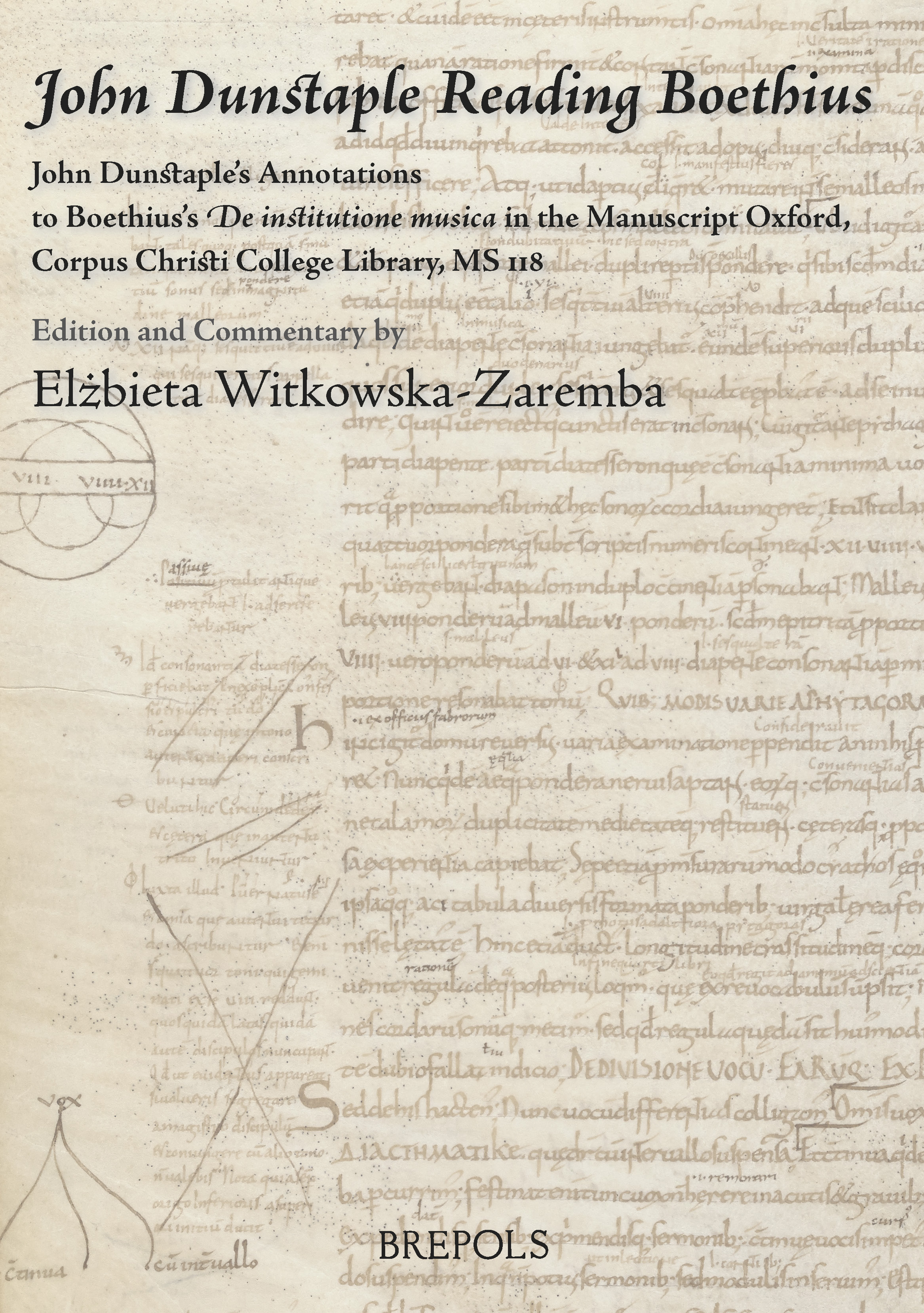 John Dunstaple Reading Boethius
John Dunstaple’s Annotations to Boethius’s “De institutione musica” in the Manuscript Oxford, Corpus Christi College Library, MS 118
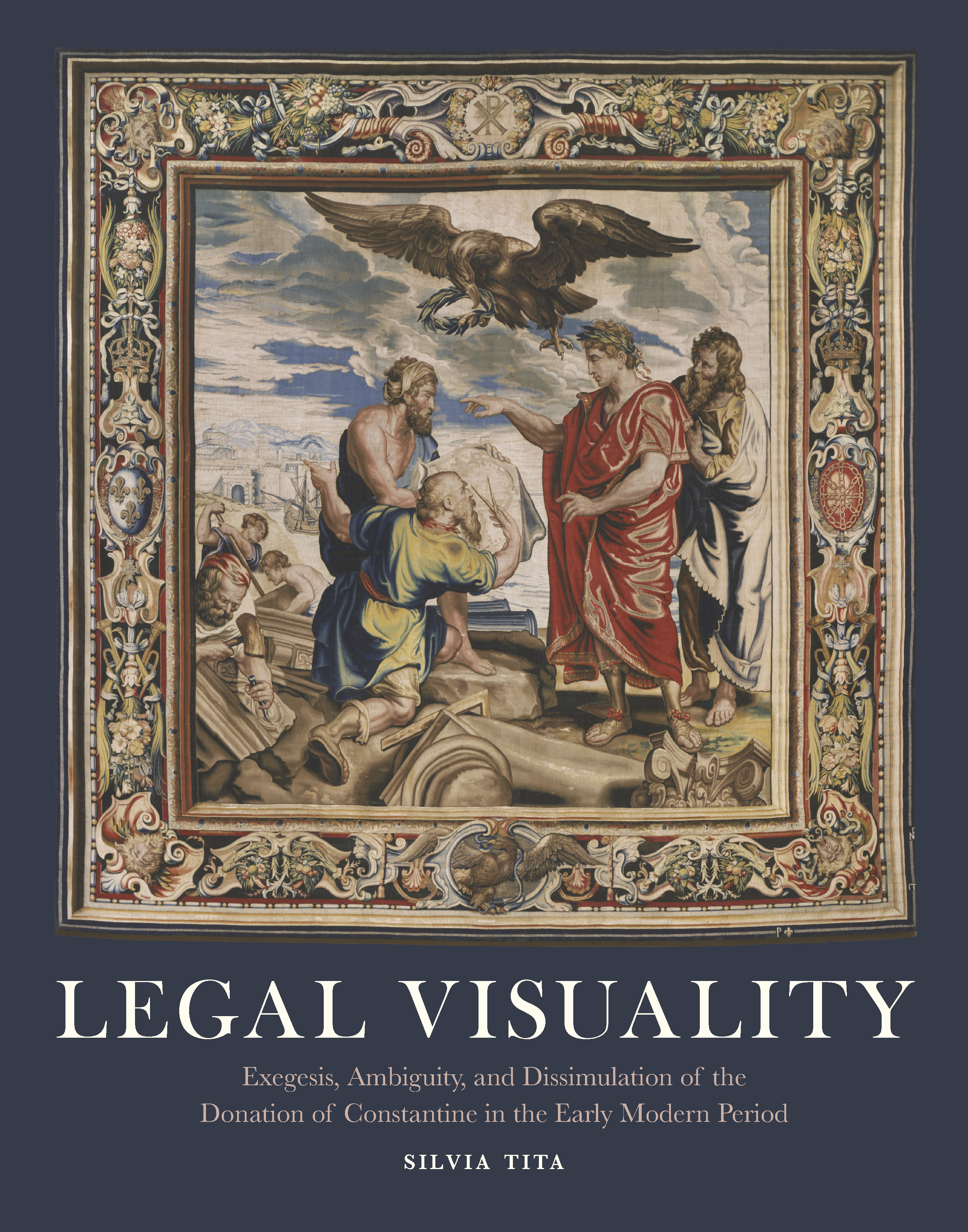 Legal Visuality
Exegesis, Ambiguity, and Dissimulation of the Donation of Constantine in the Early Modern Period
 Linguistic and Cultural Dynamics in a Frontier Society
New Perspectives on Northeastern Bavaria and Western Bohemia in the Early Middle Ages
Volume 9
 Medieval Debates on Foreknowledge: Future Contingents, Prophecy, and Divination
Acts of the XXVII Annual Colloquium of the SIEPM, Trento 12-15 September 2023
Volume 31
 Medieval Yeghegis, Armenia
History, Archaeology, Society. Local Multiplicities and Global Connections of a Rural Centre on the Silk Road(s)
 Monastic Manuscripts from the Eastern Mediterranean (Sinai, Jerusalem, Antioch)
Production, Use, and Contexts
 Naples as Laboratory / Laboratorium Neapel
Style Options, Artistic Rivalry and Self Fashioning in Neapolitan Baroque Painting / Plurale Stilbildung, Kunstlerkonkurrenz und Self Fashioning in der neapolitanischen Barockmalerei
 Nurturing the Elite
Representations of Drinking, Eating, and Religious Vessels in Palmyrene Funerary Iconography
Volume 13