
Hygiene exportieren
Die italienische Kolonialmedizin im Versuchsfeld Libyen 1912–1940
By (author) Alessandra Parodi Series edited by Christof Dipper Series edited by Oliver Janz Series edited by Sven Reichardt Series edited by Wolfgang Schieder Series edited by Petra Terhoeven Series edited by Gabriele B. Clemens
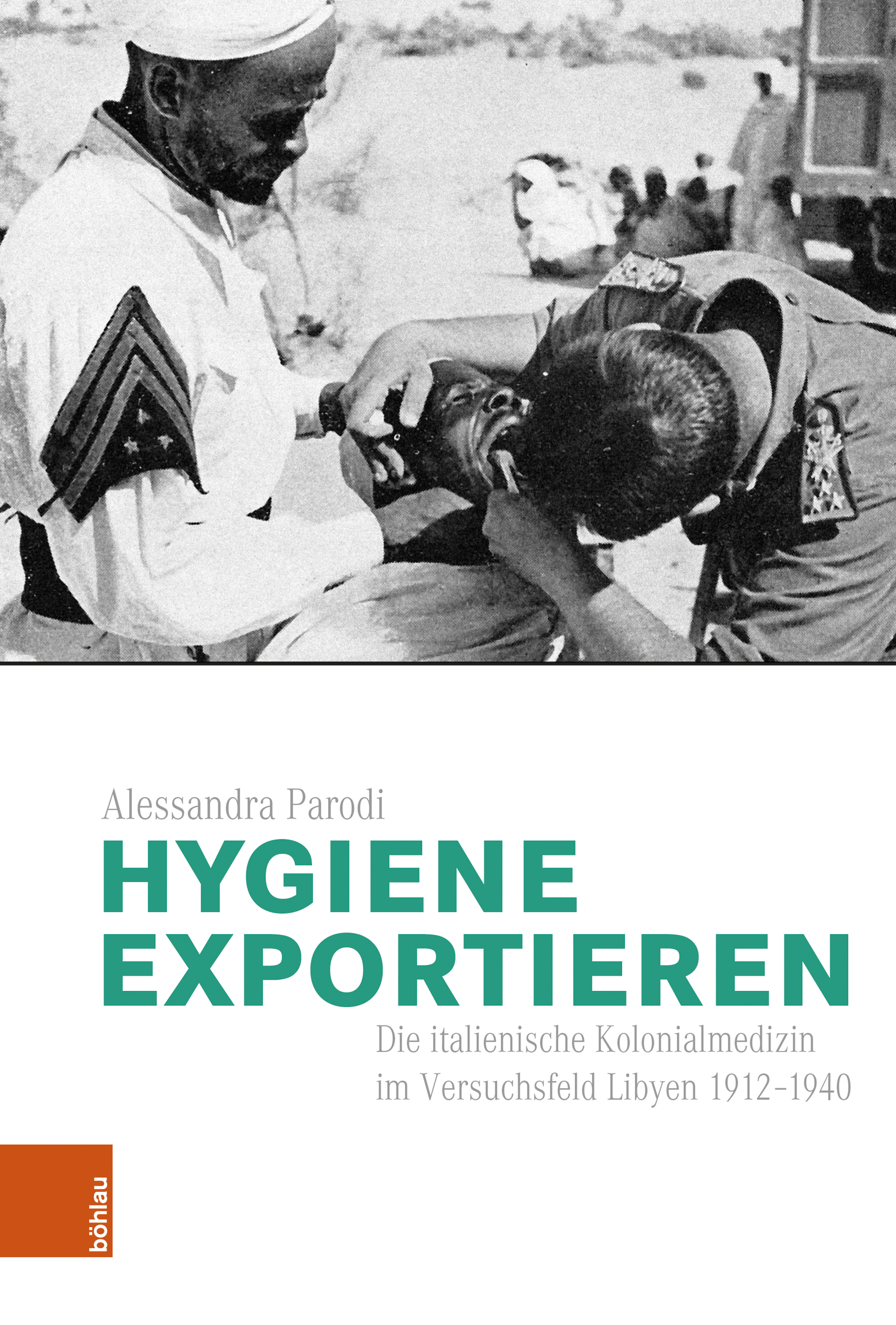
Faschismus als biologisches Kolonialregime
Libyen war von 1912 bis 1943 eine Kolonie – zuerst des liberal regierten, seit 1922 des faschistisch beherrschten Italiens. Es sollte als Auffangbecken für die überschüssige bäuerliche Bevölkerung des italienischen Südens dienen, die dabei war, in hohem Ausmaß in andere Zielländer auszuwandern.
Der Faschismus, wie er hier in Erscheinung trat, lässt sich als ein biologisches Kolonialregime kennzeichnen. Es ging zum einen darum, die Bevölkerungszahl Italiens zu erhöhen und die eigene Bevölkerung in der Kolonialsituation zu ertüchtigen. Zum anderen sollten die Libyer auf ein höheres zivilisatorisches Niveau gebracht, sie somit in den faschistischen Staat integriert werden. Hierzu schienen die Hygienisierung der Lebensverhältnisse und medinische Interventionen als geeignete Mittel. Ferner waren die Hygienekampagnen und der Aufbau medizinischer Infrastrukturen dazu gedacht, das Territorium für die eigenen Siedlungszwecke offen zu halten.
- By (author) Alessandra Parodi
- Series edited by Christof Dipper
- Series edited by Oliver Janz
- Series edited by Sven Reichardt
- Series edited by Wolfgang Schieder
- Series edited by Petra Terhoeven
- Series edited by Gabriele B. Clemens
Other Titles in this Series
 Presse und Revolution in der Toskana 1847–49
Entstehung, Inhalte und Wandel einer politischen Öffentlichkeit
Similar Books


 As Messianism Turns to Heresy
The Regenstein Chair Lectures On Lurianic Kabbalah and Shabbatai Tzevi at Hebrew Union College - Cincinnati
 Behind the Scenes of Medieval Roofs
An Overview of the Roofing Systems of Italian Churches
Volume 90
 Beyond Sovereign Courts
Agents and Practices in Early Modern Spanish and Habsburg Diplomacy
Volume 3
 Cities through Time
Glimpses into Urbanity and Community in Mediaeval to Modern West Asia and Egypt
Volume 1
 Cuneiform Artefacts from Archaeological Contexts: New Research on Ancient Iraq
Proceedings of a Conference Held at the Bavarian Academy of Sciences and Humanities, July 4–5, 2024
Volume 2


 Food Security under Armed Conflict
Global Knowledge Landscape and Public Attention to Social, Economic, and Humanitarian Dimensions
 Global Gulf
Geo-Economic, Geo-Political, and Geo-Technological Transformation in Saudi Arabia, the United Arab Emirates, and Qatar


 Innovationes Lovanienses: Arts, Law and Theology at the University of Louvain (1425–1797)
Studium Lovaniense: Learning across Borders, 2
Volume 18
 Ismail Hakki Bursevi’s translation of and commentary on Fusus al-Hikam By Muhyiddin Ibn ‘Arabi
Volumes 1-4


 Monastic Manuscripts from the Eastern Mediterranean (Sinai, Jerusalem, Antioch)
Production, Use, and Contexts
 Music and Colonialism in Fascist Italy
Identity, Propaganda, and Ethnographic Representation
Volume 13
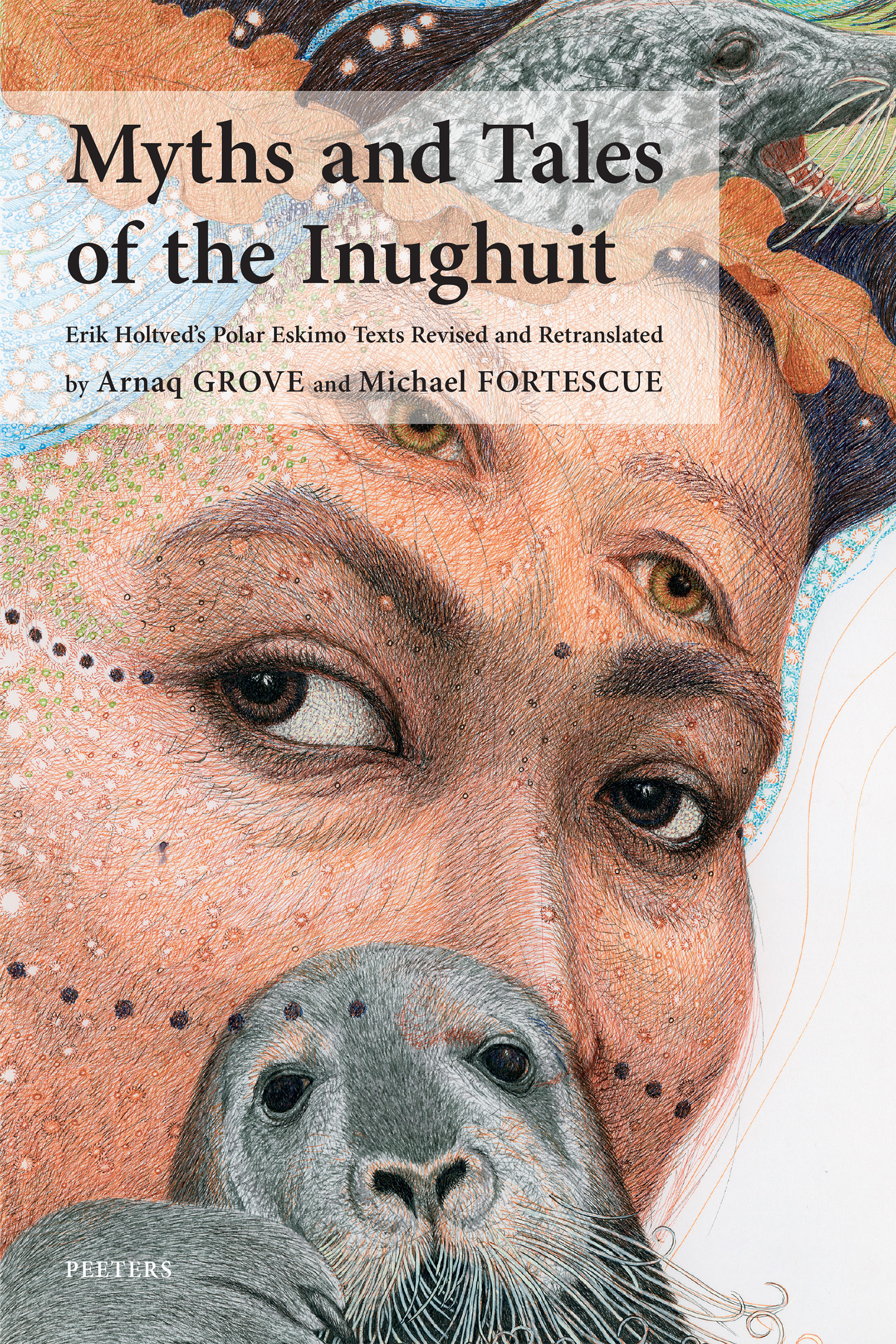 Myths and Tales of the Inughuit
Erik Holtved's Polar Eskimo Texts Revised and Re-translated into Danish and English
Volume 475, 12
 Naples as Laboratory / Laboratorium Neapel
Style Options, Artistic Rivalry and Self Fashioning in Neapolitan Baroque Painting / Plurale Stilbildung, Kunstlerkonkurrenz und Self Fashioning in der neapolitanischen Barockmalerei


 Qatar’s Societal Security
Towards the Inclusive National Concept of ‘Baladna’ Identity, Migration and External Threats Since 2017


 Students, Scholars and Their Books at the University of Louvain (1425-1797)
Studium Lovaniense: Learning across Borders, 1
Volume 17


 The Biblical Tale of Judah and Tamar in Fourteenth-Century Iran
A Judeo-Persian Versified Account by Shāhīn with Scholarly Edition, Annotated Translation and Persian Transliteration
Volume 94, 951


 The Discourse of Rites
Shaping and Reshaping the (Counter-)Priestly Rituals Conducted Outside the Tabernacle


